Oregon Catch-and-Release Rules
It can be incredibly frustrating to head out to your favorite fishing spot in Oregon, only to discover confusing or contradictory rules about what you can and can't keep. The truth is, Oregon's fishing regulations are designed to protect our precious fish populations, and understanding the nuances of catch-and-release isn't just a good idea—it's often a legal requirement. This comprehensive guide will walk you through everything you need to know about Oregon's catch-and-release rules, helping you navigate the waters with confidence and ensure the health of our fisheries for years to come.
Why Catch-and-Release Matters So Much in Oregon
For many anglers, the thrill of the catch isn't just about bringing home dinner; it's about the connection to nature and the challenge of the sport. In Oregon, catch-and-release is far more than a personal preference; it's a fundamental conservation strategy. Our state is home to a magnificent array of fish species, some of which are facing significant pressures from environmental changes, habitat loss, and historical overfishing. Without careful management, including widespread catch-and-release practices, these species could quickly disappear from our rivers, lakes, and coastal waters.
Protecting Sensitive Fish Populations
Think about Oregon's iconic wild salmon and steelhead runs. These incredible fish undertake epic migrations, battling immense odds just to return to their natal streams to spawn. Many of these wild populations are listed under the Endangered Species Act or are considered species of concern. If every angler kept every wild fish they caught, these runs would simply collapse. Catch-and-release rules specifically for these sensitive populations are non-negotiable, acting as a critical safeguard to allow them to complete their life cycles and sustain their numbers. It’s a collective effort, where every angler plays a part in giving these fish the best possible chance at survival.
Beyond the well-known salmonids, many other species in Oregon benefit from catch-and-release. For instance, our ancient white sturgeon populations in the Columbia River are slow-growing and long-lived, making them particularly vulnerable to overharvest. While there are sometimes limited retention seasons, much of sturgeon fishing in Oregon is strictly catch-and-release, a testament to their delicate status. These regulations aren't arbitrary; they are the result of extensive biological research by the Oregon Department of Fish and Wildlife (ODFW) to ensure that we maintain healthy, viable populations across the state, preserving the biodiversity that makes Oregon such a unique fishing destination.
Ensuring Future Generations of Anglers
Imagine a future where the rivers and lakes you love to fish are barren, or where the only fish left are tiny, stunted individuals because all the larger, spawning adults were removed. This is the reality that robust catch-and-release programs aim to prevent. By carefully releasing fish, especially those in prime spawning condition, we're actively contributing to the reproductive success of entire populations. It's about thinking beyond our own immediate gratification and considering the long-term health of the fishery. This foresight ensures that your children, grandchildren, and generations beyond will still have the opportunity to experience the same incredible fishing adventures that we cherish today.
Furthermore, catch-and-release helps maintain a balanced ecosystem. Larger fish, often the ones targeted for release, are crucial components of the food web and play a vital role in natural selection. Their presence helps keep smaller, more numerous fish populations in check and contributes to overall aquatic health. When you respect catch-and-release rules, you're not just saving an individual fish; you're supporting the intricate ecological processes that underpin all of Oregon's magnificent fisheries. It's a fundamental aspect of sustainable angling, allowing for both enjoyment of the resource and its enduring protection.
The Core Principles of Oregon's Catch-and-Release Regulations
Navigating Oregon's catch-and-release rules can feel like deciphering a complex puzzle, but at its heart are a few core principles designed to give released fish the best chance of survival. It's not just about letting a fish go; it's about how you do it. The ODFW emphasizes techniques and gear choices that minimize stress and physical harm to the fish, significantly increasing their chances of living to bite another day. Understanding these principles is key to being a responsible angler in Oregon, protecting our valuable fisheries.
Understanding Barbless Hook Requirements
One of the most widespread and impactful catch-and-release regulations in Oregon is the requirement for barbless hooks, especially in areas with sensitive fish populations like wild salmon and steelhead. A barbed hook, by design, creates a small tear in the fish's mouth to prevent escape. While effective for retention, this damage can be significant for a fish intended for release, leading to infection, feeding difficulties, or even death. A barbless hook, conversely, can slide out much more easily with minimal harm, especially if you apply slack line after the fish is subdued.
You'll find that many of the best fishing spots in Oregon, particularly on rivers known for their wild runs like the Deschutes, Rogue, or certain stretches of coastal rivers, strictly enforce barbless hook rules. It's not just for fly fishing either; bait and lure anglers are also required to pinch down their barbs. You can purchase barbless hooks directly, or simply take a pair of pliers and pinch the barb down on your existing hooks until it's flush with the shank. It's a simple act that makes a huge difference in fish survival. Before you head out, always double-check the current Oregon Fishing Regulations Explained for your specific fishing location, as these rules can vary widely. Many anglers find convenient multi-packs of quality barbless hooks on Amazon, ensuring they're always prepared.
Essential Gear for Responsible Release
Beyond barbless hooks, having the right gear is crucial for successful catch-and-release. One of the most important tools is a knotless, rubberized landing net. Traditional knotted nets, especially those made of nylon, can strip the protective slime coat from a fish, damage its fins, or injure its eyes and gills as it struggles. A rubberized net, with its softer, wider mesh, cradles the fish gently, protecting its delicate skin and appendages. This simple gear swap dramatically reduces stress and injury during the landing process.
Another invaluable tool is a pair of long-nosed pliers or forceps. These allow you to quickly and safely remove the hook, especially if it's deeply set, without having to put your hands inside the fish's gills or mouth. For larger fish, a jaw spreader can also be helpful for easy hook removal, though use it carefully to avoid injury. A pair of hook removers, easily found on Amazon or at any local tackle shop like Fisherman's Marine & Outdoor, can make all the difference between a quick, clean release and a prolonged, damaging struggle. Remember, the goal is to minimize handling time and keep the fish in the water as much as possible.
Handling Fish with Care for Best Survival Rates
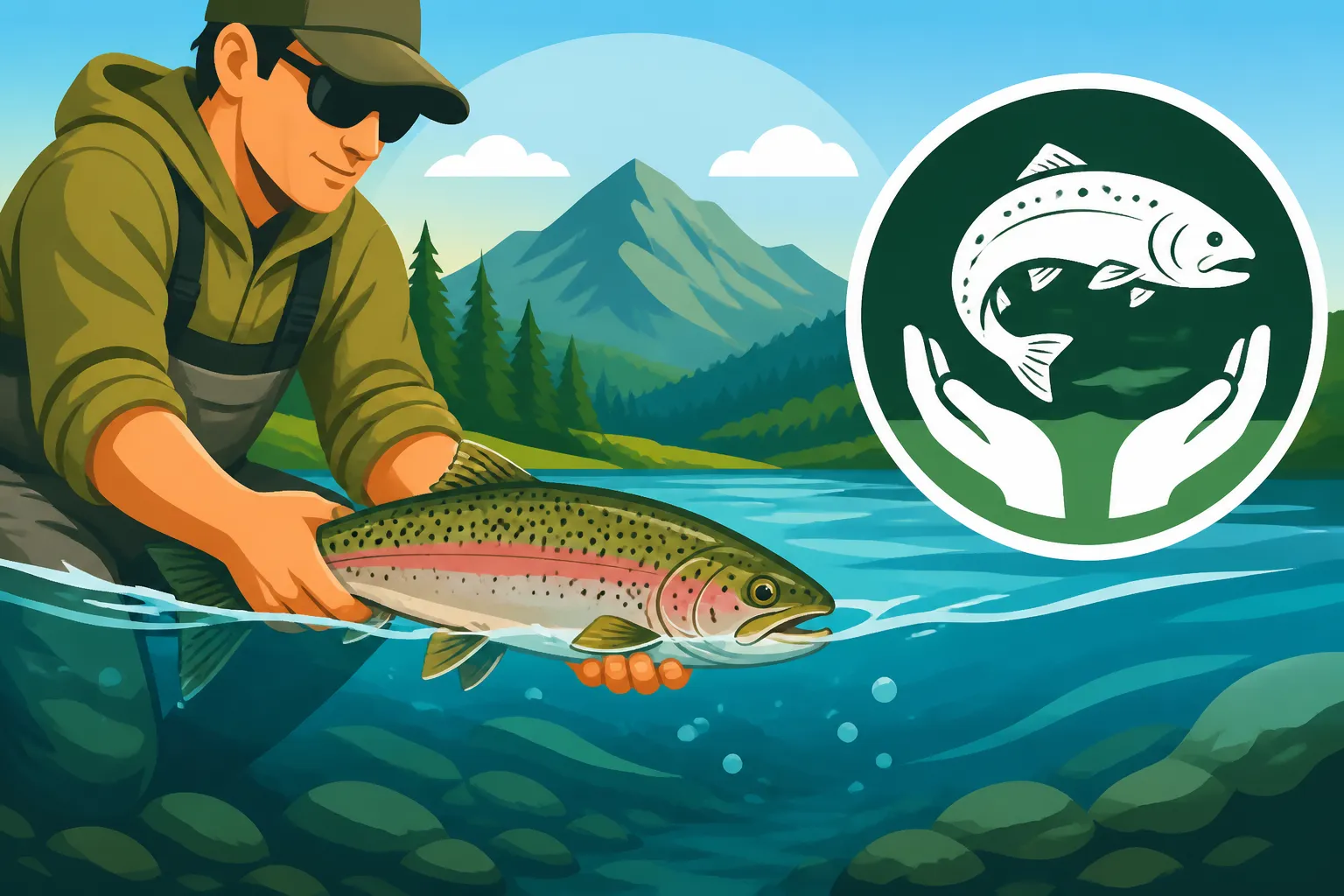
The way you handle a fish after it's caught is paramount to its survival. The number one rule is to keep the fish in the water as much as possible. When you lift a fish out of the water, especially a larger one, its internal organs are no longer supported by the water's buoyancy. This can cause severe internal damage, particularly to salmon and steelhead, which have very delicate organ structures. If you must lift a fish for a quick photo, do so gently, support its belly, and minimize its time out of the water to mere seconds.
Avoid squeezing the fish, particularly around its belly or gills, as this can damage vital organs or interfere with its ability to breathe. If you need to hold it, use wet hands to protect its slime coat, which acts as its first line of defense against disease and parasites. When releasing, gently hold the fish upright in the current, allowing water to flow over its gills until it regains strength and swims away on its own. Never just toss a fish back into the water; this can cause severe shock and injury. Patience and gentle handling are your best allies in ensuring a successful release.
Specific Species and Waterways with Mandatory Release Rules
Oregon's fisheries are incredibly diverse, and so are the catch-and-release rules that govern them. It's not a "one size fits all" situation. Regulations are often highly specific, depending on the species, the time of year, and even the particular stretch of river you're fishing. Failing to understand these specifics can lead to serious legal trouble and, more importantly, can harm the very fish populations we're trying to protect.
Wild Salmon and Steelhead Protections
Oregon is famous for its anadromous fish—salmon and steelhead—that migrate from the ocean to spawn in freshwater rivers. Many of these populations are wild, meaning they are naturally spawned and not hatchery-reared. Wild salmon and steelhead, particularly Chinook, Coho, and all steelhead (with very rare, specific exceptions for retention), are almost universally protected by mandatory catch-and-release rules. This is because these fish are critical for maintaining genetic diversity and the overall health of the species. To differentiate, look for an adipose fin; hatchery fish typically have their adipose fin clipped, while wild fish retain it. Understanding How to Tell a Wild Steelhead From a Hatchery Steelhead is fundamental for any angler targeting these species.
For many rivers, especially those designated as "wild fish sanctuaries" or during critical spawning periods, all wild salmon and steelhead must be immediately released unharmed. Even if you're fishing for hatchery fish, accidental catches of wild fish are common, and the proper response is immediate, careful release. These rules are particularly stringent in areas like the upper Deschutes River, sections of the Rogue, and many of the smaller coastal tributaries during peak runs. Always consult the Oregon Fishing Season Dates and Limits and specific zone regulations before you cast your line to avoid costly mistakes and ensure you're in compliance.
Sturgeon and Other Protected Species
Beyond salmon and steelhead, several other species in Oregon are subject to strict catch-and-release regulations. The most prominent of these is the White Sturgeon. These majestic, prehistoric fish are incredible to catch, but their slow growth rate and long lifespan make them highly vulnerable. In most areas of the Columbia River and its tributaries, sturgeon fishing is almost entirely catch-and-release, often with strict slot limits even when retention is allowed. For example, a legal keeper sturgeon might need to be between 44 and 54 inches fork length, with anything outside that range requiring immediate release. The rules for sturgeon can change frequently, often with little notice, so staying informed is crucial.
Other protected or management-focused species also fall under specific release mandates. For example, Bull Trout are a protected native species in Oregon, and all bull trout caught must be immediately released unharmed. These beautiful fish are often found in cold, clear mountain streams and lakes. Similarly, some native cutthroat trout populations in certain rivers may also have catch-and-release provisions to protect their genetic integrity. It’s imperative to identify your catch correctly and understand the specific regulations for that species in that particular body of water. Ignorance of the rules is not an excuse when dealing with protected species.
Special Regulations for Specific Rivers and Lakes
Oregon's diverse geography means that regulations aren't uniform across the state. A river or lake might have a general statewide rule, but then have specific, often more restrictive, rules that apply only to certain stretches or during particular times of the year. This is particularly true for catch-and-release mandates. For example, a river might be open for hatchery steelhead retention in its lower reaches, but become entirely catch-and-release for steelhead once you move upstream past a certain bridge or dam. The ODFW's intent is often to protect spawning grounds or critical habitat areas further upstream.
Many high mountain lakes, particularly those stocked with specific trout species or those managed for trophy fishing, may also have unique catch-and-release rules. Some lakes might be "fly-fishing only, catch-and-release" to create a specific angling experience and protect delicate populations. The best way to navigate these complexities is to always consult the current ODFW fishing regulations booklet. Pay close attention to the detailed maps and textual descriptions for each zone, such as what you might find in the Oregon Fishing Zones Explained article. The regulations can even change throughout the season due to emergency closures or openings, so checking the ODFW website for updates is a good habit.
Avoiding Common Mistakes and Misconceptions
Even experienced anglers can sometimes stumble when it comes to Oregon's complex catch-and-release rules. The sheer volume of information, combined with regional variations and potential emergency changes, can be overwhelming. However, making an honest mistake can still result in fines or penalties, and more importantly, can harm the very fish populations you likely enjoy pursuing. Understanding common pitfalls and how to avoid them is just as crucial as knowing the rules themselves.
Misidentifying Wild vs. Hatchery Fish
One of the most frequent and costly mistakes anglers make is misidentifying a wild fish as a hatchery fish, or vice-versa. As mentioned, wild salmon and steelhead often have mandatory catch-and-release rules, while hatchery fish may be retained. The primary identifier is the adipose fin, a small fleshy fin located on the fish's back between the dorsal fin and the tail. Hatchery fish, particularly salmon and steelhead, are almost universally adipose fin-clipped in Oregon to allow anglers and managers to easily distinguish them from wild fish.
The challenge comes when the fin clip is either partial, healed over, or the fish is a "natural" hatchery fish that was missed during the clipping process (though this is rare). Sometimes, the adipose fin might be naturally damaged or missing due to an injury, leading to confusion. Always err on the side of caution. If you're uncertain, treat the fish as wild and release it. Taking a moment to double-check the presence or absence of this small fin can save you from a citation and ensure the protection of our precious wild stocks. For more detailed visual cues, refer to our guide on How to Tell a Wild Steelhead From a Hatchery Steelhead.
The Importance of Knowing Local Zone Rules
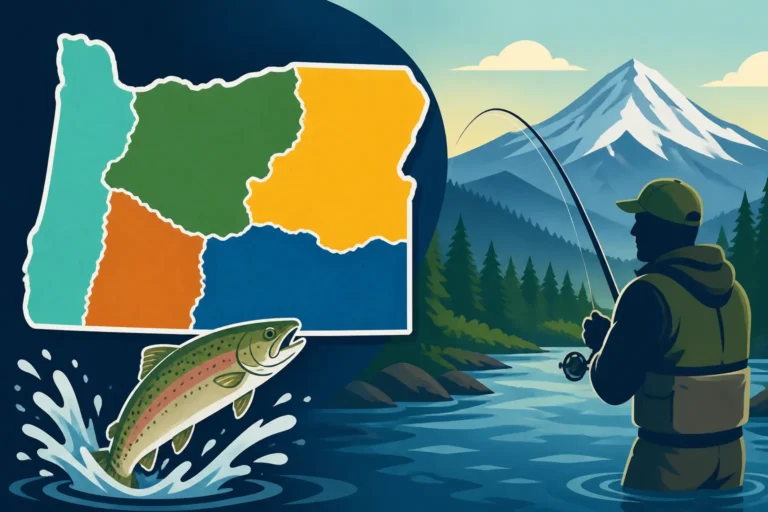
Oregon is divided into numerous fishing zones, and within those zones, individual rivers, lakes, and even sections of rivers can have highly localized rules. A prime example is the Columbia River, which often has different daily bag limits and catch-and-release rules for various salmon species depending on whether you're above or below Bonneville Dam, or even within specific areas of tributaries like the Willamette. It's not enough to know the statewide regulations; you must know the regulations specific to the exact spot where your hook is in the water.
This level of detail is critical for respecting catch-and-release mandates. For instance, you might be allowed to keep a certain number of hatchery trout in a particular lake, but if you venture just a few miles downstream into a designated wild trout stream, all trout might become catch-and-release. These nuances are explicitly laid out in the ODFW regulations, often accompanied by maps. Skipping this step, or relying on outdated information, is a recipe for trouble. Always confirm the rules for your intended fishing location, ideally by reviewing the official ODFW booklet or website.
Navigating Emergency Regulation Changes
Perhaps one of the most frustrating aspects of Oregon fishing regulations is their dynamic nature. Emergency closures, openings, or changes to catch-and-release rules can occur with little notice, often due to fluctuating fish returns, unusual weather patterns, or conservation needs. A river that was open for retention yesterday could be catch-and-release only today, or even completely closed. Relying solely on a printed regulation booklet purchased months ago can be dangerous, as it won't reflect these last-minute changes.
The ODFW publishes these emergency updates on its website, often through specific "Recreational Fisheries News" bulletins. Many dedicated anglers subscribe to ODFW email alerts or check the website daily before heading out. This is especially vital for highly managed fisheries like salmon, steelhead, and halibut. Failing to check for these emergency changes is a common oversight that can lead to unintentional violations of catch-and-release mandates. Make it a habit to confirm current conditions; it's the only way to stay truly compliant and ensure you're fishing responsibly.
Ethical Angling Practices Beyond the Rules
While following the letter of the law is essential, truly responsible angling goes beyond just avoiding fines. Ethical catch-and-release practices focus on maximizing the survival rate of every fish you release, even when retention is technically allowed. It's about respecting the resource and understanding that a healthy ecosystem is the foundation of our sport. These practices are often learned through experience and shared wisdom within the angling community.
Quick Release Techniques
The longer a fish is handled, or the longer it struggles on the line, the lower its chances of survival. Therefore, mastering quick release techniques is a cornerstone of ethical angling. One of the best strategies is to keep the fish in the water as much as possible. When you bring a fish to the net or shore, try to remove the hook without lifting it from the water. If the hook is visible and easily accessible, simply use your long-nosed pliers or forceps to twist it out. This minimal contact approach is incredibly effective, especially for smaller trout or panfish.
For larger fish, like salmon or steelhead, where a quick photo might be desired, prepare your camera before the fish is landed. Have it ready for a quick, in-water shot or a momentary lift, supporting the fish horizontally with two wet hands. Avoid putting fish on the bank or boat deck, even briefly. If the fish is exhausted, hold it gently in the current, facing upstream, allowing oxygenated water to flow over its gills until it kicks strongly and swims away. Never force it; let it regain its strength naturally. Being prepared with tools like a specialized hook remover, often available on Amazon, can greatly speed up the process.
The Role of Photos and Social Media in Responsible Angling
In today's digital age, sharing your catches on social media is a big part of the angling experience. However, it's crucial to ensure that your pursuit of a great photo doesn't compromise the survival of the fish you're releasing. Those "hero shots" of a fish held vertically by the jaw, or far out of the water, can inflict serious damage. Holding a fish by the jaw can dislocate it or damage ligaments, while prolonged exposure to air can cause irreparable gill damage and internal organ stress.
When taking photos of a fish intended for release, prioritize its welfare. Keep the fish low to the water, support its belly, and ensure your hands are wet. Get your shot quickly—a few seconds at most. If you want to show off a large fish, consider a "grip and grin" shot with the fish still in the net and partially submerged. Be mindful of the message you send; by demonstrating responsible handling in your photos, you become an ambassador for ethical angling, encouraging others to adopt best practices. This collective effort is key to ensuring that Oregon's Salmon and Steelhead Tag Requirements and catch-and-release efforts are truly effective.
Here's a quick guide to ethical catch-and-release best practices:
| Practice | Description | Why it Matters |
|---|---|---|
| Use Barbless Hooks | Pinch down barbs or buy barbless. | Reduces tissue damage, allows for easier, quicker hook removal, and minimizes stress. |
| Knotless, Rubberized Net | Use a net with soft, fine mesh made of rubber or coated material. | Protects the fish's delicate slime coat, fins, and eyes from abrasion and injury. |
| Minimize Air Exposure | Keep the fish in the water as much as possible. If lifting for a photo, keep it to a few seconds, support its belly, and avoid vertical holds. | Fish cannot breathe air; prolonged exposure causes gill damage, internal organ stress, and reduces oxygen uptake, leading to exhaustion and higher mortality rates. |
| Wet Hands | Always wet your hands thoroughly before touching a fish. | Protects the fish's protective slime coat, which is crucial for disease resistance. Dry hands can strip this vital layer. |
| Use Proper Tools | Have long-nosed pliers, forceps, or a hook remover readily available. | Allows for quick, efficient hook removal without excessive handling or putting fingers in the fish's mouth/gills. |
| Avoid Squeezing | Do not squeeze the fish's body, especially its belly or gills. | Prevents damage to internal organs, especially stomach, liver, and spleen, and avoids gill plate damage which impedes breathing. |
| Revive Gently | If a fish is lethargic, hold it gently in the water, facing upstream in a current, until it regains strength and swims away on its own. | Helps oxygenated water flow over the gills, aids recovery, and prevents the fish from floating away injured or becoming easy prey. |
| Know Regulations | Be familiar with species-specific, area-specific, and seasonal catch-and-release rules. Check for emergency updates. | Ensures compliance with the law and prevents accidental harm to vulnerable or protected populations. This is covered in our Oregon Fishing Regulations Explained guide. |
Understanding Penalties for Violating Catch-and-Release Rules
Ignoring or misunderstanding Oregon's catch-and-release rules isn't just a breach of ethical angling; it's a violation of state law with real consequences. Enforcement officers, often Oregon State Police Fish and Wildlife Troopers or ODFW wardens, are dedicated to protecting the state's natural resources and are well-versed in the intricate regulations. Getting caught on the wrong side of a catch-and-release rule can lead to significant financial penalties, loss of angling privileges, and in severe cases, even jail time.
Fines and Citations for Non-Compliance
The most immediate consequence of violating catch-and-release rules is a citation, which typically carries a monetary fine. The amount of the fine can vary dramatically depending on the severity of the offense, the species involved, and whether it's a first-time or repeat offense. For example, keeping a single wild steelhead or salmon in a mandatory release area could result in fines ranging from several hundred to over a thousand dollars. These aren't minor parking tickets; they are substantial financial penalties designed to deter illegal activity. Our article on Oregon Fishing Violations and Penalties delves into this topic in much greater detail.
Beyond the base fine, you might also face additional court fees and surcharges. In some cases, if the fish is particularly valuable or protected, such as a large sturgeon, the state might seek restitution for the market value of the illegally harvested fish, adding thousands more to the penalty. These penalties underscore the seriousness with which Oregon treats its conservation laws. It’s far more cost-effective and responsible to simply know and follow the rules, including ensuring you have the correct Oregon Combined Angling Tag Guide if needed.
Suspension of Fishing Privileges
For more serious or repeat offenses, violating catch-and-release rules can lead to the suspension or revocation of your Oregon fishing license. This means you could be legally barred from fishing in Oregon waters for a set period, ranging from a year to several years, or even permanently in extreme cases. This penalty can be particularly devastating for avid anglers who cherish their time on the water. If you're a non-resident, such a suspension could also impact your ability to purchase a fishing license in your home state or other states with reciprocity agreements.
The decision to suspend privileges is often made by the ODFW after a review of the violation, and it serves as a powerful deterrent. It sends a clear message that illegal fishing activities will not be tolerated and that responsible stewardship of our natural resources is paramount. Losing your right to fish can be a harsh reality, but it’s a consequence that aims to protect the resource for everyone who plays by the rules and purchases their Oregon Fishing License Guide annually.
Broader Legal Implications
In the most egregious cases, such as repeated violations, knowingly engaging in poaching, or illegally harvesting large quantities of protected species, the consequences can extend beyond fines and license suspensions. Anglers could face criminal charges, including misdemeanors or felonies, which can result in jail time. While rare, these outcomes highlight the severe nature of certain wildlife offenses. These charges can also have lasting impacts on your personal record, affecting employment opportunities or other aspects of your life.
Furthermore, state and federal agencies often work together to prosecute serious poaching cases. For example, if wild salmon or steelhead (which are often federally protected) are involved, federal charges could be brought. The penalties for violating federal wildlife laws are even more severe. The bottom line is that Oregon's catch-and-release rules are not suggestions; they are legally enforceable mandates backed by significant penalties. Knowing these rules, checking for How often do Oregon fishing regulations change and adhering to them is not only the right thing to do for the fish but also the smart thing to do for yourself.
Disclaimer
Please remember that fishing regulations are subject to change. While this guide aims to provide accurate and up-to-date information, it is not a substitute for the official Oregon Department of Fish and Wildlife (ODFW) regulations. Always consult the current year's ODFW Sport Fishing Regulations booklet and check for emergency rule changes on the ODFW website before heading out to fish. Your adherence to these rules ensures the continued health of Oregon's fisheries.