Best charter out of Charleston for tuna
If you've got your sights set on catching albacore tuna, and you're considering setting sail from Charleston, Oregon, you're in for a treat – and a bit of a challenge. Finding the absolute "best" charter can feel like looking for a needle in a haystack, especially when you want an epic offshore adventure that's safe, productive, and memorable. This guide is here to walk you through exactly what makes Charleston a fantastic tuna hub and how to pick the perfect charter for your deep-sea quest, ensuring you're well-prepared for the hunt for these powerful, fast-swimming giants.
Why Charleston is a Prime Spot for Tuna Fishing
Charleston, nestled on the stunning Oregon coast, might not always get the same glamour as some larger ports, but for albacore tuna, it's a hidden gem. Its geographical advantages make it a launchpad for some seriously exciting offshore action, drawing anglers who know a thing or two about chasing fish.
The Allure of Offshore Tuna
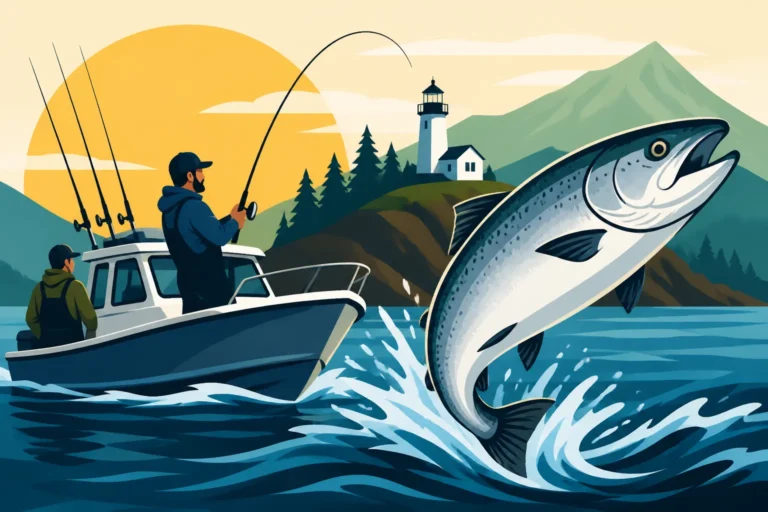
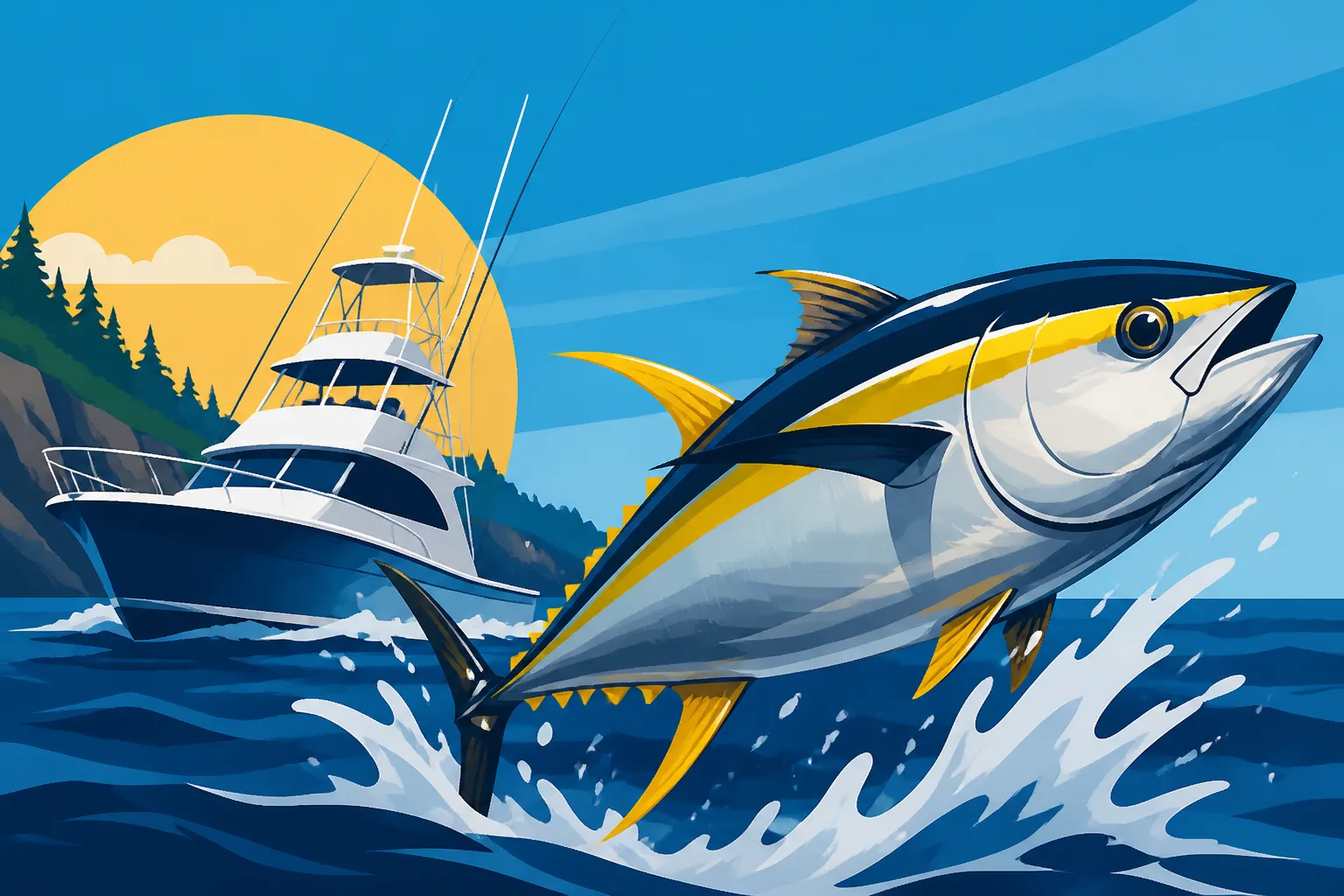
There's something uniquely thrilling about tuna fishing that captivates anglers. We're talking about albacore, known for their incredible speed and stamina. Hooking into one of these torpedoes is an experience unlike any other, often described as a sustained battle that tests both your strength and your tackle. Unlike bottom fish that might offer a quick tug and then come straight up, a tuna will scream line off your reel, making exhilarating runs and deep dives. It's a game of endurance, often involving long hours offshore, sometimes in bumpy conditions, all for that moment when you see the tell-tale shimmer of silver and blue breaching the surface. Many folks dream of filling their coolers with delicious albacore, perfect for canning, grilling, or making fresh sashimi. It's not just about the catch, though; it's the entire experience – the vastness of the ocean, the camaraderie with fellow anglers, and the sheer challenge of it all.
Charleston's Strategic Location for Tuna
What makes Charleston so special for tuna? It really boils down to its unique position on the central Oregon coast. You see, the continental shelf, where the ocean floor dramatically drops off into deeper water, is relatively close to shore here. This shelf break, along with nutrient-rich upwellings, creates an incredibly fertile environment that attracts baitfish, which in turn draws in pelagic predators like albacore tuna. These tuna follow warm water currents, often pushing within a reasonable run from Charleston's harbor.
When the warm water pushes in, and the bait schools gather, the tuna are often not far behind. Charter captains out of Charleston are intimately familiar with these ocean dynamics, knowing how to read sea surface temperature charts and chlorophyll data to predict where the tuna might be holding. This means less time cruising and more time with lines in the water, a huge plus when you're paying for an offshore adventure. The port itself provides easy access to the open ocean, without navigating extensive bays or river systems, getting you to the fishing grounds quicker. This prime location minimizes travel time, which is precious when you're heading 30 to 60 miles offshore to find those elusive albacore. It's one of the reasons Charleston shines for those looking specifically for tuna.
What to Look for in a Charleston Tuna Charter
Choosing the right charter out of Charleston for your tuna trip is paramount to having a successful and enjoyable experience. It's not just about finding any boat; it's about finding the right team and setup for such a demanding style of fishing. You want to make sure your hard-earned money is going towards a safe, productive, and memorable day on the water.
Experience and Reputation of the Crew
When you're heading miles offshore in search of albacore, the experience of your captain and crew is everything. You're entrusting them with your safety and your fishing success. A seasoned tuna captain operating out of Charleston will have years, if not decades, of experience reading the ocean, understanding weather patterns specific to the Oregon coast, and knowing the migratory habits of albacore. They should be experts at finding the "sign" – birds working, bait balls, temperature breaks – that indicate tuna are in the area.
Look for charters with a strong reputation. How long have they been operating? Do they specialize in tuna, or is it just one of many species they chase? Many experienced captains have built a loyal following because they consistently put clients on fish and prioritize safety above all else. Don't be shy about asking questions about their experience level or checking out their online reviews and testimonials. Platforms like FishingBooker can be incredibly helpful for this, as they aggregate reviews from past clients, giving you a realistic picture of a charter's performance and customer service. You'll want a crew that's not only skilled but also friendly and communicative, willing to teach you new techniques and make the trip enjoyable, even if the fish are playing hard to get. A good crew makes all the difference, transforming a tough day into a fun learning experience.
Vessel and Equipment Considerations
The boat itself, and the gear on board, are critical for a successful and safe tuna trip. Offshore conditions in Oregon can be unpredictable, so you need a vessel that is seaworthy, well-maintained, and designed for ocean fishing.
The Vessel:
Consider the size and type of boat. Larger, more stable boats often handle rougher seas better, which can be a huge comfort when you're way out on the Pacific. Does the boat have adequate deck space for multiple anglers to fight fish simultaneously without tangling lines? Is there a comfortable, dry cabin where you can escape the elements if needed? Safety equipment is non-negotiable: check for up-to-date navigation electronics, VHF radios, EPIRBs, life rafts, and plenty of life jackets. A good charter will be proud to show you their safety gear. Don't underestimate the importance of clean, functional facilities on board, too. A long day offshore calls for comfort where possible.
The Equipment:
Tuna fishing requires robust gear. The charter should provide high-quality rods and reels specifically designed for albacore, spooled with strong line. These fish fight hard, and cheap gear simply won't cut it. Ask about their tackle – are they using modern techniques like trolling jigs and spreader bars, or do they also have live bait setups if conditions call for it? Do they use appropriate fish-finding electronics, radar, and satellite weather systems? Ensuring the charter has top-notch equipment means less chance of break-offs and more chances of landing those prized tuna. It's also worth confirming if they provide all necessary terminal tackle, bait, and ice for your catch.
Trip Duration and Inclusions
Tuna charters are typically a full-day commitment, often lasting 10 to 14 hours. This duration is necessary because of the significant run time to offshore fishing grounds, which can be 30 to 60 miles or more, plus the time spent actively searching and fishing for tuna.
Typical Duration:
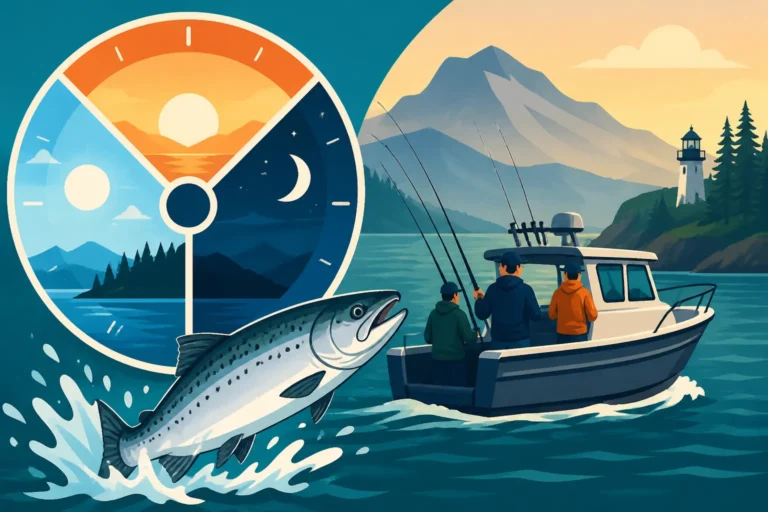
Most Charleston tuna charters will depart very early in the morning, often before sunrise, and return late in the afternoon. This long day allows for ample time to locate fish, troll, cast, and make the journey back. While the idea of such a long day can be daunting, remember that much of it is spent cruising or waiting between bites. Don't expect to be reeling fish constantly, but when the bite is on, it's fast and furious! Shorter trips are usually reserved for inshore bottom fishing or crabbing, not offshore tuna. You might also want to ask about Oregon Multi-Day Fishing License Options if you plan to extend your stay or fish multiple days.
What's Usually Included:
A reputable tuna charter will typically include:
- Experienced Captain and Crew: Essential for safety and success.
- Fuel: Given the distances traveled, this is a significant cost covered by the charter.
- Fishing Gear: Rods, reels, lures, and tackle specifically suited for tuna.
- Bait: If live baiting is an option or preferred method.
- Fish Cleaning: Many charters will fillet and bag your catch at the dock, which is a huge bonus after a long day.
- Safety Equipment: Life jackets, first aid, emergency communication.
What's Often Not Included:
It's crucial to clarify what you're responsible for bringing:
- Oregon Fishing License and Endorsements: You will need an Oregon Ocean Endorsement in addition to your Oregon Annual Angling License or Oregon 1-Day Fishing License.
- Food and Drinks: Pack plenty of snacks, lunch, and water, as you'll be out all day.
- Appropriate Clothing: Layers are key on the Oregon coast, even in summer.
- Sun Protection: Sunscreen, hat, sunglasses.
- Cooler for Your Catch: A large cooler with ice in your vehicle for the drive home is highly recommended, especially if you plan to bring home a good haul of tuna.
- Gratuity for the Crew: Tipping is customary and greatly appreciated for good service.
Make sure to confirm these details when booking, especially if you're comparing costs between different charters. Some might seem cheaper upfront but then charge extra for gear or fish cleaning.
Preparing for Your Tuna Adventure out of Charleston
A successful tuna trip from Charleston isn't just about the captain and the boat; it's also about how well you prepare. Being ready for the challenges of offshore fishing will make your experience much more enjoyable, even when the ocean decides to be less than perfectly cooperative.
Essential Gear and Personal Items
Heading out onto the open Pacific for a long day of tuna fishing requires more than just your enthusiasm. What you bring, and how you prepare, can greatly impact your comfort and enjoyment.
Clothing is Key:
Think layers, layers, layers! Even on a sunny summer day, the Oregon coast can be cool and damp in the early morning, scorching by midday, and then chilly again as evening approaches. Start with a moisture-wicking base layer, add a fleece or wool mid-layer, and top it with a waterproof and windproof outer shell. Good quality rain gear is essential – you'll thank yourself if the boat takes a bit of spray or if a rogue shower rolls through. Waterproof boots are also highly recommended to keep your feet dry on a wet deck. Don't forget a warm hat and gloves for the early morning ride out and the late return.
Personal Comfort Items:
Beyond clothing, consider these:
- Sun Protection: The sun's reflection off the water can be intense, even on cloudy days. Bring high SPF sunscreen, polarized sunglasses to reduce glare, and a wide-brimmed hat.
- Food and Drink: Pack more than you think you'll need. A long day of fishing burns calories. Sandwiches, granola bars, fruit, and plenty of water are good choices. Avoid overly greasy foods that might upset your stomach. A small personal cooler with your provisions is a good idea.
- Cooler for Catch: As mentioned, have a large cooler with plenty of ice waiting in your vehicle. You'll want to get your fresh tuna on ice as quickly as possible for optimal quality.
- Camera: To capture those epic moments, but make sure it's waterproof or in a protective case.
- Small backpack: To keep your personal items organized and dry.
Making sure you have What should I bring on an Oregon fishing charter covered will reduce stress and help you focus on the fish!
Dealing with Seasickness
Ah, seasickness. It's the bane of many offshore anglers, and it can turn an exciting adventure into a miserable ordeal. Offshore tuna trips from Charleston can often involve significant runs over open ocean, and conditions can change rapidly. Being prepared for seasickness is not a sign of weakness; it's smart planning.
Prevention is Best:
- Medication: Over-the-counter options like Dramamine or Bonine work well for many. Start taking them the night before your trip, and then again in the morning, following the package directions. Don't wait until you're feeling queasy! For some, prescription patches or medications from their doctor might be an option. Researching Best seasickness medicine for an ocean fishing charter can help you find options.
- Ginger: Natural remedies like ginger chews, ginger ale, or ginger snaps can help settle the stomach for some people.
- Hydration and Light Meals: Stay well-hydrated before and during the trip. Avoid heavy, greasy, or acidic foods the night before and the morning of. A light breakfast like toast or oatmeal is usually better than a greasy bacon and egg meal.
- Focus on the Horizon: Once on the boat, try to stay on deck in the fresh air and keep your eyes fixed on the horizon. Avoid looking down at your phone or reading.
- Stay Mid-Ship: The middle of the boat tends to have the least motion.
If It Hits:
Even with precautions, seasickness can sometimes creep up. If you start to feel unwell, let the crew know. They are experienced and can offer advice or assistance. Many boats have designated areas for those who need to get sick, and getting it out can sometimes bring relief. The good news is that for most people, seasickness subsides once they get their "sea legs" or when the boat anchors or slows down. Don't let the fear of seasickness deter you, but definitely take preventative measures seriously.
Understanding Tuna Season and Weather
Timing is everything when it comes to tuna, and so is Mother Nature. The tuna season off the Oregon coast is notoriously fleeting and weather-dependent.
Tuna Season:
Albacore tuna are migratory, following warm water currents. Typically, the Albacore Tuna Fishing Season off Oregon starts in late summer, usually July, and can run through September or even early October, depending on how long the warm water holds. However, these fish are pelagic, meaning they roam the open ocean, and their presence near the coast can fluctuate year to year and even week to week. Some years see early runs, others late. It's a dynamic fishery. Keep an eye on fishing reports from Charleston and surrounding areas to gauge the bite. Generally, the peak often occurs in August and early September.
Weather's Impact:
The Pacific Ocean off Oregon can be temperamental. High winds and large swells are common, and these conditions can make offshore tuna fishing impossible or, at the very least, unsafe and unpleasant.
- Cancellations: Charters will absolutely cancel trips for rough weather. It's a safety decision, and a reputable captain will never risk their crew or clients. Understand that Are Oregon fishing charters cancelled for rough weather? is a real possibility. Be prepared for this and have a backup plan.
- Forecasts: Always check the marine forecast in the days leading up to your trip. While conditions can change, it gives you an idea of what to expect.
- Flexibility: If you're traveling a long distance, try to build a day or two of flexibility into your schedule. This allows you to reschedule if your initial date is weathered out.
A good charter will communicate openly about weather conditions and potential cancellations. It's always better to be safe than sorry, even if it means missing a day on the water. For more general advice on seasonal fishing, check out Best Time of Year to Fish in Oregon.
Navigating Booking and Logistics for Your Trip
Once you've wrapped your head around the what and how of tuna fishing from Charleston, it's time to tackle the who and when. Booking a charter involves more than just picking a date; it's about making an informed decision that sets you up for success.
How to Find Reputable Charters
Finding a reputable charter can feel a bit overwhelming, especially if you're new to the Charleston fishing scene. However, with a few strategic steps, you can narrow down your options and find a great fit.
Online Research is Your Friend:
Start by searching for "Charleston Oregon tuna charters" or "deep sea fishing Charleston Oregon." Look at the websites of various charter companies. Do they seem professional? Is their information clear about what they offer, their boat, and their experience? Pay attention to photos – do the boats look well-maintained?
Read Reviews and Testimonials:
This is where platforms like FishingBooker really shine. These sites aggregate reviews from actual clients, giving you unfiltered feedback on captains, crews, boats, and overall trip quality. Look for consistent themes: do people praise the captain's knowledge, the crew's helpfulness, or the boat's comfort? Be wary of charters with consistently negative reviews or an absence of reviews altogether. You can also check Google reviews or social media pages. While one bad review might be an anomaly, a pattern of complaints should give you pause.
Word-of-Mouth:
If you know other anglers who have fished out of Charleston, ask for their recommendations. Personal referrals are often the most trustworthy. Stop by local tackle shops in Charleston or Coos Bay; the folks working there often have great insights into which charters are doing well and who the reliable captains are. They're usually happy to share their knowledge with enthusiastic anglers.
Remember, a reputable charter isn't always the cheapest, but they offer peace of mind, experienced guidance, and a commitment to safety and a quality experience. You're investing in an adventure, and finding the right guide is a huge part of that.
Asking the Right Questions Before Booking
Once you've identified a few potential charters, it's time to pick up the phone or send an email. Don't hesitate to ask specific questions. A good captain or booking agent will be happy to provide clear answers.
Here's a checklist of questions to consider:
- Availability and Pricing: "What dates do you have open for tuna trips in [desired month]?" and "What is the total cost for a tuna charter, and what does that include?" Remember, Oregon Fishing Charter Costs can vary. Clarify deposit requirements and refund policies, especially regarding weather cancellations. Some charters may be featured on booking sites like FishingBooker, which can streamline the process, but direct communication is still vital.
- License Requirements: "What licenses and endorsements do I need, and are they included or do I need to purchase them separately?" Reconfirming your Oregon Fishing License Guide needs is crucial.
- Typical Trip Length: "How long is a typical tuna trip from Charleston?" (As discussed, expect a long day!). You can also inquire if they have Oregon Multi-Day Fishing License Options if you are planning to spend several days fishing.
- What to Bring: "What personal items should I bring (food, drink, clothing, cooler for fish)?"
- Fish Cleaning: "Is fish cleaning included, or is there an extra charge?"
- Crew Size and Assistance: "How many crew members are typically on board to assist with fishing and safety?" And "How many anglers does the boat comfortably accommodate?"
- Tuna Success Rate: "What's your typical success rate for tuna, and what happens if we don't catch fish?" While no captain can guarantee fish, they should be able to speak to their past performance and effort.
- Emergency Procedures: "What safety equipment is on board, and what are your emergency procedures?" This question can reassure you about their commitment to safety.
By asking these questions, you'll gain a clear understanding of what to expect, avoid any surprises, and ensure the charter aligns with your expectations for an Oregon Salmon Fishing Techniques or Tuna Charter Trips off Oregon adventure. Don't forget that How far in advance should you book an Oregon salmon charter is a good question to ask too, especially for peak season, as tuna trips are just as popular.
| Feature | Typical Inclusion (Often) | Potential Exclusion (Ask to Confirm) |
|---|---|---|
| Captain/Crew | Yes, experienced & licensed | Extra crew for specialized tasks (e.g., deckhand) |
| Fishing Gear | Yes, rods, reels, basic lures | High-end custom lures, specialized tackle |
| Bait | Yes, if applicable (e.g., live bait, cut bait) | Specific premium bait choices |
| Fuel | Yes, entire trip | N/A (usually always included) |
| Safety Equipment | Yes, life jackets, first aid, comms | Personal comfort items (e.g., specific first aid) |
| Fish Cleaning | Yes, basic filleting/gutting at dock | Vacuum sealing, advanced processing |
| Fishing License | No, angler's responsibility | No |
| Food/Drinks | No, angler brings own | No |
| Cooler for Catch | No, angler brings own to transport | No |
| Gratuity | No, angler's discretion | No |
| Seasickness Meds | No, angler brings own | No |
Embarking on a tuna fishing adventure from Charleston, Oregon, is an exhilarating experience that combines the thrill of the chase with the beauty of the open Pacific. By understanding what makes Charleston a prime location, carefully selecting a reputable charter with experienced crew and appropriate gear, and diligently preparing for the offshore conditions, you're setting yourself up for success. Remember to ask all the right questions, take preventative measures for seasickness, and be mindful of the season and unpredictable coastal weather. With thoughtful planning, your quest for albacore will not only be productive but will create lasting memories of a truly epic Oregon fishing journey.
Disclaimer
This article is for general informational purposes only and does not constitute professional advice. Laws, prices and regulations vary by location and change over time. Consult a qualified professional for guidance on your specific situation.