When does Oregon halibut season typically close
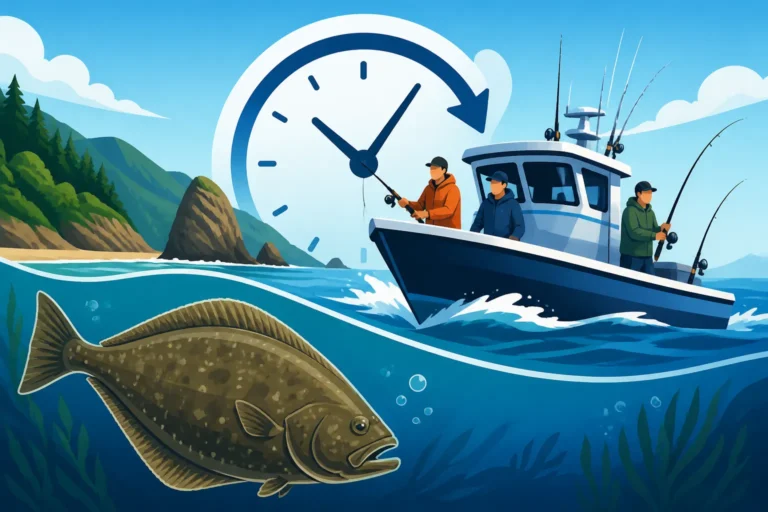
If you've ever tried to plan an Oregon halibut trip, you know the sinking feeling of checking the regulations, only to find the season has closed unexpectedly. It’s incredibly frustrating when you’ve got your gear ready, maybe even a charter booked, and then a sudden announcement pulls the rug out from under your plans. This guide is here to help you understand why Oregon's halibut season closures can seem so abrupt and how you can stay on top of the latest information, so you’re never left scrambling.
Understanding Oregon's Halibut Season Structure
Navigating the intricacies of Oregon's halibut season can feel like trying to hit a moving target with your eyes closed. It's not just a matter of a single open and close date, but rather a complex system designed to protect this incredible fishery. For many anglers, the constantly shifting landscape of season dates and quotas is a major source of confusion and disappointment.
Why Halibut Seasons are So Dynamic
Pacific halibut are an amazing fish, but they're also slow-growing and highly prized, which means they're susceptible to overfishing if not managed carefully. That's why their management isn't a simple, static affair. Instead, it's a dynamic dance between science, conservation, and fishing pressure. International agreements, like those set by the International Pacific Halibut Commission (IPHC), dictate overall catch limits across the Pacific. Then, federal agencies like NOAA Fisheries, in conjunction with state agencies such as the Oregon Department of Fish and Wildlife (ODFW), further break down these quotas into specific allocations for different areas and different types of fisheries – commercial, recreational all-depth, and recreational nearshore.
This multi-layered approach means that the "rules" aren't just decided once a year and set in stone. They're constantly being evaluated based on scientific stock assessments, projected catch rates, and actual fishing effort. When you hear that the season closed early, it’s not because someone arbitrarily decided to end it; it’s usually a direct response to the fishery reaching its scientifically determined limit to ensure future populations remain healthy. It can definitely feel like the rules are always changing, and that's a valid frustration, but it's all in the name of sustainable fishing, which benefits us all in the long run. To get a better grasp on the overall rules, check out our guide on Oregon Fishing Regulations Explained.
How ODFW Manages the Halibut Fishery
The ODFW plays a pivotal role in managing the recreational halibut fishery off Oregon's coast. Their primary tool is the quota system, where a specific poundage of halibut is allocated for recreational anglers in different zones. For example, the ocean waters off Oregon are often divided into sub-areas, each with its own quota and sometimes different rules or season structures. You might hear about the "all-depth" fishery, which targets halibut in deeper waters, and the "nearshore" fishery, typically for shallower waters closer to shore. Each of these has a separate quota.
ODFW carefully monitors catch data throughout the season, using reports from fish processors, creel surveys at boat ramps, and even logbooks from charter operators. They project when the catch limit for a particular fishery or area is likely to be met. Once those projections indicate the quota is about to be reached, the season for that specific area or fishery is closed. The challenge for ODFW, and for anglers, is that fishing effort isn't always predictable. A sudden string of good weather days can lead to a surge in fishing activity and an accelerated catch, causing a quota to be met much faster than initially projected. This is precisely why it's so difficult for them to pick a fixed date and stick with it, which can be tough for those of us planning trips far in advance.
Typical Halibut Season Closure Scenarios
When the Oregon halibut season comes to an end, it’s rarely a gentle fade. More often than not, it's a firm closure announcement that can catch anglers off guard. Understanding why and how these closures typically happen is key to not being left high and dry on the dock.
Quota Attainment Closures
This is, overwhelmingly, the most common reason for the Oregon halibut season to close. Imagine ODFW allocates a certain poundage of halibut for the recreational all-depth fishery off the central Oregon coast. As charter boats and private anglers head out and catch their limits, those pounds are tallied against the overall quota. ODFW continuously monitors these numbers, often on a weekly or even daily basis when the season is active and fishing pressure is high.
When the state agency projects that 80-90% of that quota has been met, or is about to be met, they will issue a public announcement stating that the season for that particular fishery will close on a certain date, sometimes with only a few days' notice. For instance, the general all-depth season might close down, but the nearshore fishery might continue for a while longer, having its own, smaller quota to manage. Or, if the season has been structured with specific "fixed-date" openings (e.g., every Thursday, Friday, and Saturday in August), and the catch from the early fixed days was exceptionally high, ODFW might announce that subsequent fixed dates are cancelled because the overall quota has been exhausted.
This quick turnaround can be incredibly disheartening. You might have booked a charter for a specific date months in advance, only to find out the fishery closed the week before your trip. This isn't just a frustration for you, but for the charter captains and tackle shops too, who rely on a predictable season. Reputable charter services often try to keep their clients updated, and platforms like FishingBooker can sometimes provide insights into current season statuses, but the official ODFW channel is always the ultimate source.
Weather and Unforeseen Events
While not a direct "closure" mechanism like quota attainment, weather plays a huge, often underestimated, role in when the season actually closes. A prolonged period of bad weather – strong winds, heavy seas, or thick fog – can keep boats in port, effectively slowing down the catch rate and potentially extending the season by delaying when the quota is met. Anglers might grumble about lost fishing days, but in some ways, it can buy the fishery more time.
Conversely, a sustained stretch of beautiful, calm ocean weather can accelerate things dramatically. More boats get out, more fish are caught, and the quota can be reached much faster than ODFW’s initial projections. This often leads to those sudden, earlier-than-expected closure announcements. It's a double-edged sword: everyone wants good weather for their trip, but a run of perfect days across the fleet can bring the season to an abrupt halt. It’s tough when you finally get a bluebird weather window, only to find the season has just closed because everyone else took advantage of the same conditions. This unpredictability is a significant factor when considering the Best Time of Year to Fish in Oregon for halibut.
How to Stay Updated on Halibut Season Closures
Given the dynamic nature of Oregon’s halibut seasons, staying informed is not just helpful, it's absolutely crucial if you want to maximize your chances of success and avoid disappointment. Relying on outdated information or hearsay is a recipe for a missed opportunity.
Official ODFW Resources
The Oregon Department of Fish and Wildlife (ODFW) website is your absolute best friend for current and accurate halibut season information. This is the official source, and it's imperative to consult it regularly, especially as your planned trip approaches. Don't let the sheer amount of information overwhelm you; focus on the specific sections related to marine zone regulations and recreational halibut.
Here’s what to look for:
- ODFW Marine Zone Updates: ODFW maintains dedicated webpages specifically for recreational marine fishing updates. These pages are often updated weekly, or even more frequently during active halibut seasons, with catch estimates and projections for when quotas might be met.
- Recreational Halibut Fishery Pages: These pages will detail the specific regulations for the all-depth and nearshore fisheries, including open days, bag limits, and, most importantly, closure announcements.
- Subscription Services: One of the smartest moves you can make is to sign up for ODFW's email or text alert system. This ensures you receive timely notifications about quota updates, projected closure dates, and final closure announcements directly to your inbox or phone. This bypasses the need to constantly check the website yourself and is the best way to get real-time, official news.
It's true, government websites can sometimes feel like a maze, but pushing past that initial frustration to find the right page is worth it. Make it a habit to check at least once a week in the weeks leading up to your trip, and then daily if the season is projected to close soon.
Connecting with Local Expertise
Beyond the official ODFW channels, tapping into local expertise is an invaluable strategy for staying informed. The people who are on the water every day, or supporting those who are, often have the most current street-level intelligence.
- Charter Operators and Fishing Guides: These professionals are literally in the business of knowing the current regulations and season statuses. They track ODFW updates meticulously, often receiving direct communications or attending briefings. If you've booked an Oregon Halibut Charter Guide or any Oregon Fishing Charter Guide, your captain will generally keep you informed about potential changes. Don't hesitate to call your guide a week or two before your trip to confirm the halibut season status. Many guides also post updates on their social media pages or websites. Platforms like FishingBooker allow you to connect with many of these guides directly, making communication easy.
- Local Tackle Shops and Marinas: These establishments are community hubs for anglers. The folks working the counter at your favorite tackle shop in Newport, Depoe Bay, or Astoria live and breathe fishing. They're talking to returning anglers, charter captains, and other local experts all day long. They can offer insights into fishing conditions, current catch rates, and whether the buzz is that a season closure might be imminent.
- Online Fishing Forums and Social Media Groups: While these aren't official sources, they can provide a good pulse on local sentiment and fishing activity. Just be sure to always cross-reference any information with official ODFW announcements.
Building relationships with local experts not only keeps you informed but can also enhance your overall fishing experience. They are a wealth of knowledge not just on closures, but on tactics, bait, and conditions.
Planning Your Halibut Trip Around Potential Closures
The inherent unpredictability of Oregon's halibut season closures means that a strategic approach to trip planning is essential. While you can't control when the quota is met, you can control how you prepare for potential changes, turning what could be a disappointment into an opportunity.
The Benefit of Flexibility
If you have your heart set on targeting halibut, a degree of flexibility in your travel plans can be a game-changer. This is especially true if you're traveling a long distance for your trip.
- Backup Dates: If your schedule allows, consider booking a trip that offers some flexibility with dates. Some Oregon Fishing Charter Costs might reflect options for rescheduling. Perhaps you can book a trip earlier in the season when quotas are less likely to be met, or have a few potential dates in mind that your charter captain can work with if the primary date falls victim to a closure.
- Mid-Week Trips: Weekends often see the highest fishing pressure, which can deplete quotas faster. If you're able to fish mid-week, you might encounter less crowded conditions and potentially more stable season projections.
- Booking Early (with caution): While booking an Oregon Halibut Charter Guide early can secure your preferred dates, especially during peak times, it also means you're booking further out from the most current quota information. Always confirm the charter's cancellation or rescheduling policy in case of an ODFW-mandated closure. A reputable charter, like many found on FishingBooker, will have clear policies for such situations. For more on this, read our post Best Month to Book a Halibut Charter in Oregon.
- Understanding Permit Requirements: Remember that you’ll need an Oregon fishing license and likely an Oregon Ocean Endorsement to fish for halibut. These permits are usually valid for a certain period, so be mindful of their expiration dates relative to any rescheduled trips.
It's completely understandable to feel frustrated when you only get one week off a year and want to make the most of it. The key is to mitigate risk by having a backup plan and staying vigilant with your information sources.
Considering Alternative Species During Halibut Closures
One of the best ways to combat the frustration of a halibut closure is to remember that Oregon’s coast offers a phenomenal diversity of other fishing opportunities. Even if halibut is off the table, a great day on the water is still very much within reach!
- Bottom Fishing for Lingcod and Rockfish: This is a fantastic alternative and often available when halibut is closed. Lingcod are aggressive, hard-fighting fish, and rockfish (like black rockfish, sea bass) are plentiful and delicious. The Oregon Ocean Endorsement typically covers these species as well. Charters frequently offer dedicated bottom fishing trips, or even combo trips if halibut is open for part of the day. Learn more about How to Fish for Lingcod and Rockfish in Oregon.
- Tuna Fishing: If you're visiting in late summer or early fall, and the weather windows permit, albacore tuna can be an exhilarating option far offshore. These trips are typically longer and require specific gear, but the action can be incredible.
- Crabbing: If you're sticking closer to shore or fishing bays like Tillamook or Yaquina, crabbing for Dungeness crab can be a fantastic way to spend a day and bring home a delicious meal. Many charters even offer crabbing add-ons.
- River Fishing: Don't forget the incredible river fisheries Oregon boasts. While you're on the coast, you're not far from rivers teeming with salmon and steelhead at various times of the year. Consider the opportunities available with your Oregon Combined Angling Tag Guide.
By having these alternative species in mind, you transform a potential disappointment into a flexible fishing adventure. You're not just a halibut angler; you're an Oregon angler, ready to adapt and enjoy whatever the bountiful Pacific has to offer. The cost of a How long is a halibut charter trip off Oregon trip can be considerable, so having a backup plan helps ensure your investment still yields a great experience.
| Halibut Season Type | General Characteristics | How it Relates to Closure |
|---|---|---|
| All-Depth Fishery | Targets halibut in deeper waters (over 40 fathoms). Often has larger overall quotas. | Most susceptible to quota attainment closures. Can close suddenly with limited notice once ODFW projects the quota is met. |
| Nearshore Fishery | Targets halibut in shallower waters (under 40 fathoms). Smaller quotas, usually less pressure. | May have different open/closed dates than all-depth. Can close independently when its smaller, separate quota is reached. |
| Fixed-Date Seasons | Specific dates announced in advance (e.g., certain days of the week in July and August). | If catch rates are unexpectedly high on early fixed days, ODFW may cancel later fixed days to stay within the overall quota. |
| Open-Date Seasons | Announced as open for an extended period "until quota is met." Requires constant monitoring. | High risk of sudden closure notices as ODFW actively tracks catch. Can close at any time during the announced period. |
Understanding when Oregon halibut season typically closes means staying on top of the dynamic nature of the fishery. It's not about a single fixed date, but a careful balancing act by ODFW to ensure sustainable fishing for everyone. While closures can be frustrating, being proactive by checking official ODFW resources, signing up for alerts, and leveraging the knowledge of local experts and charters, like those you can find on FishingBooker or through guides in Newport Oregon Fishing Charters, will significantly improve your planning. Embrace flexibility, consider alternative species, and remember that even when halibut isn't an option, the stunning Oregon coast still offers incredible angling adventures.
Disclaimer
This article is for general informational purposes only and does not constitute professional advice. Laws, prices and regulations vary by location and change over time. Consult a qualified professional for guidance on your specific situation.