What is included in an Oregon fishing charter price
It’s super common to feel a little overwhelmed when you’re looking into booking an Oregon fishing charter. The prices can seem straightforward at first glance, but then you start wondering about all the little things that might add up. Does that upfront cost really cover everything, or are there hidden fees lurking? This guide is here to demystify what’s typically included in an Oregon fishing charter price, helping you budget accurately and avoid any unwelcome surprises.
The Core Essentials: What's Usually Rolled into an Oregon Fishing Charter Price?
When you look at that advertised price for an Oregon fishing charter, a good chunk of it goes towards the absolute necessities that make the trip possible. These are the bedrock elements you can almost always count on being covered. It’s the basic package that gets you out on the water, whether you're targeting salmon on the Columbia or bottom fish off Newport.
The Boat, Crew, and Fuel
First and foremost, the price you pay covers the use of the fishing vessel itself. This isn't just a simple boat ride; it's a specialized fishing machine, equipped for whatever species you're pursuing. Along with the boat, you're paying for the invaluable expertise of the captain, who holds all the necessary licenses and knows the local waters like the back of their hand. Many charters also include a deckhand or two, especially on larger boats, who are there to assist with everything from rigging lines to netting fish.
This core inclusion also covers the fuel needed for the trip. Oregon's fishing grounds, especially for ocean charters, can be quite a ways out. The cost of fuel, which can fluctuate wildly, is an internal operational expense for the charter, so you won't see it broken out as a separate line item. It’s simply part of the package that ensures you reach those prime fishing spots, like the productive waters off Garibaldi or the deep reefs near Depoe Bay.
It’s easy to overlook the value of an experienced crew, but they are truly the backbone of a successful charter. They handle all the navigation, keep an eye on weather patterns, and are often excellent teachers, patiently guiding novices through the fishing process. Their knowledge of where the fish are biting and what techniques work best is paramount, and that experience is baked into the price of your adventure.
Standard Fishing Gear and Bait
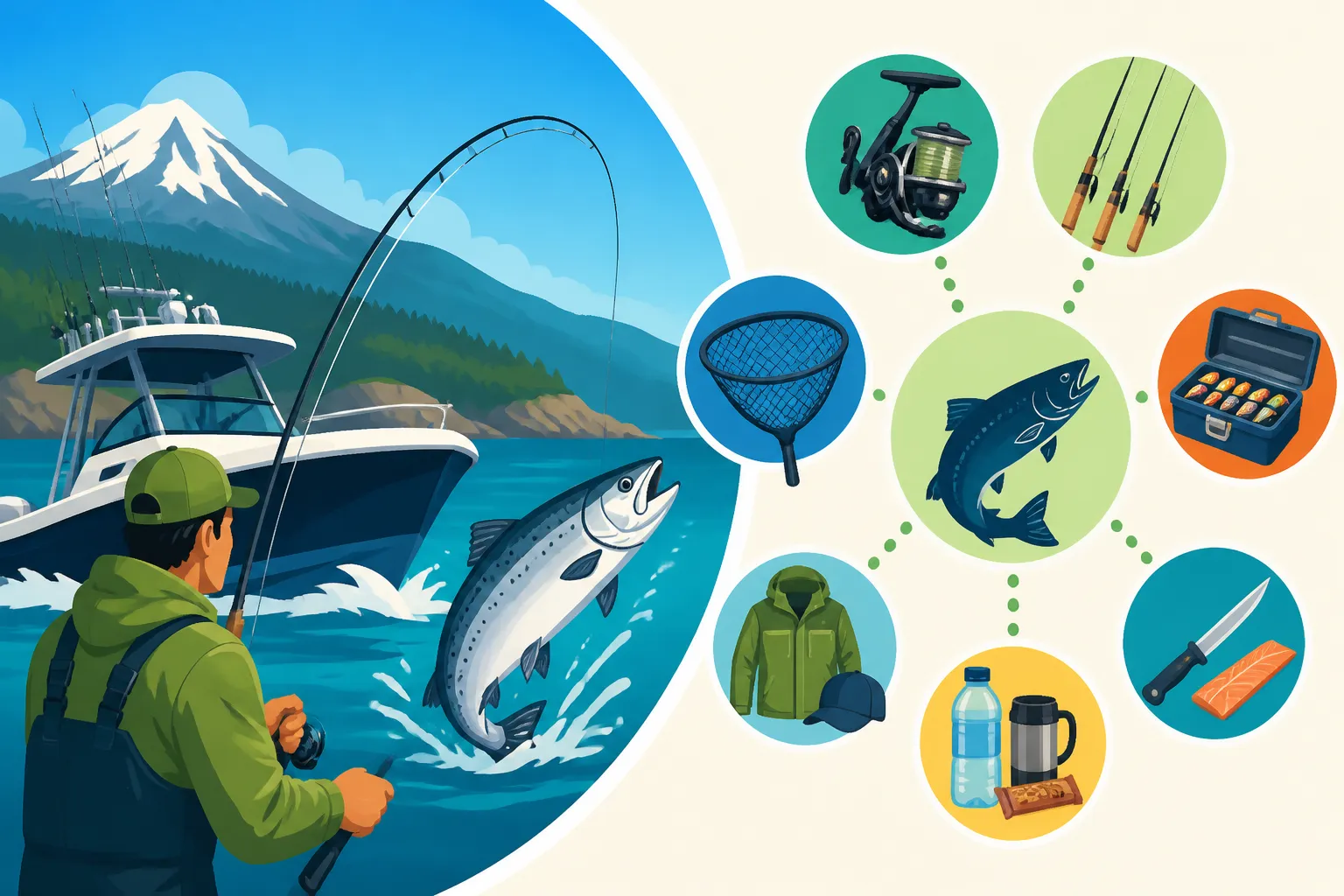
Another significant inclusion in most Oregon fishing charter prices is the provision of standard fishing gear and bait. You don't need to show up with your own rod, reel, and tackle box unless you specifically want to; the charter will have everything you need. This typically means quality rods and reels appropriate for the target species, whether it's heavy-duty gear for Oregon Salmon Fishing Techniques or lighter setups for bottom fishing.
This also extends to the terminal tackle – hooks, weights, leaders, and often, the lures or bait necessary for the day’s fishing. For a salmon trip, this might include fresh herring or anchovies, while a bottom fishing excursion could involve squid or various jigs. The crew will usually have everything pre-rigged and ready to go, saving you the hassle and ensuring you're using gear that's proven effective in local conditions.
Consider the wear and tear on this equipment. Rods get snapped, reels get abused, and tackle gets lost to snags or feisty fish. The charter company factors these replacement costs into their overall pricing. So, while you're using their gear, you're not typically on the hook for minor losses or breakages that are just part of a normal fishing day. Of course, intentional damage or egregious loss might be a different story, but for the average angler, your gear needs are completely covered.
Beyond the Basics: What Often Comes with an Added Cost?
While the essentials are usually covered, many first-time anglers are surprised to learn about additional costs that aren't included in the base charter price. These are important to understand and budget for, as they can significantly impact your total outlay.
Fishing Licenses, Tags, and Endorsements
This is probably the most common area of confusion, and it's absolutely critical: fishing licenses, tags, and endorsements are almost never included in the price of an Oregon fishing charter. The reason is simple: these are personal permits, tied to you as an individual angler, not to the boat or the captain. You are legally responsible for possessing the correct documentation before you even step foot on the vessel.
For anyone over the age of 12, you'll need a basic Oregon Fishing License Guide. Beyond that, depending on what you're fishing for and where, you might need additional tags or endorsements. For instance, if you're chasing salmon or steelhead in the ocean or specific rivers like the Columbia, you'll need an Oregon Combined Angling Tag Guide. If your charter is heading offshore into the Pacific, an Oregon Ocean Endorsement is a must. And for fishing certain areas of the Columbia River, there's even an Oregon Columbia River Basin Endorsement that can come into play.
It's paramount to purchase these before your trip. You can often buy them online through the Oregon Department of Fish and Wildlife (ODFW) website, or at many sporting goods stores across the state. Many charter operators will remind you of this, and some even provide links, but the responsibility ultimately rests with you. A reputable charter will check for these before departure, and if you don't have them, you won't be able to fish, and you'll likely forfeit your charter fee. When browsing for trips on platforms like FishingBooker, you'll often see clear notes about these license requirements.
Food, Drinks, and Personal Comfort Items
While some high-end or longer duration charters might offer light snacks or bottled water, it's generally best to assume that food and drinks are not included in your charter price. Think of it like bringing your own picnic for an outing. You'll want to pack enough water, juice, or soda to stay hydrated, and any snacks or a packed lunch to keep your energy up throughout the day. A thermos of coffee on a chilly morning can be a real lifesaver!
Beyond sustenance, personal comfort items are also your responsibility. Oregon weather can be famously unpredictable, especially on the coast or in the mountains. Layers of clothing are key – think warm base layers, a fleece, and a waterproof outer shell, even on what looks like a sunny day. Sunscreen, sunglasses, and a hat are essential for protection against glare and UV rays. If you're prone to seasickness, bringing your preferred motion sickness medication is a must, and it's wise to take it before you even board the boat.
Many anglers also bring a cooler for their personal drinks and snacks, and often, an additional empty cooler to transport their catch home. While charters typically have ice to keep your fish fresh during the trip, having your own cooler ensures your prized salmon or halibut makes it back to your kitchen in prime condition. Always check with your captain about cooler space onboard, especially on smaller vessels.
Fish Cleaning and Processing
Ah, the satisfying end to a successful fishing trip: cleaning your catch! This is another area where inclusions can vary. Many Oregon charters will clean your fish for you, often right on the dock or even on the boat ride back. This usually means gutting and gilling the fish, and sometimes filleting them into ready-to-cook portions. However, this service is often performed by the deckhands for a gratuity, rather than being explicitly included in the upfront charter price.
It’s always a good idea to clarify the charter's policy on fish cleaning when you book. Ask "Does the charter clean and fillet your fish?" and "Is fish cleaning included in the charter price?" Some charters might charge a small, separate fee for filleting, especially for larger or more numerous fish, while others simply expect it to be covered by the tip. Understanding this beforehand will help you budget for the full experience.
Think about how you want your fish handled. If you prefer whole fish, or specific cuts, communicate that to the crew. They are usually very accommodating. Keep in mind that cleaning fish can be a messy and time-consuming job, so appreciating the crew's effort through a tip for this service is generally the norm.
Tipping, Tackle Loss, and Unexpected Fees
Even with the main inclusions and common exclusions understood, there are still a few other financial considerations that can arise during or after your Oregon fishing charter. These often revolve around the human element and the inherent risks of fishing.
Gratuities for the Crew
Just like in the restaurant industry, tipping your fishing charter crew is customary and deeply appreciated. These folks work incredibly hard, often starting before dawn, to put you on fish, ensure your safety, and make your trip enjoyable. Their days are long, physically demanding, and often dictated by the whims of weather and fish. The base price of the charter covers their wages, but a gratuity is a direct recognition of their excellent service, hard work, and expertise.
A good rule of thumb for tipping is 15-20% of the total charter price, especially if you had a great experience, the crew was helpful, and you caught fish. If the crew went above and beyond, or if conditions were tough but they still worked tirelessly, a more generous tip is always welcome. If you had a less than stellar experience (which, let's be honest, can happen), you can adjust accordingly, but remember that the crew can't control the fish or the weather.
It's common to hand the tip directly to the captain at the end of the trip, or ask who you should give it to. Many crew members rely heavily on tips to supplement their income, so budgeting for this upfront is part of being a prepared and appreciative angler. When researching on a site like FishingBooker, you might find notes or recommendations regarding tipping, reinforcing its importance.
Lost Gear and Damaged Tackle
As mentioned earlier, normal wear and tear on the provided fishing gear is typically absorbed by the charter. A hook breaking, a sinker snagging, or even a line snapping under the strain of a big fish – these are expected parts of fishing, and you won't be charged for them. However, there's a difference between accidental loss and negligence.
If you accidentally drop a rod and reel overboard, or somehow damage equipment through carelessness (e.g., stepping on a rod, breaking a reel handle through misuse), the charter might charge you for the replacement cost. High-end rods and reels can be expensive, and charters need to protect their investment. It's always a good idea to ask about their policy on lost or damaged gear during booking, particularly if you're a bit accident-prone or are bringing kids who might be less careful.
Most anglers won't ever encounter this specific cost, as charter crews are usually very diligent about demonstrating proper gear handling. But it's worth being mindful of the equipment you're using. These are tools of their trade, and treating them with respect is part of being a responsible guest on their boat.
Getting the Best Value: How to Understand Charter Pricing
Navigating the various price points and offerings of Oregon fishing charters can feel like a puzzle, but with a bit of savvy, you can ensure you're getting the best bang for your buck and enjoying a fantastic fishing adventure. Understanding the different structures and knowing what questions to ask are key.
Comparing Charter Offerings and Price Structures
Oregon offers a diverse range of fishing experiences, and charter prices reflect this variety. You'll typically encounter a few common price structures. Many ocean charters, especially those targeting halibut or tuna, are priced "per person" because they aim to fill the boat to maximize efficiency and cost-effectiveness. This means you might be sharing the boat with other anglers who you don't know, which can be a great way to meet new people and share stories.
Alternatively, some charters, particularly for river fishing for salmon or steelhead on the Deschutes River Fishing Guide or Rogue River Fishing Guide, are often priced as a "private boat" or "full boat" rate. This means you book the entire boat for your group, regardless of how many people you bring (up to the vessel's legal capacity). This offers a more intimate experience, tailored exclusively to your group's preferences. When comparing Oregon Fishing Charter Costs, consider which type of experience you're after and how it aligns with your budget and group size.
It's also crucial to look at the duration of the trip. You'll find half-day, full-day, and sometimes even multi-day options. Obviously, longer trips cost more, but they also offer more fishing time and often venture further to less pressured spots. When using resources like FishingBooker, pay close attention to the detailed descriptions of each charter. They often clearly lay out what's included, what's extra, and the specific type of trip being offered, which helps immensely in making an informed comparison.
Asking the Right Questions Before You Book
The best way to avoid any surprises and ensure you're getting exactly what you expect is to communicate clearly with the charter operator before you book. Don't be shy about asking questions! Reputable charters want you to have a great time and will be happy to provide all the information you need.
Here’s a checklist of essential questions to consider asking:
- "What about fishing licenses and tags? Do I need to purchase them separately, and if so, which ones?" This is the most critical question.
- "Is fish cleaning included in the price, or is there an extra fee/gratuity expected for that service?"
- "What should I bring on an Oregon fishing charter?" This helps clarify what personal items are needed, like food, drinks, and appropriate clothing.
- "What's your policy on lost or damaged tackle?" Understanding this upfront provides peace of mind.
- "Are there any other potential fees or costs I should be aware of?" A direct question like this helps uncover anything not explicitly stated.
- "What are the typical gratuity expectations for the crew?" This helps you budget for tipping.
Getting these answers in writing, perhaps through an email confirmation, can provide an extra layer of clarity. A clear understanding of what’s included and what’s not will go a long way in ensuring your Oregon fishing charter is a smooth, enjoyable, and budget-friendly adventure from start to finish.
| Feature / Service | Typically Included in Charter Price | Often an Additional Cost / Not Included |
|---|---|---|
| Boat, Captain, Crew | ✅ Yes | ❌ No |
| Fuel for the Trip | ✅ Yes | ❌ No |
| Standard Fishing Gear | ✅ Yes | ❌ No |
| Bait and Basic Lures | ✅ Yes | ❌ No |
| Fishing License | ❌ No | ✅ Yes |
| Combined Angling Tag | ❌ No | ✅ Yes |
| Ocean Endorsement | ❌ No | ✅ Yes |
| Columbia River Basin End. | ❌ No | ✅ Yes |
| Food and Drinks | ❌ No (generally) | ✅ Yes (bring your own) |
| Personal Comfort Items | ❌ No (e.g., rain gear, sunscreen) | ✅ Yes (bring your own) |
| Fish Cleaning/Filleting | ❌ No (often for gratuity/fee) | ✅ Yes (gratuity expected or small fee) |
| Gratuity for Crew | ❌ No | ✅ Yes (customary 15-20%) |
| Lost/Damaged Tackle | ❌ No (if due to negligence) | ✅ Yes (for significant loss/damage) |
Disclaimer
This article is for general informational purposes only and does not constitute professional advice. Laws, prices and regulations vary by location and change over time. Consult a qualified professional for guidance on your specific situation.