Which Oregon lake holds the state record brown trout
It's a dream every serious angler shares: the thrill of hooking into a truly monstrous fish, one that makes your reel scream and your arms ache. For many in Oregon, that dream centers on the elusive brown trout, a species known for its cunning, its beauty, and its tendency to grow to truly impressive sizes. But where do these giants live? Anglers often wonder which specific waters hold the potential for such a catch, especially when it comes to the ultimate prize: a state record. This guide will take a deep dive into the legendary Oregon lake that holds the current brown trout state record, revealing its secrets and providing insights into how you might pursue your own trophy.
The Elusive Brown Trout and Oregon's State Record
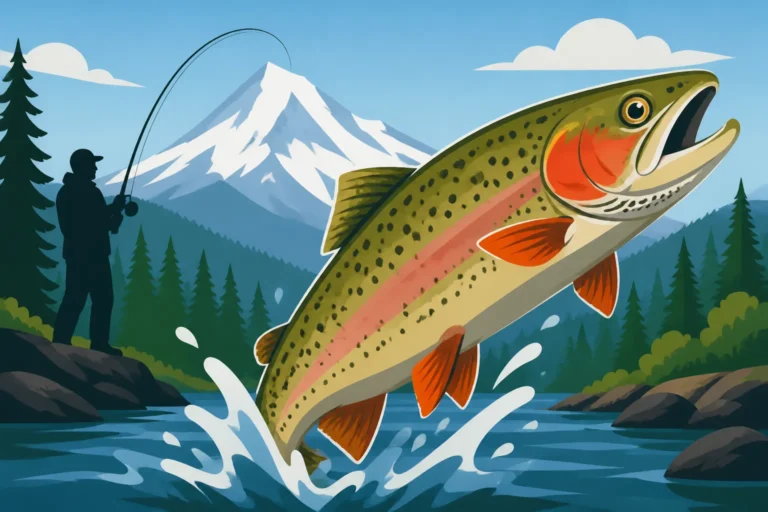
Brown trout, with their striking golden-brown flanks, red spots, and creamy bellies, are a revered game fish across the globe, and Oregon is no exception. They possess a reputation for being wily, often preferring to hide in structure and ambushing their prey, making them a formidable challenge for even seasoned anglers.
Why Brown Trout Capture Our Imagination
What is it about brown trout that truly captivates us? Perhaps it's their sheer predatory nature. Unlike some other trout species that might be more opportunistic feeders, brown trout, especially the larger ones, are apex predators in their aquatic environments. They develop a taste for larger prey items like smaller fish, crayfish, or even mice that fall into the water. This means targeting them requires a different mindset, often focusing on larger presentations and understanding their ambush points. The fight they put up, characterized by powerful runs and head shakes, is also legendary, often pushing an angler and their gear to the limit. They're not just a fish; they're an experience, a true test of skill and patience.
Beyond the fight, their aesthetic appeal is undeniable. A wild brown trout, pulled from cold, clear water, is a stunning creature. Their color patterns can vary widely depending on their habitat, ranging from dark, almost black backs in tannin-stained waters to vibrant gold and bronze in sunnier, rock-bottomed lakes. These qualities combine to make the pursuit of a trophy brown trout an obsession for many, a quest for that perfect specimen that embodies strength, beauty, and wildness. You can learn more about these fascinating fish in our comprehensive guide, Brown Trout in Oregon.
Unveiling Oregon's Record-Holding Lake
For decades, anglers have pursued brown trout across Oregon's diverse waterways, from high mountain lakes to meandering rivers. But when it comes to the undisputed heavyweight champion, the current state record brown trout was pulled from the magnificent waters of Wallowa Lake. This deep, glacial lake, nestled in the stunning Wallowa Mountains of northeastern Oregon, is the home of the legendary 28-pound, 5-ounce brown trout caught by David K. Johnson in 2002. This monumental catch set the bar incredibly high and etched Wallowa Lake into Oregon's angling history books as the premier destination for trophy brown trout.
Imagine the moment David K. Johnson hooked into that fish – the sheer power, the raw struggle against a creature of that size in the deep, cold waters of Wallowa Lake. It's the kind of story that gets told and retold around campfires and fishing boats, inspiring countless others to try their luck in those very same waters. This record isn't just a number; it's a testament to the potential that lies hidden beneath the surface of this remarkable lake, and a beacon for those dreaming of their own record-breaking catch.
The Significance of a State Record
A state record fish is more than just bragging rights; it's a benchmark, a point of pride, and often a major draw for tourism and angling interest. For Wallowa Lake, holding the brown trout record solidifies its reputation as a world-class fishery, not just for brown trout but for other species as well, including its famous kokanee salmon. This recognition can bring both positive and negative attention. On one hand, it highlights the incredible natural resources Oregon has to offer and encourages anglers to visit and support local businesses. On the other hand, increased pressure can sometimes impact fish populations if not managed carefully.
Knowing where the record fish came from also provides invaluable clues to anglers. It suggests specific conditions, forage bases, and habitat types that are conducive to growing truly massive trout. It encourages researchers to study the lake's ecosystem, potentially leading to better management practices that can sustain such a fishery for future generations. For the individual angler, it fuels the ambition to one day challenge that record, pushing them to hone their skills and understand their quarry even better. If you're curious about other giants caught in the state, be sure to check out Oregon Record Fish Guide.
A Deep Dive into the Record Lake and Its Unique Ecosystem
Wallowa Lake isn't just any body of water; it's a unique geological marvel with an ecosystem perfectly suited to growing trophy brown trout. Understanding what makes this lake tick is crucial for anyone hoping to land a lunker.
What Makes This Lake So Special for Brown Trout?
Wallowa Lake's exceptional depth and cold, clear, nutrient-rich waters are fundamental to its ability to produce such immense brown trout. Carved by glaciers, the lake plunges to depths of over 200 feet in some areas, providing ample cold-water sanctuary for large, mature fish even during the warmer months. This deep, cold environment ensures that oxygen levels remain high year-round, which is critical for the health and growth of large trout. The lake's structure is also key, featuring steep drop-offs, underwater ledges, and rocky points that provide ideal ambush points and hiding spots for predatory brown trout.
However, the real secret sauce of Wallowa Lake for brown trout is its incredibly rich forage base. The lake is teeming with kokanee salmon, which are essentially landlocked sockeye salmon. These smaller, schooling fish are a primary food source for growing brown trout. Imagine a brown trout with an endless buffet of protein-rich kokanee swimming by; it’s no wonder they reach such gargantuan sizes. Additionally, the lake likely supports populations of various baitfish like sculpins, and potentially chubs or other smaller fish, all contributing to the brown trout's diet. This abundance of high-quality food allows brown trout to expend less energy hunting and more energy growing, leading to exceptional size and weight.
Seasonal Considerations for Targeting Trophy Browns
Targeting trophy brown trout in Wallowa Lake is definitely a seasonal game, and timing can make all the difference. While these fish are present year-round, their activity levels and locations change dramatically with water temperature and spawning cycles.
- Spring (April-June): As the ice comes off (if it freezes) and water temperatures begin to rise, brown trout become very active. They'll often move into shallower areas, particularly around inflows and structure, looking to feed heavily after a colder, less active winter. This is an excellent time for casting large jerkbaits or trolling spoons and minnow imitations along the edges of drop-offs. The kokanee population also starts to become more active, drawing the browns out to feed.
- Summer (July-August): During the warmest months, the largest brown trout retreat to the deepest, coolest parts of the lake. They'll often be found near the thermocline (the layer where water temperature changes rapidly) or in areas with deep structure. This is prime time for downrigging with large plugs or bait, targeting suspended fish. Early mornings and late evenings can also see them venture slightly shallower.
- Fall (September-November): Many consider autumn to be the absolute best time for trophy brown trout. As water temperatures cool, the browns become incredibly aggressive, feeding heavily in preparation for winter and their own spawning season (which typically occurs later in the fall). They'll move into shallower areas again, often near tributary mouths or rocky shoals. Trolling large stickbaits or casting heavy spoons and swimbaits can be incredibly effective. This is when the biggest browns are often caught, including the current state record.
- Winter (December-March): If the lake freezes over, Wallowa Lake can offer unique ice fishing opportunities for brown trout. They might be slower, but still feed. In open water, fishing remains possible, often with slower presentations in deeper water.
Understanding these seasonal movements and feeding behaviors, and pairing them with a good understanding of the lake's topography, will significantly increase your chances of success. Our guide Oregon Fishing Seasons Explained offers broader insights into seasonal fishing patterns across the state.
Access and Amenities for Anglers
Getting to Wallowa Lake and enjoying its fishing opportunities is relatively straightforward, although it's a bit of a drive for many Oregonians, being located near the town of Joseph in the northeastern corner of the state. The primary access points for boaters are typically public boat ramps, often found around the southern end of the lake near the town of Wallowa Lake. These ramps usually have ample parking for trailers, though it's always wise to check for any launch fees or specific regulations before heading out.
For those without a boat, there are several shore fishing opportunities, particularly around the lake's edges and in areas where public land provides access. However, given the lake's depth and the brown trout's preference for deeper water and structure, a boat or kayak often provides the best advantage for targeting the biggest fish. The town of Joseph and the surrounding area offer a charming array of lodging options, from vacation rentals and cabins to motels and campgrounds. You'll find bait and tackle shops where you can pick up local favorites and get up-to-the-minute advice on conditions. It's always a good idea to consult the Oregon Department of Fish and Wildlife (ODFW) regulations booklet specifically for Wallowa Lake, as there can be special rules regarding bag limits, gear restrictions, or even specific seasons for certain species. Being prepared ensures a smooth and legal fishing trip. Always double-check Oregon Fishing Regulations Explained before you go!
Strategies for Pursuing Trophy Brown Trout in the Record Lake
Landing a trophy brown trout, especially one from a lake known for its giants like Wallowa, requires a blend of the right gear, the right bait, and the right techniques. It's not just about luck; it's about preparation and persistence.
Recommended Gear and Tackle
When you're chasing fish that can exceed 20 pounds, you can't show up with ultralight gear. You need to be prepared for a serious fight.
- Rods and Reels: A medium-heavy to heavy action spinning or baitcasting rod, typically 7 to 9 feet long, is a good starting point. This length provides the leverage needed to cast large lures and control powerful fish. Pair this with a robust reel in the 4000-6000 series for spinning reels, or a comparable baitcaster with a strong drag system. A smooth, reliable drag is absolutely non-negotiable when a monster brown decides to make a run for it.
- Line: Spool up with 15-25 pound test monofilament or fluorocarbon main line, or consider 30-50 pound braided line with a fluorocarbon leader of 15-25 pound test. Braided line offers superior sensitivity and strength, while fluorocarbon leaders are less visible in the clear water and provide abrasion resistance. For trolling, many anglers prefer specific lead core lines or copper lines to get lures down to precise depths without additional weight. You can easily find a wide array of options for lines and leaders on Amazon, ensuring you're ready for any situation.
- Terminal Tackle: Heavy-duty swivels, snaps, and split rings are essential. Standard components might fail under the strain of a huge brown. Ensure your hooks are sharp and strong; consider upgrading trebles on store-bought lures if they seem flimsy.
Remember, every component in your setup is a link in a chain. A single weak link can mean losing the fish of a lifetime. Investing in quality gear, particularly for these trophy-class fish, is a wise decision.
Top Baits and Lures for Record Browns
Trophy brown trout are primarily piscivorous, meaning they eat other fish. Your bait and lure selection should reflect this predatory diet.
- Large Swimbaits: These lures are designed to imitate the baitfish brown trout feed on, such as kokanee, trout, or sculpins. Hard-bodied swimbaits, soft-plastic swimbaits rigged on heavy jig heads, or even glide baits can be incredibly effective. Look for models in the 6-inch to 10-inch range, mimicking the size of prey a big brown would target. Brands like Savage Gear or Deps offer excellent choices, which you can often find readily available on Amazon.
- Jerkbaits and Stickbaits: Long, slender jerkbaits that suspend or slowly sink are excellent for working over structure or along drop-offs. These lures can be retrieved with a twitch-pause retrieve, mimicking a wounded baitfish, which is irresistible to an aggressive brown. Larger Rapala models or similar designs are popular.
- Spoons: Classic trolling spoons, especially those with iridescent or silver finishes that mimic flashing baitfish, can be highly effective. They wobble enticingly at various trolling speeds and can be fished at different depths with downriggers or weighted lines.
- Cut Bait: For a more natural presentation, cut bait, such as herring, anchovies, or even sections of kokanee (where legal), can be fished on a snelled rig with a sliding sinker. This is often done by still-fishing or slow-trolling, particularly in deeper areas. The scent trail can draw in lethargic browns.
- Plugs and Crankbaits: Larger, deep-diving plugs that reach the cruising depth of big browns can be very productive when trolled. These create a lot of vibration and mimic larger prey.
Experimentation is key, but generally, think "big bait, big fish." The brown trout in Wallowa Lake are accustomed to preying on substantial meals, so don't be afraid to throw something sizeable. For a broader look at bait options, check out Oregon Bait and Lure Guide.
Effective Fishing Techniques
Matching your technique to the season, the lake's structure, and the brown trout's behavior is paramount.
- Trolling: This is arguably the most popular and effective method for covering water and finding trophy brown trout in large lakes like Wallowa. Using a boat, you drag lures (swimbaits, spoons, plugs) behind at varying speeds, often with the aid of downriggers, lead core line, or Dipsy Divers to get them to specific depths. Experiment with speeds and lure colors until you find what triggers bites. Watch your fish finder for schools of baitfish or larger arcs that could be browns.
- Casting to Structure: Brown trout love structure. This includes rocky points, submerged humps, weed lines (if present), and sharp drop-offs. Identify these areas using your electronics or a topographical map. Position your boat to cast large swimbaits or jerkbaits to these areas, working the lure back with a retrieve that mimics wounded prey. Early mornings and late evenings are often the best times for this method, as browns move shallower to feed.
- Drifting/Still Fishing with Bait: When fish are lethargic or concentrated in a specific area, drifting a live or cut bait (where legal and appropriate) under a float or on a bottom rig can be deadly. This allows the scent to disperse and the bait to appear natural. This is particularly effective in deeper channels or around known thermal refugia.
- Jigging: While less common for the largest browns, vertical jigging with heavy spoons or blade baits can entice strikes from fish holding tight to structure in deeper water. This is more effective when you can pinpoint fish on your sonar.
Regardless of the technique, patience and persistence are your greatest allies. Trophy brown trout don't come easy, and often it's the angler who puts in the time, meticulously works their chosen spots, and constantly adapts to conditions who ultimately finds success.
Beyond the Record Lake: Other Oregon Brown Trout Hotspots
While Wallowa Lake rightfully holds the crown for the state record, Oregon is blessed with many other fantastic brown trout fisheries. Expanding your horizons can offer diverse angling experiences and still provide opportunities for impressive catches.
Other Lakes Known for Large Browns
Oregon has a number of lakes that consistently produce quality brown trout, even if they haven't yielded a state record yet. These lakes offer varied fishing experiences and can be excellent alternatives or additions to your brown trout pursuit.
- East Lake and Paulina Lake (Newberry Crater): These two high-altitude lakes in Central Oregon are legendary for their brown trout fishing. They offer a pristine, scenic backdrop and are known for producing browns in the 5-10 pound range regularly, with larger ones occasionally caught. Both lakes have excellent forage bases, including kokanee and various baitfish. Anglers often troll with lures or use flies here.
- Crane Prairie Reservoir: Located southwest of Bend, Crane Prairie is famous for its large rainbow trout, but it also harbors a healthy population of brown trout that benefit from the reservoir's rich ecosystem. Browns here can grow large by preying on the abundant forage. Fishing around submerged timber and channels is often productive.
- Lake Billy Chinook: This large, multi-armed reservoir in Central Oregon is known for its kokanee, bull trout, and large brown trout. The sheer size and complex structure of the lake provide ample habitat for browns to grow. Trolling deep with large plugs or fishing with bait are common methods.
- Wickiup Reservoir: Another large reservoir in Central Oregon, Wickiup, offers good opportunities for browns, especially around its numerous islands and submerged structures. It’s a popular spot for both boat and shore anglers.
Each of these lakes presents its own unique challenges and rewards, making them excellent destinations for anglers dedicated to chasing brown trout. For a broader perspective on where to cast your line, consider exploring Best Lakes to Fish in Oregon.
River Opportunities for Trophy Browns
While lake-dwelling browns are often the ones that achieve state record size due to consistent forage, many of Oregon's rivers also hold impressive brown trout. River browns typically don't reach the same immense sizes as their lake counterparts, but they are often more aggressive, incredibly challenging to catch on light tackle, and offer a completely different angling experience, particularly for fly anglers.
Rivers like the Metolius River (with its unique wild, native browns), sections of the Crooked River, and some of the smaller tributaries in Eastern Oregon can hold stunning brown trout. These fish are often found in deep pools, under cut banks, or behind large boulders, waiting to ambush insects or smaller fish. Fly fishing with streamers, nymphs, or dry flies can be incredibly productive, as can spin fishing with small spinners or carefully presented jerkbaits. The constant flow and changing conditions of a river require a keen eye and precise presentation. While you might not land a 20-pounder, a 20-inch river brown is a true trophy in its own right and offers an exhilarating fight in moving water. For those interested in river fishing, Best Rivers to Fish in Oregon can provide more options.
Conservation and Ethical Angling Practices
With the pursuit of trophy fish comes a great responsibility for conservation. Large brown trout, especially those pushing or exceeding double-digit weights, are often older, slower-growing fish that are crucial for the genetic health of the population. Catching one of these giants is an incredible feat, but releasing it carefully ensures that it can continue to spawn and contribute to the fishery, potentially even growing larger for another angler to enjoy in the future.
Practicing catch-and-release with care is vital. Use barbless hooks, minimize handling time, keep the fish in the water as much as possible, and revive it gently before release. Even if you plan to keep a fish within legal limits, handling it responsibly up until the point of retention is always the best practice. Adhering to all local and state regulations, including specific bag limits, size restrictions, and gear requirements, is not just a legal obligation but an ethical one. You can find comprehensive details on regulations in Oregon Fishing Regulations Explained. By being responsible stewards of our fisheries, we ensure that the thrill of pursuing trophy brown trout in Oregon remains a possibility for generations to come.
| Lake Name | Primary Brown Trout Forage | Known for Trophy Size? | Best Season for Big Browns | Typical Angling Method |
|---|---|---|---|---|
| Wallowa Lake | Kokanee, Baitfish | Yes (State Record) | Fall | Trolling (deep), Casting |
| East/Paulina Lake | Kokanee, Insects | Yes (5-10 lbs) | Spring, Fall | Trolling, Fly Fishing |
| Crane Prairie Res. | Baitfish, Crayfish | Yes (Quality Fish) | Spring, Fall | Trolling, Casting |
| Lake Billy Chinook | Kokanee, Sculpins | Yes (Large Fish) | Fall, Winter | Trolling (deep) |
| Wickiup Res. | Baitfish, Insects | Yes (Good Size) | Spring, Fall | Trolling, Casting |
Disclaimer
This article is for general informational purposes only and does not constitute professional advice. Laws, prices and regulations vary by location and change over time. Consult a qualified professional for guidance on your specific situation.