Which Oregon fish species are catch-and-release only
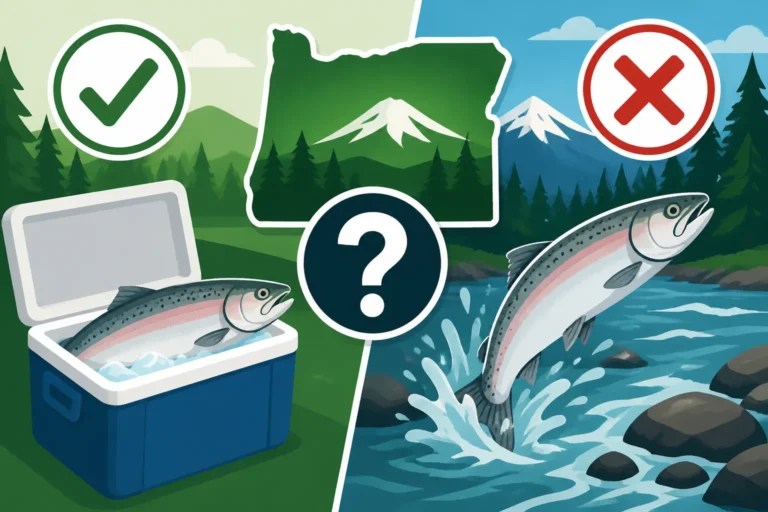
It's incredibly frustrating when you're out on the water, you hook into a beautiful fish, and then a wave of uncertainty hits you: "Can I actually keep this one? Or do I have to let it go?" Oregon's fishing regulations, while designed for the health of our fisheries, can sometimes feel like a labyrinth, especially when it comes to understanding which species are strictly catch-and-release. This guide is here to untangle that confusion, providing you with clear insights into which Oregon fish species are designated as catch-and-release only, and why these rules are so vital for the future of our beloved aquatic ecosystems.
The Importance of Catch-and-Release for Oregon's Fisheries
Catch-and-release isn't just a suggestion; for certain species and in specific situations across Oregon, it's a mandatory act of conservation. It's a cornerstone of modern fisheries management, allowing us to enjoy the thrill of fishing while actively contributing to the sustainability and recovery of vulnerable fish populations. Without these regulations, some of Oregon's most iconic and ecologically important fish would face immense pressure, potentially leading to their decline.
Protecting Native and Vulnerable Populations
Oregon is blessed with an incredible diversity of fish, from the anadromous giants of the Pacific to the delicate trout of alpine lakes. Many of these species, particularly certain runs of salmon and steelhead, are native to our waters and have faced significant challenges over the years due to habitat loss, climate change, and historical overfishing. Catch-and-release rules specifically target these vulnerable populations, giving them the best possible chance to reproduce and maintain healthy numbers.
Think about a wild winter steelhead in a coastal river. These fish have battled their way upstream, sometimes hundreds of miles, to spawn. If every angler kept every wild steelhead they caught, their numbers would plummet. Mandating catch-and-release ensures that these incredible fish can fulfill their life cycle, safeguarding the genetic diversity and resilience of the entire run. It's a way for us, as anglers, to directly participate in the recovery and protection of these precious resources.
Sustaining Future Generations of Fish
The goal of any good fisheries management plan is to ensure there are fish for future generations. Catch-and-release plays a critical role in this by allowing mature, spawning-age fish to return to their spawning grounds, contributing their genes to the next cohort. This is especially important for species with complex life cycles or those that take many years to reach maturity.
It's a testament to our collective responsibility. When you release a healthy fish, you're not just letting go of a single catch; you're releasing potential – the potential for hundreds, even thousands, of offspring. This practice allows state fishery managers to fine-tune harvest limits on more abundant hatchery-reared fish while offering protection to wild stocks, providing angling opportunities without depleting the natural resource. It creates a balance, allowing us to experience the joy of fishing without compromising the health of the ecosystem.
Primary Species Under Catch-and-Release Rules in Oregon
While specific regulations can change based on location, time of year, and even emergency closures, several key species and populations in Oregon are frequently, or almost exclusively, managed under catch-and-release rules. Knowing these beforehand is crucial for any responsible angler. It's not just about avoiding a penalty; it's about respecting the fish and the delicate balance of their environment. You'll always want to consult the current Oregon Fishing Regulations Explained booklet or online synopsis.
Wild Steelhead: Oregon's Iconic Battle
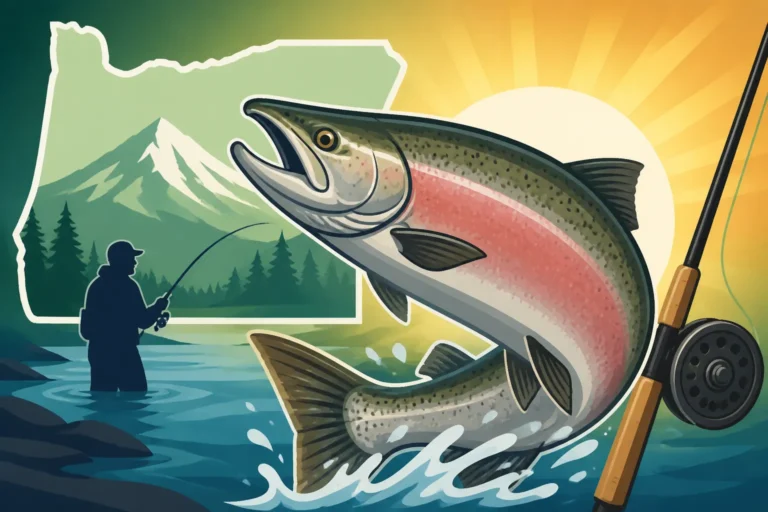
Wild steelhead, both winter and summer runs, are arguably the most prominent fish species subject to strict catch-and-release in most, if not all, of Oregon's rivers. These magnificent, ocean-going rainbow trout are highly prized sport fish, known for their incredible fighting spirit. However, many wild steelhead populations are listed as threatened under the Endangered Species Act, making their conservation a top priority.
For instance, if you're fishing on the Deschutes River for summer steelhead or on one of the coastal rivers like the Nestucca or Wilson for winter steelhead, you will almost certainly be required to release any wild steelhead you catch. Hatchery steelhead, which are typically identified by a missing adipose fin (a small fleshy fin between the dorsal and tail fin), can often be retained within specific bag limits. But their wild counterparts, with their intact adipose fins, must be carefully released unharmed. This distinction is critical and requires anglers to be able to accurately identify their catch quickly and gently. Check the Oregon Steelhead Guide for more details.
Bull Trout: A Protected Gem
Bull trout are another species that are almost universally catch-and-release in Oregon. These stunning char are native to cold, clean waters in parts of Eastern Oregon and the Cascades. They are a protected species and are extremely sensitive to habitat degradation and environmental changes. Catching one is a special event, but keeping one is strictly prohibited.
Areas like the Metolius River or certain high-mountain lakes in the Cascades are known for bull trout, and anglers lucky enough to encounter them must handle them with the utmost care and release them immediately. It's not just about their protected status; it's about appreciating their rarity and their role as an indicator of healthy, pristine aquatic environments. They often coexist with other trout species, so careful identification is key when fishing in their known habitats.
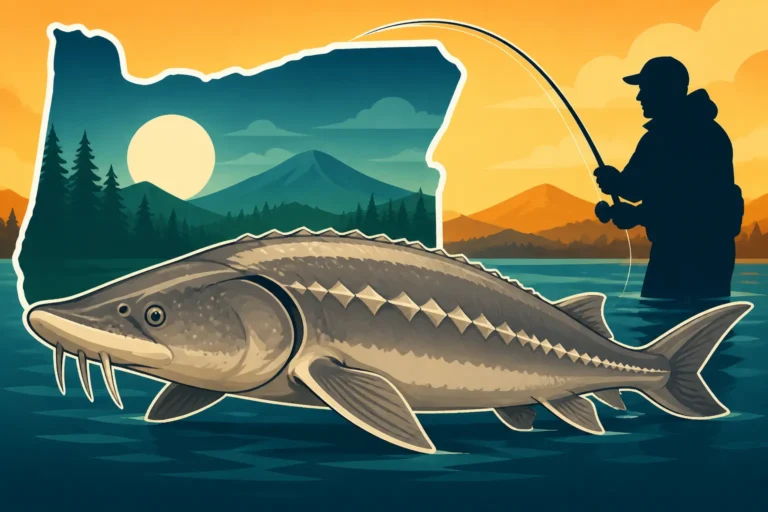
White Sturgeon: Guardians of the Deep
The majestic white sturgeon, North America's largest freshwater fish, also falls under specific and often complex catch-and-release regulations in many Oregon waters, particularly the Columbia River. While there are sometimes limited retention seasons for sturgeon in certain zones and at specific times of the year, a significant portion of the fishery, especially for oversized and undersized fish, is strictly catch-and-release.
For example, on the lower Columbia River, there's a specific "slot limit" for sturgeon retention, meaning only fish within a certain length range can be kept during open seasons. Any sturgeon outside that slot – whether too small or too large – must be released. These very large, mature sturgeon are the prime breeders, and protecting them is vital for the species' long-term survival. Handling these powerful fish requires proper technique and often specialized gear to ensure a safe and quick release. Understanding the Oregon Sturgeon Guide is paramount for any sturgeon angler.
Specific Salmon Runs and Locales
While many salmon runs in Oregon are open for retention with specific bag limits and seasons, there are instances where certain populations or areas are designated as catch-and-release. This often occurs for wild salmon populations that are struggling, or during specific times of the year when retention would unduly impact spawning stocks.
You might encounter catch-and-release rules for wild spring Chinook salmon in certain river sections, or for specific runs of coho salmon that are under conservation measures. These rules are highly dynamic and localized. For instance, a tributary of the Willamette River might have different rules for wild Chinook than the main stem. It’s absolutely vital to check the current ODFW fishing regulations for the specific river and zone you plan to fish, right before you head out. These details are often updated frequently, especially for anadromous fish like salmon.
Understanding and Implementing Catch-and-Release Effectively
Knowing which fish are catch-and-release is only half the battle. The other crucial part is knowing how to effectively implement catch-and-release practices to give the fish the best chance of survival. A poorly handled release can be just as detrimental as keeping the fish.
Deciphering the Regulations: Your Angler's Bible
Oregon's fishing regulations are published annually by the Oregon Department of Fish and Wildlife (ODFW). They are your ultimate authority and should be consulted without fail before every fishing trip. The regulations are broken down by zone, species, and often by specific river or lake. It's a lot to take in, but understanding it is your responsibility as an angler.
Don't just skim it; read it. Pay close attention to sections on:
- Bag Limits: This tells you how many fish you can keep. A limit of "0" often means catch-and-release.
- Size Limits: For some species, fish outside a specific length range (undersized or oversized) must be released.
- Season Dates: Rules often change by season. What's open for retention in spring might be C&R in fall.
- Special Regulations: Look for language like "All wild XYZ species must be released unharmed."
- Emergency Regulations: These can be issued mid-season due to sudden changes in fish populations or environmental conditions. Always check the ODFW website for the most current updates before you go.
Many anglers find it helpful to download the PDF to their phone or even pick up a physical copy at a license vendor. The more familiar you are with the Oregon Fishing Regulations Explained, the more confident you'll feel on the water.
Identifying Your Catch: Wild vs. Hatchery Markers
One of the most frequent distinctions in Oregon fishing regulations is between wild and hatchery-reared fish. This is particularly true for salmon and steelhead. The primary way to tell them apart is by checking for an adipose fin clip.
- Hatchery Fish: Most hatchery-reared salmon and steelhead in Oregon are "fin-clipped," meaning their adipose fin (the small, fleshy fin on their back between the dorsal fin and the tail) has been removed. This is done when they are very young, leaving a smooth area where the fin should be. These are often the fish that are legal for retention, allowing anglers to harvest hatchery stock while protecting wild populations.
- Wild Fish: Wild fish will have a fully intact adipose fin. If you catch a fish with this fin, it's wild, and in many areas, it must be released.
It's a simple yet critical identification. Get into the habit of gently checking for the adipose fin immediately after landing a fish. Clear photos and illustrations are available in the ODFW regulations, or you can find numerous examples of How to tell a wild steelhead from a hatchery steelhead online. Practice identifying this crucial marker, as it dictates your next action on the water.
Best Practices for Safe Release to Ensure Survival
Catch-and-release only works if the fish actually survive the encounter. Minimizing stress and injury is paramount. Here are some best practices:
-
Use Appropriate Gear:
- Barbless Hooks: Many C&R fisheries in Oregon require barbless hooks. They make hook removal much easier and cause less tissue damage. You can easily crimp the barb on most hooks with a pair of pliers.
- Stronger Tackle: Don't "play" the fish to exhaustion. Use tackle that's heavy enough to bring the fish in quickly, minimizing its fight time and lactic acid buildup.
- Rubberized Landing Nets: These nets are much gentler on a fish's scales, fins, and protective slime layer than knotless nylon or cord nets. You can find excellent options for rubberized nets at sporting goods stores and online retailers like Amazon.
- De-hooking Tools: Long-nosed pliers or specialized de-hookers can help remove hooks without putting your hands near sharp teeth or gills, further reducing handling time. These tools are also readily available on Amazon.
-
Minimize Handling:
- Keep the Fish Wet: Never lay a fish on dry ground or boat surfaces. Keep it in the water as much as possible, even during hook removal and photos. Its gills need water to breathe.
- Wet Hands: If you must touch the fish, wet your hands thoroughly first. Dry hands can remove the fish's protective slime layer, making it vulnerable to disease.
- Support Its Body: If you lift the fish for a quick photo, support its body horizontally with two hands – one under the belly, one near the tail. Avoid hanging large fish vertically by the jaw or gills, which can damage internal organs.
-
Quick Release:
- Unhook Gently: Use your pliers or de-hooker to quickly remove the hook. If the hook is deeply embedded and removal would cause significant trauma, it's sometimes better to cut the line as close to the hook as possible.
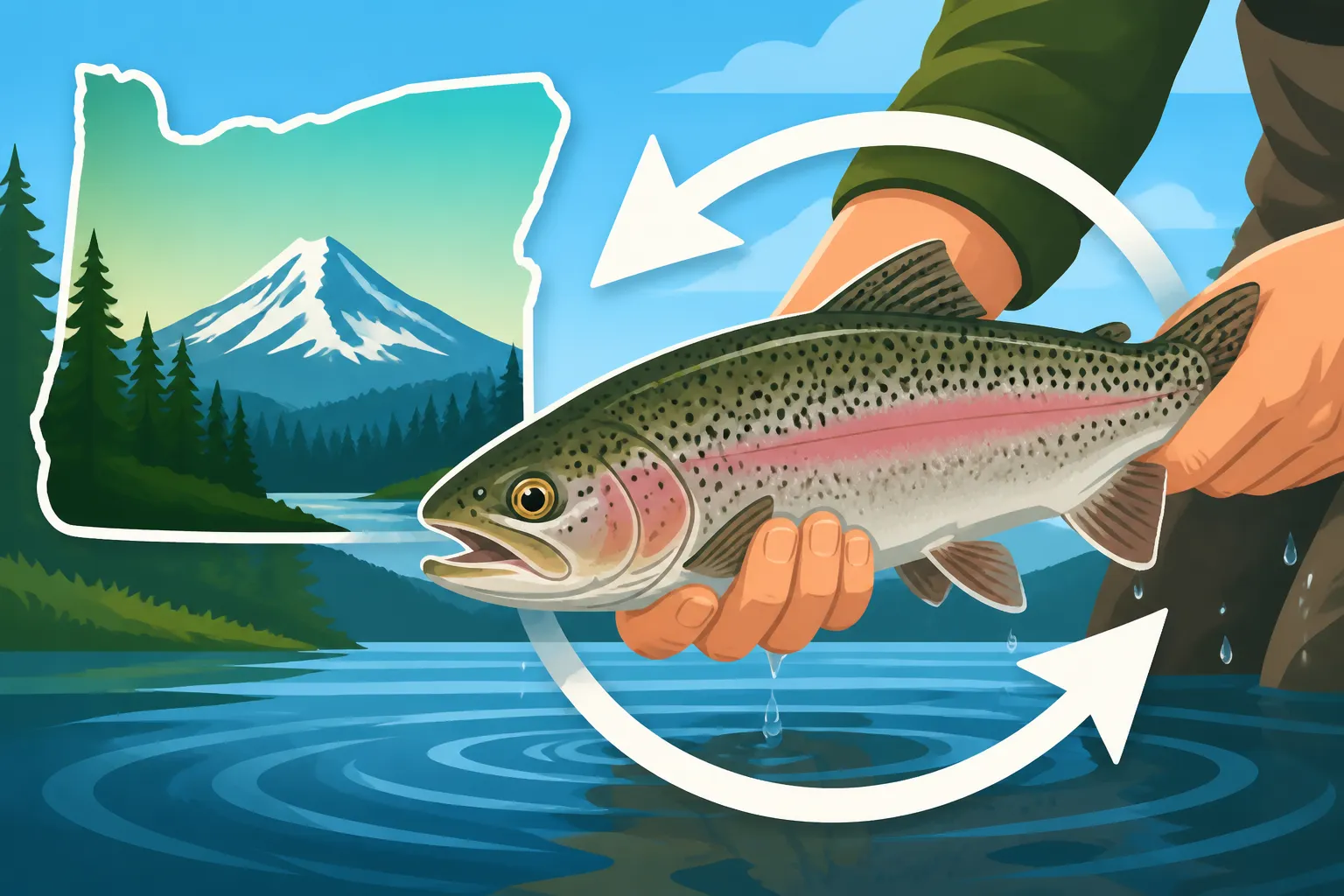
- Revive If Necessary: If the fish seems sluggish after the fight, hold it gently in the current, facing upstream, until it regains its strength and can swim away on its own. Don't "pump" it back and forth; this can actually push water the wrong way through its gills.
By following these practices, you dramatically increase the chances that your catch-and-release fish will survive to spawn another day. It's a fundamental part of being a respectful and effective angler in Oregon.
Common Scenarios and Avoiding Pitfalls
Even with the best intentions, navigating Oregon's catch-and-release rules can sometimes throw you a curveball. Being aware of common scenarios and knowing how to stay informed can prevent unintentional violations and ensure you're always fishing ethically and legally.
The Nuances of Local vs. Statewide Regulations
One of the biggest challenges for anglers in Oregon is the sheer variability of regulations from one body of water to the next, and even within different sections of the same river. It's rare for a regulation to be blanket statewide, especially for species like salmon and steelhead.
For instance, the upper section of a river might be strictly catch-and-release for all trout, while a lower section might allow retention of a few hatchery rainbow trout. Or, one bay might be open for salmon retention, while a nearby rivermouth is catch-and-release only for wild fish. This hyper-local approach is designed to manage specific fish stocks that may be healthy in one area but struggling just a few miles away.
This is why "checking the regulations for your specific spot" is so critical. Relying on what you heard from a friend who fished a different river last week, or even a different section of the same river, can lead to serious mistakes. Always double-check the ODFW website or the printed synopsis for the precise location you intend to fish.
When the Rules Change: Emergency Closures and Updates
Oregon's fisheries are dynamic, and so are the regulations governing them. Environmental factors like drought, high water temperatures, or unexpected declines in fish returns can trigger emergency closures or changes to bag limits and catch-and-release rules at any time during the season. These changes are often implemented quickly to protect vulnerable fish.
A prime example is extreme summer heat, which can raise river temperatures to dangerous levels for coldwater fish like steelhead and trout. During such times, ODFW might implement "hoot owl" restrictions, meaning fishing is only allowed during cooler morning hours, or even a complete catch-and-release mandate or full closure for certain species or river sections. Similarly, a surprisingly low return of salmon might lead to an immediate shift from retention to catch-and-release for the remainder of a season.
It's your responsibility to stay informed. ODFW typically announces these emergency regulations via their website, news releases, and sometimes through social media. Before any trip, make a quick check of the ODFW website for the latest updates; it could save you from inadvertently breaking a rule. You can also sign up for email alerts to get these updates sent directly to you. Being prepared means staying current.
The Ethical Angler: Beyond the Letter of the Law
Beyond the legal requirements, there's an ethical dimension to catch-and-release fishing. Sometimes, even when a fish could be legally retained, an ethical angler might choose to release it. This might happen with a particularly large, healthy breeding fish, or if conditions are stressful for the fish (e.g., extremely warm water).
Being an ethical angler means:
- Prioritizing Fish Welfare: Even when catch-and-release is not mandatory, consider if the conditions (e.g., water temperature) are appropriate for releasing a fish that has been fought. If the water is too warm, even released fish have a low survival rate.
- Respecting Spawners: During spawning seasons, many anglers choose to avoid targeting or retaining fish that are clearly on their spawning journey, even if legal, to allow them to contribute to future generations.
- Clean Up Your Act: This isn't directly related to C&R species, but an ethical angler always packs out what they pack in, leaving no trace, and perhaps even picking up litter left by others.
- Sharing Knowledge: Help educate other anglers you encounter who might be unaware of specific regulations or best practices for catch-and-release.
Ultimately, understanding which Oregon fish species are catch-and-release only, and practicing those techniques properly, is a fundamental aspect of being a responsible and conservation-minded angler in our beautiful state. It ensures that the incredible fishing opportunities we cherish today will still be here for our children and grandchildren to enjoy.
Oregon Catch-and-Release Species Overview
This table provides a general overview of common species and situations where catch-and-release is frequently, or strictly, enforced in Oregon. Remember, always check current regulations for specifics on your chosen fishing location and date.
| Species Group | Typical Catch-and-Release Scenarios | Primary Reason for C&R | Key Identification Notes |
|---|---|---|---|
| Wild Steelhead | All wild steelhead (both winter and summer runs) in most, if not all, Oregon rivers. | Conservation of threatened/native populations, spawning protection. | Intact adipose fin (small fleshy fin between dorsal and tail). |
| Bull Trout | All bull trout in all Oregon waters. | Federally protected species, highly vulnerable. | Distinctive white leading edge on fins, often dark green/bronze spotting. |
| White Sturgeon | Undersized or oversized sturgeon outside of specific slot limits and designated retention seasons. | Protection of breeding stock, population management. | Measure length carefully; larger fish (above slot) are prime breeders. |
| Wild Salmon | Specific wild Chinook, Coho, or Sockeye salmon runs in certain river sections or during specific times. | Conservation of threatened/native populations, spawning protection. | Intact adipose fin, especially for wild Chinook and Coho. |
| Trout | Wild native trout (e.g., coastal cutthroat) in specific high-mountain lakes or wilderness streams. | Conservation of native gene stocks, population management in sensitive areas. | Check local regulations; often unmarked, requiring careful identification. |
This table serves as a quick reference, but remember, the Oregon Department of Fish and Wildlife regulations are your official guide. Always prioritize the health of the fish and the sustainability of Oregon's fisheries.
Disclaimer
This article is for general informational purposes only and does not constitute professional advice. Laws, prices and regulations vary by location and change over time. Consult a qualified professional for guidance on your specific situation.