Are female Dungeness crabs legal to keep in Oregon?
There’s nothing quite like the thrill of pulling up a crab pot, the anticipation building as you see what treasures the Oregon coast has delivered. But then you sort through your catch, measuring each one, and inevitably, you come across a beautiful, healthy-looking Dungeness crab that just doesn’t seem quite right. You hold it up, wondering, "Is this one a keeper?" And often, that question boils down to one critical factor: its gender. This guide is here to untangle the rules around keeping female Dungeness crabs in Oregon, helping you navigate the regulations so you can enjoy your crabbing adventures responsibly and legally.
The Core Rule: Why Females are Off-Limits (Mostly)
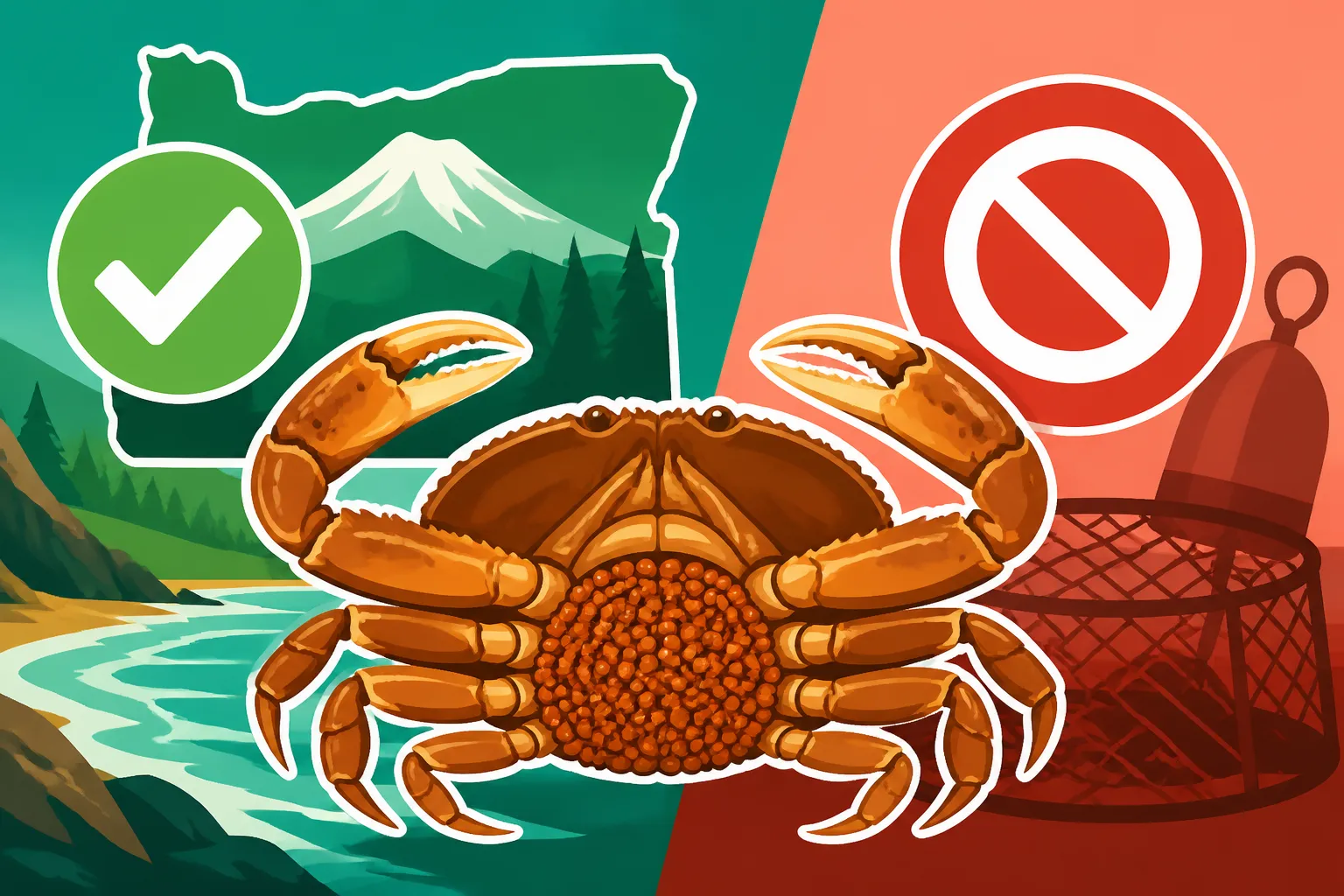
Let's cut right to the chase, because this is often the biggest point of confusion for new crabbers or those visiting from other states: in Oregon, for Dungeness crabs, you generally cannot keep females. This isn't just a quirky local rule; it's a cornerstone of sustainable crabbing practices designed to protect the future of this amazing fishery. It might feel frustrating to toss back a big, juicy-looking crab, but understanding the "why" makes all the difference.
Understanding Oregon's Conservation Ethic
The Oregon Department of Fish and Wildlife (ODFW) has established these regulations with a clear purpose: to ensure that Dungeness crab populations remain healthy and abundant for generations to come. Think of it like managing a garden – you wouldn't harvest all your seed-producing plants, would you? The same principle applies here. Female Dungeness crabs are the literal future of the species. By protecting them, especially those that are mature and capable of reproducing, we allow them to continue spawning, replenishing the crab population year after year. If we harvested females indiscriminately, especially during peak breeding times, the number of crabs would quickly plummet, making crabbing less fruitful for everyone down the line. It's a long-term investment in our shared natural resources, and every responsible crabber plays a part. This approach is fundamental to many of Oregon's fishing regulations, aiming for sustainability across the board, from salmon to shellfish. You can learn more about general guidelines in our Oregon Fishing Regulations Explained article.
Identifying a Female Dungeness Crab
Alright, so you know why you can’t keep them, but how do you tell the difference when you're out there on the water, maybe a little chilly, maybe a little excited? It’s actually quite straightforward once you know what to look for, and it boils down to the shape of their abdomen, often called the "apron."
When you pick up a crab (carefully, by the back of the shell, avoiding those claws!), flip it over to look at its underside. On a male Dungeness crab, the apron is narrow and pointed, resembling a lighthouse or a Washington Monument shape. This slender apron is tucked tightly against their body. Now, look at a female Dungeness crab. Her apron will be much wider and rounder, more like a dome or a beehive shape. This wider apron is designed to protect her eggs when she carries them. Sometimes, you might even see bright orange or dark purple eggs tucked underneath her apron – if you see eggs, it’s definitely a female, and definitely a toss-back! A good trick is to carry a crab gauge that also illustrates the differences, which you can easily find on sites like Amazon. Knowing How to measure a legal Dungeness crab will be key here.
What Happens If You Accidentally Keep a Female?
Even the most seasoned crabbers can make a mistake, especially in the excitement of a good pull or when conditions aren't ideal. But it’s crucial to know the consequences and, more importantly, how to rectify the situation if you find a female in your keeper bucket.
The Importance of Immediate Release
If you're sorting through your catch and realize you've accidentally kept a female Dungeness crab, the absolute best thing you can do is release her immediately. This isn't just about avoiding a penalty; it's about doing your part for conservation. ODFW regulations are strict on this, and enforcement officers are out on the bays and ocean checking catches. Getting caught with a female crab, even if by accident, can lead to a citation and significant fines. These aren't just slaps on the wrist; they're designed to deter poaching and ensure compliance. Understanding Fishing Without a License Penalties in Oregon gives you an idea of the seriousness of fisheries violations in general. Don't let a momentary lapse in judgment cost you a good chunk of change or jeopardize the crab population. Always double-check your catch before leaving your crabbing location.
Best Practices for Release
Releasing a crab isn't just about tossing it back in the water. To give that female crab the best chance of survival and future reproduction, a little care goes a long way. First, handle her gently. Avoid dropping her or letting her claws snap at your fingers (or the pot itself). Hold her by the shell, making sure not to damage any legs or claws. Get her back into the water as quickly as possible. The longer she's out of her natural environment, exposed to air or sunlight, the more stressed she becomes, and the lower her chances of survival. Lower her directly into the water, allowing her to swim away on her own terms. If she's carrying eggs, this careful release is even more vital, as damaging her egg mass could impact hundreds, if not thousands, of future crabs.
The "When" and "Where" of Crabbing in Oregon
Understanding the regulations is one thing, but knowing the best times and places to go crabbing in Oregon helps you maximize your chances of catching legal keepers while minimizing encounters with protected crabs. Crabbing isn't just a free-for-all; there are nuances to the seasons and locations that can make or break your trip.
Prime Crabbing Seasons and Locations
Crabbing in Oregon is generally a year-round activity, but the best times for Dungeness crab can vary. Bay crabbing, which is popular in estuaries like Yaquina Bay, Tillamook Bay, and Coos Bay, often peaks in the fall and winter months. The crabs tend to be "fuller" (meaning they have more meat) after they've molted and grown their new shells. Ocean crabbing, which typically involves larger commercial boats or dedicated recreational ocean crabbing vessels, follows a different rhythm, often dictated by weather and the commercial season. However, recreational ocean crabbing can be fantastic in the summer and early fall when conditions are calmer. No matter where you go, always check the current ODFW regulations for specific bay or ocean zone rules, as closures or special restrictions can happen. A great resource to check before heading out is our Oregon Crabbing Season Timing guide, which provides details on when you're most likely to find Dungeness crab.
Essential Gear for Responsible Crabbing
To be a successful and responsible crabber, you need the right tools. First and foremost, you'll need crab pots or ring nets. Pots are excellent for setting and soaking for longer periods, while ring nets are more active and require frequent checking. You'll also need good quality bait, like chicken legs or fish carcasses, to lure those crabs in. Many crabbers swear by special bait cages or jars that you can find on Amazon to keep your bait secure.
Crucially, you absolutely must have a crab gauge. This simple, inexpensive tool is vital for measuring the carapace (shell) width of your Dungeness crabs to ensure they meet the minimum size requirements. Without it, you're just guessing, and guessing can lead to fines. Measuring tape won't cut it, as the gauge is designed to measure the specific point of the carapace. A good pair of gloves is also recommended for handling crabs and your gear, protecting your hands from sharp edges and the occasional pinch. Lastly, a sturdy cooler with ice will keep your catch fresh on the way home, ready for a delicious feast. For tips on bait, check out our Best crab pot bait for Yaquina Bay post.
Beyond Gender: Other Dungeness Crab Regulations to Know
While the "no female Dungeness crab" rule is paramount, it's not the only regulation you need to be aware of. Oregon has a comprehensive set of rules designed to manage the Dungeness crab fishery sustainably. Ignoring these other details can lead to just as much trouble as keeping a female.
Size Limits and Measuring
Just because a crab is male doesn't mean it's automatically a keeper. Dungeness crabs in Oregon must meet a minimum size requirement to be legally harvested. This is measured across the shortest distance of the carapace (the top shell), from point to point, directly in front of the tenth (last) spines. The minimum size is typically 5 ¾ inches. This size limit ensures that crabs have had a chance to mature and reproduce at least once before being harvested. It's another layer of protection for the species' long-term health. Always carry your ODFW-approved crab gauge and measure every crab diligently. If a crab is even a hair under the legal limit, it goes back into the water. Precision matters here.
Daily Bag Limits
Even for legal males, there's a limit to how many Dungeness crabs you can take home. Recreational crabbers typically have a daily bag limit, often set at 12 Dungeness crabs per person per day. This limit helps distribute the catch among more crabbers and prevents overfishing by individuals. It’s important to count your crabs carefully throughout the day, especially if you're crabbing with multiple people or checking pots frequently. Exceeding the bag limit is another violation that ODFW takes seriously. Keep a tally, and once you hit your limit, it's time to either call it a day or switch to catch-and-release, ensuring you don't inadvertently keep more than allowed. For specifics, see our article on What is the daily limit for Dungeness crab in Oregon.
Avoiding "Soft-Shell" Crabs
This is a regulation that sometimes catches new crabbers off guard. A "soft-shell" crab is one that has recently molted, meaning it has shed its old shell to grow a new, larger one. During this period, their new shell is soft and pliable, and their meat content is often low. They are vulnerable and actively growing, and keeping them isn't good for conservation or for your dinner plate, as they're not nearly as meaty or flavorful. While there isn't a specific "soft-shell" measurement, if you handle a crab and its shell feels noticeably soft or squishy rather than hard and rigid, it's best to release it. They need that time to harden up and fill out. It’s a good practice to gently press on the underside of the shell to check for firmness. If it yields easily, back it goes!
Here's a quick summary of Oregon's key Dungeness crab regulations:
| Regulation Type | Dungeness Crab Rule in Oregon | Why it Matters |
|---|---|---|
| Gender | Female crabs are illegal to keep. | Protects breeding population, ensures future generations of crabs. |
| Size Limit | Minimum 5 ¾ inches across the carapace. | Allows crabs to mature and reproduce at least once before harvest. |
| Bag Limit | Typically 12 Dungeness crabs per person per day. | Prevents overfishing by individuals, distributes catch, manages overall harvest pressure. |
| Condition | Avoid keeping soft-shell crabs. | Gives crabs time to harden their new shell and fill with meat, ensuring quality harvest and protecting vulnerable crabs. |
Remember, these rules are in place for a reason: to preserve the incredible Dungeness crab resource that Oregon is so famous for. By adhering to them, we all contribute to a thriving fishery that can be enjoyed for years to come. So next time you're out on the water, pull up that pot, measure those beauties, confirm their gender, and enjoy the satisfaction of a legal, sustainable harvest!
Disclaimer
This article is for general informational purposes only and does not constitute professional advice. Laws, prices and regulations vary by location and change over time. Consult a qualified professional for guidance on your specific situation.