Is channel catfish common in Oregon?
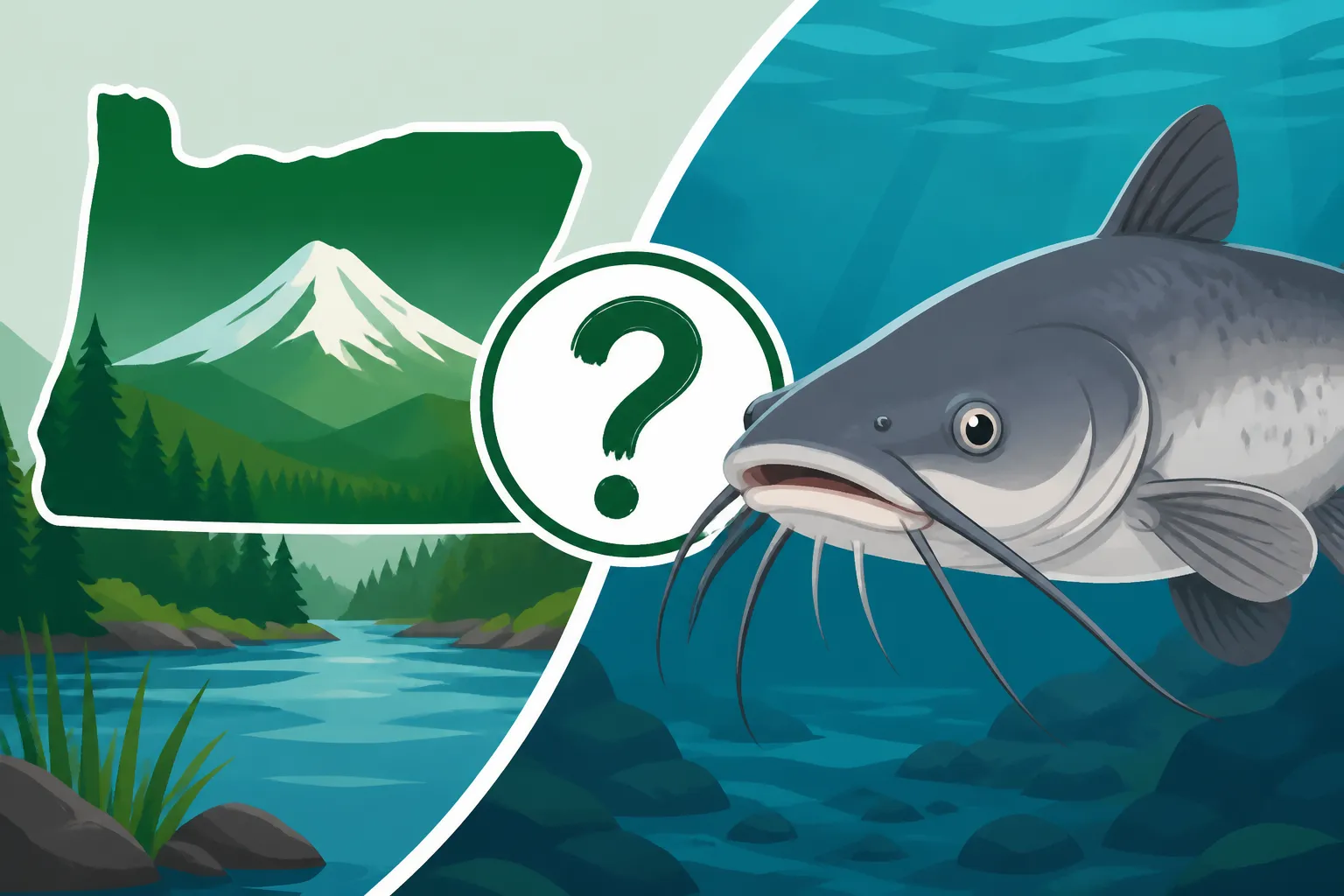
It's a question many anglers new to Oregon's diverse waterways often ponder: are those whiskered bottom-dwellers, channel catfish, a common sight around here? You might have heard tales of massive cats from the Midwest or Southern states and wonder if Oregon offers similar opportunities. The truth is, while Oregon might not be the undisputed "catfish capital" of the world, channel catfish are indeed present and can be quite common in specific areas, offering a unique and often exciting fishing experience for those who know where to look and what to expect. This guide is here to shed some light on their presence, habits, and how you can get in on the action.
Understanding Channel Catfish in Oregon's Waters
When we talk about whether a fish species is "common," it's rarely a simple yes or no answer for an entire state as ecologically varied as Oregon. From roaring, cold mountain streams to vast, slow-moving rivers and arid eastern reservoirs, Oregon offers a huge range of habitats. Channel catfish, like any species, have their preferred haunts, and understanding these is key to knowing where they are most likely to be found.
Where They Thrive and Where They Don't
Channel catfish are warmwater species through and through. They absolutely adore habitats that are the complete opposite of what many Oregonians associate with fishing for salmon or steelhead. Think slow-moving, often turbid (cloudy) waters, with soft, muddy, or sandy bottoms. They're often found in deeper holes, around submerged logs, brush piles, or undercut banks where they can hide and ambush prey. These fish aren't really built for battling strong currents in icy-cold rivers.
Because of this preference, you won't find channel catfish in the high-elevation, crystal-clear trout streams of the Cascades, or in the fast, cold stretches of iconic rivers like the Deschutes or McKenzie. Their presence is far more prevalent in the warmer, often slower-moving river systems of eastern and southern Oregon, as well as in some parts of the Willamette Valley. Reservoirs that warm up significantly in the summer are also prime real estate for these whiskered predators. They're resilient and adaptable once established in suitable conditions, but those conditions aren't statewide.
Are They Native or Introduced?
This is a crucial point in understanding their "commonness" in Oregon. Channel catfish are not native to Oregon. They are an introduced species, much like bass or carp, brought into the state primarily for sport fishing and food purposes. Their introduction dates back many decades, and since then, they have successfully established self-sustaining populations in various warmwater environments across Oregon.
The fact that they are introduced means their distribution isn't natural. Instead, it's largely a result of human intervention and their ability to thrive in specific, altered or naturally warm habitats. This is why you'll find them concentrated in certain areas rather than spread evenly across the entire state. They've found their niche, and in those niches, they can certainly become quite prolific, reproducing successfully and growing to impressive sizes. Knowing their introduced status also helps inform some of the regulations, or lack thereof, when it comes to managing their populations.
The "Common" Factor: What Does That Really Mean for Anglers?
So, if they're not native and not everywhere, how "common" can they really be? It's all about perspective and location. For an angler specifically targeting channel catfish, they can be incredibly common and reliable catches in the right place at the right time. For someone exclusively chasing trout in mountain lakes, they might seem non-existent.
Localized Abundance vs. Statewide Presence
When we say channel catfish are "common" in Oregon, we're talking about localized abundance, not a uniform statewide presence. Imagine the lower stretches of the Willamette River or certain backwater sloughs along the Columbia. In these specific environments, channel catfish can be incredibly abundant, with anglers regularly catching multiple fish in a single outing. The same goes for large, warm reservoirs like Owyhee Reservoir in eastern Oregon, or even some smaller farm ponds that warm up well in summer. Oregon Warmwater Fish Species often thrive in these environments.
Contrast this with species like rainbow trout, which are widely distributed and stocked in countless lakes and rivers throughout the state. Or smallmouth bass, which have established strong populations in many rivers, including sections of the John Day, Umpqua, and Columbia. Channel catfish's footprint is narrower, but within that footprint, they often dominate the warmwater bottom-feeder niche. If your fishing trip is focused on a known catfish hotspot, you'll likely find them to be very common indeed. If you're anywhere else, you might never even see one.
Factors Influencing Their Numbers
Several factors contribute to the density and "commonness" of channel catfish in their preferred Oregon habitats. Chief among these is water temperature. Channel cats become very active in warm water, typically when temperatures are consistently above 60-65°F. This means their peak activity, and thus their perceived commonness, aligns with late spring, summer, and early fall. During colder months, they become much less active, often retreating to deeper holes and feeding infrequently.
Food availability is another huge factor. Channel catfish are opportunistic omnivores and scavengers, meaning they'll eat just about anything they can get their mouths around – insects, smaller fish, crustaceans, decaying organic matter, and even plant material. Rivers and reservoirs with rich benthic (bottom-dwelling) communities and ample forage tend to support healthier and more numerous catfish populations. Areas with significant agricultural runoff or urban outflows, which can provide a steady supply of nutrients and detritus, often become catfish havens. Best Bait for Catfish in Oregon often reflects their diverse diet.
Finally, while they are introduced, channel catfish have proven to be excellent at natural reproduction in suitable Oregon waters. Once established, they don't typically require extensive stocking efforts to maintain their populations, unlike some other sport fish. This self-sustaining capability means that in prime habitats, their numbers can remain consistently high, making them a common and reliable target for anglers who appreciate what these tenacious fish have to offer.
Targeting Channel Catfish: Where to Find Them and How to Catch Them
So, you've decided to embrace the whiskered challenge! Knowing where to go and what tackle to bring will greatly increase your chances of success and prove just how "common" these fish can be in their chosen homes.
Best Fishing Spots for Channel Catfish
If you're looking to target channel catfish in Oregon, your best bet is to focus on specific warmwater locations known for their populations.
- Columbia River and its Backwaters: The mighty Columbia River, particularly its slower-moving sections, backwaters, sloughs, and tributaries, holds significant numbers of channel catfish. Areas like the Multnomah Channel near Portland, or various sloughs and ponds east of Portland along the main stem, can be excellent. The slow current provides ideal habitat, and the sheer size of the river means plenty of food.
- Lower Willamette River: From Portland down to its confluence with the Columbia, the Willamette River also offers solid catfishing. Its warmer, often turbid waters are perfect for channel cats. Look for them in deeper holes, around bridge pilings, or near submerged cover.
- Fern Ridge Reservoir: Located west of Eugene, Fern Ridge is a popular spot for warmwater species, including channel catfish. Its shallow, warm waters and abundant structure make it a prime location, especially during summer evenings.
- Owyhee Reservoir: In southeastern Oregon, this large reservoir is a fantastic, if a bit remote, destination for big channel catfish. The hot summer temperatures and vast, varied shoreline provide excellent habitat.
- Umatilla River: Further east, the Umatilla River and its associated ponds and sloughs can also be productive. These areas warm up nicely in the summer and support good cat populations.
- Other Eastern Oregon Waters: Many smaller lakes, ponds, and slow-moving river sections in eastern Oregon, particularly those that don't host salmon or steelhead runs, might have surprisingly robust channel catfish populations. Always check the current Oregon Fishing Regulations Explained for specific water bodies.
Remember, the key is warm, slow water with access to cover and food. The prime time for catfishing in these spots is typically from late spring through early fall, often with the best action happening from late afternoon into the evening and even through the night. Can you fish at night in Oregon? is often a question asked by dedicated catfish anglers!
Essential Gear and Techniques
You don't need highly specialized gear to catch channel catfish, but a few considerations will certainly help.
- Rod and Reel Setup: A medium-heavy to heavy spinning or baitcasting rod, about 6.5 to 8 feet long, paired with a reel spooled with 15-30 pound monofilament or braided line, is a good starting point. You want something with enough backbone to handle a strong, potentially large fish and sufficient line capacity for deeper water or strong runs.
- Baits: This is where catfishing gets fun (and often smelly!). Channel catfish are attracted to strong scents.
- Cut Bait: Pieces of oily fish like herring, shad, or even carp work wonders.
- Chicken Livers: A classic catfish bait, notoriously messy but incredibly effective.
- Stink Baits: Commercial stink baits, dough balls, or blood baits are designed specifically for catfish and can be very potent. You can find these at most tackle shops, including those you might find on Amazon.
- Worms: Nightcrawlers or garden worms are always a reliable option, especially for smaller cats.
- Corn: Believe it or not, sometimes plain old canned corn can entice them, particularly if they're used to it in heavily fished areas.
- Rigging:
- Bottom Rig: The most common setup is a slip sinker rig. Thread a 1/2 to 2-ounce egg sinker (or heavier in current) onto your main line, then tie on a barrel swivel. To the other end of the swivel, attach a 12-24 inch leader of slightly lighter line (10-25 lb test). Finish with a sturdy circle hook (sizes 1/0 to 5/0, depending on bait size and target fish). Circle hooks are fantastic because fish typically hook themselves in the corner of the mouth, making for easier release and less gut-hooking.
- Float Rig: In shallower water or over submerged vegetation, a slip bobber rig can also be effective, suspending your bait just off the bottom.
- Fishing Strategy: Patience is paramount. Cast your bait near structure, in deep holes, or along current breaks. Let it settle on the bottom, and wait. Catfish bites can range from a gentle tap to a sudden, aggressive pull that nearly rips the rod out of your hands. They're often most active in low light conditions, so don't shy away from fishing at dusk, through the night, or at dawn.
A valid Oregon Fishing License Guide is always required, even for species like catfish.
The Experience of Catfishing in Oregon
For those unfamiliar with targeting channel catfish, the experience can be surprisingly rewarding and a fantastic alternative to the often more demanding pursuits of salmon and steelhead.
Why Anglers Love (or Don't Love) Channel Cats
There's a lot to love about channel catfishing, which is why it has such a dedicated following in Oregon where they are present.
- Accessible Fun: Catfish don't require fancy gear or complex techniques. This makes them an excellent target for beginners, families, and kids. Many productive spots are accessible from the bank, meaning you don't always need a boat. You can simply bait a hook, cast it out, and relax.
- Hard Fighters: Don't let their bottom-dwelling reputation fool you; channel catfish are surprisingly strong fighters, especially larger ones. They'll pull hard and put a good bend in your rod, providing an exciting battle that often rivals more "glamorous" sport fish.
- Good Eating: Channel catfish are widely considered excellent table fare. Their white, flaky meat is delicious when filleted and fried, grilled, or baked. This makes them a popular choice for anglers who like to take home their catch for dinner.
- Often Abundant: As discussed, in their preferred habitats, channel catfish can be very numerous. This means a higher likelihood of success, which is incredibly encouraging for new anglers or those just looking for consistent action.
- Evening and Night Fishing: For many, the unique appeal of catfishing lies in the tranquility and excitement of fishing after dark. It's a different world on the water, and catfish are often at their most active then.
Of course, not everyone is a fan. Some anglers might view them as less "sporting" than salmon or trout, or simply prefer native species. Their sometimes slimy nature and habit of living in murkier water might also be off-putting to some. But for those willing to give them a chance, the rewards are often substantial.
Regulations and Best Practices
While channel catfish are introduced and often prolific, it's still crucial to abide by state regulations and practice responsible angling.
- Fishing License: Always, always make sure you have a current Oregon Fishing License Guide before you cast a line. This is non-negotiable for all anglers over the age of 12.
- Bag Limits and Size Restrictions: While many warmwater species in Oregon have generous or even no bag limits (especially for non-native species that can compete with natives), it is absolutely essential to check the latest Oregon Department of Fish and Wildlife (ODFW) regulations. The annual ODFW Fishing Regulations Synopsis is your bible, or you can find up-to-date information on their website. Regulations can change, and ignorance is no excuse for a violation.
- Safe Handling: Catfish have sharp pectoral and dorsal fins that can deliver a painful poke. Always be cautious when handling them. Use a rag or glove to grip them, or a pair of pliers to remove the hook. For larger fish, a landing net is indispensable.
- Catch and Release vs. Harvest: If you plan to release fish, minimize handling time and keep them wet. If you intend to harvest, dispatch the fish quickly and humanely, and keep it on ice to maintain quality.
- Respect the Environment: Always pack out everything you pack in. Leave no trash, fishing line, or bait containers behind. Be mindful of private property and respect other anglers. By following these guidelines, you contribute to a positive fishing experience for everyone and help maintain the health of Oregon's diverse aquatic ecosystems.
| Location Category | Typical Habitat | Best Baits | Notes |
|---|---|---|---|
| Major Rivers | Slower backwaters, deep holes, structure | Cut bait, chicken liver, stink baits, worms | Columbia River (lower), lower Willamette River, Umatilla River. |
| Warmwater Reservoirs | Muddy/sandy bottoms, submerged brush, rock piles | Stink baits, cut bait, worms, commercial dough baits | Fern Ridge Reservoir, Owyhee Reservoir, Prineville Reservoir. |
| Sloughs & Ponds | Stagnant or slow-moving water, heavy vegetation | Worms, chicken liver, prepared baits | Often accessible from shore, can hold surprisingly large fish. |
| Irrigation Canals | Slow sections, deeper pools within the canal | Worms, small cut bait | Less common, but possible in eastern Oregon. |
While channel catfish might not be the poster child for Oregon's world-famous salmon and steelhead fishing, they offer an exciting, accessible, and often delicious angling opportunity for those willing to explore the state's warmer, slower waters. They are common in their chosen habitats, providing plenty of action and a different kind of challenge for anglers across the state.
Disclaimer
This article is for general informational purposes only and does not constitute professional advice. Laws, prices and regulations vary by location and change over time. Consult a qualified professional for guidance on your specific situation.