Do smallmouth bass hurt salmon populations?
It's a question many Oregon anglers ponder with a mix of curiosity and concern: do smallmouth bass, those feisty, hard-fighting fish, truly pose a threat to our iconic salmon and steelhead populations? This guide dives deep into the complex ecological dance happening in our rivers, exploring the interactions between these species and shedding light on the concerns that keep conservationists and anglers alike focused on balancing Oregon's precious aquatic ecosystems.
The Intriguing, Yet Troubling, Presence of Smallmouth Bass in Oregon
Smallmouth bass are incredible game fish, no doubt. They hit hard, jump, and make for an exhilarating fight, especially in the warmer waters they prefer. For many anglers, catching a bucketmouth or a smallmouth is a thrill. But here in Oregon, their presence, particularly in certain river systems, brings up some really important questions about native fish. They weren't always here; like many non-native species, they were introduced to provide recreational fishing opportunities, and they've certainly done that.
Where Smallmouth Bass Thrive in Oregon
You'll find smallmouth bass making a real home for themselves in many of Oregon's warmer, slower-moving river sections and reservoirs. Think of places like the lower John Day River, the Umpqua River, and portions of the Columbia River and its tributaries, especially where the water warms up in the summer months. These aren't the same cold, fast-flowing mountain streams where you'd typically find wild trout or spawning salmon. Smallmouth prefer rocky areas, submerged timber, and good cover, making them perfectly adapted to many of our larger, more developed waterways. They're incredibly resilient and can reproduce rapidly, quickly establishing strong populations once they get a foothold. This adaptability is part of what makes them such successful invaders in environments that might not have natural predators to keep their numbers in check.
Why Their Presence Raises Concerns for Native Fish
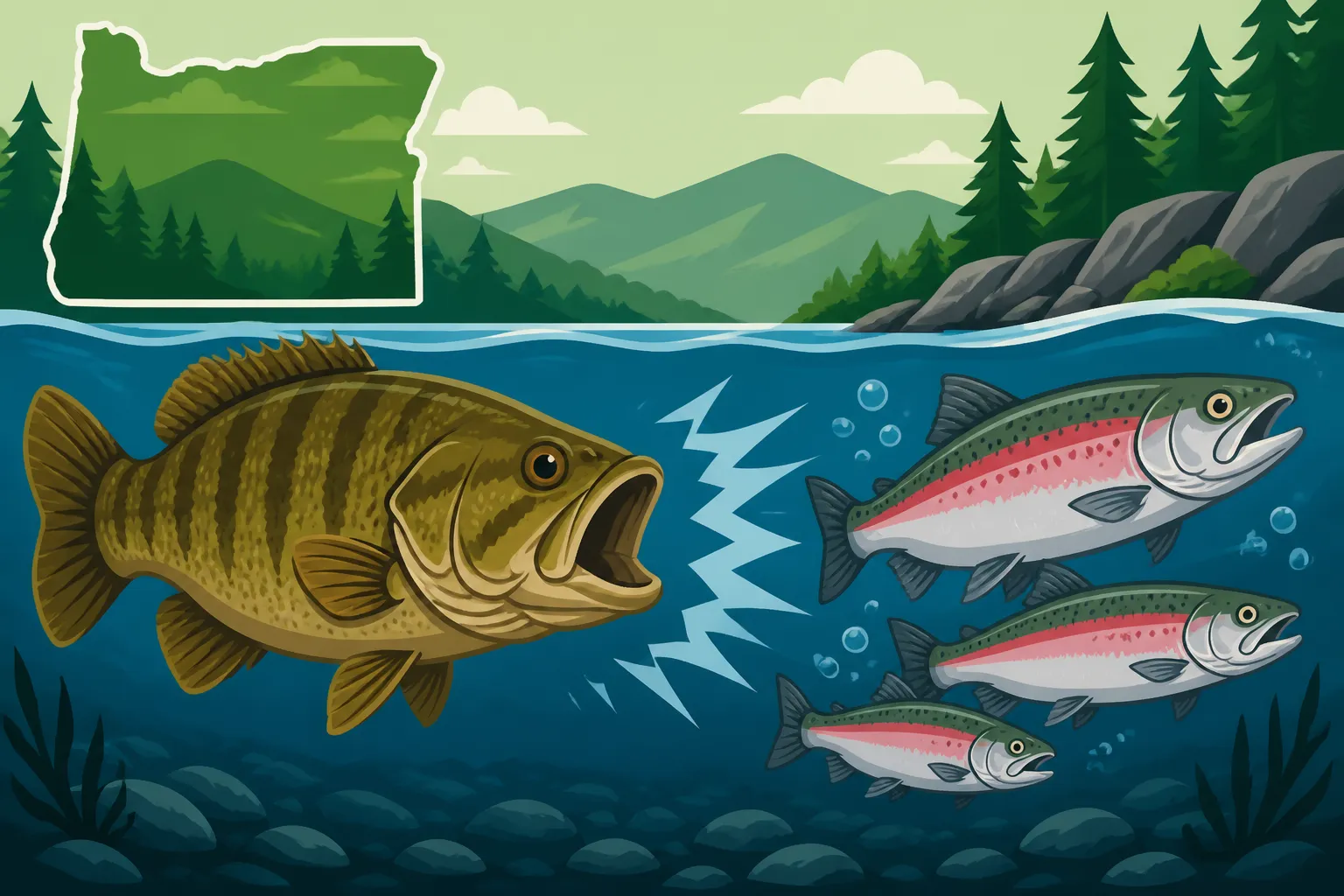
The concern isn't about smallmouth bass themselves, but rather their interaction with native species that have evolved over millennia in Oregon's specific aquatic environments. Our salmon and steelhead are anadromous, meaning they spend part of their lives in freshwater and part in the ocean, relying on pristine, cold, and connected river systems for spawning and rearing. When a new predator like the smallmouth bass is introduced into these sensitive ecosystems, it creates an imbalance. While smallmouth are great fun to catch, they are also voracious predators, and their diet can overlap significantly with that of juvenile salmon and steelhead. This isn't just a theoretical worry; it's a dynamic that fisheries managers across the Pacific Northwest are actively studying and trying to manage. For instance, in areas where juvenile salmon are migrating downstream, they can become easy prey for established smallmouth populations.
Unpacking the Competition: How Smallmouth Bass Affect Salmon and Steelhead
The relationship between smallmouth bass and native salmon and steelhead populations is complex, involving both direct predation and indirect competition for resources. It's not always a clear-cut case of one species simply "eating" the other out of existence, though that does happen. More often, it's a combination of pressures that collectively stress native fish.
Predation on Juvenile Salmon and Steelhead
This is often the most direct and concerning impact. Juvenile salmon and steelhead, especially during their downstream migration to the ocean, are small, vulnerable, and often concentrated in river sections that also happen to be prime smallmouth bass habitat. As these tiny smolts move from their natal streams into larger rivers like the Columbia or its lower tributaries, they face a gauntlet of predators. Smallmouth bass, being opportunistic feeders, will readily consume anything that fits into their mouths, and young salmon and steelhead certainly fit that bill. Imagine a group of tiny, silvery salmon smolts, still learning to navigate bigger waters, encountering a school of aggressive, hungry smallmouth bass. It's a tough situation for the young salmon. This predation can reduce the number of smolts that successfully reach the ocean, which, in turn, impacts the number of adult fish that return to spawn years later. Researchers have found salmonid remains in the stomachs of smallmouth bass, confirming this predatory behavior. You can find more details on this topic in articles like Why does Oregon encourage removing smallmouth bass.
Competition for Food and Habitat Resources
Beyond direct predation, smallmouth bass also compete with native salmon and steelhead for vital resources. Both species, particularly their juvenile stages, need food (insects, smaller fish, crustaceans) and suitable habitat (shelter, foraging grounds, optimal water temperatures). In some river systems, especially those with warmer summer temperatures or altered flows, smallmouth bass can outcompete native fish. Smallmouth are incredibly adaptable and can thrive in a wider range of conditions than many of our cold-water-dependent native salmon and trout. They can colonize new areas quickly and, once established, their sheer numbers can put a strain on the available food supply. This means less food for native fish, which can lead to slower growth rates, reduced survival, and overall weaker populations. Think of it like a crowded buffet; if more diners show up who eat the same dishes, there's less for everyone else. This competition is particularly acute in transitional zones where salmon and steelhead smolts are rearing before their ocean migration.
Habitat Alteration and Warming Waters
It's also crucial to understand that the issues aren't always solely about the bass. Human-induced changes to river systems, such as damming, agricultural withdrawals, and deforestation, have significantly altered the natural habitats of Oregon's rivers. These changes often lead to warmer water temperatures and slower flows, creating conditions that are less hospitable for salmon and steelhead but perfectly suited for smallmouth bass. As water temperatures rise due to climate change and other factors, smallmouth bass are able to expand their range further into areas that were once too cold for them. This creates a double-whammy: native fish are already stressed by habitat degradation and warming, and then they face increased predatory and competitive pressure from a thriving non-native species like the smallmouth bass. Understanding the interconnectedness of these factors is key to appreciating the full scope of the challenge. Our Oregon Salmon Species Guide and Oregon Steelhead Guide offer more context on the specific needs of these native species.
Beyond the Bass: A Broader Look at Salmon and Steelhead Challenges
It's tempting to point a finger at a single culprit, but the truth is, the challenges facing Oregon's salmon and steelhead populations are multi-faceted. While smallmouth bass are a piece of the puzzle, they are certainly not the only, or even always the primary, threat. Native fish populations are resilient, but they are constantly battling against a host of environmental and anthropogenic pressures.
The Impact of Habitat Loss and Degradation
One of the most significant and enduring threats to salmon and steelhead is the widespread loss and degradation of their habitat. For millennia, Oregon's rivers and streams provided a complex network of cold, clean water, diverse spawning gravels, deep pools, and abundant riparian vegetation. However, logging, agriculture, urbanization, and dam construction have fragmented and altered these critical habitats. Dams block migration routes, preventing fish from reaching their ancestral spawning grounds. Water diversions reduce stream flows, leaving juvenile fish stranded or exposing them to warmer temperatures. Siltation from erosion smothers spawning gravels, making it impossible for eggs to develop. The loss of shade from riparian trees leads to warmer water, which is lethal to cold-water species. These cumulative impacts mean that even if smallmouth bass were removed entirely, our native fish would still face an uphill battle. Learning about these challenges can really broaden your understanding of what it means to protect these fish, and resources like Oregon Fishing Regulations Explained can shed light on some of the efforts to mitigate these issues.
Overfishing and Changing Ocean Conditions
While local river issues are critical, we also can't forget the impact of ocean conditions and historical fishing pressures. Salmon and steelhead spend a significant portion of their lives in the vast Pacific Ocean, where they face their own set of challenges. Fluctuations in ocean temperatures, food availability, and predator populations (like marine mammals) can significantly impact their survival rates. Climate change is altering ocean currents and temperatures, which can disrupt the delicate balance of the marine food web that salmon depend on. Furthermore, while fishing regulations are now much tighter than in past decades, historic overfishing, both commercially and recreationally, played a role in reducing populations to critically low levels. Even today, carefully managed fishing seasons must consider the health of the run, with daily and seasonal limits often adjusted based on forecast returns. Understanding these broader ecological and historical factors is crucial for a holistic view of salmon conservation.
Disease and Other Non-Native Species
Just like any population, salmon and steelhead are vulnerable to disease, especially when they are stressed by poor habitat or overcrowding. Non-native diseases can be introduced, or native diseases can become more virulent under changing conditions. Hatchery practices, while essential for boosting populations, can sometimes introduce or amplify disease, impacting both hatchery and wild fish. Beyond smallmouth bass, other non-native species also pose threats. For example, some non-native fish species compete for food or directly prey on salmon, while invasive aquatic plants can alter habitat. It truly is a complex web of interactions, and every piece plays a role in the overall health of our native fish populations. Sometimes, even seemingly small changes can have ripple effects throughout the ecosystem.
What Anglers and Management Are Doing to Balance the Scales
Facing these complex challenges, both fisheries managers and responsible anglers play a vital role in protecting Oregon's native salmon and steelhead, while also managing the presence of smallmouth bass. It's a delicate balancing act that requires a combination of research, regulation, and active participation.
Oregon Department of Fish and Wildlife (ODFW) Management Strategies
The ODFW is at the forefront of managing these fish populations. Their approach to smallmouth bass, particularly in sensitive salmonid habitats, often involves policies that encourage their harvest. In many areas where smallmouth bass overlap with native salmon and steelhead, there are often liberal or even no bag limits on smallmouth bass. This is a deliberate strategy to try and reduce their numbers and mitigate their impact on native species. They also conduct extensive research to understand the specific dynamics of predation and competition in different river systems. This research helps inform where management efforts, such as habitat restoration or targeted removals, might be most effective. The ODFW also works tirelessly on habitat restoration projects, removing old dams, improving fish passage, and restoring riparian zones to create cooler, healthier environments for salmon and steelhead. These efforts are crucial, and staying informed through resources like Oregon Fishing Season Dates and Limits can help you understand current regulations.
The Angler's Role in Conservation
Anglers are incredibly important allies in this conservation effort. For those fishing in areas where smallmouth bass are considered detrimental to native species, consciously deciding to keep legal smallmouth bass can be a direct contribution. Always check current regulations, as these can vary by river and season, but where keeping smallmouth is encouraged, it's a way to actively participate in ecosystem management. Conversely, for native salmon and steelhead, practicing careful Oregon Catch-and-Release Rules is paramount, especially for wild, unclipped fish that are often protected. Using barbless hooks, minimizing handling time, and keeping fish in the water as much as possible all contribute to their survival. Beyond direct fishing practices, supporting conservation organizations and advocating for healthy river systems are powerful ways anglers can make a difference. Many anglers also use online communities or resources found on platforms like Amazon to research sustainable fishing practices or purchase gear that minimizes harm to native fish, such as specialized release tools.
Gear and Techniques for Targeted Angling
If you're an angler who enjoys catching smallmouth bass, there are specific techniques and gear that can help you target them effectively while minimizing impacts on other species. Using lures and baits that appeal primarily to bass, and fishing in the warmer, slower sections of rivers where they are most prevalent, can help. For example, plastic worms, crankbaits, spinnerbaits, and topwater lures are excellent for smallmouth. You can find a vast selection of these on platforms like Amazon, along with specialized bass fishing rods and reels. Conversely, when targeting salmon or steelhead, using appropriate gear and techniques, such as specific fly patterns or drift fishing setups, can help reduce incidental catches of bass. Familiarizing yourself with different Oregon Fishing Techniques for Beginners can also help in choosing the right approach for your target species and contribute to responsible angling. Understanding these nuances not only makes you a better angler but also a better steward of Oregon's diverse fisheries.
| Species | Native/Non-Native in Oregon | Preferred Habitat | Primary Diet | Potential Impact on Salmonids | ODFW Management Stance (General) |
|---|---|---|---|---|---|
| Smallmouth Bass | Non-Native | Warmer, rocky rivers, reservoirs | Insects, crayfish, small fish (incl. smolts) | Predation, competition | Encourage harvest, liberal limits |
| Chinook Salmon | Native | Cold, clear rivers, ocean | Insects (juvenile), small fish, krill (adult) | N/A | Protect, regulate harvest |
| Steelhead | Native | Cold, clear rivers, ocean | Insects (juvenile), small fish (juvenile) | N/A | Protect, regulate harvest |
| Rainbow Trout | Native (some wild) | Cold, clear rivers, lakes | Insects, small crustaceans, small fish | Minor competition | Protect wild, stock hatchery |
Disclaimer
This article is for general informational purposes only and does not constitute professional advice. Laws, prices and regulations vary by location and change over time. Consult a qualified professional for guidance on your specific situation.