How big do coho salmon get
It's always exciting to wonder about the size of the fish you might encounter on your next outing, and for many anglers in Oregon, the coho salmon is a prized catch. They're known for their powerful fights and beautiful silver flanks, but figuring out just how big they really get can sometimes feel like a moving target, especially when you hear stories of monster fish. This guide is going to break down what you can expect when it comes to coho salmon size, exploring the factors that contribute to their growth and what makes Oregon's coho so unique.
Understanding Coho Salmon Size: What to Expect
When we talk about coho salmon, also known as silver salmon due to their brilliant coloration, their size can vary quite a bit. It’s not just a simple number; it’s influenced by their life stage, where they’re caught, and even whether they started life in a hatchery or naturally in a stream. Knowing these nuances helps you appreciate every catch, big or small, and gives you a better idea of what to expect when you head out to the water.
Average Size vs. Trophy Fish
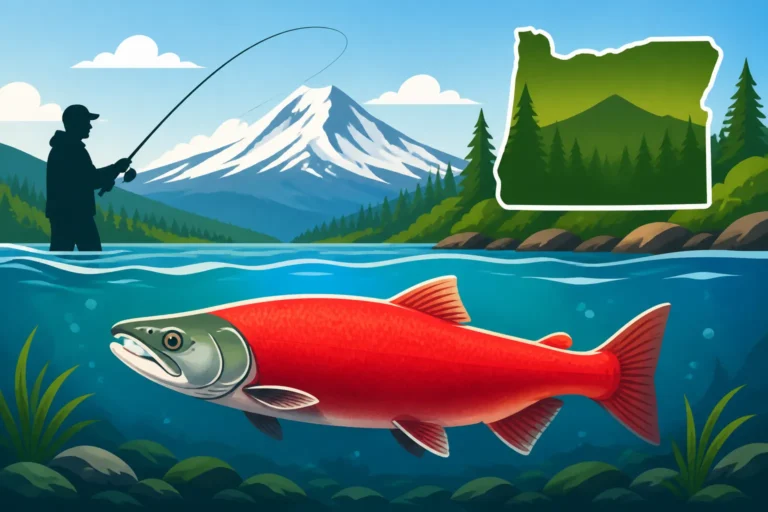
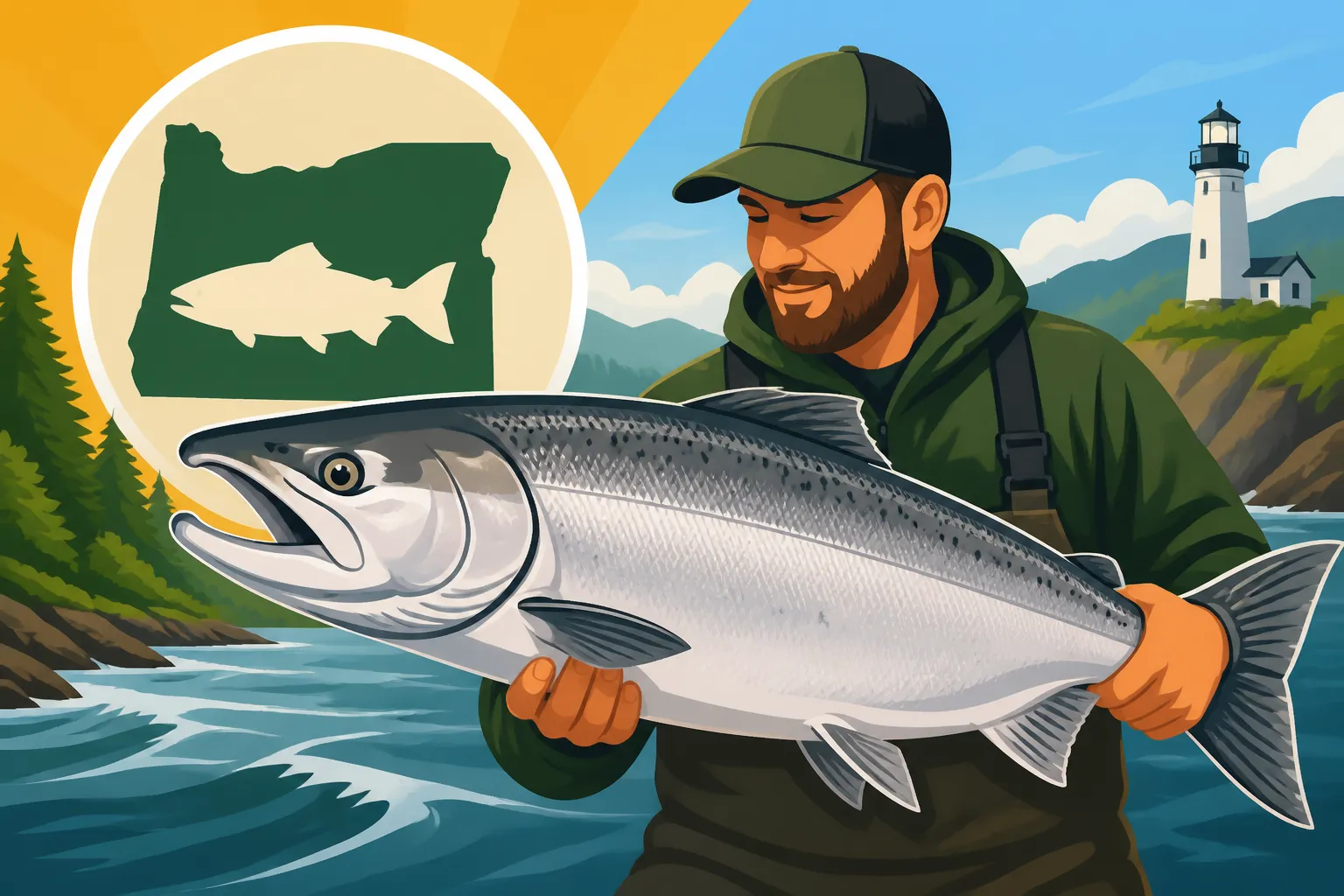
For most anglers, a "good-sized" coho salmon will typically fall into the 20 to 26-inch range, often weighing anywhere from 6 to 12 pounds. These are healthy, robust fish that put up a fantastic fight and make for a memorable experience on the water. When you're fishing coastal rivers or bays, this is the size class you'll generally encounter.
However, every now and then, you hear tales of truly impressive coho that push the boundaries. These "trophy" coho can reach lengths of 30 inches or more and tip the scales at 15 to even 20 pounds. These giants are rarer, but they do exist, usually having spent an extra year or two out in the nutrient-rich ocean feeding grounds. Catching one of these beasts is often a once-in-a-lifetime event for many anglers, requiring a bit of luck, the right conditions, and sometimes a heavy-duty rod and reel combo that you might find on Amazon.
Factors Influencing Coho Growth
So, what makes some coho big and others merely average? It's a complex interplay of several factors, much like any wild animal.
- Genetics: Just like people, some fish are simply predisposed to grow larger than others due to their genetic makeup. Stronger genetics can mean faster growth rates and a larger ultimate size.
- Food Availability and Quality: This is arguably the most critical factor. The ocean is their primary feeding ground, and a plentiful supply of forage fish (like herring, anchovies, and squid) means more energy for growth. If a particular year has abundant food sources in their migratory paths, coho can pack on pounds quickly. Conversely, lean years mean smaller fish.
- Oceanic Conditions: Water temperature, currents, and ocean productivity all play a significant role. Favorable conditions can concentrate food and allow coho to feed more efficiently. Unfavorable conditions, like strong El Niño events that bring warmer, less nutrient-rich water, can stress fish and limit growth.
- Time at Sea: Most coho spend about 18 months in the ocean before returning to spawn. Those that spend a bit longer, perhaps an extra season, have more time to feed and grow, often resulting in larger fish. These are often the "three-ocean" coho, while most are "two-ocean."
- River of Origin and Habitat Quality: The health of the river where they hatch and spend their freshwater juvenile stage can also impact their early growth and survival, setting the stage for how well they do in the ocean. A river with good cover, cool water, and ample insect life helps young coho grow strong before they ever hit saltwater. This is why efforts to protect and restore Oregon Fishing Spots by Region are so vital.
The Coho Salmon Life Cycle and Growth Stages
Understanding the full life cycle of a coho salmon truly helps illustrate why their size varies so much. They undertake an incredible journey from a tiny egg to a magnificent ocean-run adult, with each stage contributing to their eventual size.
From Fry to Smolt: Early Development
Coho salmon begin their lives as tiny eggs, laid in gravel nests (redds) in the cool, oxygenated waters of Oregon's freshwater streams and rivers, typically in the fall. After hatching, they are called alevin, living off their yolk sac while still in the gravel. Once the yolk sac is absorbed, they emerge as fry, actively feeding on aquatic insects. This is a critical stage where they establish territories and grow in the river.
They typically spend about a year in freshwater, growing from a couple of inches to maybe 4-6 inches long. During this period, they're preparing for the massive physiological change of moving from freshwater to saltwater – a process called smoltification. When they've transformed into smolts, usually in the spring, they migrate downstream to the ocean. The health and productivity of these freshwater habitats, which are often covered in Oregon Fishing Regulations Explained, are crucial for ensuring a strong foundation for their oceanic growth.
Oceanic Growth: The Feeding Frenzy
Once smolts reach the ocean, their growth accelerates dramatically. This is where the real "feeding frenzy" happens. They encounter vast quantities of food, from small crustaceans to herring, sand lance, and other baitfish. With this abundant, protein-rich diet, coho put on weight and length at an astonishing rate. They typically stay in the ocean for 18 months, sometimes a bit longer. During this time, they mature and develop the robust musculature and fat reserves needed for their arduous journey back to their natal streams. This is the period where they grow from slender smolts to the impressive 6-12 pound fish we most often target. For those looking to target them during this oceanic phase, understanding Oregon Ocean Endorsement requirements is key.
Returning to Spawn: Peak Size and Condition
After their incredible growth period in the ocean, mature coho salmon, driven by an instinctual urge to reproduce, begin their migration back to their freshwater spawning grounds. This is when anglers typically encounter them in Oregon's coastal rivers, bays, and the lower Columbia River. They've reached their peak physical condition and size, often displaying their stunning silvery flanks that give them their "silver salmon" nickname.
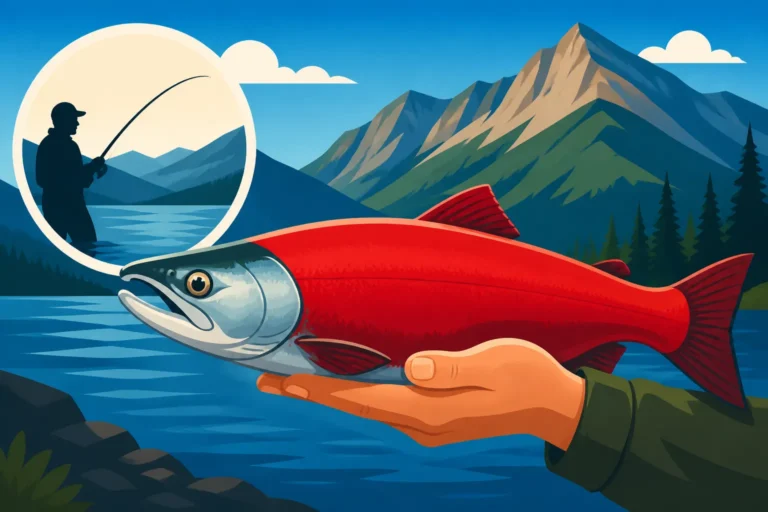
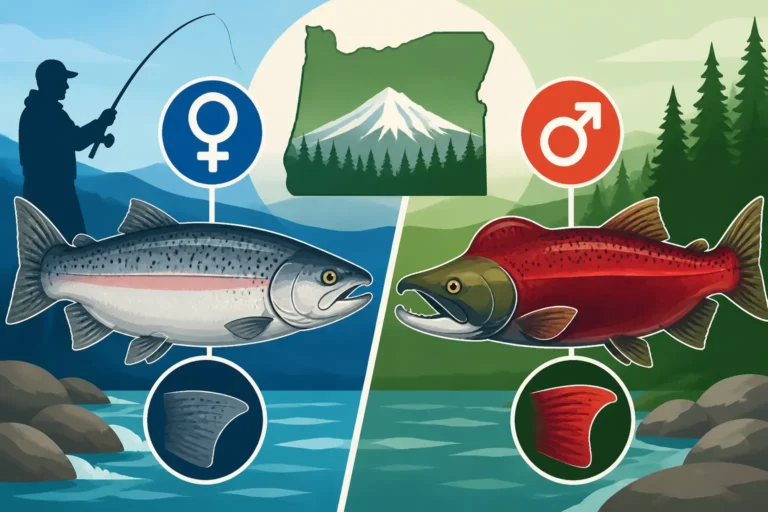
Once they enter freshwater, they generally stop feeding. Their bodies undergo further changes; males develop a hooked snout (kype) and often a reddish coloration, while females become darker. They rely on the fat reserves they built up in the ocean to fuel their journey upstream, battling currents, navigating obstacles, and eventually finding a mate. After spawning, their life cycle concludes, a powerful natural process detailed in Do salmon die after spawning in Oregon rivers?. This final journey is why catching them when they first enter the rivers, still plump and ocean-bright, is often the most desirable for both size and table fare.
Oregon's Coho Salmon: Local Variations and Records
Oregon is blessed with diverse fishing opportunities, and coho salmon are a significant part of that bounty. Their size can be influenced by the specific waters they inhabit and whether they originated in a hatchery or the wild.
Coastal Rivers vs. Columbia River Basin Coho
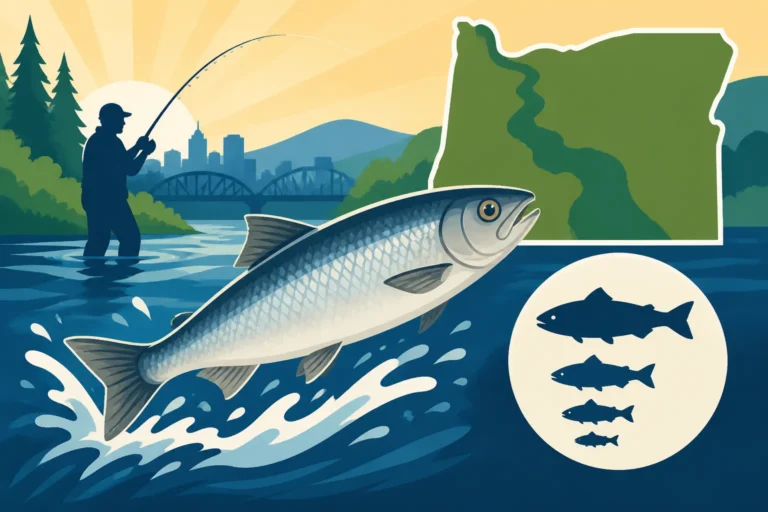
Oregon's coho salmon populations are primarily found in two main areas: the numerous coastal rivers that flow directly into the Pacific Ocean, and the vast Columbia River Basin. There can be subtle differences in the average size of coho caught in these distinct regions.
- Coastal Rivers: In rivers like the Nestucca, Siletz, or Alsea, coho often don't have as far to travel from the ocean to their spawning grounds. This can mean they enter the rivers in excellent condition, still packed with energy and muscle. You'll find a good mix of average-sized coho and occasional larger ones here, typically ranging from 6-10 pounds, with some reaching 12-15 pounds. The runs are often more spread out over the fall season.
- Columbia River Basin: Coho making their way up the Columbia River and into its tributaries, such as the Willamette or Sandy Rivers, have a much longer journey. While the Columbia is a major migratory highway for many salmon, coho here are generally similar in size to their coastal cousins, sometimes even growing larger due to the vast feeding opportunities in the plume of the Columbia. However, those that travel far upstream may show some signs of degradation as they near their final destinations, having expended considerable energy. Understanding the Columbia River Fishing Guide and its specific nuances is crucial for these fisheries.
The health of both these river systems, including the amount of cool, clean water and available spawning habitat, are continuously monitored and managed, impacting the overall productivity and size potential of these iconic fish.
Hatchery vs. Wild Coho Size
This is a common discussion among anglers, and it can indeed play a role in the size of coho you encounter. Oregon has both wild and hatchery-produced coho, and distinguishing them, often by the presence or absence of a fin clip, is important for adhering to Oregon Daily Bag Limits Explained and other regulations.
- Hatchery Coho: These fish are raised in controlled environments for their first year before being released into rivers to migrate to the ocean. They typically have a more consistent early growth rate due to a steady food supply and protection from predators. While in the ocean, their growth is still subject to the same factors as wild fish. Often, hatchery coho are targeted more heavily by anglers. They might be slightly smaller on average due to the sheer numbers released and the genetic diversity not being as wide as wild populations, but healthy hatchery fish can still reach impressive sizes. Many fishing guides use specific hatchery coho-focused techniques and gear, some of which you can easily find on Amazon, to maximize catch rates.
- Wild Coho: Wild coho, those born and raised entirely in natural river environments, are often lauded for their vigor and fighting spirit. Their early life in the river is more challenging, making them incredibly resilient. While they face natural selection pressures, wild coho that survive to reach the ocean and return often exhibit excellent growth. They might, on average, be slightly larger or more robust than their hatchery counterparts due to the 'survival of the fittest' principle at play in their natural upbringing. However, strict regulations, often found in the Oregon Fishing Regulations Explained booklet, are in place to protect wild coho populations, with many areas having mandatory catch-and-release rules for them.
It's important to know the difference, as ethical angling practices and conservation efforts prioritize the protection of wild populations.
Here's a quick comparison of average coho sizes:
| Type of Coho | Average Length (Inches) | Average Weight (Pounds) | Notable Characteristics |
|---|---|---|---|
| General Oregon Coho | 20-26 | 6-12 | Most common catch, strong fighters. |
| Trophy Coho | 28-35+ | 15-20+ | Less common, often older or in exceptionally good feeding areas. |
| Coastal River Coho | 20-26 | 6-12 | Good condition, shorter river migration. |
| Columbia River Coho | 20-28 | 7-14 | Similar to coastal, but sometimes larger, longer migration. |
| Hatchery Coho | 18-25 | 5-10 | Consistent early growth, often fin-clipped. |
| Wild Coho | 22-28 | 8-15 | Highly robust, natural selection at play. |
Oregon's Trophy Coho Catches
Oregon has a rich history of producing some truly remarkable coho salmon. While official state records track the largest fish ever caught, many anglers consider any coho over 15 pounds a true trophy. These larger fish often come from areas with exceptionally rich feeding grounds or are simply older, more mature individuals that have had an extra season or two in the ocean to bulk up.
Specific areas known for producing larger coho include the offshore waters of the Pacific Ocean, particularly during the early part of the ocean season when fish are still actively feeding. Coastal bays like Tillamook Bay or Winchester Bay, especially as fish first enter from the ocean, can also yield some impressive specimens before they've expended too much energy on their upstream migration. Many local tackle shops and online retailers, like Amazon, offer specialized gear for targeting these larger salmon, from heavy-action rods to durable reels.
While the quest for a trophy coho is exciting, every coho caught in Oregon represents a successful life cycle and a rewarding angling experience. The true joy often comes not just from the size of the fish, but from the incredible journey it took to get to your line, and the pristine Oregon waters it called home. Always remember to check the current Oregon Fishing Regulations Explained before you head out, and secure your Oregon Salmon and Steelhead Tag Requirements if you plan to keep these amazing fish!
Disclaimer
This article is for general informational purposes only and does not constitute professional advice. Laws, prices and regulations vary by location and change over time. Consult a qualified professional for guidance on your specific situation.