Oregon Warmwater Fish Species
Many anglers, when they think of fishing in Oregon, immediately picture pristine rivers teeming with salmon and steelhead, or high mountain lakes full of trout. And while it's true that our state offers some world-class coldwater fishing, it’s a big mistake to overlook the incredible warmwater fishing opportunities that abound here. If you've ever felt like the coldwater scene is a bit too technical, crowded, or just not your speed, you're not alone. This guide is here to introduce you to a whole different side of Oregon angling, one filled with powerful bass, plentiful panfish, and some truly unique catches that thrive in our warmer waters.
What Exactly Are Warmwater Fish Species?
When we talk about "warmwater" fish, we're really defining a group of species that thrive in water temperatures generally above 60-65 degrees Fahrenheit. This is a stark contrast to the trout, salmon, and steelhead many people associate with Oregon, which prefer cooler, often fast-moving, oxygen-rich waters. The beauty of warmwater fishing is that it opens up a huge array of different environments and techniques, offering a fantastic alternative or addition to your fishing pursuits.
Defining "Warmwater" in Oregon's Context
In Oregon, "warmwater" doesn't necessarily mean tropical, but rather specific bodies of water that consistently reach higher temperatures during the warmer months, or whose average year-round temperatures are simply above what coldwater species prefer. Think of the broad, slow-moving sections of the Willamette River, the expansive reservoirs of central and eastern Oregon, or the numerous lowland lakes and ponds that dot the landscape. These environments tend to have more aquatic vegetation, often less current, and naturally warm up significantly under the summer sun.
Unlike coldwater species that might go dormant or seek thermal refuge when temperatures climb, warmwater species become more active, feeding aggressively and growing quickly. Their entire metabolism is geared towards these warmer conditions, which makes them exciting targets for anglers throughout the spring, summer, and even into early fall. It's a completely different rhythm of fishing, one that rewards patience and an understanding of how fish relate to cover and structure in these warmer, often murkier, environments.
Why Oregon Has Thriving Warmwater Fisheries
Oregon's diverse geography is a huge factor in why we have such robust warmwater fisheries. While the Cascades feed many of our famous cold, clear rivers, the vast majority of our state is not mountainous. We have extensive lowlands, broad river valleys, and arid eastern regions with large irrigation reservoirs. Many of the warmwater species found here, like largemouth and smallmouth bass, crappie, and bluegill, are not native to Oregon. They were introduced over the decades, often intentionally, to provide additional angling opportunities. These species have found ideal homes in places like the numerous sloughs and backwaters of the Willamette and Columbia Rivers, the sprawling Fern Ridge Reservoir, and the warm, fertile waters of the Owyhee Reservoir.
These introduced species have carved out successful niches, often reproducing prolifically and growing to impressive sizes. The fact that many of these species face fewer natural predators or competition in their new homes, coupled with abundant food sources like minnows, crawfish, and insects, has allowed them to thrive. For the angler, this means consistent action and the chance to catch a variety of hard-fighting and often delicious fish. It's a testament to the adaptability of these species and the foresight of those who helped establish these fisheries, giving us so many more reasons to grab a rod and head to the water.
The Prolific Largemouth Bass: Oregon's Greenbacks
Ah, the largemouth bass – the king of the lily pads and submerged timber! If you're looking for a hard-fighting fish that will test your casting accuracy and patience, the largemouth is your ultimate quarry in Oregon's warmer waters. These "greenbacks," as they're affectionately known, are ambush predators, perfectly camouflaged and masters of stealth. The thrill of a largemouth exploding on a topwater lure near a brush pile is something every angler should experience at least once. They demand a different approach than typical trout fishing, often requiring precise presentations and a keen eye for subtle signs of their presence.
Where to Find Oregon's Biggest Bass
When it comes to trophy largemouth bass in Oregon, you need to think structure, cover, and plenty of warmer, shallower water. Some of the state's premier destinations for these chunky fish include the legendary Tenmile Lakes on the coast, known for producing absolute giants. Further inland, Henry Hagg Lake near Forest Grove is another hotspot, with plenty of submerged timber, weed lines, and rocky points where bass love to hide. And let's not forget Fern Ridge Reservoir outside Eugene, which boasts extensive shallow areas perfect for largemouth to feed and spawn.
Beyond these well-known lakes, countless smaller ponds, farm ponds (with permission, of course!), and the backwaters and sloughs of larger river systems like the Willamette River are absolute treasures for largemouth. They are masters of blending in, so look for them lurking around fallen trees, docks, thick lily pads, submerged brush, and even abrupt changes in bottom contour. Learning to "read the water" for largemouth often means looking for these visual cues that scream "bass habitat." It's a quest that takes you to some truly peaceful and scenic spots across the state, far from the rushing currents of a steelhead river.
Top Techniques for Hooking Largemouth
Fishing for largemouth bass is all about versatility and adapting to conditions. In the spring and fall, when they're actively feeding in shallower water, fast-moving baits like spinnerbaits and crankbaits can be incredibly effective for covering water and locating active fish. As summer heat sets in and bass often retreat to deeper, cooler cover, plastic worms, jigs, and creature baits become go-to choices for "finesse" presentations, slowly worked through dense vegetation or along submerged ledges.
But perhaps the most exciting way to catch a largemouth is with topwater lures. Poppers, walk-the-dog baits, and frogs fished over lily pads can induce explosive strikes that will make your heart pound. The key is to match your presentation to the structure and the mood of the fish. Sometimes they want a fast, aggressive retrieve, other times a slow, methodical crawl. Experimentation is crucial, and having a diverse tackle box filled with different lure types and colors, perhaps sourced from a wide selection found on sites like Amazon, will greatly increase your chances of success. It's a game of strategy, much like chess, where every cast is a calculated move to entice a bite.
The Joy of Largemouth Bass Fishing: Gear and Strategy
Successfully targeting largemouth bass requires a slightly different gear setup than your typical trout or salmon rig. A medium-heavy to heavy action spinning or baitcasting rod, paired with a reel spooled with 10-20 lb monofilament or fluorocarbon line, is generally ideal. Braided line is also a popular choice, especially when fishing around heavy cover, as it offers superior strength and sensitivity. For those really digging into the sport, investing in specialized bass rods designed for specific techniques, like flipping or cranking, can make a noticeable difference in performance.
Beyond the rod and reel, a good pair of polarized sunglasses is indispensable for spotting submerged structure and cruising fish. A tackle box loaded with a variety of soft plastics, jigs, spinnerbaits, and topwater lures will ensure you're ready for any situation. The real strategy comes down to understanding bass behavior throughout the seasons. In spring, they're often shallow, preparing to spawn. In summer, they seek shade and deeper cover during the day, becoming more active at dawn and dusk. Fall sees them feeding heavily again before winter slows them down. Being observant, patient, and willing to try different presentations are the hallmarks of a successful bass angler. It’s a rewarding pursuit that combines skill, knowledge, and the thrill of the chase.
Smallmouth Bass: River Fighters of the East
While largemouth bass are typically found lounging in the calm, vegetated waters, their feisty cousins, the smallmouth bass, prefer a more adventurous life. These bronze warriors are absolute powerhouses, known for their incredible fight, aerial acrobatics, and preference for rocky, current-swept environments. If you enjoy fishing moving water but want a break from the often-finicky salmon and steelhead, smallmouth bass offer an exhilarating alternative. They might not get as big as some of the true lunker largemouth, but pound for pound, they deliver an unforgettable fight, often in some of Oregon's most scenic river canyons.
Prime Smallmouth Waters Across Oregon
When you think smallmouth bass in Oregon, your mind should immediately drift east, to the iconic John Day River Fishing Guide. This free-flowing river is a smallmouth paradise, with miles of prime habitat filled with basalt ledges, boulder fields, and riffles where these fish ambush their prey. Floating or wading the John Day offers an incredible experience, often with little company. Another fantastic destination is the Umpqua River in Southern Oregon, particularly its middle and lower sections, which provide excellent smallmouth opportunities.
Beyond these famed rivers, the Columbia River and many of its tributaries (especially those with a rockier bottom and decent current flow) also hold strong populations of smallmouth. Look for them around bridge pilings, rocky points, current breaks, and confluence areas where tributaries meet the main stem. They are less about the thick weeds and more about the hard structure and moving water. Understanding these habitat preferences is key to locating concentrations of smallmouth, allowing you to focus your efforts where they're most likely to be holding.
Tactics for Tackling Smallmouth Bass
Smallmouth bass are opportunistic feeders and will strike a wide variety of lures and baits. When fishing rivers, jigs and tube baits are incredibly effective, mimicking crawfish or baitfish that are common in their diet. Casting these lures upstream and allowing them to drift naturally with the current, while maintaining contact with the bottom, is a deadly technique. Spinnerbaits and crankbaits also work well, especially when you're covering a lot of water. Fly anglers will find smallmouth eager to hit poppers, streamers, and crawfish patterns, providing fantastic action on the long rod.
One of the great joys of smallmouth fishing is their aggressive nature. They'll often hit a lure hard, making for exciting strikes. Focus your efforts on current seams, the eddies behind large boulders, and areas where slower water meets faster currents. Pay attention to structure both above and below the water, as these fish are almost always associated with some kind of cover. And don't be afraid to experiment with retrieves – sometimes a fast, erratic jigging motion is key, while other times a slow, deliberate presentation will entice a strike.
Smallmouth's Environmental Role and Management
It's important to acknowledge that smallmouth bass, while incredibly fun to catch, are not native to Oregon. They were introduced many years ago and have, in some areas, had an impact on native fish populations, particularly salmon and steelhead smolts, which they will readily prey upon. Because of this, the Oregon Department of Fish and Wildlife often encourages the harvest of smallmouth bass, especially in certain river systems, by setting very liberal or even no daily bag limits. This is a topic explored more deeply in Why is there no limit on smallmouth bass in Oregon.
For anglers, this management approach means you can enjoy catching and keeping these delicious fish without worrying about strict regulations. It’s a unique situation where your recreational fishing can actually contribute to the conservation goals for native species. So, if you're looking for a challenging fight and a tasty dinner, targeting smallmouth bass in Oregon's eastern rivers offers a fantastic and ethically sound angling experience.
Crappie & Bluegill: Panfish Fun for Everyone
If you're looking for pure, unadulterated fishing fun, especially with kids or new anglers, then crappie and bluegill are your go-to species in Oregon. These "panfish" are aptly named because their size often perfectly fits a frying pan, and they are notoriously easy to catch, prolific, and absolutely delicious. There's a special kind of joy in watching a bobber dance and disappear, knowing a feisty crappie or bluegill is on the other end. These species offer accessible angling that can be enjoyed by everyone, regardless of skill level, making them fantastic entry points into the sport.
The Best Spots for Crappie in Oregon
Crappie, both black and white varieties, are gregarious fish that love to hang out in schools around submerged structure. In Oregon, you'll find excellent crappie fishing in many of the same reservoirs and lakes that hold largemouth bass, as they share similar habitat preferences for warmer, calmer waters. Fern Ridge Reservoir is a fantastic crappie destination, with its numerous brush piles and submerged timber providing ideal cover. Owyhee Reservoir in Eastern Oregon is another famous crappie fishery, often yielding impressive numbers and sizes.
Look for crappie around old submerged trees, brush piles, dock pilings, and weed lines. They often suspend at certain depths, so finding that "crappie zone" is key. Many anglers use fish finders to pinpoint schools, especially in deeper water. Once you find them, you can often catch them one after another, making for incredibly productive and exciting fishing trips. These are not fish that require specialized gear or obscure locations; they are truly democratic in their availability.
Simple Strategies for Catching Panfish
The beauty of panfish like crappie and bluegill is that they are not picky. A simple setup is all you need: a lightweight spinning rod, a small bobber, a light line (4-6 lb test), and a small hook. The bait can be as straightforward as a piece of worm, a kernel of corn, or even a tiny marshmallow. For crappie specifically, small jigs (1/32 to 1/16 oz) tipped with a grub or minnow imitation are incredibly effective.
The technique is equally simple: cast near structure, let your bait or jig sink to the desired depth, and wait for that telltale tug. For bluegill, they'll often be shallower, right against the bank in calmer waters, making them perfect targets for young anglers. Crappie might be slightly deeper, but once you find their school, the action can be non-stop. This ease of capture, combined with the sheer numbers you can sometimes catch, makes panfishing an ideal activity for introducing kids to the joys of angling, often creating lifelong memories. Check out Oregon Fishing Rules for Kids and Seniors for specific regulations concerning youth fishing.
The Delight of Panfish for Families
There's something truly special about a family fishing trip where everyone is catching fish, and panfish provide that opportunity in spades. Imagine a warm summer afternoon, the sun sparkling on the water, and every member of the family getting bites and reeling in fish. Crappie and bluegill are abundant, accessible, and require minimal gear, making them perfect for beginners of all ages. They fight hard enough to be exciting, but not so hard that they're difficult to land.
Beyond the thrill of the catch, panfish are also excellent table fare. Lightly breaded and fried, they make for a delicious meal, completing the full circle of the fishing experience. It’s about more than just catching fish; it's about spending time outdoors, learning patience, and enjoying the simple pleasures of nature. If you're planning a family outing, consider places known for their panfish populations, and remember that Oregon Family Fishing License Options might make it easier and more affordable for everyone to participate. These experiences often foster a deep appreciation for the outdoors and become cherished traditions for years to come.
Walleye: The Elusive Eaters of Eastern Oregon
Often overshadowed by salmon and trout, the walleye is a highly prized game fish for those in the know, especially in the eastern reaches of Oregon. Known for their striking, glass-like eyes (which help them see in low light), sharp teeth, and famously delicious fillets, walleye are a challenging but incredibly rewarding catch. They tend to be more elusive than bass or panfish, often preferring deeper, cooler sections of rivers and reservoirs, even within traditionally warmwater zones. For the angler seeking a different kind of challenge and a truly exceptional eating fish, the walleye is definitely worth the pursuit.
Walleye Strongholds in Oregon
When it comes to walleye in Oregon, the mighty Columbia River and its impoundments are the undisputed hotspots. Specifically, the reservoirs like McNary Pool and The Dalles Pool offer prime walleye habitat. These sections of the river feature deep channels, rocky ledges, and ample baitfish, which walleye absolutely thrive on. Further south, the John Day River Fishing Guide also boasts a solid population of walleye, particularly in its lower sections closer to the Columbia.
These areas provide the perfect blend of warmer water (though walleye still prefer to be deeper and out of direct sun), abundant food, and the structural complexities that walleye use for ambush points. While they might be present in other smaller warmwater lakes, the Columbia and John Day systems are where you'll find the most consistent and often largest walleye populations. Learning the specific contours and submerged features of these large bodies of water, often with the aid of modern sonar, can significantly increase your success rate.
Specific Walleye Fishing Techniques
Walleye fishing often requires a methodical approach, as these fish are not typically as aggressive as bass. Jigging is a cornerstone technique, using jigs tipped with bait (like nightcrawlers or minnows) or soft plastic trailers. Drifting or slow-trolling with bottom bouncers and worm harnesses is another extremely effective method, especially for covering large areas and finding active fish. Crankbaits, particularly those designed to dive to specific depths, can also be very productive, mimicking the baitfish walleye feed on.
One unique aspect of walleye fishing is their preference for low light. Many dedicated walleye anglers find their best success during dawn, dusk, or even at night. Their large eyes, which are highly adapted to low light conditions, give them an advantage over their prey during these times. This means that if you're willing to brave the chill of early morning or the quiet of night, you might be handsomely rewarded with a cooler full of delicious walleye fillets.
The Walleye Challenge and Reward
Catching walleye is often seen as a significant achievement among warmwater anglers, primarily because of their elusive nature and the skill required to consistently hook them. They are not always easy to locate, and their bites can be incredibly subtle, sometimes feeling like just a slight tick on the line. This requires a heightened sense of feel and quick reflexes to set the hook. However, the reward for this challenge is immense.
Beyond the satisfaction of outsmarting a cunning predator, walleye are renowned for their culinary value. Their firm, flaky, white meat is considered among the best-tasting freshwater fish, making every successful catch even more desirable. To properly equip yourself for this pursuit, consider looking for specialized walleye rods that offer enhanced sensitivity, as well as a good selection of jigs, bottom bouncers, and crankbaits, which can be easily found on platforms like Amazon. The combination of the hunt, the fight, and the delicious reward makes walleye fishing a truly unique and fulfilling experience in Oregon.
Catfish Species: Bottom Dwellers of Oregon's Rivers and Lakes
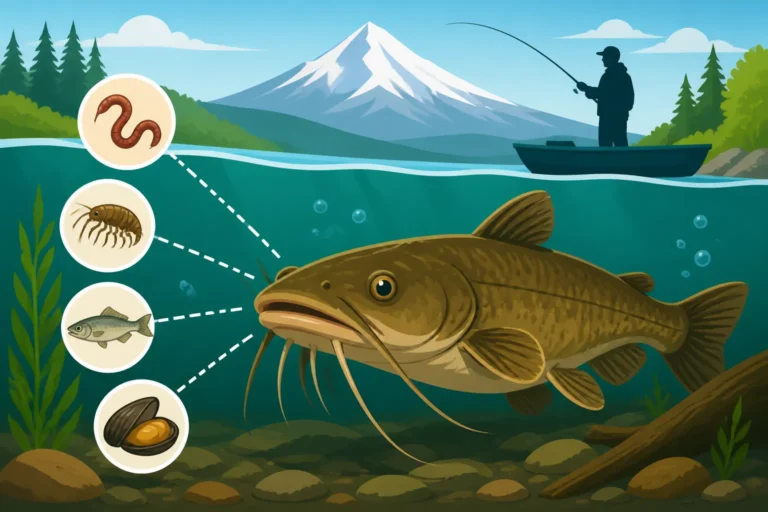
While some anglers chase the flashiest or most acrobatic fish, there's a quiet satisfaction in targeting catfish. Oregon's warm waters are home to robust populations of both channel catfish and brown bullheads, offering a completely different kind of angling experience. These whiskered bottom-dwellers are known for their powerful, stubborn fights and their incredible value as table fare. If you appreciate a strong pull on your line and don't mind getting a little messy with bait, catfishing can be one of the most relaxing and productive ways to spend a day or evening on the water.
Channel and Bullhead Catfish Hotspots
Oregon provides ample opportunities for catfishing, particularly in its larger, slower-moving river systems and numerous ponds and lakes. The Willamette River, especially its lower and middle sections with their muddy bottoms and slower currents, is a prime location for both channel catfish and brown bullheads. The Columbia River Fishing Guide is also excellent, with its many backwaters and slower channels providing ideal catfish habitat. Beyond these major rivers, many smaller ponds, urban lakes, and irrigation reservoirs scattered across the state hold healthy populations.
Channel catfish prefer slightly clearer, moving water than bullheads, which thrive in muddier, weedier conditions. You'll often find them lurking in depressions, around submerged logs, or near the mouths of creeks and sloughs where food washes in. Night fishing for catfish is particularly popular and effective, as these nocturnal predators become more active under the cover of darkness. Finding a peaceful spot on a warm evening, setting out a few rods, and waiting for that distinctive catfish bite can be incredibly serene.
Tried-and-True Catfishing Methods
Catfishing is often a lesson in simplicity and patience. The most effective methods involve presenting a smelly bait directly on the bottom. Classic baits include cut bait (like pieces of sardine or anchovy), chicken livers, and various "stink baits" or dough baits specially formulated for catfish. Worms (nightcrawlers or garden worms) are also consistently effective, especially for bullheads.
A basic bottom rig, often a slip sinker rig with a hook tied directly to your main line or a short leader, is all you need. The slip sinker allows the fish to pick up the bait and move off without immediately feeling the weight of the sinker, increasing your hook-up ratio. A medium-heavy rod with a sturdy reel spooled with 10-20 lb test line will handle even the biggest Oregon catfish. Catfishing doesn't require constant casting or intricate retrieves; it's more about letting the fish come to you, making it a truly relaxing form of angling.
Why Catfishing is a Unique Oregon Experience
Catfishing offers a distinct change of pace from other types of fishing. It's often a social activity, enjoyed with friends or family, sitting by the water, telling stories, and waiting for a bite. The fight of a catfish is unmistakable – a deep, powerful tug and a stubborn refusal to give up, often characterized by strong head shakes and deep dives. Landing a large channel catfish can be quite a battle, a test of strength and endurance.
And then there's the eating. Like walleye, catfish are highly regarded for their firm, mild, white meat. Freshly caught and fried, they are a true delicacy. The combination of an accessible, enjoyable fishing experience with a delicious meal makes catfishing a standout option for any angler in Oregon looking for something a bit different. It connects you to a more primal form of fishing, one that has been enjoyed by generations, and offers a unique rhythm to your time outdoors.
Other Notable Warmwater Species and Their Habitats
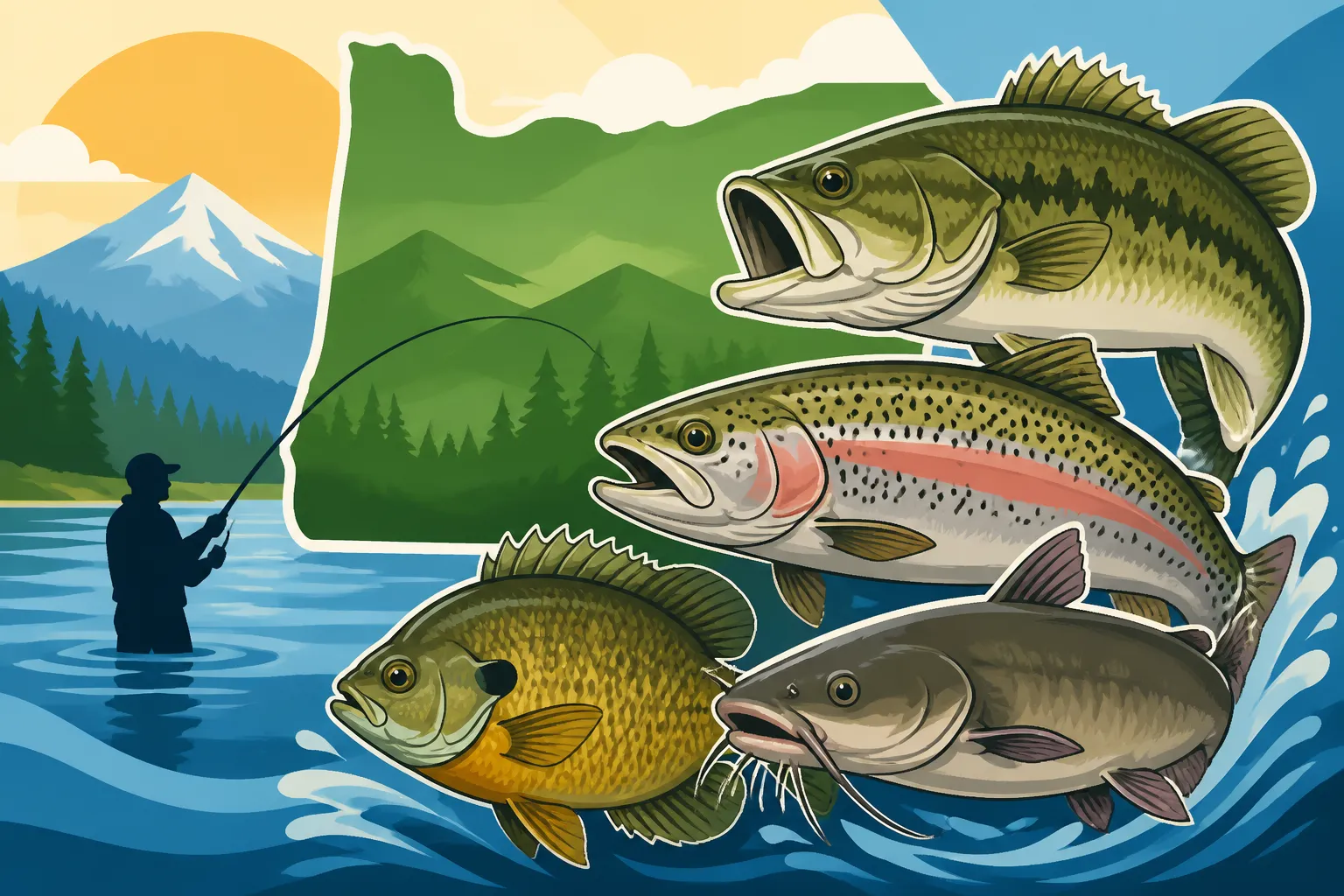
While bass, crappie, bluegill, walleye, and catfish form the backbone of Oregon's warmwater fisheries, the state's diverse aquatic environments are home to several other intriguing species that deserve recognition. From the ubiquitous yellow perch to the rare and formidable tiger muskie, these additional players add even more depth and variety to the warmwater angling scene. Exploring these less common, but equally rewarding, targets can open up new adventures and expand your understanding of Oregon's freshwater ecosystems.
Yellow Perch and Sunfish
Yellow perch are a common and beloved panfish in many of Oregon's lakes and reservoirs. They're easily identifiable by their distinctive vertical stripes and often thrive in similar habitats to crappie and bluegill. While typically smaller than crappie, they make up for it in sheer numbers and aggressive bites. They are often targeted with small jigs, worms, or even tiny spoons, especially during the colder months or through the ice in certain areas (though ice fishing opportunities are limited in Oregon). Yellow perch also make excellent table fare, with sweet, flaky meat.
Beyond the primary panfish, various other sunfish species, like pumpkinseeds and green sunfish, populate Oregon's warmer ponds and slow-moving waters. While often small, they are incredibly colorful and provide endless entertainment for anglers, particularly children. They are rarely picky, attacking tiny worms or bits of bait with gusto. These smaller sunfish truly embody the spirit of accessible, fun fishing for everyone.
Tiger Muskie: The Apex Predator
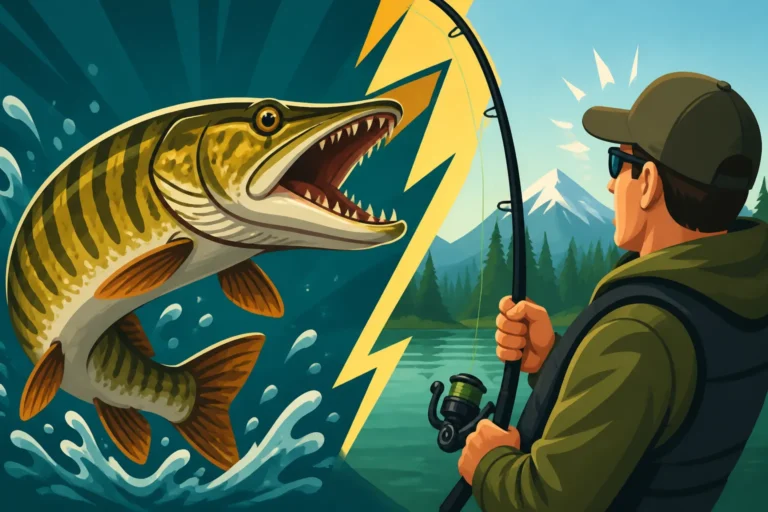
Now for something completely different! The tiger muskie is a hybrid cross between a muskellunge and a northern pike, and it's a true apex predator in the waters it inhabits. In Oregon, the most famous (and virtually only) place to find these incredible fish is Crane Prairie Reservoir in Central Oregon. They are a unique management tool, introduced to control invasive species like tui chub, but they've become a cult favorite for trophy hunters.
Targeting tiger muskie is not for the faint of heart. These fish are known as "the fish of 10,000 casts" for a reason – they are incredibly elusive and difficult to entice. Anglers typically use large swimbaits, jerkbaits, and spinnerbaits, often requiring heavy gear and immense patience. The reward, however, is an unforgettable battle with a powerful, toothy monster that can reach impressive sizes. Catching a tiger muskie in Oregon is a bucket-list achievement for many anglers, requiring dedication and specific knowledge of their habits and habitat, a topic often discussed in articles like How long does it take to catch a tiger muskie. Due to their rarity and management objectives, tiger muskie fishing is often catch-and-release only, emphasizing the challenge of the chase rather than the harvest.
Understanding Management of Non-Native Species
Many of Oregon's popular warmwater game fish, including largemouth bass, smallmouth bass, crappie, bluegill, walleye, and even tiger muskie, are not native to the state. They were introduced over the past century to create new recreational fishing opportunities and, in some cases, for biological control. While these introductions have provided fantastic angling, they also come with ecological considerations.
State fisheries managers carefully balance the recreational benefits of these species with their potential impacts on native fish populations, particularly endangered salmon and steelhead. This is why you'll often see liberal or no bag limits on species like smallmouth bass in certain river systems, encouraging harvest to mitigate their predation on juvenile salmonids. Conversely, highly managed species like tiger muskie might have strict catch-and-release rules or limited harvest seasons to maintain their population at a specific level for their intended purpose. Understanding these nuances, often detailed in the Oregon Fishing Regulations Explained, helps anglers appreciate the complex tapestry of Oregon's fisheries management and how their fishing activities fit into the larger ecological picture. It’s a dynamic landscape where conservation and recreation continually intersect.
Here's a quick overview of some popular warmwater species in Oregon:
| Species | Preferred Habitat | Typical Size (Oregon) | Primary Fishing Method | Notes |
|---|---|---|---|---|
| Largemouth Bass | Weedy lakes, sloughs, submerged timber, docks | 1-5 lbs, up to 10+ lbs | Lures (plastics, crankbaits), live bait | Explosive strikes, popular for tournaments. |
| Smallmouth Bass | Rocky rivers, current breaks, clear reservoirs | 0.5-3 lbs, up to 6+ lbs | Jigs, tubes, spinnerbaits, flies | Hard fighter, often encouraged for harvest due to non-native status. |
| Black Crappie | Brush piles, submerged trees, deep weed lines | 0.5-1.5 lbs | Small jigs, minnows, bobber & bait | Schooling fish, excellent eating, great for kids. |
| Bluegill | Shallow, weedy areas, docks, calm ponds | 0.25-1 lbs | Worms, crickets, small jigs | Abundant, easy to catch, perfect for beginners. |
| Walleye | Deep, rocky sections of large rivers & reservoirs | 2-8 lbs, up to 15+ lbs | Jigging, trolling, bottom bouncers | Delicious fillets, active in low light. |
| Channel Catfish | Muddy bottoms, slow currents, deeper holes | 2-15 lbs, up to 30+ lbs | Stink bait, cut bait, worms | Strong fighters, nocturnal, good eating. |
| Brown Bullhead | Muddy, weedy ponds, slow river sections | 0.5-2 lbs | Worms, corn, stink bait | Very common, hardy, easy to catch. |
| Yellow Perch | Lakes & reservoirs, usually near structure | 0.25-1 lb | Small jigs, worms, ice fishing | Schooling fish, good eating, often caught by accident. |
| Tiger Muskie | Crane Prairie Reservoir (primarily) | 20-40+ inches | Large swimbaits, jerkbaits, flies | Rare, trophy fish, mostly catch-and-release. |
Disclaimer
This article is for general informational purposes only and does not constitute professional advice. Laws, prices and regulations vary by location and change over time. Consult a qualified professional for guidance on your specific situation.