Oregon Sturgeon Retention Season Timing
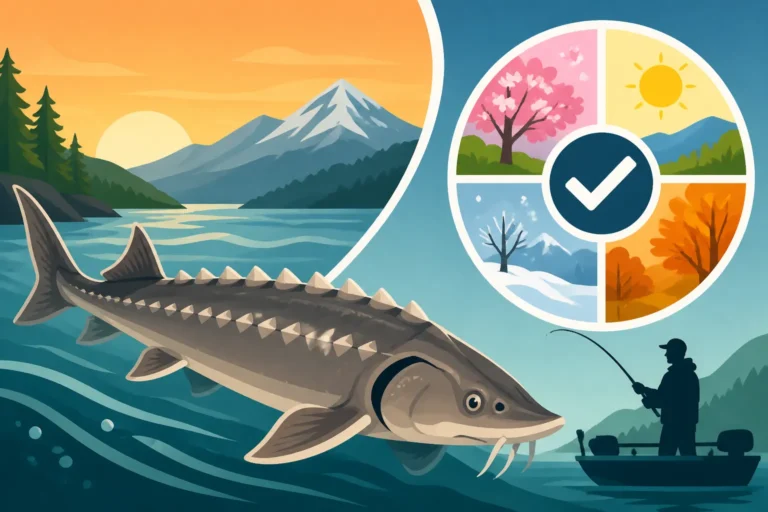
Oh, the elusive Oregon sturgeon retention season! If you've ever tried to keep a legal sturgeon in Oregon, you know the feeling of trying to hit a moving target. It's not like trout season where you can generally count on certain dates. Sturgeon retention is a whole different ball game, often announced with little warning and sometimes closed just as quickly. It can be incredibly frustrating to try and plan a trip only to find out the season you hoped for is already over or hasn't even been announced yet. This comprehensive guide is here to clear up the confusion, explaining how these highly anticipated, yet often fleeting, opportunities work in Oregon.
Understanding Oregon's Sturgeon Management
Sturgeon are ancient, magnificent fish, and fishing for them is a truly unique experience. However, their incredible lifespan and slow reproductive rates mean they require very careful management, especially when it comes to keeping them. Oregon, like many states with healthy sturgeon populations, has robust conservation efforts in place.
Why Sturgeon Seasons Are So Strict
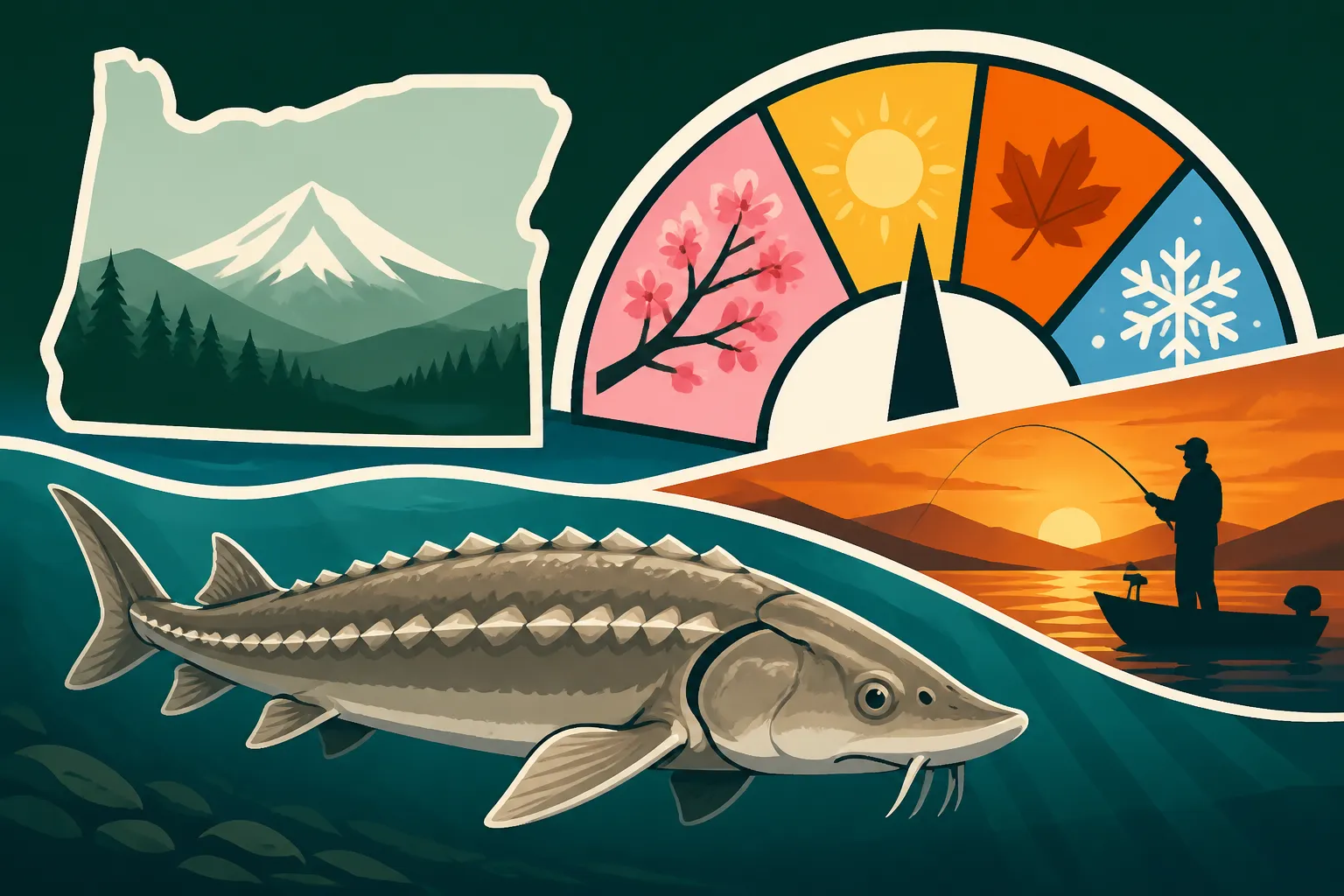
Imagine a fish that can live for over 100 years, grow to be over 10 feet long, and doesn't even reach sexual maturity until it's 10-20 years old. That's a white sturgeon for you! This incredibly long lifespan and delayed reproduction make them particularly vulnerable to overfishing. If too many adult sturgeon are removed from the population, it takes decades, sometimes even generations, for those numbers to recover. It's not like catching a trout, where populations can bounce back fairly quickly. With sturgeon, every fish counts.
Historically, sturgeon populations faced significant pressure from commercial fishing and habitat degradation. While populations have rebounded considerably thanks to conservation, strict regulations are still necessary to ensure these living dinosaurs continue to thrive. Balancing the desire of anglers to take home one of these incredible fish with the long-term health of the species is a delicate act, and it's why you see such tight controls on retention seasons.
Catch-and-Release vs. Retention Fishing
For the vast majority of your sturgeon fishing adventures in Oregon, you'll be participating in what's known as catch-and-release. This means you hook the fish, fight it, bring it to the boat or shore, admire it, and then carefully release it back into the water unharmed. It's an exhilarating experience in itself, and it allows for countless hours of enjoyment without impacting the population. In many waters, this is the only option.
Retention fishing, on the other hand, is when you are legally allowed to keep a sturgeon within a specific size slot. These opportunities are much rarer and are often short-lived, governed by strict quotas. The Oregon Department of Fish and Wildlife (ODFW) manages these retention seasons with extreme caution, often closing them once a predetermined number of fish have been harvested. It's vital to understand that if an area is not explicitly open for retention, you must release any sturgeon you catch. This distinction is critical for staying within the law and doing your part for conservation.
Columbia River Sturgeon Retention Season
The mighty Columbia River is arguably the most famous sturgeon fishery in Oregon, drawing anglers from all over the world. However, even here, retention opportunities are carefully metered out, primarily focusing on specific sections and times of the year.
The Lower Columbia River Below Bonneville Dam
When people talk about Oregon sturgeon retention, they are almost always referring to the Lower Columbia River, specifically the stretch below Bonneville Dam. This area supports a robust population of white sturgeon and is the state's primary focus for retention opportunities. However, these seasons are anything but predictable. They are typically short, often lasting only a few days or even just a handful of hours, and they're always dependent on reaching a pre-set quota.
ODFW, in conjunction with Washington Department of Fish and Wildlife (WDFW), sets these seasons based on in-season updates of the sturgeon population and harvest rates. You might see a short window open in late spring or early summer, and sometimes another opportunity arises in the late fall. These windows can be announced with very little lead time, so staying glued to the ODFW news releases and fishing reports is absolutely essential. For instance, in recent years, the lower Columbia has seen retention windows that sometimes last only one or two days, or specific days of the week, quickly closing once the harvest guideline is met. The legal slot limit for keeping a sturgeon in this area has historically been between 38 and 54 inches fork length, but this is always subject to change, so confirming the current Columbia River Sturgeon Slot Limit Explained is paramount.
The Bonneville Pool and Upstream Areas
Moving upstream from Bonneville Dam, into areas like the Bonneville Pool, The Dalles Pool, and the McNary Pool, sturgeon retention becomes an even rarer event. While these pools hold healthy sturgeon populations, they are managed differently due to various factors, including the health of specific sub-populations and broader conservation goals. Often, these areas are designated as entirely catch-and-release, year-round.
There have been occasional, very brief, and highly restricted retention fisheries in some of these upstream pools, but these are truly the exception rather than the rule. If such an opportunity arises, it will be communicated with extreme specificity by ODFW, detailing exact dates, times, and potentially even smaller slot limits or bag limits than those found on the Lower Columbia. Anglers who venture into these upstream pools should always assume catch-and-release unless they have unequivocally confirmed an open retention season for that specific pool. It’s a testament to the fragility and importance of sturgeon in these reaches that such stringent measures are consistently applied.
Willamette River Sturgeon Retention Season
While the Willamette River, especially its lower reaches, is home to a significant population of white sturgeon, retention opportunities here are even more limited and sporadic than on the Columbia River. The focus on the Willamette is overwhelmingly on conservation and catch-and-release.
The Lower Willamette Below Willamette Falls
The Lower Willamette River, stretching from its confluence with the Columbia River upstream to Willamette Falls in Oregon City, holds a robust population of sturgeon. Anglers regularly enjoy fantastic catch-and-release fishing here, hooking into plenty of active fish. However, when it comes to keeping a sturgeon, opportunities have been few and far between in recent years. Historically, there have been some very brief, highly regulated retention seasons in the Lower Willamette, but these are not an annual occurrence you can count on.
The management of Willamette River sturgeon involves unique challenges, including habitat within an urbanized corridor and distinct population dynamics. While the population is generally healthy, ODFW errs on the side of caution to ensure its long-term stability. Therefore, if you're planning a sturgeon trip on the Willamette, you should absolutely prepare for a catch-and-release experience. Always check the very latest ODFW regulations, as any retention season in this area would be a special announcement, often with tight bag limits and specific slot sizes. It's often the case that Is Willamette River sturgeon catch-and-release only? becomes a standing rule.
Above Willamette Falls and Tributaries
For anyone considering fishing for sturgeon above Willamette Falls or in any of the Willamette River's tributaries, the rule is unequivocally clear: it is strictly catch-and-release. The sturgeon population found above Willamette Falls is genetically distinct and geographically isolated from the lower river and Columbia River populations. These "landlocked" sturgeon are considered a unique and highly valued part of Oregon's natural heritage.
Due to their isolated nature and specific conservation status, there are no retention seasons for sturgeon above Willamette Falls or in any of the tributary systems like the Clackamas, Santiam, or McKenzie Rivers. Anglers fortunate enough to hook into one of these fish in these areas are required by law to release them immediately and unharmed. This strict regulation ensures the protection and continued survival of this special segment of Oregon's sturgeon population.
Other Oregon Waters and Specific Regulations
While the Columbia and Willamette Rivers are the main stories for sturgeon fishing in Oregon, it's worth understanding the status of these incredible fish in other parts of the state and the fundamental requirements for pursuing them.
Coastal Bays and Estuaries
Oregon's beautiful coastal bays and estuaries are teeming with marine life, and sometimes, sturgeon can be found there as well. However, when it comes to retention, the rules are very different from the Columbia River. In bays like Tillamook Bay, Yaquina Bay, or Coos Bay, fishing for sturgeon is almost exclusively a catch-and-release affair. You might hook into a white sturgeon, similar to those in the Columbia, but critically, you could also encounter a Green Sturgeon.
Green Sturgeon are a federally protected species under the Endangered Species Act. They are easily identifiable by their olive-green color, distinct scutes, and a more pointed snout compared to the white sturgeon. If you ever hook a green sturgeon, it is absolutely imperative to release it immediately and without harm. Retention of any sturgeon species in Oregon's coastal waters is exceedingly rare, if not entirely prohibited, so always assume catch-and-release is the only option and verify current regulations thoroughly if you have any doubts. It's better to be safe than face serious penalties for keeping a protected species.
License and Endorsement Requirements
Before you even think about dropping a line for sturgeon in Oregon, whether for retention or catch-and-release, you absolutely must have the correct licenses and endorsements. Fishing without the proper permits is not only illegal but can result in hefty fines and penalties, completely ruining what should be an enjoyable day on the water. If you're caught Fishing Without a License Penalties in Oregon can be quite severe.
Every angler in Oregon needs a valid Oregon Fishing License Guide. For adults, this means either an annual license or a valid temporary license like a 1-day or multi-day option. Beyond the basic license, sturgeon retention generally requires additional tags. The most common is the Oregon Combined Angling Tag Guide, which covers species like salmon, steelhead, and sturgeon. Furthermore, if you plan to fish for sturgeon on the Columbia River, you'll likely need the Oregon Columbia River Basin Endorsement. This endorsement helps fund management and restoration efforts within the Columbia River Basin. All these licenses and tags are mandatory, and it's your responsibility to ensure you have them before you start fishing. You can purchase these through the ODFW website or at licensed vendors.
Preparing for a Sturgeon Retention Opportunity
Given how limited and unpredictable sturgeon retention seasons can be, being prepared is half the battle. When the window opens, you want to be ready to go, not scrambling for gear or trying to figure out the rules.
Essential Gear and Tackle
Sturgeon are powerful fish, and successfully landing one requires robust tackle. You wouldn't bring a trout rod to a sturgeon fight, that's for sure! Investing in appropriate gear not only increases your chances of success but also ensures the safety of both you and the fish, especially when practicing catch-and-release.
For rods, think heavy-duty, with a strong backbone, rated for 50-100 pound test line. Many anglers prefer conventional reels (baitcasters) spooled with 60-80 pound braided line, which offers incredible strength and sensitivity. You'll want a strong leader of at least 80-100 pound test monofilament or fluorocarbon to stand up to their abrasive mouths and powerful runs. Hooks are also critical; in many sturgeon fisheries, only circle hooks are permitted. These hooks significantly reduce gut hooking, improving the survival rate of released fish. Sizes typically range from 5/0 to 9/0, depending on your bait. Speaking of bait, sturgeon are bottom feeders and love smelly offerings. Popular choices include sand shrimp, smelt, herring, squid, or even lamprey eels. You can find many of these items, from specialized sturgeon rods to heavy braided line and circle hooks, easily accessible on platforms like Amazon or at local tackle shops.
Beyond the rod and reel, don't forget essential accessories. A heavy-duty tape measure is crucial for accurately determining if your sturgeon falls within the legal slot limit. Many experienced anglers pre-mark their rods or boats with the legal minimum and maximum lengths to make measuring quick and easy. Strong gloves are a must for handling these rough-skinned fish, and a large, knotless landing net or a specialized lip-gripping tool like a Boga Grip can aid in safely securing the fish for photos and release. Bringing along a pair of sturdy pliers to quickly remove hooks is also a good idea. Remember, minimizing the time the fish is out of the water is key for its survival, whether you're releasing it or retaining it.
Staying Informed and Ethical Angling
Because Oregon's sturgeon retention seasons are so dynamic, staying informed is the single most important thing you can do. This isn't a fishery where you can just show up and expect things to be open. You need to be proactive and diligent in checking for updates.
The Oregon Department of Fish and Wildlife (ODFW) website is your absolute best friend. They issue frequent news releases and emergency regulation updates, especially during potential sturgeon seasons. Sign up for their email alerts, follow their social media channels, and make it a habit to check their "Sport Fishing Regulation Updates" page daily when you anticipate a season. You can also find the full Oregon Fishing Regulations Explained booklet online or at license vendors, which provides the baseline rules, though in-season changes for sturgeon often supersede the printed guide. Another valuable resource is your local tackle shop; they often have the latest scoop and can be a great source for real-time information.
Beyond staying informed, practicing ethical angling is crucial for sturgeon. Handle all fish, especially those you intend to release, with the utmost care. Avoid dragging them onto rough surfaces, keep them wet, and release them quickly. Never remove a sturgeon from the water by its gills or tail alone; support its body fully. If you're struggling to remove a deeply set hook, it's sometimes better to cut the line close to the hook than to inflict further trauma trying to wrench it out. Be mindful of your surroundings, respect other anglers, and leave no trace behind. These ancient fish depend on us to be responsible stewards of their populations and habitats.
Here's a quick reference table to summarize the general retention status and key notes for various Oregon sturgeon fishing areas:
| Area | Retention Status (Typical) | Slot Limit (Fork Length) | Key Notes |
|---|---|---|---|
| Lower Columbia River | Limited, Quota-driven | 38-54 inches (varies) | Primary area for retention. Seasons are short, unpredictable, and often announced with little notice. Check ODFW updates daily for specific dates, times, and current slot limits. Once the harvest guideline is met, the season closes abruptly. |
| Bonneville Pool | Very rare, often C&R | N/A (if C&R) | Largely catch-and-release only. Any retention opportunities are extremely limited, highly specific to certain dates/times, and communicated as special exceptions by ODFW. |
| The Dalles/McNary Pools | Very rare, often C&R | N/A (if C&R) | Similar to Bonneville Pool; primarily catch-and-release. Check ODFW for rare, highly restricted openings. |
| Lower Willamette River | Extremely rare, mostly C&R | N/A (if C&R) | Predominantly catch-and-release. Retention seasons are infrequent and brief, based on specific population assessments. Always assume C&R unless ODFW explicitly announces an open retention season with full details. |
| Above Willamette Falls | Strictly Catch & Release | N/A | All sturgeon fishing above Willamette Falls and in its tributaries (Clackamas, Santiam, etc.) is strictly catch-and-release for the protection of unique, isolated populations. |
| Coastal Bays/Estuaries | Strictly Catch & Release | N/A | Primarily catch-and-release for white sturgeon. Green Sturgeon are federally protected; immediate release is mandatory if caught. No retention seasons for any sturgeon species in coastal waters. |
Always remember that these are general guidelines, and regulations can change without notice. Your best bet for successful and legal sturgeon fishing in Oregon is to frequently check official ODFW sources for the most up-to-date information on Oregon Fishing Season Dates and Limits and any emergency closures or openings. Happy fishing, and may your lines be tight (but your releases gentle, when necessary)!
Disclaimer
The information provided in this guide is for general informational purposes only and is not intended as legal advice. Oregon fishing regulations, including sturgeon retention seasons, can change frequently and without prior notice. It is the angler's sole responsibility to consult the most current Oregon Department of Fish and Wildlife (ODFW) regulations, emergency closures, and news releases before engaging in any fishing activity. Failure to comply with current regulations can result in significant fines and penalties.