Best Lures for Oregon Salmon Fishing
The vast world of Oregon salmon fishing can feel like a labyrinth, especially when you're standing in front of a wall of lures, wondering which one will entice that elusive Chinook or a feisty Coho. Anglers often struggle with the sheer variety, the conflicting advice, and the ever-changing river and ocean conditions that dictate what a salmon might strike. This comprehensive guide will cut through the noise, helping you understand the best lures for Oregon salmon fishing, tailored to different species, seasons, and environments, so you can make confident choices on your next outing.
Understanding Oregon Salmon Species and Their Preferences
Before you even think about what lure to tie on, it's crucial to understand the nuances of the salmon species you're targeting. Each one has its own personality, its own preferred feeding habits (or lack thereof, once they enter freshwater), and therefore, its own preferred lure presentation. What works for a Spring Chinook might be completely ignored by a Fall Coho.
Chinook Salmon (King) Lure Considerations
Chinook salmon, often called Kings for their impressive size and fighting power, are typically the largest salmon you'll encounter in Oregon. They have distinct runs throughout the year, primarily Spring and Fall Chinook. When they enter freshwater rivers to spawn, their feeding instinct diminishes significantly. This means you're often triggering an aggressive, territorial strike rather than a true feeding bite. Therefore, lures that provide a strong vibration, flash, or erratic movement are often key.
For Spring Chinook, particularly in rivers like the Willamette River or the lower Columbia, anglers often favor larger, brightly colored plugs or wobblers that dive deep and have a distinct thumping action. These lures mimic a struggling baitfish or simply annoy a salmon into striking. The key is often getting the lure right in front of their face, presenting it aggressively. Conversely, on the ocean, or in estuaries like Tillamook Bay, feeding Chinook are more likely to chase baitfish, so herring or anchovy, often presented in a "cut plug" style or behind a flasher, are deadly, though artificial plugs and large spoons are also highly effective. Knowing the distinction between river-bound, non-feeding fish and actively feeding ocean fish is paramount when considering your lure selection for Chinook Salmon in Oregon.
Coho Salmon (Silver) Lure Considerations
Coho salmon, or Silvers, are known for their acrobatic jumps and spirited fights. They are generally smaller than Chinook but make up for it with their aggressive nature. Coho often retain more of a feeding instinct when they enter freshwater, especially in estuaries and lower river sections. This means they are more likely to chase down a flashy, fast-moving lure. Their preference for smaller baitfish and their willingness to chase make them great targets for a wider array of artificial lures compared to their King salmon cousins.
In the ocean, Coho are notorious for hitting spoons and spinners trolled at higher speeds. They're often found higher in the water column than Chinook, so presentations that stay shallower are often more effective. As they move into rivers, especially coastal rivers like the Wilson or Nestucca, smaller spinners, coho flies (often referred to as "Coho Killers"), and twitching jigs become incredibly productive. The erratic, darting motion of a jig or the flash and vibration of a spinner perfectly mimic the smaller prey items that Coho are accustomed to. When you're fishing for Coho, thinking about what a small, fleeing baitfish would look and act like in the water will often lead you to the right lure choice.
Top Hard-Bodied Lures for Oregon Salmon
Hard-bodied lures are a staple for many salmon anglers, offering a range of actions and presentations that can trigger strikes in various conditions. These durable lures are designed to imitate baitfish or simply irritate salmon into a reaction bite.
Plugs and Diving Lures
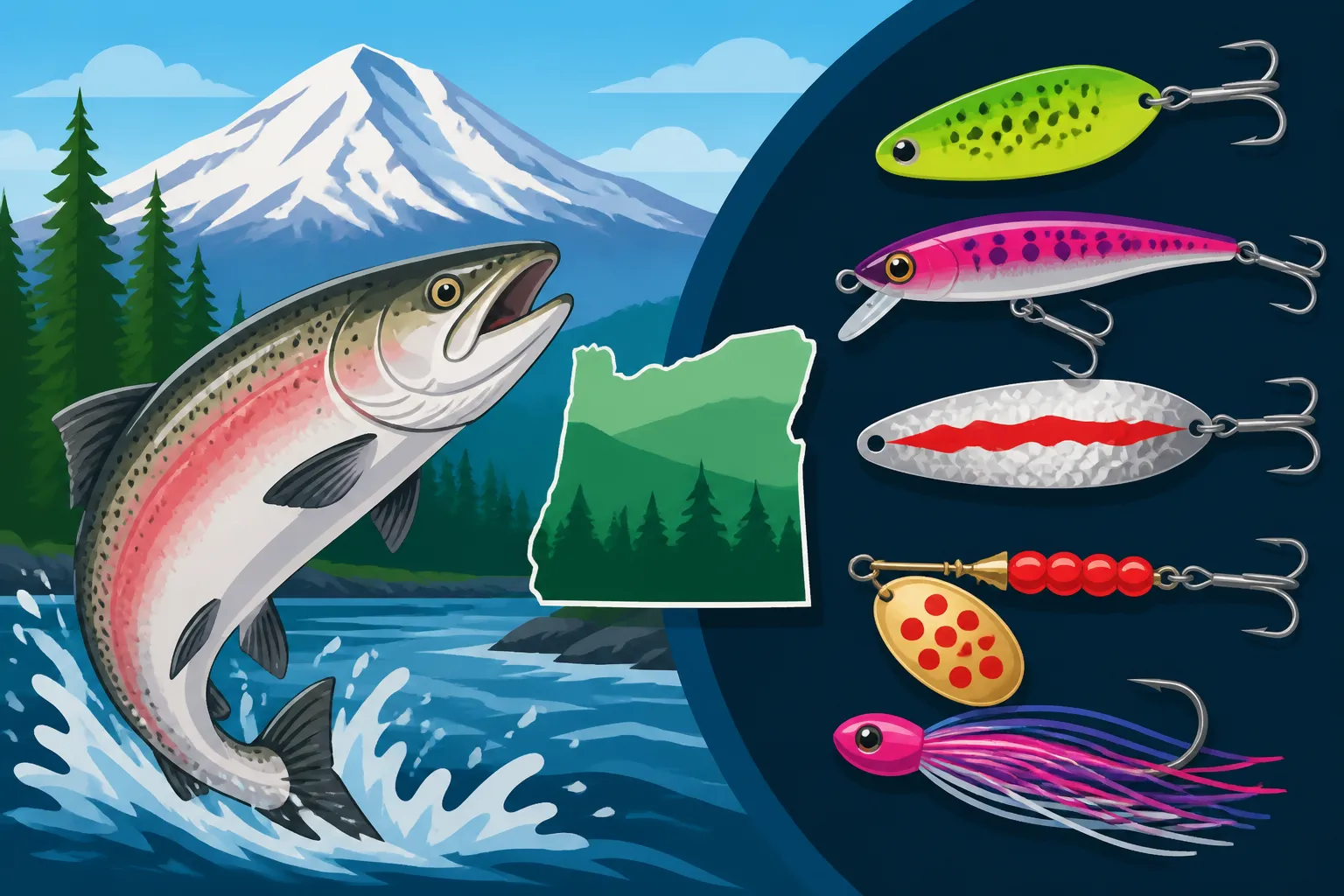
Plugs are undeniably one of the most effective lures for salmon, particularly for Chinook. Brands like Kwikfish, Luhr Jensen, and Yakima Bait have built reputations on their ability to entice aggressive strikes. These lures are characterized by their solid, often banana-shaped body and a diving lip that creates an irresistible wobbling and thumping action when trolled or back-trolled. The vibrations they emit are often what really gets a salmon's attention, even if they aren't actively feeding.
When fishing plugs, the color and size can be critical. Brighter, fluorescent colors like chartreuse, hot pink, or fire tiger often excel in stained or murky water, common after heavy rains, as they offer better visibility. In clearer water, more natural baitfish patterns might be preferred. The depth at which a plug runs is also crucial; matching the diving depth to where the salmon are holding is essential. Many anglers will "tune" their plugs by gently bending the eyelet to ensure they run perfectly straight, maximizing their action. You can find a fantastic selection of Kwikfish and other diving plugs on Amazon, making it easy to experiment with different sizes and colors to see what the salmon are keying in on. These lures are a go-to for many experienced anglers targeting Oregon Salmon Fishing Techniques, especially in river systems like the Columbia and Willamette.
Wobblers and Trolling Spoons
While often grouped with plugs, wobblers and trolling spoons have a slightly different action and appeal. Wobblers, like the Brad's Killer Fishing Gear Wiggler, have a more exaggerated, side-to-side swimming motion compared to the tight thump of a Kwikfish. They often incorporate scent chambers that can be filled with your favorite attractant, adding another layer of appeal. These are particularly effective when back-trolling in rivers where salmon are holding in deeper pockets.
Trolling spoons, on the other hand, are typically thinner, metal lures designed to flutter and flash enticingly through the water, mimicking a fleeing or injured baitfish. Brands like Luhr Jensen J-Plugs (though technically a plug, they share a "wobbly" profile) and larger, flashy spoons from various manufacturers are highly effective for ocean and estuarial salmon, especially Coho. The flash of a spoon is often irresistible to actively feeding salmon. Rigging these spoons behind a flasher or dodger amplifies their attraction, creating a larger profile and more erratic action that mimics a school of baitfish. The combination of flash, vibration, and a realistic profile makes them a top choice, particularly during the Fall Chinook Season Timing on the Columbia and for Coho in the Pacific Ocean.
Effective Soft Baits and Scented Options
When salmon are in freshwater, their primary goal shifts from feeding to spawning. However, they are still highly susceptible to natural scents and specific presentations that trigger aggression or memory. Soft baits and natural egg presentations become incredibly effective tools in this scenario.
Cured Salmon Eggs and Roe Bags
While not strictly artificial lures, cured salmon eggs and roe bags are often fished with the same presentations as artificial drift baits, making them indispensable for Oregon salmon anglers. There's simply no denying the natural allure of salmon eggs, especially to fish that are themselves focused on spawning. Anglers meticulously cure eggs using various brines and scents, often from brands like Pautzke, to enhance their color, toughness, and scent profile. These cured eggs are then tied into small mesh bags, forming "roe bags," which are drifted through prime salmon holding water.
The key to success with roe bags is often an impeccable, natural drift. You want the bag to tumble along the bottom, mimicking dislodged natural eggs, directly into the salmon's strike zone. This technique is incredibly effective for both Chinook and Coho in rivers. The subtle scent trail, combined with the visual appeal of a cluster of eggs, can trigger a bite when nothing else will. Many anglers consider a good batch of cured eggs to be a secret weapon, and mastering the art of curing can significantly boost your success, especially when targeting Spring Chinook in Oregon's river systems.
Scented Soft Plastics and Worms
For anglers who prefer to use strictly artificial presentations but still want the advantage of scent, a wide variety of scented soft plastics and worms are available. These can range from realistic worm imitations to more abstract shapes designed to hold scent and provide a subtle action. Brands like Berkley PowerBait and Gulp! offer many options that are impregnated with powerful attractants.
Soft plastics are incredibly versatile. They can be drifted under a float, jigged, or even used in combination with other lures. For Coho in coastal rivers, small pink or chartreuse worms fished under a float are incredibly effective, mimicking larval insects or small baitfish. When targeting Chinook, larger soft plastic worms or even "fake eggs" can be drifted in similar fashion to natural roe bags, especially when fishing regulations restrict the use of natural bait. The primary advantage of these scented plastics is their durability; they stand up to multiple fish strikes and don't require the same delicate handling as natural eggs. You can easily find a vast array of scented soft plastics and jig trailers on Amazon to experiment with different colors and shapes for your next trip.
Scent Additives and Their Role
Even when using hard-bodied lures or non-scented soft plastics, experienced salmon anglers rarely hit the water without a good supply of scent additives. These gels, sprays, or oils are applied directly to lures, enhancing their attractiveness and leaving a scent trail in the water that can draw fish in and encourage them to hold onto the lure longer. Common scents include Anise, Garlic, Sardine, Herring, or proprietary blends from companies like Pro-Cure.
Scent plays a crucial role for salmon, particularly when their feeding instincts are suppressed in freshwater. The scent trail acts as an olfactory attractant, drawing fish from a distance and making them more likely to investigate a lure. Furthermore, if a salmon "tests" a lure, a pleasant or natural scent can make them hold on for an extra second or two, giving the angler more time to set the hook. This is especially important in cold water, where fish might be lethargic, or in murky water where visual cues are limited. Regularly reapplying scent to your lures throughout the day is a simple but highly effective practice that can make a significant difference in your catch rates. It's one of those small details that separate successful anglers from those who struggle.
Versatile Spinner and Spoon Lures for Salmon
Spinners and spoons are classic salmon lures for a reason: they work. Their ability to produce flash, vibration, and an erratic action makes them irresistible to salmon across various environments, from swift rivers to vast ocean expanses. They are often among the first lures anglers grab due to their widespread effectiveness.
Inline Spinners for River Fishing
Inline spinners are a go-to choice for river fishing, especially for aggressive Coho and even some Chinook. These lures feature a rotating blade that spins around a central wire shaft, creating flash and vibration in the water that mimics a fleeing baitfish or insect. Popular brands include Blue Fox, Mepps, and Worden's Original Rooster Tail, though many local custom spinner makers also produce excellent options tailored to Oregon's rivers.
When fishing inline spinners in rivers, presentation is key. For Coho, a steady retrieve in relatively swift water, allowing the spinner to work its magic, is often all it takes. For Chinook, they can be cast and retrieved, or even back-trolled in slower currents. The size and color of the blade, as well as the dressing on the hook (often bucktail or silicone skirts), can all influence their effectiveness. Brighter colors like chartreuse, pink, or orange are great for off-color water, while brass or silver blades shine in clearer conditions. Anglers often carry a variety of sizes and colors to adapt to changing light and water conditions, ensuring they have the right tool for the job whether they are targeting Oregon Steelhead Fishing Techniques or salmon.
Casting and Trolling Spoons for Lakes and Ocean
Spoons, in various shapes and sizes, are incredibly effective for both casting in larger lakes and trolling in estuaries and the open ocean. Unlike the inline spinner's rotating blade, a spoon's action comes from its body wobbling and fluttering as it moves through the water, creating a reflective flash that screams "easy meal" to hungry salmon. Brands like Luhr Jensen, Silver Horde, and P-Line offer a vast array of spoons specifically designed for salmon.
For ocean and estuary fishing, large, often brightly colored or metallic spoons are trolled behind flashers or dodgers. The flasher creates an additional attraction, mimicking a school of baitfish or a larger predator, while the spoon trails behind, darting erratically. This setup is particularly lethal for Coho Salmon in Oregon, which are often found actively feeding in the top 50 feet of the water column. For casting from shore or a boat in larger lakes or calmer estuaries, heavier spoons can be cast out and retrieved, allowing their natural flutter to attract strikes. Again, color and size should be matched to the available light, water clarity, and the size of local baitfish. For those looking to stock up on a variety of reputable salmon spoons, checking out the fishing tackle section on Amazon can offer a convenient way to compare options and build your arsenal.
Adapting Your Lure Choice to Conditions and Locations
Choosing the "best" lure isn't a static decision; it's a dynamic process that requires constant adaptation to the ever-changing conditions you face on the water. What worked yesterday might not work today, and what's effective in a wide-open bay might be useless in a tight river bend. Understanding how to adapt your selection based on location, water conditions, and even time of day is a hallmark of a truly successful salmon angler in Oregon.
River Fishing Strategies: Drifting vs. Trolling
River fishing for salmon in Oregon presents unique challenges and opportunities, primarily dictated by current and water structure. Two dominant strategies influence lure choice: drifting and trolling.
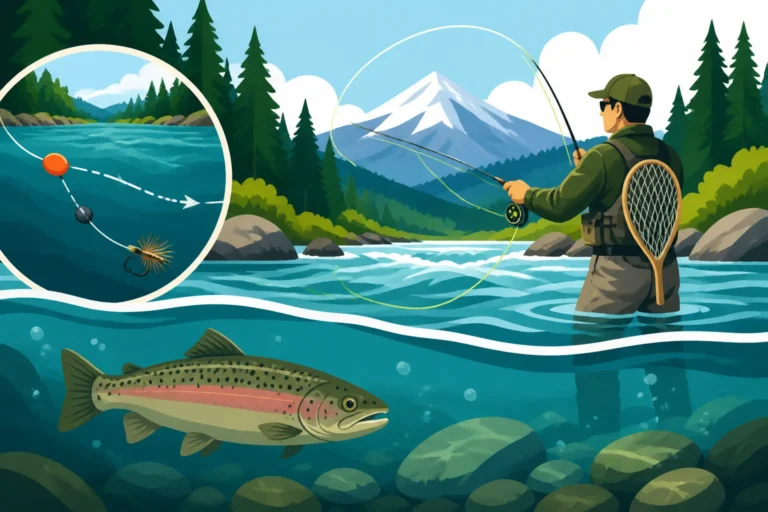
Drift Fishing: This technique involves allowing your lure or bait to move naturally with the current, mimicking something dislodged or struggling downstream. For this, lighter lures that have a subtle action are often preferred. Small spinners, drift bobbers with roe bags, or yarnies (yarn tied to mimic eggs) are excellent choices. The key is to achieve a "dead drift" where your lure moves at the exact same speed as the current, making it appear completely natural. This is particularly effective in runs, riffles, and seams where salmon hold, often on the bottom. The presentation needs to be perfect, placing the lure right into a salmon's strike zone with minimal drag. When drift fishing, paying close attention to your leader length and weight is crucial for maintaining that perfect, natural presentation. This technique is often employed when fishing smaller to medium-sized rivers or when salmon are staging in specific holding lies.
Trolling and Back-Trolling: In larger rivers like the Columbia or Willamette, or in wider sections of coastal rivers, trolling and back-trolling are incredibly effective. Trolling involves moving upstream or downstream with the current (often with a motor), while back-trolling means using your motor to slowly work against the current, allowing your boat and lures to hover or move slowly upstream. For these methods, plugs (like Kwikfish or Flatfish), wobblers, and larger diving lures are king. These lures are designed to achieve their action when pulled through the water. The speed of your boat and the amount of weight you use (via divers or lead sinkers) will dictate the depth and action of your lure. The goal is to cover more water, presenting a moving target to fish that might be spread out or aggressively chasing something. Understanding the nuances of How to Fish for Fall Chinook on the Columbia often involves mastering these trolling techniques with the right plugs and bait setups.
Ocean and Estuary Techniques: Trolling and Moocing
When you venture out into the vastness of the Pacific Ocean or the expansive estuaries like Tillamook Bay, your salmon fishing techniques and lure choices shift dramatically. The fish here are often actively feeding, making flash, scent, and baitfish imitation paramount.
Trolling: This is the most common and effective method for ocean and estuary salmon. It involves pulling a spread of lures or bait behind a boat, typically at speeds of 2-4 mph. For ocean Chinook and Coho, trolling spoons (often behind flashers or dodgers), herring, or anchovies in various presentations are the top choices. The flasher creates a large, attractive signature in the water, mimicking a school of baitfish, while the trailing lure provides the actual strike target. Depths are controlled using downriggers, lead cannonballs, or divers, allowing anglers to target fish holding anywhere from the surface to hundreds of feet down. Matching the size and color of your lures to the local baitfish (like anchovies or herring) is often a key factor in success. During peak season, you'll see entire fleets of boats trolling the same areas, each trying to find that perfect combination of depth, speed, and lure.
Mooching: While less common than trolling, mooching is a highly effective and engaging technique, particularly for Chinook salmon in estuaries and sometimes in the ocean when fish are concentrated. Mooching involves slowly drifting or moving the boat while presenting cut bait (typically herring or anchovies) on a special mooching rig, often unweighted or with minimal weight, allowing it to flutter naturally through the water column. The action of the cut bait, often rotating enticingly, is the primary draw. This technique requires a more hands-on approach, as anglers constantly raise and lower their rods, imparting additional action to the bait. While primarily a bait fishing method, artificial lures that mimic a struggling baitfish, such as unweighted spoons or soft plastic swimbaits, can also be "mooched" effectively by imparting a jigging action. The patience and subtle presentation required for mooching often reward anglers with some of the most memorable salmon fights.
Color and Size Considerations
The ultimate choice of lure color and size is perhaps one of the most debated topics among salmon anglers. While there are general rules of thumb, salmon can be incredibly finicky, and what they prefer can change by the hour.
Color: The general rule is "bright for dirty water, natural for clear water." In stained, cloudy, or murky river conditions, fluorescent colors like chartreuse, hot pink, orange, or fire tiger stand out better, providing a visual target for the salmon. When the water is crystal clear, however, these bright colors can appear unnatural and scare fish away. In such conditions, more subtle, natural baitfish patterns (like greens, blues, silvers, or browns) tend to be more effective. Metallic finishes like chrome, gold, or copper are excellent all-round choices, providing flash that can be seen in varying light conditions. The amount of available light also plays a role; brighter colors may work better on overcast days or in deep water, while more subdued tones might be preferred in bright sunshine. Anglers often experiment by running a spread of different colors to see what the fish are keying in on that particular day.
Size: Lure size should generally correspond to the size of the available baitfish and the size of the salmon you're targeting. For massive ocean-run Chinook, larger plugs, spoons, and bait presentations are often effective. For smaller Coho or staging river salmon, a more modest size might be preferred. In freshwater, particularly when salmon are not actively feeding, a smaller, less obtrusive presentation can sometimes be the trick to triggering a defensive strike rather than scaring them. Conversely, sometimes a very large, aggressive lure is needed to provoke a reaction bite from a territorial salmon. It's not uncommon for anglers to carry a range of sizes for their favorite lures, allowing them to downsize or upsize based on fish behavior. Remember, salmon fishing is an art as much as a science, and being prepared with a diverse tackle box of colors and sizes is your best bet for success. A quick check on Amazon will show you the immense variety available in different sizes for virtually any salmon lure type, allowing you to tailor your selection precisely.
| Lure Type | Target Species | Ideal Conditions | Key Action/Feature | Typical Locations |
|---|---|---|---|---|
| Plugs (e.g., Kwikfish) | Chinook (especially Spring), Coho | Stained/turbid water, deeper holes | Deep dive, strong thumping wobble | Rivers (trolling, back-trolling), Estuaries |
| Trolling Spoons | Coho, Chinook | Clearer water, sunny conditions | Erratic flutter, high flash | Ocean, Estuaries (trolling with flashers) |
| Inline Spinners | Coho, smaller Chinook | Rivers, moderate current | Rotating blade, vibration | Rivers (casting, retrieving) |
| Roe Bags/Cured Eggs | Chinook, Coho | Rivers, all water clarity | Natural scent, subtle drift | Rivers (drift fishing) |
| Scented Soft Plastics | Coho, Chinook | Versatile (river, lake, estuary) | Scent trail, subtle action | Rivers (jigging, drifting), Estuaries |
| Wobblers (e.g., Brad's) | Chinook, Coho | Rivers, estuaries, varied depths | Exaggerated side-to-side wobble | Rivers (trolling, back-trolling), Estuaries |
Final Thoughts on Lure Selection
Ultimately, the best lures for Oregon salmon fishing aren't just about what's flashy or popular; they're about understanding the salmon's behavior, the environment you're fishing in, and being willing to adapt. From the deep-diving thumps of a Kwikfish chasing a Fall Chinook on the Columbia River, to the subtle flutter of a spoon luring a Coho in the Pacific, each lure has its moment to shine. Don't be afraid to experiment with different presentations, colors, and sizes. Regularly check current Oregon Fishing Regulations Explained and consult local bait shops for the most up-to-date information on what's working. Building a diverse tackle box with a good selection of hard-bodied lures, soft baits, and scent options will prepare you for almost any scenario. Remember, the fish aren't always where you expect them, nor are they always biting what you think they should. The pursuit is part of the fun!
Disclaimer
Fishing conditions and regulations in Oregon can change rapidly. Always consult the latest Oregon Department of Fish and Wildlife (ODFW) regulations before heading out. This guide provides general information and recommendations, but it is the angler's responsibility to adhere to all current rules and advisories.