Best Bait for Oregon Trout Fishing
Oh, the age-old question that keeps every angler up at night: "What's the best bait for trout in Oregon?" It's a journey filled with trial and error, a tackle box full of hopeful options, and often, the frustration of watching others reel them in while your line stays slack. Finding that magic bullet bait can feel like a quest, especially with Oregon's diverse waters and finicky trout. This guide is here to cut through the confusion and help you confidently choose the perfect bait to entice those beautiful Oregon trout.
Understanding Oregon Trout Preferences
Before we even crack open the bait jar, it's crucial to understand a fundamental truth about trout in Oregon: they aren't all the same. A rainbow trout in a heavily stocked community pond is going to have a very different palate than a wild brook trout in a remote Cascade mountain stream. The type of water you're fishing, the species of trout present, and even the time of year can dramatically impact what they're willing to bite. This isn't just about what looks good; it's about appealing to their instincts and what they've learned to recognize as food.
Stocked Trout vs. Wild Trout Behavior
When you're heading out to one of Oregon's many regularly stocked lakes or ponds, like Henry Hagg Lake or Diamond Lake, you're primarily targeting hatchery-raised rainbow trout. These fish are essentially "farm-fed" for much of their lives, meaning they often respond well to baits that are brightly colored, highly scented, and resemble the pellets they grew up eating. They're often less wary than their wild counterparts and are looking for an easy meal. Think of them as opportunistic eaters who aren't afraid to try something new if it smells good enough. Their behavior is often more focused on immediate hunger gratification.
Wild trout, on the other hand, found in pristine rivers like the Metolius or high-alpine lakes, are survivalists. They've learned to hunt for natural food sources: aquatic insects, small minnows, worms, and even terrestrial insects that fall into the water. Presenting a wild trout with a neon-colored, heavily scented dough bait might get a curious glance, but often, it won't trigger a bite. They're much more cautious, relying on camouflage, natural movement, and subtle scents. Matching the hatch, or at least mimicking natural food, becomes paramount when pursuing these wary beauties. This is where your strategy needs to shift from a "catch-all" approach to a more nuanced, imitative presentation.
Impact of Water Conditions and Season
Water temperature plays a colossal role in trout activity and, by extension, their feeding habits. In colder water, typical of early spring or late fall, trout are often more lethargic. Their metabolism slows down, and they're less likely to chase fast-moving lures. In these conditions, a slower presentation with natural baits, or highly scented dough baits that sit on the bottom, can be incredibly effective. The scent trail becomes more important than aggressive movement. You're basically offering them a "sit-down meal" that requires minimal energy expenditure on their part.
Conversely, in warmer summer months, especially in the mornings and evenings when the water is cooler, trout are much more active. They'll chase down lures, rise to dry flies, and aggressively strike at bait. During these periods, faster-moving baits like spinners, spoons, or even live worms drifted naturally can provoke an aggressive reaction. However, even in warmer water, trout can become finicky if the conditions are too bright or the pressure is high. It's a delicate balance of understanding their mood and matching your bait and presentation accordingly.
Top Natural Bait Options for Trout
There's something incredibly satisfying about going back to basics with natural baits. These are often the most effective, especially when trout are feeling a bit shy or you're fishing in waters where they're used to a natural diet. The key here is presenting them as naturally as possible.
Worms and Nightcrawlers
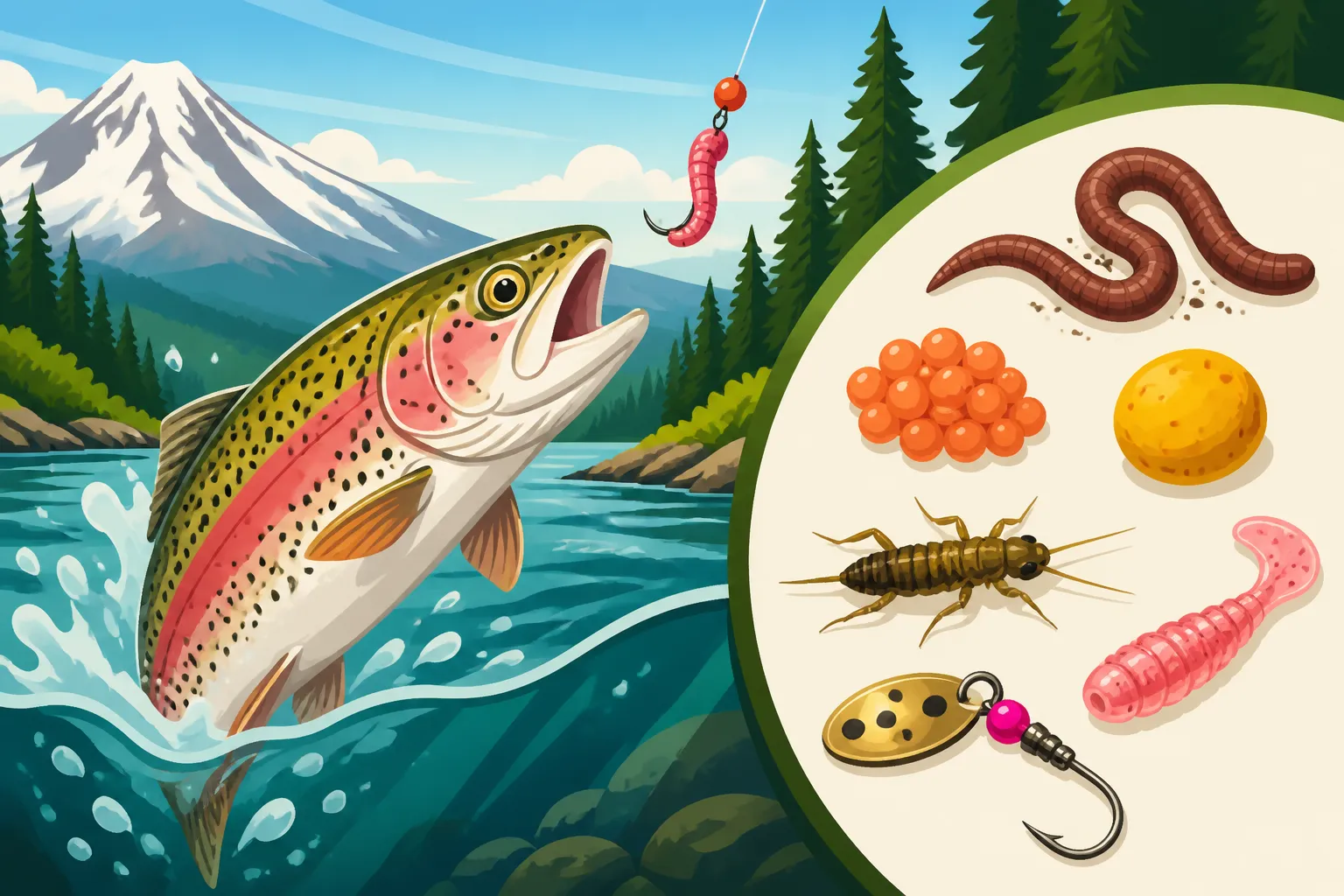
Ah, the humble worm! If there's one bait that's almost universally effective for trout across Oregon, it has to be the earthworm, especially nightcrawlers. They're a staple food source for trout in rivers, lakes, and ponds, mimicking what trout naturally find in their environment. The wriggling action, the earthy scent, and the natural appearance are irresistible to trout, whether they're wild or hatchery-reared. For rivers like the Willamette, where a variety of fish, including trout, reside, a plump nightcrawler can be a game-changer.
When fishing with worms, presentation is everything. You want to hook them so they retain some of their natural wiggle without looking like a tangled mess. A common method is to thread a portion of the worm onto a small hook, leaving the ends free to squirm. You can fish them on the bottom with a small weight, under a bobber, or even drift them naturally in a current. Many anglers find success using a small piece of worm on a size 8 or 10 hook, especially for smaller trout. The visual appeal and the irresistible scent trail make worms a perennial favorite for good reason. You can often find excellent quality fishing worms at local bait shops or even easily order them online through platforms like Amazon.
Salmon Eggs
For many generations of Oregon anglers, salmon eggs have been the quintessential trout bait. They are particularly effective when salmon or steelhead are spawning, and trout are actively feeding on the nutrient-rich eggs in the water column. But even when there's no spawn happening, the bright color and strong scent of salmon eggs can trigger a feeding response. They come in various forms – single eggs, clusters (roe), and even artificial versions – and are often preserved in a brine or special solution to enhance their appeal.
When using salmon eggs, a light touch is crucial. A single salmon egg, threaded onto a small hook (often a size 10 or 12 egg hook), drifted under a small float or fished weightless in a slow current, can be incredibly deadly. The key is to let it drift naturally, mimicking how a real egg would move in the water. For larger trout, especially those targeting returning anadromous fish, a small cluster of eggs can be more appealing. Just remember, in some designated "fly-fishing only" or "artificial lures and flies only" sections of rivers, natural salmon eggs might be prohibited, so always check the latest Oregon Fishing Regulations Explained before you head out.
PowerBait and Dough Baits
While not "natural" in the traditional sense, PowerBait and various dough baits have become a modern staple for trout anglers, especially for stocked rainbow trout in Oregon's lakes and ponds. These baits are designed to mimic the appearance and scent of the pellets used in hatcheries, making them incredibly effective on fish accustomed to that diet. They come in a dazzling array of colors, scents, and consistencies, from floating PowerBait to moldable doughs that you can shape around your hook.
The beauty of PowerBait is its versatility and fish-attracting power. The floating varieties are perfect for fishing off the bottom, allowing your bait to suspend above any weeds or debris. The strong scent dispersion calls fish in from a distance, and the vibrant colors act as a visual attractant. Many anglers combine PowerBait with a small amount of weight a foot or two up the line, casting it out and letting it sit. It's a fantastic bait for leisurely bank fishing, particularly when targeting the abundant hatchery trout found in lakes like Detroit Lake or Prineville Reservoir. Experiment with different colors – often, bright greens, yellows, and oranges are top producers. You can find a vast selection of PowerBait and similar dough baits at most sporting goods stores or through online retailers like Amazon, offering endless variations to try.
Artificial Lures Mimicking Natural Food
Sometimes, trout want a meal that moves, flashes, and actively challenges their predatory instincts. This is where artificial lures come into their own. They don't just sit there; they perform, mimicking the movement of injured baitfish or frantic insects.
Spinners and Spoons
Spinners and spoons are classic trout lures for a reason: they work! Their flashing, wobbling, and spinning action effectively imitate small, injured baitfish, which is a prime target for opportunistic trout. Brands like Mepps, Rooster Tail, and Panther Martin are perennial favorites, and you'll find them in tackle boxes across Oregon. The key to their effectiveness lies in the vibration and visual appeal they create in the water, triggering a chase response from the trout.
Spinners, with their rotating blade, create a consistent flash and vibration, making them excellent for covering water in streams and rivers. Casting upstream and retrieving just fast enough to get the blade spinning, or casting across a current seam and letting it swing, can be incredibly productive. Spoons, on the other hand, have a wobbling, darting action that mimics a wounded minnow. They are particularly effective in lakes and larger pools where trout have more space to pursue them. Varying your retrieve speed and adding pauses can often induce a strike. For fishing in clearer waters, consider more natural-looking silver or gold finishes; for murkier conditions, brighter colors like fluorescent orange or chartreuse can be more visible. Many anglers keep a selection of different sizes and colors, ready for any condition.
Jigs and Soft Plastics
Jigs, especially those tipped with small soft plastics, are incredibly versatile and effective for trout, particularly when fish are holding deeper or are less inclined to chase fast-moving lures. These can imitate a variety of natural food sources, from small minnows and leeches to aquatic insects. The beauty of jigs is their controlled presentation; you can bounce them along the bottom, swim them slowly, or even suspend them under a bobber.
Small marabou jigs, in colors like white, black, or olive, are highly effective when jigged gently or drifted in a current. The soft, pulsing action of the marabou feathers is irresistible to trout. Soft plastic baits, like tiny grubs, worms, or power-baits, can be rigged on small jig heads and fished similarly. These offer a realistic profile and can be infused with scents for added appeal. Many anglers find success with these in deeper sections of rivers or in lakes where trout are hugging the bottom structure. The finesse required to fish jigs often pays off, especially for more wary or pressured fish, and they can be fantastic when exploring different depths.
Fly Patterns and Imitations
For those who embrace the art and challenge of fly fishing, the world of fly patterns offers an almost endless array of imitations. This technique is often seen as the purest form of mimicking natural food sources, and in many of Oregon's most pristine waters, it's the only legal method. Whether you're presenting a delicate dry fly to a rising trout on the Deschutes River or swinging a weighted nymph through a run on the Metolius, the goal is to fool the fish into thinking your artificial fly is a real insect.
Dry flies, like Parachute Adams or Caddis patterns, imitate insects floating on the surface. They are exhilarating to fish, requiring careful presentation and a keen eye to spot a rising trout. Nymphs, such as Prince Nymphs or Pheasant Tails, mimic larval insects that live underwater and are often fished under an indicator or by high-sticking. Streamers, like Woolly Buggers, imitate small baitfish or leeches, and are typically stripped aggressively through the water. Matching the prevalent insect hatch is key, but often, general attractor patterns can also elicit strikes. Learning about the local insect life and what trout are feeding on in different seasons is part of the deep satisfaction of fly fishing. The Oregon Fishing Techniques for Beginners guide can help you get started on this rewarding journey.
Specialized Baits for Specific Scenarios
Sometimes, the general baits just aren't cutting it, or you're facing a unique situation that calls for something a little out of the ordinary. This is where specialized baits come into play, offering a targeted approach to trick those elusive trout.
Corn and Cheese
Now, this might sound a bit unconventional, but believe it or not, corn and cheese can be surprisingly effective for stocked trout, particularly in community ponds or heavily pressured lakes. Why? Largely due to curiosity and the distinct, often sweet, scent. Stocked trout, being less wary and accustomed to diverse food sources (including pellets that might contain corn products), are sometimes drawn to these bright, sugary, or pungent offerings.
Whole kernel corn can be rigged a few kernels at a time on a small hook, often fished under a bobber or on the bottom. The bright yellow color is highly visible, and the sweet scent can pique a trout's interest. Cheese, particularly processed block cheese cut into small cubes, offers a strong aroma and a soft texture that trout can easily mouth. Some anglers even use "trout bait cheese" which is specifically formulated with added attractants. While these baits might raise an eyebrow among purists, they've certainly filled many a creel with pan-sized trout. It's an excellent option for beginners or when fishing with kids, as they're easy to handle and readily available.
Live Minnows and Leeches
For larger, more predatory trout, especially in lakes and reservoirs where they feed on other fish, live minnows and leeches can be absolutely deadly. These baits offer natural movement, scent, and a substantial meal that can entice bigger fish that might ignore smaller offerings. However, it's crucial to check local regulations regarding the use of live bait, as some waters prohibit it to prevent the introduction of invasive species.
When allowed, a lively minnow hooked lightly through the lip or dorsal fin, fished under a bobber or slowly trolled, is incredibly effective for targeting trophy-sized rainbow, brown, or even brook trout. The minnow's natural swimming action is often irresistible. Leeches, when available, offer a similar natural movement and are often fished on a plain hook with a small split shot. They are particularly good for deep water fishing, slowly sinking and undulating, presenting an easy meal for a hungry trout. The best time to target these larger fish with live bait is often during low-light conditions or when the water is cooler, as bigger trout tend to be more active and less wary during these times.
Scent Attractants and Dips
Sometimes, the bait itself isn't enough; you need that extra kick of scent to really seal the deal. Scent attractants and dips are designed to enhance your bait or lure with an irresistible aroma that can draw trout in and encourage them to hold on longer after striking. These come in gels, sprays, and dips, infused with various fish-attracting pheromones, fish oils, or even garlic.
Whether you're using a plain artificial lure, a plastic grub, or even a natural bait like a worm, a dab of scent can make a significant difference. For instance, putting a bit of garlic-scented gel on your PowerBait can make it even more enticing to stocked trout. Applying a minnow-scented spray to your spinner or spoon can increase its appeal in waters where trout are feeding on baitfish. The science behind scents is complex, but the general idea is to stimulate the trout's olfactory senses, mimicking the smell of a natural food source or a distressed prey. Always reapply scents regularly, especially after a few casts, as they can wash off over time. You can find a wide variety of these products, including specialized fish attractants, on Amazon, ready to give your bait an edge.
Rigging and Presentation Tips
Having the right bait is only half the battle; knowing how to present it effectively is the other, equally important, half. A perfectly chosen bait, poorly presented, will likely go unnoticed by even the hungriest trout.
Bobber Fishing for Still Waters
Bobber fishing is a fantastic technique, especially for beginners and when fishing in still or slow-moving waters like lakes, ponds, or calm sections of rivers. The bobber acts as a visual indicator of a bite and helps suspend your bait at a desired depth, keeping it off the bottom and away from snags. It's a relaxed, yet often highly effective, way to fish.
To set up a bobber rig, start by tying on a small, sharp hook (size 8 to 12 is common for trout). About 6-12 inches above the hook, crimp on one or two small split shot weights. The weights help cast your line and get the bait down. Then, attach your bobber anywhere from 1 to 5 feet above the weights, depending on the depth you want to fish. For stocked trout, aim to have your bait suspended just off the bottom or in the middle of the water column. When the bobber dips, twitches, or disappears, it's time to set the hook! This method is particularly effective for presenting live worms, PowerBait, or corn.
Bottom Fishing for Deeper Waters
When trout are holding deeper, perhaps near the bottom structure of a lake or in the deeper pools of a river, bottom fishing can be incredibly productive. This method ensures your bait gets right into their strike zone and stays there, allowing the scent to disperse and attract fish. It's a more passive approach, often used with natural or scented baits.
A basic bottom fishing rig involves a weight at the very end of your line, with a leader extending upwards to your hook. A popular setup is the slip-sinker rig: thread an egg sinker or similar weight onto your main line, then tie on a swivel. Attach a leader (often 12-24 inches) from the other end of the swivel to your hook. The slip sinker allows the line to pass freely through it, so when a fish bites, it feels little to no resistance from the weight. This is particularly crucial for wary trout. This setup works wonderfully with worms, salmon eggs, or floating PowerBait, allowing the bait to sit on the bottom (or float just above it) while the scent drifts with any subtle current.
Drift Fishing in Rivers and Streams
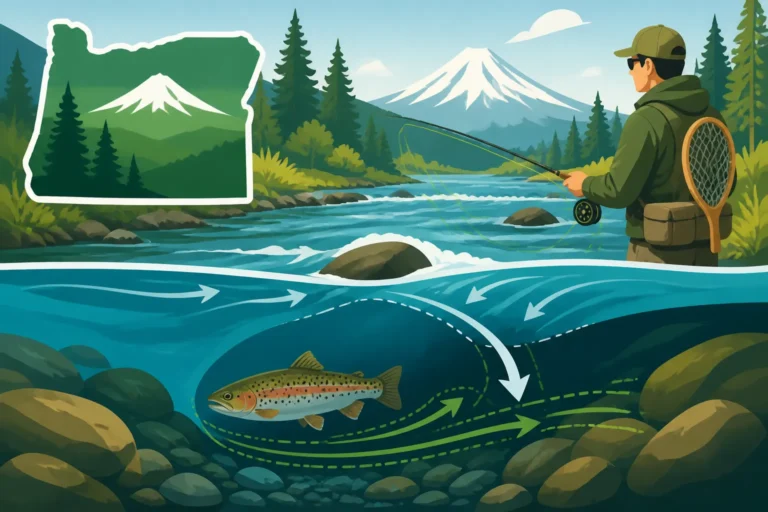
Drift fishing is an art form when it comes to river and stream trout fishing. The goal is to present your bait as naturally as possible, letting it tumble and drift downstream as if it were a dislodged natural food item. This technique is highly effective for both wild and hatchery trout in moving water, as it places your bait right into their feeding lanes without alarming them.
The setup for drift fishing typically involves a small, light hook (size 8-12), a very light leader, and just enough weight (split shots or pencil lead) to get your bait down to the desired depth without snagging too often. The amount of weight will depend on the current speed and water depth. Cast slightly upstream and across, letting your bait drift downstream at the same speed as the current. The key is to keep a relatively tight line, feeling for subtle taps or changes in the drift. This technique is excellent for presenting live worms, salmon eggs, or even small jigs, allowing them to flow naturally into holding water where trout are often waiting for food to come to them. This method is explored in more detail in the "Drift Fishing Techniques for Oregon Rivers" guide.
Bait Selection Table
To help you make sense of the many choices, here’s a quick overview of common trout baits and their general effectiveness across different scenarios in Oregon.
| Bait Type | Best For | Pros | Cons | General Effectiveness |
|---|---|---|---|---|
| Nightcrawlers/Worms | All Trout (Wild & Stocked) | Natural, universal appeal, readily available | Can be messy, smaller fish can steal bait | High |
| Salmon Eggs (Natural) | All Trout, esp. Spawning Season | Natural food source, strong scent, good for rivers | Fragile, can be expensive, some regulations | High |
| PowerBait/Dough Baits | Stocked Rainbow Trout | Strong scent/color, floats, easy to use | Less effective on wild trout, artificial look | High (for stocked) |
| Spinners/Spoons | Active Trout (Wild & Stocked) | Covers water, predatory appeal, reusable | Requires active retrieve, can snag | Medium-High |
| Jigs/Soft Plastics | Deeper/Wary Trout | Versatile, can mimic various prey, subtle | Can require finesse, light tackle | Medium |
| Corn/Cheese | Stocked Trout (Curiosity) | Readily available, inexpensive, novel | Less effective on wild trout, low scent | Low-Medium |
| Live Minnows/Leeches | Large, Predatory Trout | High appeal for big fish, natural movement | Regulations vary, can be hard to obtain | High (if allowed) |
Maintaining and Storing Your Bait
Keeping your bait fresh and lively is just as important as choosing the right one. Dead, dried-out worms or stale PowerBait won't attract nearly as many fish as fresh, vibrant offerings. Proper storage can extend the life of your bait and ensure you're always ready for your next fishing adventure.
Keeping Live Bait Lively
If you're using live worms or nightcrawlers, keeping them cool, moist, and well-aerated is paramount. Worms should be stored in a breathable container, like a plastic worm bin or a Styrofoam cup with small holes, filled with moist (but not soggy) bedding. Commercial worm bedding is ideal, but damp newspaper or peat moss can also work. Keep them in a cool, dark place, like a refrigerator or a cool garage. Never leave them in direct sunlight or a hot car, as they will quickly perish.
For live minnows, you'll need a minnow bucket or a portable aerator to keep the water oxygenated. Change the water regularly, especially if it starts to look cloudy or the fish seem stressed. Maintaining a consistent, cool water temperature is crucial. The goal is to keep them as stress-free as possible so they remain lively and attractive to trout. Taking good care of your live bait can mean the difference between a productive day and a frustrating one on the water.
Storing Artificial and Scented Baits
Artificial baits like PowerBait, dough baits, and soft plastics need different care. PowerBait and dough baits typically come in airtight jars or containers. Always ensure the lid is sealed tightly after each use to prevent the bait from drying out. If they do start to dry, sometimes adding a few drops of water can rehydrate them, but it's often best to buy fresh. Store these in a cool, dark place away from direct sunlight, which can degrade their scent and color.
Soft plastic lures, like grubs or worms, are best stored in their original packaging or in dedicated tackle boxes with separate compartments. Avoid mixing different brands or types of soft plastics, as some materials can react and melt each other. Scent attractants and dips should also be stored in cool, dark places with tightly sealed caps to maintain their potency. While they don't spoil in the same way as live bait, their effectiveness can diminish if exposed to air and heat over time. A well-organized tackle box will not only protect your baits but also make it much easier to find exactly what you need when the fish are biting.
Essential Gear for Bait Fishing
While the bait itself is central, having the right supporting gear makes all the difference in successful bait fishing. It's about optimizing your presentation and ensuring you can handle a catch once it bites.
Rod, Reel, and Line Selection
For general trout fishing in Oregon's lakes and rivers, a light to medium-light spinning rod, typically 6 to 7 feet in length, is a versatile choice. This length provides good casting distance for shore anglers and enough sensitivity to feel subtle bites. Pair it with a small spinning reel (size 1000-2500) spooled with 4 to 6-pound test monofilament or fluorocarbon line. Monofilament is forgiving, offers good knot strength, and floats, which can be beneficial for bobber fishing. Fluorocarbon is nearly invisible underwater, sinks, and has less stretch, making it excellent for finesse presentations, especially in clear water.
Consider having a spare spool of line with different pound test or material, so you can easily adapt to varying conditions or target species. For example, if you're targeting larger trout in a river with heavy current, you might opt for 8-pound test, while a small, clear lake might call for 4-pound test. The balance of your rod and reel should feel comfortable in your hand, allowing for long periods of casting and retrieving without fatigue.
Hooks, Weights, and Swivels
Small, sharp hooks are crucial for trout fishing. Sizes 8 to 12 are standard for many bait presentations. For PowerBait and dough baits, treble hooks (sizes 12-16) are sometimes used to help hold the bait, though single hooks are often preferred for easier hook removal and fish release. For salmon eggs, specialized egg hooks (size 10-14) with a small gap are ideal. Always opt for chemically sharpened hooks for better penetration.
When it comes to weights, an assortment of split shots (various sizes) and egg sinkers (1/8 oz to 1/2 oz) will cover most scenarios. Split shots are easy to add or remove to fine-tune your drift or depth, while egg sinkers are perfect for bottom fishing rigs. Swivels, particularly small barrel swivels or three-way swivels, are essential for preventing line twist, especially when using spinners or when drift fishing. They also provide a clean attachment point for leaders, separating your main line from your terminal tackle.
Landing Nets and Pliers
A small, fine-mesh landing net is an invaluable tool for safely landing trout, especially if you plan to release them. A rubberized or knotless net minimizes damage to the fish's protective slime coat and fins. Avoid nets with coarse knotting, as these can strip off slime and injure fish. When a trout is close to the bank or boat, gently slide the net under it, rather than scooping aggressively.
Pliers, specifically needle-nose or multi-tool fishing pliers, are critical for removing hooks quickly and efficiently. Forceps are also excellent for smaller hooks. If you're practicing catch-and-release, minimizing handling time and ensuring a clean, swift hook removal is vital for the fish's survival. Pliers also come in handy for cutting line, crimping split shot, or making other minor tackle adjustments. These small tools make a big difference in both your fishing experience and the well-being of the fish you catch. Remember to check out resources like "Oregon Catch-and-Release Rules" for best practices.
Legalities and Regulations for Bait Use in Oregon
Navigating the rules and regulations around bait fishing in Oregon can sometimes feel like a puzzle. It's absolutely critical to be informed, as violations can lead to hefty fines and loss of fishing privileges. Oregon has a diverse range of fishing opportunities, but with that comes a diverse set of rules, particularly concerning bait.
Understanding Bait Restrictions in Specific Waters
Oregon's fishing regulations often designate certain rivers, streams, or even sections of lakes as "fly-fishing only," "artificial lures and flies only," or "no bait" areas. These restrictions are typically put in place to protect wild fish populations, particularly sensitive species like wild steelhead or native trout, by reducing incidental hooking mortality. In these areas, using natural baits like worms, salmon eggs, or even scented PowerBait is strictly prohibited. For example, many sections of the Deschutes River have specific gear restrictions.
It's your responsibility as an angler to check the current Oregon Fishing Regulations Explained booklet or the Oregon Department of Fish and Wildlife (ODFW) website before you head out. These resources will detail specific regulations for the waterbody you plan to fish, including general statewide rules and individual stream or lake exceptions. Ignorance of the law is not an excuse, and game wardens in Oregon are diligent about enforcing these rules to protect our precious fisheries. Always double-check, especially if you're venturing to a new spot, as regulations can change seasonally or annually.
Catch and Release Considerations with Bait
While bait fishing can be incredibly effective, it often leads to fish swallowing the hook more deeply than with artificial lures. This can significantly reduce the survival rate of fish intended for catch and release. If you plan to release your catch, especially in waters with retention limits or where certain species are catch-and-release only, using barbless hooks can make a big difference. Barbless hooks are much easier to remove, causing less damage to the fish.
When a trout swallows a baited hook deeply, it's often best to simply cut the line as close to the hook as possible rather than attempting to rip the hook out. The hook will often corrode and fall out over time, or the fish's body will encapsulate it. Minimizing handling, keeping the fish in the water as much as possible, and using a soft-mesh net are all vital practices for ethical catch and release when bait fishing. Being mindful of these practices ensures that future generations can also enjoy the thrill of Oregon trout fishing.
Disclaimer
Fishing regulations, seasons, and bait restrictions can change frequently. Always consult the latest Oregon Department of Fish and Wildlife (ODFW) regulations before planning your fishing trip to ensure compliance. This guide is for informational purposes only and does not constitute legal advice.