Plunking for Salmon on the Oregon Coast
For many anglers dreaming of landing a beautiful salmon on the Oregon Coast, the thought of expensive boat charters or complicated casting from treacherous jetties can be daunting. But what if I told you there's a tried-and-true, surprisingly relaxing, and incredibly effective technique that lets you target these powerful fish right from the bank or a stable pier? This guide will dive deep into the art of "plunking" for salmon, demystifying this unique approach so you can confidently set up, cast out, and reel in your next big catch.
Understanding the Art of Plunking for Salmon
Plunking is a fishing technique that often gets a bad rap from purists, but it's incredibly effective, especially when targeting anadromous fish like salmon as they migrate up rivers and into estuaries. It's less about active casting and retrieving, and more about strategic placement and patience, letting the fish come to you. Imagine sitting by the water, enjoying the coastal scenery, while your lines are strategically positioned to intercept hungry salmon. That's the beauty of plunking.
What Exactly is Plunking?
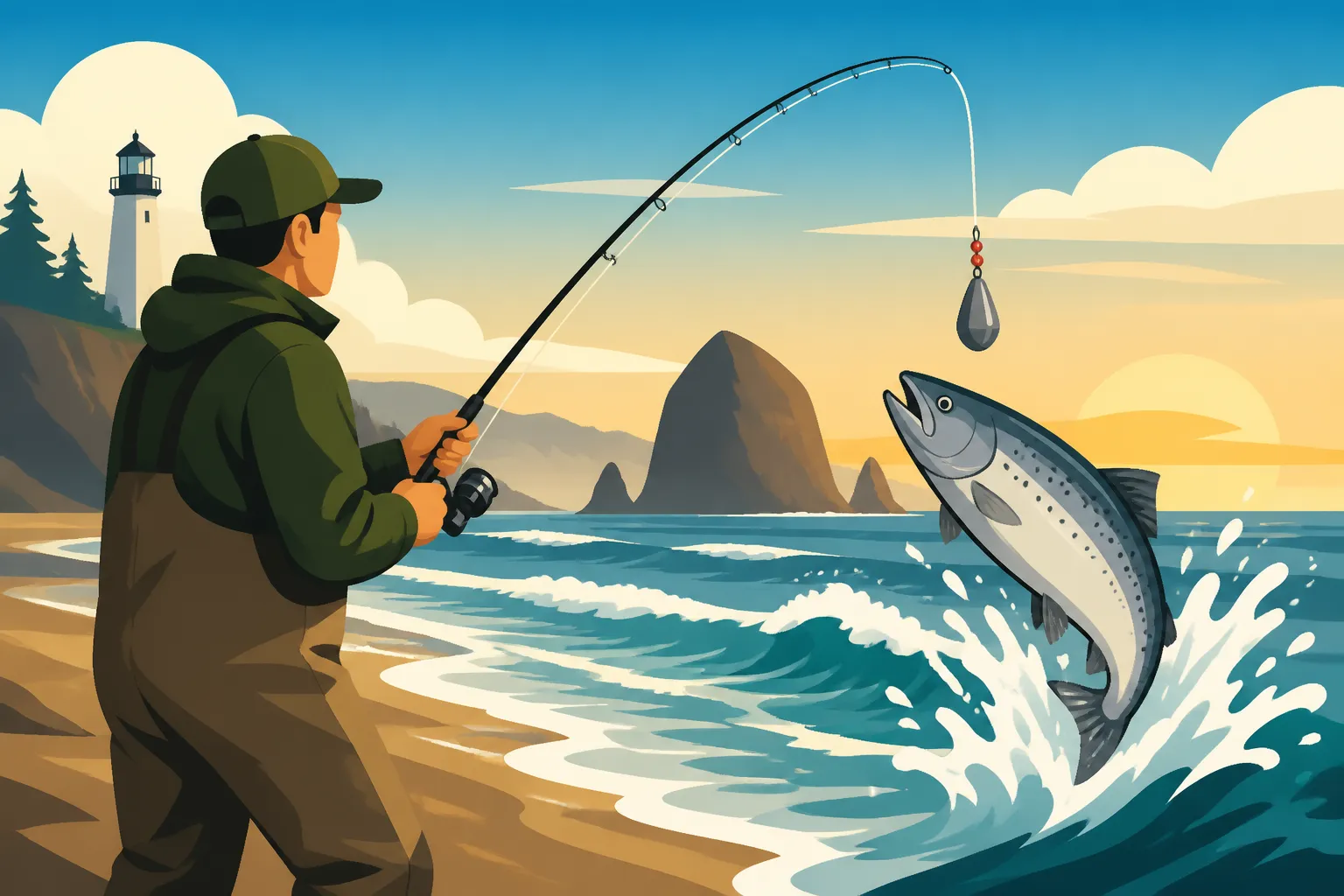
At its core, plunking involves casting a heavy lead weight with a bait presentation (often an "Oregon coast spinner" or a cluster of cured salmon eggs) out into a current and letting it sit on the bottom. The heavy weight anchors your bait in a prime travel lane for fish, while the current works to activate your lure or disperse the scent of your bait. Anglers will typically use multiple rods, each rigged with a similar setup, spread out along a stretch of river or bay. The idea is to cover more water and increase your chances of intercepting a passing salmon. It’s a method that relies on the fish’s natural migratory path and their instinct to strike at an easy meal or an enticing flash in the current. This isn't just chucking and hoping; it's about understanding the specific flows and holding spots where salmon are likely to be.
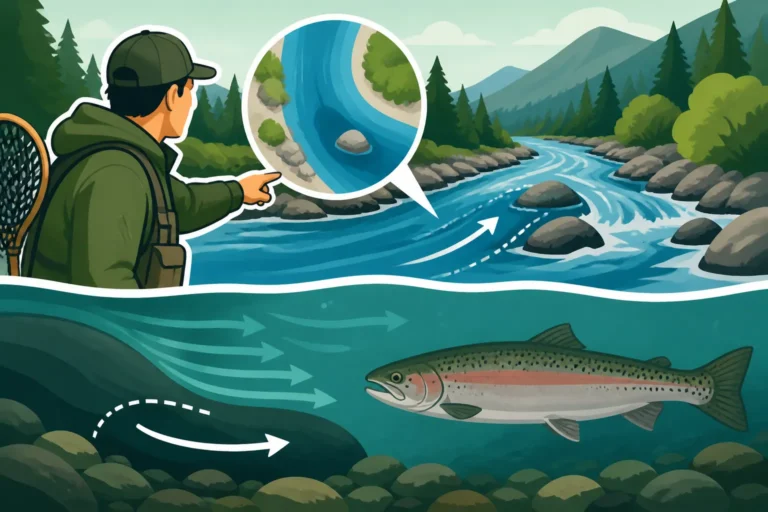
The presentation itself is often a "sliding sinker" rig, allowing the fish to take the bait without immediately feeling the resistance of the heavy weight. This crucial detail increases hook-up rates significantly. Think of it as setting a delicious trap right in their path, but giving them enough slack to confidently commit before they feel any pressure. Many experienced plunkers spend time observing the currents, looking for eddies, seams, and deeper channels where salmon might pause or travel, ensuring their rig is in the absolute sweet spot.
The Strategic Advantages of Plunking
Plunking offers several compelling advantages, especially for anglers who prefer to stay on terra firma or have limited mobility. First and foremost, it's incredibly accessible. You don't need a boat, an expensive kayak, or the ability to make long, precise casts all day long. Many jetties, beaches, and river banks along the Oregon Coast are ideal for plunking. This makes it a fantastic option for families, beginners, or anyone who simply enjoys a more relaxed fishing experience. You can bring a chair, a thermos, and good company, turning a fishing trip into a truly enjoyable outing.
Secondly, plunking allows you to cover a significant amount of water without constant effort. By setting out multiple rods (within legal limits, of course!), each with a slightly different bait or in a slightly different depth or current, you exponentially increase your chances of finding where the fish are holding or traveling. This passive approach can often outperform active casting in certain conditions, especially during strong migratory runs when salmon are moving steadily upstream. Moreover, it's particularly effective in murky or high-water conditions where fish might be hugging the bottom, making them harder to target with other methods. For those who find endless casting tiring, or who struggle with the precision required for float fishing or fly fishing, plunking presents a stress-free yet highly effective alternative.
Key Species Targeted by Plunking
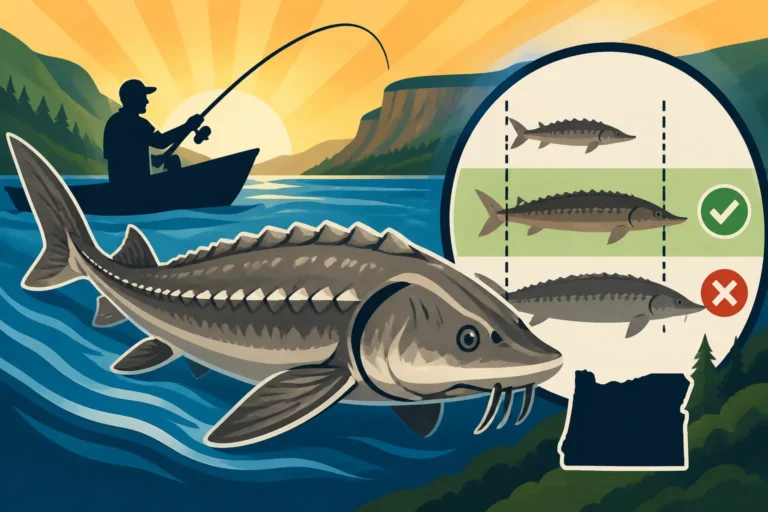
While you might accidentally hook into a sturgeon or a large resident trout, plunking on the Oregon Coast is predominantly aimed at two powerhouse salmon species: Chinook and Coho.
Chinook Salmon (King Salmon): These are the kings for a reason. Chinook salmon, especially the fall run, are often the primary target for plunkers. They are large, powerful, and put up an incredible fight. Fall Chinook begin entering coastal rivers and estuaries typically from late August through November, with peak times varying by river system. The sheer size and fighting prowess of a Chinook make them a highly coveted catch, and plunking is an excellent way to intercept them as they push upstream. Imagine the thrill of your rod tip suddenly bowing violently towards the water – that's often a sign of a big Chinook taking your bait!
Coho Salmon (Silver Salmon): Coho salmon also make a strong showing along the Oregon Coast, usually arriving a bit later than the earliest Chinook, often peaking in September and October. While generally smaller than Chinook, Coho are incredibly acrobatic and feisty fighters, known for their spectacular jumps. They are also excellent table fare. Plunking for Coho can be equally rewarding, and during peak seasons, it’s not uncommon to catch both species in the same outing, especially in tidewater areas where they mingle before continuing their journey upstream.
Understanding when these fish are expected to run is crucial for successful plunking. You can find more detailed information on specific run timings by checking resources like the "Oregon Salmon Species Guide" and the "Best Time of Year to Fish in Oregon."
Essential Gear for a Successful Plunking Setup
Getting your gear dialed in is perhaps the most critical component of successful plunking. Because you're often dealing with strong currents, heavy weights, and powerful fish, your setup needs to be robust and reliable. Skimping on tackle here will lead to frustration and lost fish.
Rod and Reel Selection for Coastal Plunking
When it comes to plunking, forget your ultralight trout setup. You need serious backbone. Think heavy-action, stout rods, typically ranging from 9 to 11 feet in length. Many plunkers favor fiberglass rods for their durability and forgiving action, which can absorb the shock of a hard strike without snapping. Look for rods rated for lines between 15-40 pounds, or even heavier if you're targeting trophy Chinook in swift currents. A good quality Salmon & Steelhead rod from brands like Ugly Stik or Lamiglas will serve you well. The extra length helps with casting those heavy weights, keeping your line out of the current, and absorbing runs from powerful fish.
For reels, a large capacity baitcasting reel is often preferred over spinning reels due to its superior cranking power and ability to handle heavy lines. A level-wind feature is a huge plus to ensure even line lay, which prevents tangles and bird's nests when casting heavy weights. Look for reels that can comfortably hold at least 200 yards of 20-30 lb monofilament or braided line. Brands like Penn, Shimano, or Abu Garcia offer models perfect for this application. If you prefer a spinning setup, choose a large, robust model designed for saltwater or heavy freshwater use, with a strong drag system. For example, a reliable Penn Battle or Shimano Saragosa can be found on Amazon and would stand up to the challenge. The key is durability and line capacity, as you'll often be casting long distances and fighting fish that make powerful runs.
Terminal Tackle: Weights, Leaders, and Swivels
This is where the plunking rig truly takes shape.
- Weights: You'll need heavy lead weights, often pyramid or "sputnik" sinkers, ranging from 4 to 8 ounces, sometimes even heavier depending on the current. The goal is for your weight to hold the bottom firmly without being swept away. A "sliding sinker" rig is paramount; this allows the mainline to pass freely through the weight, so a biting fish doesn't immediately feel the resistance of the heavy lead. This is usually achieved with a plastic slider or a large Slinky-style weight tied to a short dropper line.
- Leaders: Your leader should be made of fluorocarbon or monofilament line, typically 20-40 lb test, and usually 18-36 inches long. The strength of your leader is crucial, as it's the connection point to the fish. Some anglers prefer a slightly lighter leader than their mainline, acting as a fuse in case of a snag.
- Swivels: High-quality barrel swivels or ball bearing swivels are essential. You'll need one where your mainline connects to your leader (often with a bead protecting the knot from the sliding sinker), and another connecting your leader to your lure or bait. Swivels prevent line twist, which can be a major headache when dealing with current and spinning lures.
- Hooks: When using bait, stout, sharp single hooks (e.g., Owner or Gamakatsu) in sizes ranging from 2/0 to 5/0 are common, depending on the bait size. If using a spinner, ensure it has sharp, strong trebles. Always check your hooks for sharpness throughout the day.
A typical plunking rig starts with your mainline, a sliding sinker, a bead, and then a strong barrel swivel. To this swivel, you attach a leader, and at the end of the leader, your bait or lure. This setup ensures that your weight stays put, but your bait can move enticingly in the current, and a biting fish won't feel the weight's resistance.
Bait and Scent: What Salmon Can't Resist
The right bait and scent can make all the difference when plunking for salmon. You're trying to appeal to their olfactory senses and their predatory instincts.
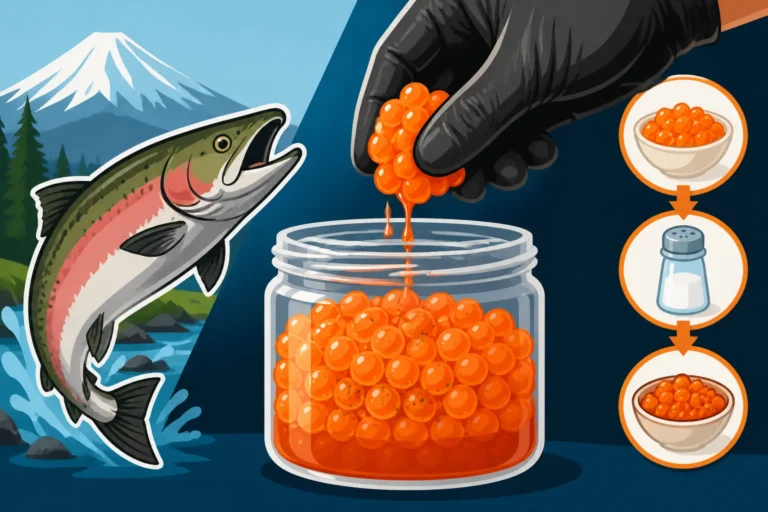
- Cured Salmon Eggs: These are a classic choice and often incredibly effective. "Dime-sized" clusters of cured roe, tied into an egg loop or mesh sack, are a go-to. The scent dispersion in the current is a huge attractant. You can purchase commercial cures or cure your own eggs for a potent, personalized bait.
- Whole or Cut Baitfish: Strips of herring or anchovy, or even whole small baitfish, can be deadly, particularly for Chinook. They are often rigged to spin or flutter enticingly in the current, mimicking an injured baitfish. Some anglers use a "Brad's Killerfish" or similar plug, stuffing it with bait for added attraction.
- Sand Shrimp: These local delicacies are a favorite food source for many species and can be very effective for salmon, especially in estuarial areas. They are often fished whole or in pieces, either on their own or tipped on a spinner.
- Artificial Lures: While bait is king for plunking, heavily scented artificial lures or "spin-n-glos" can also work wonders. These often combine flash, vibration, and color to grab attention. Popular choices include "Spin-N-Glo" floats in various colors, which provide lift and spin, often tipped with a piece of bait.
- Scents and Attractants: Don't underestimate the power of scent. Applying additional fish attractants like "Pro-Cure" scents (garlic, anise, shrimp, herring) to your bait or even directly to your artificial lures can dramatically increase your strike rate. Many of these are readily available on platforms like Amazon. The stronger the current, the more critical the scent dispersion becomes, acting as a long-range beacon for migrating salmon.
Remember to check local regulations for specific bait restrictions, as some areas might be artificial lure or fly-only during certain seasons.
| Bait Type | Primary Target | Key Advantage | Best Used With | Tips for Success |
|---|---|---|---|---|
| Cured Salmon Eggs | Chinook, Coho | Strong scent dispersion | Egg loops, mesh sacks | Use fresh, properly cured eggs; add a bright bead. |
| Herring/Anchovy | Chinook | Natural profile, oily scent | Spinners, plugs, quickfish | Ensure a good spin; use fresh, firm bait. |
| Sand Shrimp | Chinook, Coho | Natural food source, local | Single hook, tipped on spinner | Keep them alive if possible; use small pieces. |
| Artificial Plugs | Chinook, Coho | Action, color, scentable | Plugs (e.g., Brad's Killerfish) | Stuff with cured eggs or sardine paste for scent. |
| Spin-N-Glo Floats | Chinook, Coho | Flash, vibration, buoyancy | Tipped with bait, often eggs | Experiment with colors; ensure free spinning. |
Mastering the Plunking Technique: Step-by-Step
Plunking, while seemingly simple, has nuances that separate the successful angler from the perpetually skunked. It's about more than just casting and waiting; it's about understanding the environment and setting yourself up for success.
Choosing Your Plunking Spot on the Oregon Coast
Location, location, location! This cannot be stressed enough. Salmon follow distinct travel lanes, especially in current. On the Oregon Coast, prime plunking spots include:
- River Mouths and Estuaries: Areas where coastal rivers meet the ocean are salmon highways. Think of places like the mouth of the Nestucca River, the Wilson River, or the Umpqua River. These tidewater zones are where salmon pause, adjust to freshwater, and hold before pushing further upstream. Look for deeper channels, current breaks, or edges where the tide creates distinct seams.
- Jetties and Piers: Prominent jetties, like those found at Tillamook Bay, Yaquina Bay, or the Columbia River, can offer excellent access to deeper water and strong currents that salmon use. The ends of jetties or the protected inner sides can be productive. Piers, though less common for true heavy-current plunking, can also be effective in calmer bay environments.
- Beaches with Structure: Some beaches, particularly those near river outflows or with underwater structure (rocks, ledges), can also hold salmon. However, these are often more challenging due to wave action and identifying precise travel lanes.
- Coastal River Banks: Further upstream in the tidally influenced sections of rivers, gravel bars, outside bends, and areas where the current slows down (but is still present) can be excellent. Consider popular spots mentioned in guides like the "Oregon Coast Fishing Spots" to get started.
When scouting a spot, look for signs of current, eddies, and seams. Fish are rarely in the dead center of the strongest current; they'll often be on the edges, in slower water, or behind obstructions, expending minimal energy while waiting for prey or a chance to move. Observe the water for any jumping fish or boils, which indicate active salmon.
Casting and Anchoring Your Gear
Once you've chosen your spot, it's time to get your line in the water.
- Preparation: Have your rig fully tied, bait attached, and reel drag set appropriately. Make sure your hook point is exposed and sharp.
- The Cast: With a heavy plunking rod, you'll need to use an overhead cast or a sweeping sidearm cast to launch your heavy weight. Aim to cast out into the main current or slightly upstream of where you believe the salmon will be traveling. The goal is to let the weight settle quickly to the bottom and hold there. Don't be afraid to put some power into it!
- Anchoring: As your weight sinks, keep a slight tension on the line. Once it hits the bottom and you feel the weight settle, engage your reel. Now, let the current put a slight bend in your rod tip. You want your weight to be firmly anchored, not rolling with the current. If your weight is dragging, you need to use a heavier sinker. Sometimes, if the current is exceptionally strong, you might need to cast slightly upstream and let the current carry your weight down to your desired spot before it settles.
- Rod Placement: Once anchored, place your rod securely in a sturdy rod holder. This is crucial for detecting bites and preventing your rod from being pulled into the water by a powerful salmon. Some anglers use specialized PVC pipe holders, while others opt for sturdy metal spike holders driven into the bank. The rod tip should be pointed towards the water, and you should have enough line out to allow the current to put a gentle, consistent bend in the tip.
Proper anchoring is vital. A weight that's constantly rolling or dragging will not present your bait effectively and will likely snag. You want that bait to sit steady, waving enticingly in the current, right where a salmon expects to find a meal.
The Waiting Game: Reading Your Rod and Detecting Bites
Patience is a virtue in plunking. This isn't a fast-paced technique; it's a waiting game. However, "waiting" doesn't mean being disengaged. You need to be constantly aware and observant.
- Reading Your Rod Tip: Your rod tip is your primary bite indicator. It should have a steady, gentle bend from the current. A "bite" will typically manifest as a sudden, sharp jerk, a series of quick taps, or a sustained, heavy pull that sends the rod tip violently towards the water. Sometimes, it's a subtle increase in pressure, as if your weight has become heavier.
- The Hookset: When you detect a bite, don't hesitate. Grab the rod, reel down any slack, and sweep the rod tip firmly upwards and sideways to set the hook. Remember, salmon have tough mouths, so a solid hookset is essential.
- Fighting the Fish: Once hooked, be prepared for a fight. Salmon are powerful, often making blistering runs, headshakes, and sometimes even acrobatic jumps. Let your drag do its job! Don't try to muscle the fish in too quickly; instead, apply steady pressure and pump the rod, gaining line when the fish isn't running. Keep the rod tip up and enjoy the battle.
- Releasing or Retaining: Once the fish is landed, decide whether to keep it (if legal and within limits) or release it. Handle fish gently, especially if releasing. For more on this, check out the "Oregon Daily Bag Limits Explained" and "Oregon Fishing Regulations Explained" to ensure you're compliant.
It’s often beneficial to fish with others, as multiple eyes on multiple rods can increase detection, especially on a busy stretch of water. Sometimes, a "bite" might even be the rod holder vibrating, so stay alert!
Optimal Conditions and Seasons for Coastal Plunking
Understanding the natural rhythms of the Oregon Coast – from the push and pull of tides to the annual salmon runs – is crucial for maximizing your plunking success. Mother Nature dictates the terms, and we, as anglers, must learn to read her signs.
Tides and Water Flow: Nature's Influence on Salmon Behavior
Tides are perhaps the single most important factor when plunking in coastal estuaries and river mouths. Salmon use the tides to their advantage, particularly the incoming or "pushing" tide, to conserve energy as they migrate upstream.
- Incoming Tide (Flood Tide): This is often the most productive time for plunking. As the tide pushes in, it brings fresh ocean water and, more importantly, a new wave of salmon moving into the river systems. The current created by the incoming tide also helps to distribute the scent from your bait over a wider area, making it more attractive.
- Slack Tide: The period just before and after the tide changes (high slack and low slack) can sometimes be productive, especially if fish are holding in an area. However, the lack of current means less scent dispersion and often less active fish movement.
- Outgoing Tide (Ebb Tide): While salmon do move on outgoing tides, it's generally less productive for upstream migration. Fish tend to drop back into deeper holes or hold in eddies, waiting for the next incoming tide. However, it can sometimes be good for targeting fish dropping back down.
- River Flow: Beyond tides, the amount of freshwater flow in the river system plays a huge role. After a good rain, rivers will rise and become murkier, often triggering salmon to push hard upstream. This can be excellent for plunking as fish stick to established travel lanes. However, too much rain can blow out a river, making it unfishable due to extreme turbidity and strong currents that make holding bottom impossible.
Experienced plunkers often consult tide charts religiously and cross-reference them with river flow data before planning a trip. Matching your fishing time with the prime incoming tide window can significantly boost your chances.
Best Times of Year for Plunking Salmon
The plunking game on the Oregon Coast is predominantly a fall affair, coinciding with the strong autumn salmon runs.
- Fall Chinook Salmon: This is the bread and butter for most plunkers. Fall Chinook typically begin entering coastal rivers and bays in late August, with peak fishing often occurring from September through November. The exact timing can vary year to year and from river to river, depending on water levels and ocean conditions. You'll find detailed breakdowns of these seasons in resources like "Fall Chinook Season Timing on the Columbia," which, while specific to the Columbia, provides excellent context for coastal runs.
- Coho Salmon: Coho salmon runs usually overlap with the Chinook, often peaking slightly later, from late September through October. They provide an excellent secondary target and can offer fantastic action on lighter (but still robust) tackle.
- Winter Steelhead (Less Common, but Possible): While plunking isn't the primary method for winter steelhead, you can sometimes pick up these chrome beauties in tidewater sections of coastal rivers, especially during strong freshets. The techniques are similar, but bait choices might shift to more traditional steelhead fare like shrimp or cured eggs.
Always keep an eye on the Oregon Department of Fish and Wildlife (ODFW) regulation updates, as seasons and limits can change due to run forecasts.
Weather Considerations: Safety and Success
Weather on the Oregon Coast is famously unpredictable, and it directly impacts plunking.
- Rain: Light to moderate rain can be your friend! It often brings fresh water into the rivers, encouraging salmon to move upstream and improving bite conditions. Heavy, sustained rain, however, can lead to blown-out rivers, as mentioned, making fishing difficult or impossible. Always dress in layers and bring good quality rain gear.
- Wind: Wind can be a major challenge. Strong winds make casting heavy weights difficult and can create unwanted bow in your line, making bite detection nearly impossible. It also makes for a very uncomfortable day on the bank. If winds are forecast to be strong, it might be best to choose a more sheltered location or postpone your trip.
- Ocean Swells: While plunking is often done in sheltered bays and rivers, large ocean swells can impact conditions at river mouths and jetties. They can push murky water and debris into fishing zones and create dangerous conditions on exposed rocks. Always prioritize safety over a potential fish.
- Water Temperature: Salmon prefer specific water temperatures. While you generally can't control this, understanding that extreme highs or lows can slow down fish activity is helpful. Fall temperatures on the Oregon Coast are typically ideal for salmon migration and feeding.
Staying aware of weather forecasts and respecting the power of the ocean and rivers is paramount. A good day of plunking is safe and productive.
Navigating Oregon's Regulations for Plunking
Fishing in Oregon means playing by the rules, and it’s critical to understand the ins and outs of licenses, tags, and limits. Ignoring these can lead to hefty fines and a ruined day. The Oregon Department of Fish and Wildlife (ODFW) sets these regulations, which are designed to protect fish populations and ensure sustainable fisheries for everyone.
License and Endorsement Requirements
Before you even think about casting a line, you need the proper paperwork. This is non-negotiable for any angler in Oregon, regardless of age or species, unless it's a designated free fishing day.
- Oregon Angling License: Every angler 14 years of age or older needs a valid Oregon angling license. These can be purchased online through the ODFW website, at license agents like sporting goods stores, or even some grocery stores. There are options for residents and non-residents, and for annual or daily/multi-day durations. You can find detailed information on types and costs in guides like the "Oregon Fishing License Guide" or "Oregon Fishing License Types Explained."
- Combined Angling Tag: For anyone targeting salmon, steelhead, or sturgeon, a separate "Combined Angling Tag" is also required in addition to your basic angling license. This tag is crucial for recording your catch and is part of the state's management strategy for these important species. It’s not just a piece of paper; it’s how ODFW tracks harvest. Don't leave home without it if you plan to keep a salmon! Learn more about its specifics in the "Oregon Combined Angling Tag Guide."
- Ocean Endorsement: If you plan to plunk in areas considered "ocean waters" or within the tidal influence close to the ocean, an "Ocean Endorsement" might also be necessary. While much plunking occurs in rivers, understanding where this boundary lies is essential. Always check the current ODFW regulations to clarify if your specific plunking spot falls under ocean endorsement requirements. This is particularly relevant for those fishing near the very mouth of bays or on jetties that extend into the ocean.
It’s your responsibility to know what’s required for your specific fishing location and target species. A quick check of the current ODFW Sport Fishing Regulations booklet, available online and at license vendors, is always a good idea before heading out.
Understanding Bag Limits and Size Restrictions
Oregon's fishing regulations include strict limits on how many fish you can keep (bag limits) and often minimum or maximum sizes (size restrictions). These are in place to ensure enough fish survive to spawn and maintain healthy populations.
- Daily Bag Limits: For salmon, daily bag limits typically specify how many adult Chinook, Coho, or a combination of both you can retain. These limits can vary significantly by river system, time of year, and even specific sections of a river. For example, some areas might allow two adult salmon, while others might restrict it to one, or prohibit retention of certain species entirely during specific periods.
- Size Restrictions: There are often minimum size limits for retaining salmon. For instance, an "adult" Chinook might be defined as 24 inches or larger, with anything smaller considered a "jack" and sometimes having different (or no) retention rules. Similarly, Coho salmon also have minimum sizes. It’s absolutely vital to know these measurements and carry a tape measure to ensure your catch is legal to keep.
- Fin Clipping: Many salmon and steelhead runs in Oregon include both wild and hatchery-reared fish. Hatchery fish are often marked with a clipped adipose fin (the small, fleshy fin on their back near the tail). In many areas, only fin-clipped (hatchery) fish can be retained, while wild (unclipped) fish must be released unharmed. This is a critical conservation measure. Make sure you can correctly identify a fin-clipped fish before you ever consider putting it on your stringer.
Failing to adhere to bag and size limits, or retaining a wild fish where only hatchery fish are allowed, can result in significant fines and penalties. For a detailed breakdown, refer to the "Oregon Daily Bag Limits Explained" section in the official ODFW regulations.
Responsible Angling and Conservation Practices
Beyond just following the rules, responsible angling is about being a good steward of Oregon's natural resources.
- Catch and Release: If you're releasing a fish (either by choice or due to regulations), do so quickly and carefully. Keep the fish in the water as much as possible, use wet hands to handle it, and use pliers to remove the hook cleanly. Avoid dragging fish onto dry ground or handling them by the gills. Proper catch-and-release techniques drastically improve the fish's survival rate.
- Leave No Trace: Pack out everything you pack in. This includes old fishing line, bait containers, and any other trash. Respect private property and public access points. Keep the banks and beaches clean for everyone to enjoy.
- Reporting Poaching: If you witness illegal fishing activity, report it to the Oregon State Police (OSP) Fish & Wildlife Division. Your call can help protect fish populations from illegal harvest.
- Check for Emergency Closures: Water conditions, fish runs, or other environmental factors can sometimes lead to emergency closures or restrictions. Always check the ODFW website for the latest updates before heading out. Nothing's worse than arriving at your spot only to find it's closed to fishing.
By understanding and respecting these regulations and practicing responsible angling, you're contributing to the health of Oregon's fisheries for generations to come.
Disclaimer
The information provided in this guide is intended for general informational purposes only and is subject to change. Fishing regulations in Oregon, including license requirements, seasons, bag limits, and specific area rules, can vary greatly and are frequently updated by the Oregon Department of Fish and Wildlife (ODFW). It is the sole responsibility of the angler to consult the most current official ODFW Sport Fishing Regulations booklet or website before engaging in any fishing activity. Failure to comply with current regulations may result in fines or penalties. Always prioritize safety and environmental stewardship while fishing.