Least crowded steelhead river in Oregon
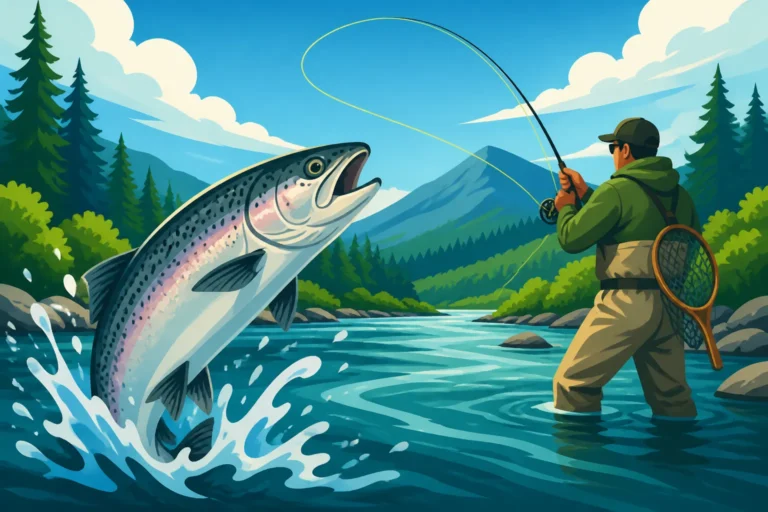
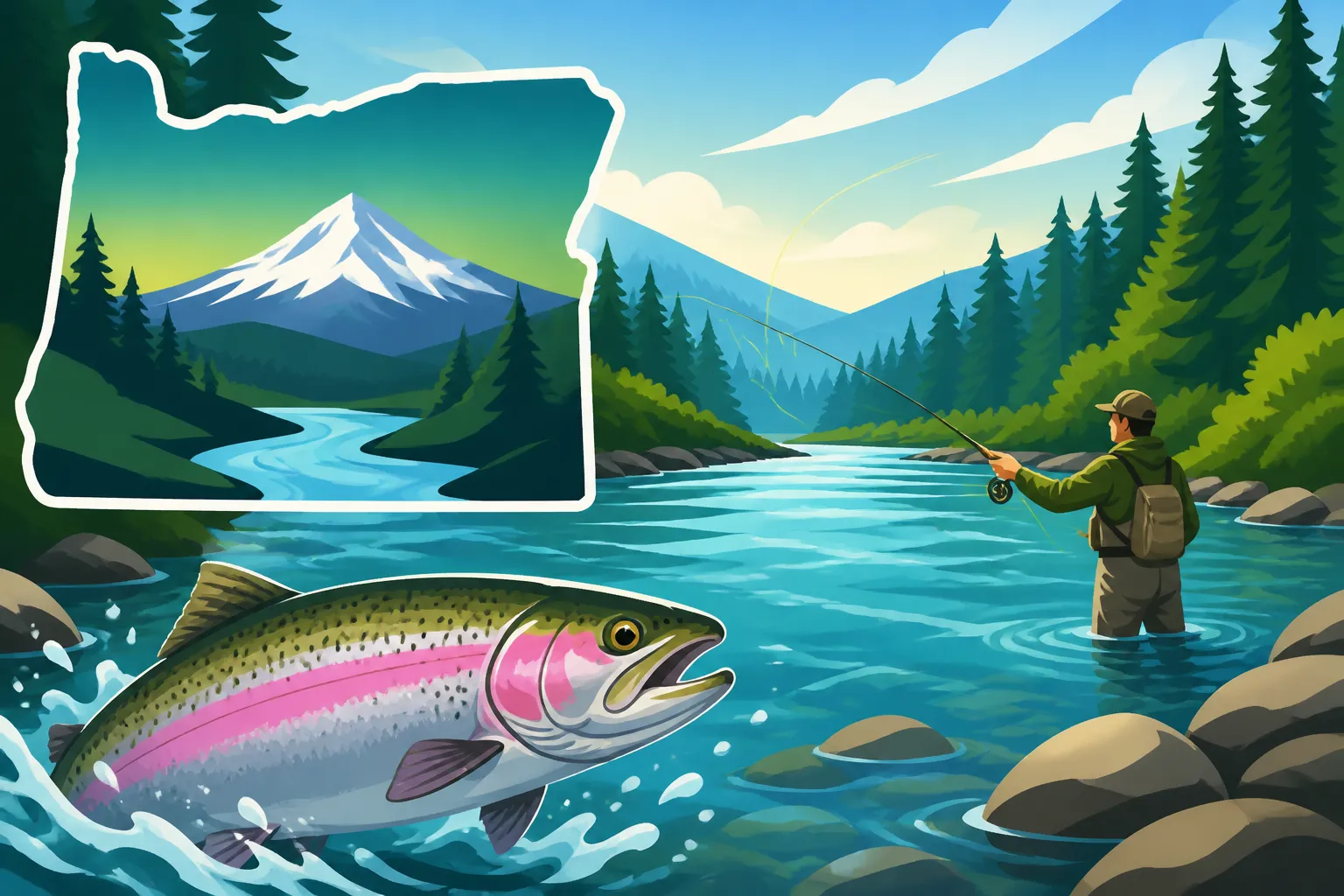
If you've spent any time chasing steelhead in Oregon, you know the feeling: you arrive at your favorite run, visions of chrome dancing in your head, only to find a lineup of anglers already there, casting over the same water. It's frustrating, disheartening, and often feels like the dream of a peaceful, solitary steelhead encounter is just that – a dream. This guide is here to validate that frustration and help you navigate the crowded waters, pinpointing rivers and strategies that offer a much higher chance of finding that coveted solitude.
The Elusive Quest for Solitude in Steelhead Fishing
For many of us, steelhead fishing isn't just about catching fish; it's about the experience. It's about being immersed in nature, the rhythmic cast, the anticipation, and that heart-stopping tug that connects you to something wild and powerful. When those moments are constantly interrupted by other anglers, loud conversations, or the stress of navigating a crowded bank, the magic often fades.
Why Crowds Are a Problem
Beyond the obvious annoyance of sharing a limited resource, crowded rivers pose several real challenges. Firstly, the sheer pressure can make fish wary. Steelhead are already incredibly sensitive to their environment, and repeated casting, wading, and noise can put them down, making them less likely to bite. Imagine trying to relax and eat dinner with a dozen people staring at you and poking at your plate – that's often how steelhead experience heavy angler pressure.
Secondly, the quality of the angling experience diminishes significantly. What should be a tranquil escape turns into a competitive sport or a frustrating exercise in patience as you wait for a turn. It takes away from the mental rejuvenation many of us seek in fishing. We want to hear the river, not someone else's conversation or their heavy footsteps spooking fish downstream. The quiet introspection that fly fishing or drift fishing offers is easily shattered when you're constantly aware of others.
Common Misconceptions About "Secret" Spots
Let's be real for a moment: the idea of a truly "secret" steelhead river in Oregon, particularly for easily accessible waters, is largely a myth. Oregon's fishing community is passionate and well-connected, and good fishing spots rarely stay secret for long. However, what does exist are less-pressured areas, rivers that require more effort to reach, or stretches of water that are simply overlooked due to their reputation or perceived difficulty.
The key isn't to find a river that no one else knows about, but to identify rivers or sections of rivers that, for various reasons, see significantly less human traffic. This often involves embracing a bit of adventure, being willing to hike further, fish during less popular times, or target fish in ways that deter the casual angler. It's about outsmarting the crowds, not finding a hidden gem that only you possess.
Understanding Oregon's Steelhead Runs and Pressure Points
Oregon is blessed with incredible steelhead fisheries, but their popularity varies wildly depending on the species, season, and location. Knowing these patterns is crucial for avoiding the masses.
General Steelhead Seasons and Popularity
Oregon boasts both winter and summer steelhead runs. Winter steelhead, typically caught from December through April, are often associated with coastal rivers. These fish are big, powerful, and challenging to catch, drawing dedicated anglers to rivers like the Nestucca, Wilson, and Siletz. While these rivers can offer incredible fishing, their accessibility and reputation mean they often see significant pressure, especially on weekends or during peak run timing. If you're looking for solitude, you'll need to employ specific tactics to find it, even on these popular systems.
Summer steelhead, primarily found in systems like the Deschutes and Rogue Rivers, enter rivers in spring and summer, holding in cooler water until spawning the following year. The Deschutes River, in particular, is world-renowned for its summer steelhead fishery and can be incredibly busy, especially in the more accessible lower and middle sections. While the fishing can be fantastic, finding quiet water often means venturing deep into the wilderness sections or floating far from common boat ramps. For a deeper dive into the seasons, check out our guide on Oregon Fishing Seasons Explained.
Geographic Considerations for Solitude
When it comes to avoiding crowds, geography is your best friend. Rivers that are harder to get to, require specialized gear (like a drift boat), or are simply far from major population centers naturally see less pressure.
- Eastern Oregon: The rivers flowing through Eastern Oregon's high desert and mountains often offer the most legitimate opportunities for solitude. Access can be challenging, requiring gravel roads, longer drives, and a willingness to hike. The fish here are often wild and wary, rewarding those who put in the effort.
- Southern Oregon: While the famous Rogue River sees plenty of action, its vastness, particularly in its wild and scenic sections, allows for pockets of quiet. Other smaller rivers in Southern Oregon also offer potential, though local knowledge becomes even more critical here.
- Upper Reaches of Coastal Rivers: While the lower and middle sections of many coastal rivers are heavily fished, the furthest upper reaches, often deep within national forests or wilderness areas, can offer more peace and quiet. These areas often require significant hiking and may involve smaller, more intimate water.
Generally, any river that is a considerable drive from Portland, Salem, or Eugene, or demands significant physical effort to reach the best fishing spots, will inherently have fewer anglers.
Unveiling Potential Candidates for Less Crowded Steelhead Fishing
While no river is truly "secret," some genuinely offer a much higher likelihood of finding solitude. These are often rivers that are off the beaten path, require a bit more effort, or have characteristics that deter casual anglers.
The North Fork John Day River: A Wilderness Gem
If you're truly seeking a wilderness steelhead experience with minimal company, the North Fork John Day River in Eastern Oregon is a prime candidate. This river flows through remote, rugged canyons and forests, offering stunning scenery and a challenging, yet incredibly rewarding, fishery. The journey itself is often an adventure, involving long drives on gravel roads and a commitment to getting into the backcountry.
The steelhead here are predominantly wild, feisty B-run fish that have traveled hundreds of miles to return to their spawning grounds. They aren't numerous in the same way as some hatchery-supplemented runs, but the quality of the experience and the beauty of the surroundings are unparalleled. Fly fishing with nymphs and small streamers is particularly effective, though conventional gear anglers also find success. The best times to target them are typically in the fall (for summer steelhead) and early spring (for winter steelhead, though access can be difficult with snow). Because of its remote nature, you won't find crowds here, but you also won't find many amenities. It's important to be self-sufficient and prepared for backcountry conditions. Many anglers choose to hire a guide who specializes in this remote river. Websites like FishingBooker can be a great starting point to find experienced local guides who know the intricate access points and fishing nuances of the John Day system, ensuring a safer and more successful trip into this pristine wilderness. Delving into our John Day River Fishing Guide can offer more insights into this incredible system.
Smaller Tributaries and Upper Reaches of Coastal Rivers
While the mainstem of popular coastal rivers like the Umpqua, Siletz, or Nestucca can get busy, the trick to finding solitude often lies in exploring their smaller tributaries or pushing further upstream into their less-accessible headwaters. These smaller streams often require more nimble fishing techniques, such as light gear for tight casting conditions or even Tenkara fly fishing.
Think about sections where the river narrows, becomes brushier, or involves longer walks away from established roads or bridges. While these areas might hold fewer fish, the ones you find are often less pressured and more willing to bite. The act of hiking into these spots, navigating downed timber, and discovering pristine pockets of water is part of the allure. You might not encounter another angler for hours, or even all day. For instance, while the main Umpqua River Fishing Guide covers popular spots, venturing into its forks and smaller feeder streams can be an entirely different, uncrowded experience. It's about being willing to forego the easy access points for the reward of solitude.
The Rogue River's Upper Sections (Beyond Gold Beach)
The Rogue River is legendary for its steelhead, but much of its lower and middle sections are well-trafficked, especially during peak seasons. However, the Rogue's "Wild and Scenic" section, accessible largely by drift boat, offers an incredible multi-day wilderness experience where angler numbers drop dramatically. This section, stretching roughly from Grants Pass down to Foster Bar, is truly spectacular, with rugged canyons and pristine water.
While you won't be entirely alone, the nature of a multi-day float trip inherently spreads anglers out, and the limited access points mean fewer day-trippers. Steelhead here are strong, wild fish, and the fishing can be superb, especially in the fall for summer steelhead. This type of trip often requires specialized equipment and expertise, which is why many anglers opt for guided trips. Again, resources like FishingBooker are excellent for finding reputable outfitters who provide multi-day guided trips on the Rogue, handling all the logistics from boats to camps, and ensuring you get deep into those less-pressured waters. These adventures offer a true escape, allowing you to focus on the fishing and the stunning natural beauty. For a broader view of this iconic river, consult our Rogue River Fishing Guide.
Strategies for Finding Your Own Uncrowded Steelhead Water
Even on more popular rivers, there are concrete steps you can take to increase your chances of finding solitude. It often comes down to choosing when and how you fish, and how much effort you're willing to invest.
Timing Your Trip Wisely
The simplest way to avoid crowds is to fish when most other people aren't.
- Weekdays vs. Weekends: This is the golden rule. Weekends, especially Saturdays, are almost always the busiest days on any popular steelhead river. If you have the flexibility, fishing on a Tuesday or Wednesday can feel like a completely different river.
- Off-Peak Hours: The early bird often catches the worm, but it also avoids the crowds. Getting on the water at first light, or even before, means you'll have prime runs to yourself for at least an hour or two. Conversely, fishing into the evening, especially as daylight fades, can also yield quieter waters after the main rush has gone home.
- Shoulder Seasons: While "peak season" offers the highest numbers of fish, it also brings the highest number of anglers. Consider fishing slightly before or after the traditional peak. You might encounter fewer fish, but those fish will be less pressured, and the experience will be more peaceful. For comprehensive information on various runs, our Oregon Fishing Regulations Explained can provide insights into timing.
The weather also plays a huge role. A light drizzle or a day with a "less than perfect" forecast might deter many, leaving the river much quieter for those willing to brave the elements.
Putting in the Legwork (and Hike-work)
There's a direct correlation between the amount of effort required to reach a spot and the number of anglers you'll find there. If you're willing to walk a mile or more from your car, you'll instantly reduce your competition.
- Hiking into Runs: Instead of hitting the obvious pull-offs, look at maps (physical or digital) for trails, public lands, or easements that allow access to more remote sections of the river. Pack a good backpack, sturdy boots, and be prepared for a trek. The longer and tougher the hike, the more likely you are to find untouched water.
- Floating Less Common Sections: For drift boat anglers, consider floating sections that are known to be more challenging, or that require longer shuttles. While these might be more difficult logistically, they often result in a much more secluded experience.
- Embrace the Bushwhack: Sometimes, the best spots aren't on a trail at all. With proper navigation and respect for private property, occasionally pushing through dense brush or wading across difficult sections can open up phenomenal, unpressured water. Just make sure you understand the Oregon Fishing Regulations Explained regarding access and property boundaries.
Leveraging Local Knowledge and Resources
While the idea of a "secret" spot is a myth, local knowledge is invaluable. Tackle shops, guides, and long-time local anglers often have insights into overlooked spots or patterns that can lead you away from the crowds.
- Local Fly and Tackle Shops: These are goldmines of information. Strike up a conversation, buy some gear, and politely ask about less-pressured areas. They won't give away their honey holes, but they can often point you in the right direction (e.g., "try the upper stretch above the XYZ bridge on a Tuesday").
- Oregon Department of Fish and Wildlife (ODFW) Reports: ODFW provides regular fishing reports. While they highlight general conditions, you can sometimes read between the lines to identify areas that aren't being hammered. Their stocking schedules can also reveal opportunities on lesser-known, stocked streams.
- Experienced Guides: A good guide doesn't just put you on fish; they know how to find solitude. While it comes with a cost, booking a trip with an experienced guide can be an excellent way to learn about specific, less-pressured areas and the Oregon Steelhead Fishing Techniques best suited for them. Services like FishingBooker are fantastic for connecting with reputable local guides who specialize in finding those quiet corners of the river. They've spent years learning the nuances of various waterways and often have access to private ground or unique float options that allow them to avoid the masses.
Essential Gear and Etiquette for Remote Steelhead Adventures
Venturing into less crowded, often more remote, steelhead waters means being prepared for different conditions and adhering to a particular mindset. Your gear choices and on-the-water behavior are critical.
Preparedness for Backcountry Conditions
When you're far from the easy access points, self-sufficiency becomes paramount.
- Appropriate Waders and Boots: You'll likely be doing more walking and wading through varied terrain. Durable, comfortable waders and supportive wading boots with good traction are essential. Consider studs or cleats for slippery river bottoms.
- Layered Clothing: Oregon weather is famously unpredictable. Dress in layers, using moisture-wicking materials, a warm mid-layer, and a waterproof, breathable outer shell. Always pack extra warm clothing, even on sunny days.
- Safety and Navigation Gear: A map and compass (and knowing how to use them), a GPS device or a reliable navigation app on your phone (with downloaded offline maps), a first-aid kit, plenty of water, high-energy snacks, a headlamp, and a multi-tool are non-negotiables. Cell service is often nonexistent in remote areas.
- Matching Your Gear to the Water: For smaller, brushy tributaries, a shorter fly rod or spinning rod (7-8 feet) might be more practical than a longer spey or drift rod. For more open, wild sections, a versatile 9-10 foot rod will serve you well. Our guide on Oregon Fishing License Guide is a great starting point to ensure you're compliant before heading out. Don't forget your Oregon Combined Angling Tag Guide and any specific Oregon Salmon and Steelhead Tag Requirements.
Respecting the Resource and Other Anglers
Even when you find solitude, it's crucial to practice good etiquette and conservation.
- Leave No Trace: Pack out everything you pack in, and perhaps even a little extra trash you might find. This includes fishing line, bait containers, and food wrappers. The beauty of these remote spots depends on everyone preserving them.
- Practice Catch-and-Release: Many of the less-pressured areas, particularly those with wild steelhead populations, are managed with strict catch-and-release regulations. Even if retention is allowed, consider releasing wild steelhead to help conserve these precious populations. Learn more about proper handling in our Oregon Catch-and-Release Rules guide.
- Give Space: If, by chance, you do encounter another angler in a remote spot, always give them ample space. A good rule of thumb is at least a hundred yards, more if possible. A simple nod or wave is sufficient; loud conversations can carry far on a quiet river. Part of the appeal of seeking solitude is respecting that others might be seeking it too.
- Understand and Follow Regulations: Always carry your valid Oregon fishing license, combined angling tag, and be intimately familiar with the specific regulations for the river and section you are fishing. Rules can vary by zone, species, and time of year. Knowing these rules ensures you're fishing legally and responsibly.
| River Type / Characteristics | Typical Crowd Level | Effort Required | Solitude Potential | Key Considerations |
|---|---|---|---|---|
| Popular Coastal Rivers (lower/mid sections) | High (weekends) | Low to Moderate | Low to Moderate | Timing, specific access points |
| Well-known Interior Rivers (e.g., Deschutes) | High (peak season) | Moderate | Low to Moderate | Wilderness sections, guided floats |
| Remote Eastern Oregon Rivers (e.g., N. Fork John Day) | Low | High | High | Backcountry skills, self-sufficiency |
| Upper Reaches/Tributaries of Coastal Rivers | Low to Moderate | Moderate to High | Moderate to High | Hiking, smaller water techniques |
| Wild & Scenic Sections of Major Rivers (e.g., Rogue) | Moderate (spread out) | High (multi-day floats, guides) | High | Specialized gear, logistical planning |
Disclaimer
Fishing conditions and regulations in Oregon can change rapidly. Always consult the most current Oregon Department of Fish and Wildlife (ODFW) regulations before planning any fishing trip. This guide is for informational purposes only and does not guarantee fishing success or the absence of other anglers. Always prioritize safety and environmental stewardship.