Best fishing pond near Eugene for beginners
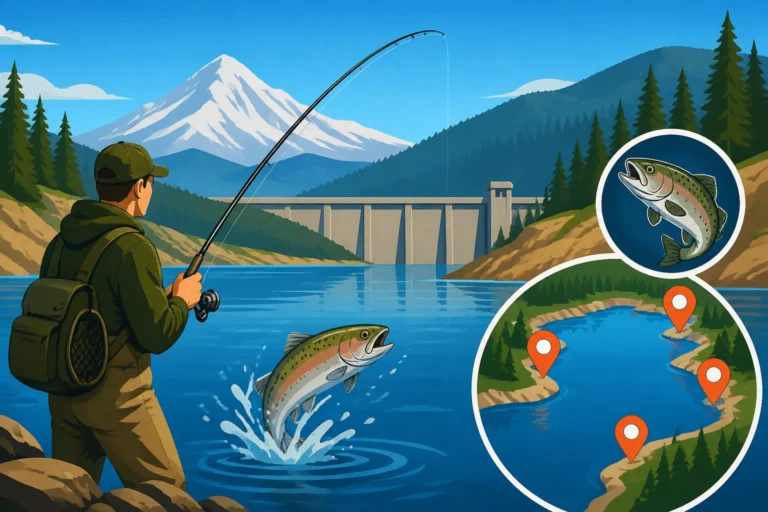
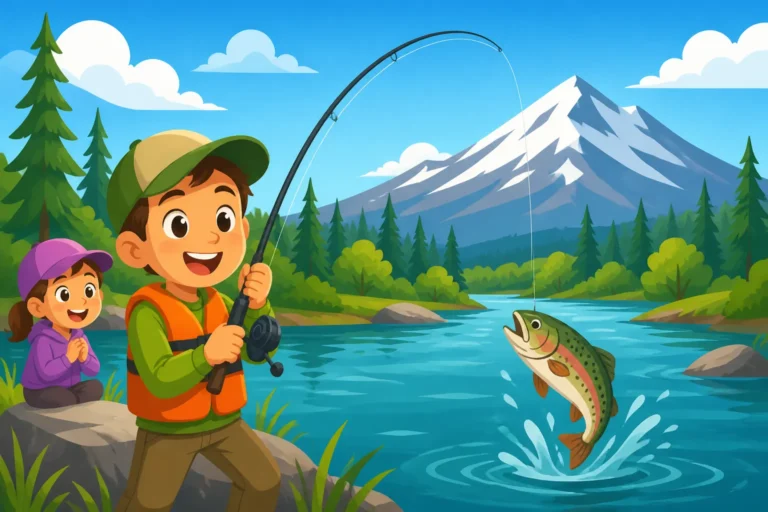
Embarking on your very first fishing adventure in Oregon can feel a little overwhelming, especially if you're standing in front of the tackle shop aisle wondering what in the world a bobber really does. Many aspiring anglers or families with eager kids just want a straightforward, stress-free spot to cast a line without needing a boat or a lifetime of experience. This guide is dedicated to helping you discover the absolute best, most accessible, and truly beginner-friendly fishing ponds right here near Eugene, ensuring your initial foray into the wonderful world of angling is nothing but fun and success.
Why Eugene is Great for Beginner Anglers
Eugene, with its beautiful parks and accessible waterways, offers a fantastic starting point for anyone new to fishing. You don't need to dream of battling a massive steelhead on a raging river right away – the beauty of starting small is that it builds confidence and provides immediate gratification. It's about enjoying the outdoors, learning the basics, and creating those memorable first catches.
Benefits of Pond Fishing for Newcomers
Let's be real, the thought of fishing in a big river or heading out to the vast ocean can be intimidating. The currents, the waves, the sheer number of experienced anglers around you, the specialized gear – it’s a lot to take in! This is where pond fishing truly shines for beginners. Ponds are typically calmer, more contained, and often stocked with fish that are eager to bite, particularly rainbow trout. This controlled environment means less worrying about tricky currents, complicated casting techniques, or expensive boat setups. You can literally walk up to the bank, drop a line, and often find success within minutes. It's an ideal setting for kids who might have a shorter attention span, allowing them to feel the thrill of a bite quickly and keep them engaged. Plus, most ponds near urban areas like Eugene are easily accessible, often with paved paths, restrooms, and picnic areas, making for a comfortable family outing.
What Makes a Pond "Beginner-Friendly"
When we talk about a pond being "beginner-friendly," we're really looking at a few key characteristics that remove common barriers to entry. First and foremost, regular stocking is huge. The Oregon Department of Fish and Wildlife (ODFW) regularly stocks many urban and community ponds with rainbow trout, ensuring there are plenty of fish for everyone to catch. You can actually check out Where to find the Oregon trout stocking schedule to plan your trip around recent releases. Second, easy access is paramount. This means paved parking, short walks to the water's edge, and plenty of bank access without needing to wade or navigate dense brush. Third, safety is a big consideration. Ponds that are relatively shallow with gentle slopes are ideal, especially when fishing with young children. Finally, amenities like restrooms, picnic tables, and clear signage regarding regulations also contribute to a stress-free experience. A pond that offers these features takes away much of the logistical headache, letting you focus purely on the joy of fishing.
Top Beginner-Friendly Fishing Ponds Near Eugene
When it comes to easy, accessible, and often fruitful fishing spots right in the Eugene area, a couple of ponds immediately spring to mind. These locations are perfect for new anglers or families hoping to introduce their kids to the sport without too much fuss.
Alton Baker Park Whilamut Passage Pond
If you're looking for the quintessential beginner fishing spot right in the heart of Eugene, the Whilamut Passage Pond at Alton Baker Park is your absolute best bet. This pond is specifically managed by ODFW as an urban fishing pond, meaning it gets regular stockings of rainbow trout throughout the spring, summer, and fall. The sheer convenience is unmatched – it's practically downtown!
The pond itself is quite accessible, with paved paths leading right up to various fishing spots along its banks. You'll find plenty of open areas to cast a line without feeling crowded, even on busy weekends. The water is relatively calm and not overly deep, making it safe for kids to explore the edges (under supervision, of course!). Many anglers have success here simply using a worm under a bobber or some PowerBait. Beyond the fishing, Alton Baker Park offers fantastic amenities: ample parking, restrooms, play structures for kids who might need a break from fishing, and beautiful walking trails. It's a complete package for a family day out, where fishing can be just one part of the adventure. It’s truly designed to make fishing as easy and enjoyable as possible, which is exactly what a beginner needs.
Junction City Pond
Just a short drive north of Eugene, you'll find another gem for new anglers: Junction City Pond. This ODFW-managed pond is also a stellar choice for beginners and families, known for its consistent trout stockings. It offers a slightly different vibe than the urban setting of Alton Baker, providing a more rural and tranquil experience without being too far off the beaten path.
Junction City Pond boasts excellent bank access around much of its perimeter, often with mowed grassy areas that are perfect for setting up a folding chair and enjoying the peaceful surroundings. Like Whilamut Passage Pond, it's regularly stocked with catchable rainbow trout, making it a reliable spot to hook into some fish. Standard trout baits like PowerBait, corn, or worms tend to work wonders here. The pond also occasionally receives stockings of other species like warmwater fish, adding a little variety, but trout are the main draw. While it might have fewer immediate amenities than Alton Baker Park, it usually has restroom facilities and a quieter atmosphere, which some families might prefer. It’s a great option if you want to feel a little more removed from the city hustle while still enjoying easy access to stocked fish.
Other Nearby Options
While Alton Baker Park Whilamut Passage Pond and Junction City Pond are definitely the stars for beginner-friendly, stocked pond fishing, a few other spots near Eugene can also offer good opportunities as you gain confidence. These might be slightly larger or offer different species, providing a natural progression from the dedicated beginner ponds.
For instance, Dexter Lake, located southeast of Eugene, is a much larger reservoir. While it can be intimidating from a boat, there are several accessible bank fishing areas, particularly around the Lowell State Recreation Site. Dexter Lake holds rainbow trout (often stocked), as well as bass, crappie, and other warmwater fish. This could be a good "next step" as you explore Oregon Warmwater Fish Species. Similarly, Cottage Grove Lake, further south, also provides bank access and various species. While these lakes are not ponds in the strictest sense, their designated access points can still be quite approachable for those who've mastered the basics at the smaller ponds. The key is to look for areas specifically managed for bank access and to check the ODFW fishing reports for current stocking information and best baits. Remember, each of these spots requires you to understand Oregon Fishing Regulations Explained, so always carry your license and know the rules for the specific body of water you're visiting.
| Pond Name | Location | Primary Species (Stocked) | Key Features for Beginners | Typical Baits/Lures |
|---|---|---|---|---|
| Alton Baker Park (Whilamut Pond) | Eugene (Urban) | Rainbow Trout | Very easy access, paved paths, restrooms, picnic areas, frequent stocking. | Worms, PowerBait, Corn |
| Junction City Pond | Junction City (Rural) | Rainbow Trout | Good bank access, mowed areas, calmer atmosphere, regular stocking, restrooms. | Worms, PowerBait, Corn |
| Dexter Lake | Southeast of Eugene | Rainbow Trout, Bass, Crappie | Larger lake with some accessible bank spots, various species, good "next step." | Worms, Spinners, Jigs |
| Cottage Grove Lake | South of Eugene | Rainbow Trout, Bass, Crappie | Similar to Dexter Lake, accessible areas, diverse species for growing skills. | Worms, Spinners, Jigs |
Essential Gear and Tips for Your First Eugene Pond Trip
Getting ready for your first fishing trip doesn't have to mean breaking the bank or feeling like you need a degree in angling. For beginner-friendly ponds near Eugene, simplicity is key. You'll be surprised how little gear you actually need to have a successful and enjoyable day.
Basic Rod, Reel, and Tackle Setup
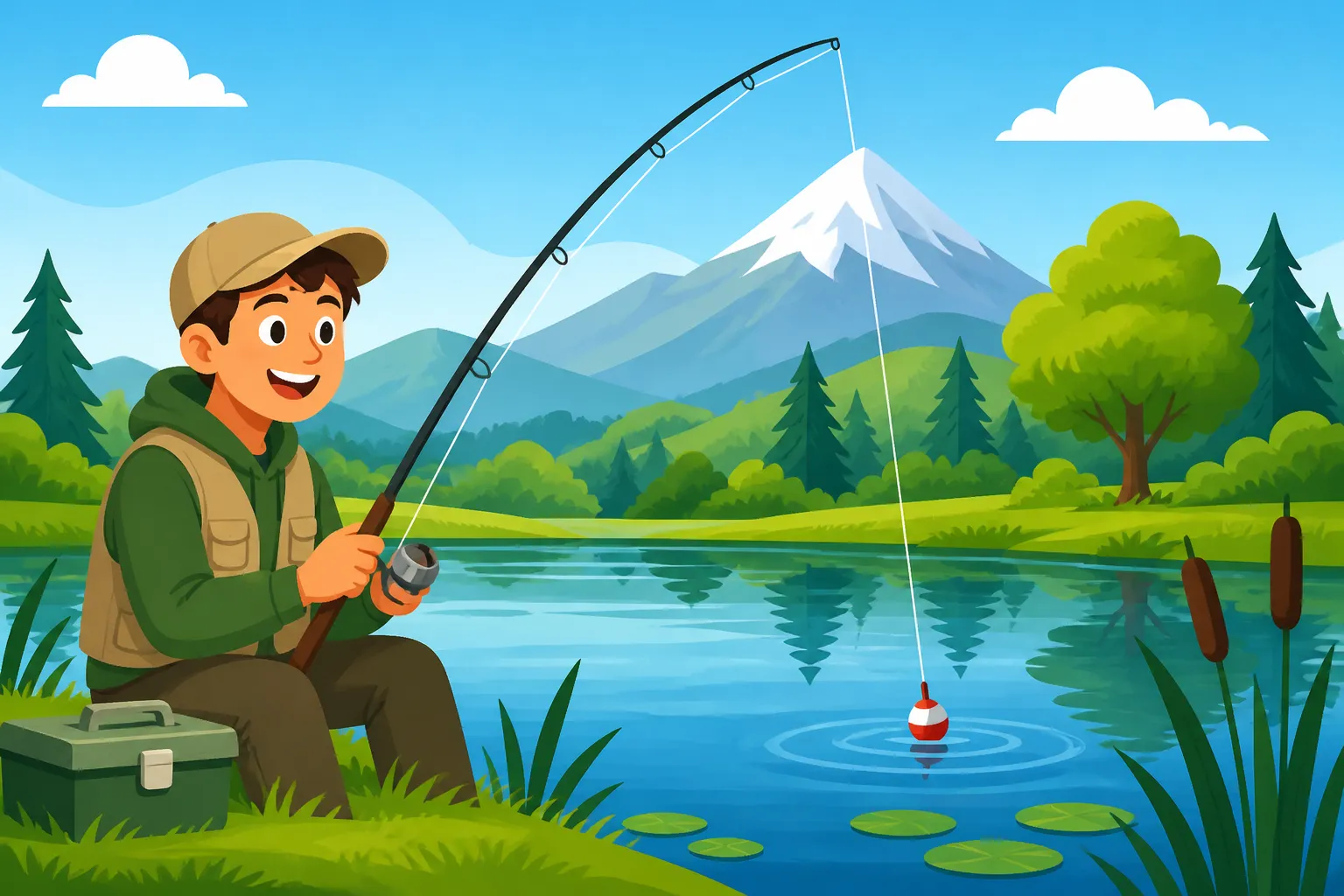
For pond fishing, especially when targeting stocked trout, you want a light and easy-to-handle setup. A spinning rod and reel combo is absolutely perfect. Look for something in the 5 to 6.5-foot range, with a light to medium-light action. These combos are inexpensive, readily available at any sporting goods store like Bi-Mart or even Walmart, and they're designed for easy casting. You'll want to spool your reel with 4 to 6-pound test monofilament line – it's strong enough for pond trout but thin enough for good casting and sensitivity.
As for tackle, keep it minimal:
- Small hooks: Size 8 or 10 bait holder hooks are great for worms or PowerBait.
- Split shot weights: A small assortment of these will help get your bait down to where the fish are.
- Bobbers: A pack of small, clip-on bobbers is essential. They help you detect bites and keep your bait at the right depth.
- Needle-nose pliers: For safely removing hooks.
- Small tackle box: To keep everything organized.
That’s pretty much it! Remember, the goal is to make it fun, not complicated. You don't need a massive array of lures or fancy electronic gadgets for these ponds.
Simple Baits and Lures for Pond Success
One of the beautiful things about stocked trout in ponds is that they aren't usually picky eaters. They're often raised on pellets, so anything that mimics that, or is just plain appealing, tends to work well. For beginners, sticking to these proven baits will maximize your chances:
- PowerBait or similar manufactured dough baits: This is arguably the most popular and effective bait for stocked rainbow trout. It comes in various colors and scents. A small pea-sized ball molded around your hook, often fished off the bottom with a small weight, is deadly.
- Worms: The classic for a reason! Nightcrawlers or garden worms are irresistible to most fish, including trout. Thread a small piece onto your hook, perhaps under a bobber, and let it drift.
- Corn: Believe it or not, canned sweet corn can be incredibly effective. Trout are attracted to its color and scent. Use just a few kernels on a small hook.
- Small spinners: If you want to try lures, a small inline spinner like a Rooster Tail or Panther Martin (1/16 to 1/8 oz) in bright colors (chartreuse, silver, gold) can be very effective. Cast it out and retrieve slowly. These are a great way to try out Oregon Trout Fishing Techniques beyond static bait.
Don’t feel pressured to bring everything. Pick one or two options and stick with them. Sometimes, the fish prefer one over another on any given day, so having a couple of choices is smart.
Understanding Oregon Regulations and Licenses
Before you even think about casting a line, understanding the rules and having the proper documentation is non-negotiable. Oregon has specific fishing regulations, and ignorance is not an excuse for violations.
- Fishing License: Every angler 14 years of age and older needs an Oregon Fishing License Guide. This applies whether you're a resident or a visitor. You can purchase these online through the ODFW website, at most sporting goods stores, or even some local tackle shops. If you're planning a trip, consider looking into Oregon fishing license cost for a family of four or Oregon 1-Day Fishing License if it's just a short visit.
- Combined Angling Tag: For specific species like salmon, steelhead, and sturgeon, you might need an additional tag. For general trout fishing in stocked ponds, an angling license is usually sufficient, but always double-check the current regulations.
- Bag Limits: There are daily bag limits for trout and other species. For most stocked ponds, it's typically a generous limit of 5 fish per day for trout, but this can vary. Always consult the latest Oregon Fishing Regulations Explained booklet or the ODFW website for the specific waterbody you are fishing. These details can change annually.
- Age Requirements: While adults need a license, Do kids need a fishing license in Oregon? is a common question. Generally, youth under the age of 12 do not need a license to fish. Those aged 12-17 typically need a youth license, which is usually less expensive. Check the Oregon Fishing License Age Requirements for the most current information.
- Catch and Release: For beginners, the focus is often on catching, but it's important to know how to properly release fish if you plan to do so. Handle fish gently with wet hands, and use your pliers to quickly remove the hook.
A quick visit to the ODFW website before your trip is always a good idea. They have up-to-date information on fishing reports, stocking schedules, and the complete regulations digest.
Making the Most of Your Beginner Fishing Experience
Fishing is more than just catching fish; it's about the entire experience – being outdoors, learning new skills, and connecting with nature. For beginners, cultivating good habits from the start ensures that every trip is enjoyable and sustainable.
Safety First, Always
When you're out fishing, especially with family, safety should always be your top priority. Ponds, while generally safer than rivers or the ocean, still have their own considerations.
- Life Jackets: If you're bringing young children, or if anyone in your group isn't a strong swimmer, consider having them wear a life jacket, especially near the water's edge. Accidents can happen quickly.
- Sun Protection: Oregon weather can be unpredictable, but the sun's UV rays are always a factor. Wear a wide-brimmed hat, sunglasses, and apply sunscreen regularly, even on cloudy days.
- Hydration: Bring plenty of water, especially during warmer months. It's easy to get dehydrated when you're focused on fishing.
- First Aid: A small first-aid kit with bandages, antiseptic wipes, and pain relievers is always a good idea for minor cuts, scrapes, or hook pokes.
- Sharp Objects: Hooks are sharp! Teach children how to handle them safely and always use caution when baiting hooks or unhooking fish. Needle-nose pliers are incredibly useful for safely removing hooks from fish, minimizing injury to both you and the fish.
- Check Conditions: Before heading out, check the weather forecast. Avoid fishing during thunderstorms or high winds.
Leave No Trace Principles
Part of being a responsible angler, even as a beginner, is practicing "Leave No Trace" principles. This ensures that these beautiful fishing spots remain enjoyable for everyone, for years to come.
- Pack it in, Pack it out: Whatever you bring to the pond, take it all home with you. This includes bait containers, old fishing line, food wrappers, and anything else. Litter is not only unsightly but can also harm wildlife.
- Respect Wildlife: Observe animals from a distance. Do not disturb nests or natural habitats. If you catch a fish you don't intend to keep, release it quickly and gently to minimize stress.
- Stay on Trails: Stick to designated paths and fishing areas. This helps protect the vegetation and natural environment around the pond.
- Be Mindful of Others: These ponds are popular spots, so be considerate of other anglers and park visitors. Keep noise levels down and give others ample space to cast.
- Dispose of Fishing Line Properly: Monofilament fishing line is a major hazard for birds and other wildlife. Never leave it tangled in bushes or lying on the ground. Many parks have designated recycling bins for fishing line, or you can take it home to dispose of it in the trash.
By following these simple guidelines, you're not just fishing; you're becoming a steward of Oregon's natural beauty and its angling traditions. And who knows, you might even inspire others to take up the sport responsibly. If you're looking to explore beyond these beginner ponds, or want to dive into other types of fishing, you can always check resources like FishingBooker to find guides or charters for bigger adventures once you're ready! Happy fishing, and tight lines!
Disclaimer
Please note that fishing regulations, stocking schedules, and accessibility information can change. Always consult the official Oregon Department of Fish and Wildlife (ODFW) website or their current regulations booklet before heading out to fish. This guide provides general information and recommendations for beginner anglers.