Best spot to fish for halibut near Newport
The thrill of chasing Pacific halibut off the Oregon Coast is something truly special, but let's be honest, figuring out the best place to actually drop a line can feel like searching for a needle in a very large, deep haystack. Many anglers dream of bringing home one of these magnificent flatfish, only to be overwhelmed by the sheer vastness of the ocean and the ever-changing regulations. This guide is here to demystify halibut fishing near Newport, pinpointing the most productive spots and giving you the insider knowledge you need for a successful trip.
Understanding Halibut Fishing Near Newport
Fishing for Pacific halibut is not just about luck; it's about understanding the fish and their preferred habitat. Newport, with its deep-water access and proximity to rich offshore structures, consistently ranks as one of the top ports for halibut anglers in Oregon. But what makes this stretch of coast so appealing, and what exactly are you up against with these powerful bottom dwellers?
Why Newport is a Halibut Hotspot
Newport isn't just a charming coastal town; it's a strategic launching point for some of the best offshore fishing the Pacific Northwest has to offer. The continental shelf drops off dramatically here, creating a complex underwater topography of banks, pinnacles, and canyons where marine life thrives. These deep-water structures act like magnets for baitfish, which in turn attract larger predators like halibut. The currents along the Oregon coast also play a significant role, sweeping nutrients and smaller organisms into these areas, creating a rich feeding ground.
What this means for you, the angler, is that you don't have to travel excessively far to hit productive grounds, although "far" is relative when you're talking about ocean fishing. The proximity of these prime areas, combined with Newport's well-equipped marinas and experienced charter fleet, makes it an ideal base. Many seasoned captains operating out of Newport know these waters like the back of their hand, understanding the subtle nuances of depth, current, and structure that hold halibut. They've spent countless hours out there, learning the rhythm of the ocean and where the big ones like to hang out.
The Elusive Nature of Pacific Halibut
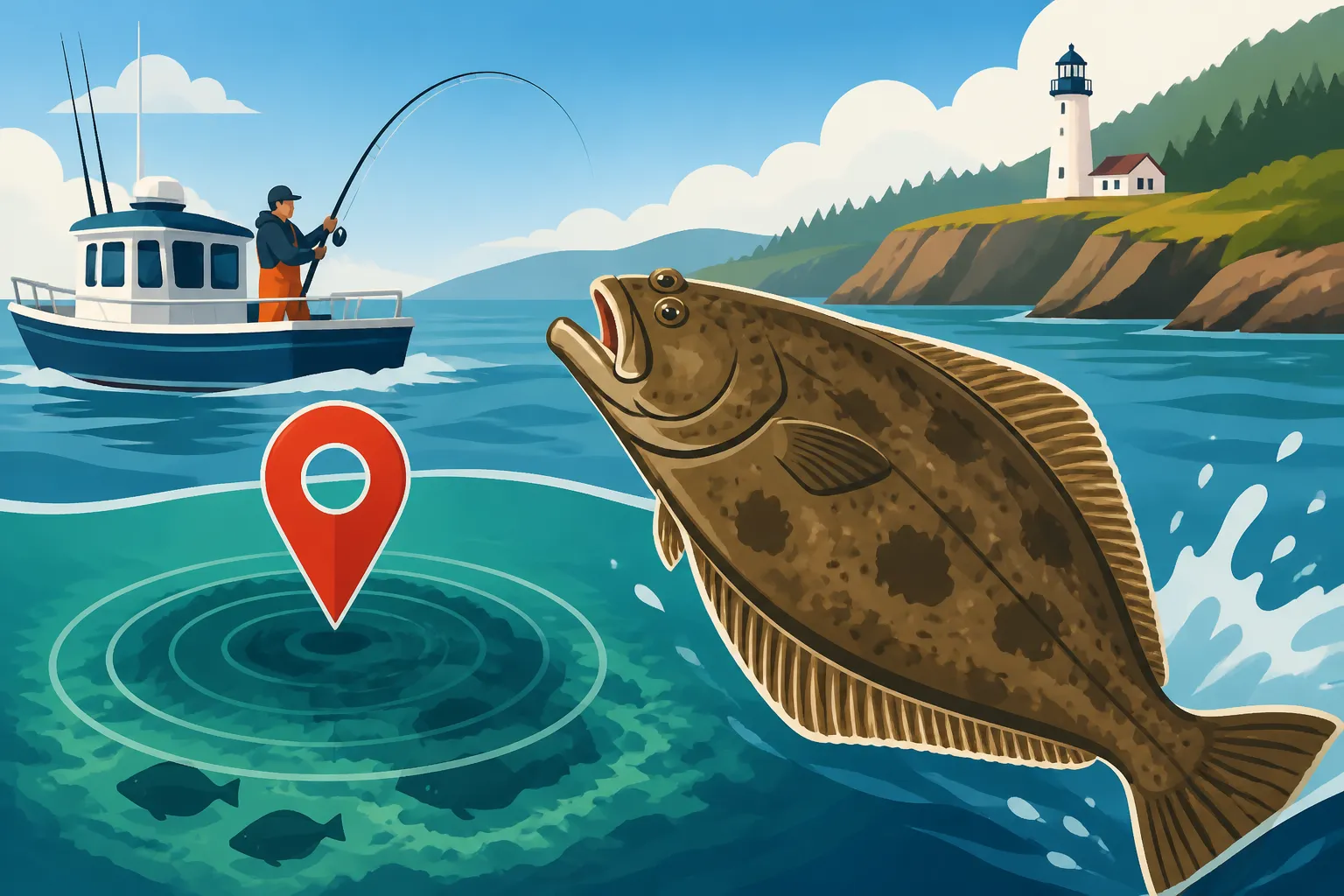
Pacific halibut are incredible fish – powerful, often enormous, and surprisingly camouflaged. They are true masters of the deep, typically preferring cold, deep waters from 150 to over 1,000 feet. These flatfish spend their lives lying on the seafloor, ambushing unsuspecting prey. Their coloration allows them to blend almost perfectly with the sandy or rocky bottom, making them incredibly difficult to spot visually, even in clear water. This camouflage is a testament to their predatory lifestyle; they are built to lie in wait.
Their diet consists of a variety of bottom-dwelling creatures, including crab, octopus, cod, flounder, and even smaller halibut. This tells you a lot about the kind of bait and lures you'll want to use – something substantial and appealing to a creature that isn't afraid of a big meal. Halibut are also known for their incredible strength and endurance once hooked. Don't let their flat appearance fool you; landing a large halibut is a serious workout, often described as cranking up a wet barn door from the abyss. It requires heavy tackle, patience, and a bit of grit, making the reward all the sweeter when that massive fish finally surfaces.
Top Halibut Fishing Grounds Off Newport
When you're targeting Pacific halibut out of Newport, you're generally looking at specific offshore banks and pinnacles that provide the kind of structure and depth these fish love. These aren't spots you just stumble upon; they require navigation, knowledge, and often, a good weather window.
The Stonewall Bank Fishery
Without a doubt, Stonewall Bank is the legendary name that comes up again and again when talking about halibut fishing near Newport. Located roughly 15-20 miles southwest of Yaquina Bay, Stonewall is an expansive, federally protected area that is a veritable smorgasbord for marine life. The bank itself rises from depths of 400-600 feet to as shallow as 150-200 feet in some areas, creating significant upwellings and diverse habitat.
This distinct underwater mountain range offers a mix of rocky reefs, sandy patches, and gravel beds, providing ideal ambush points for halibut. Anglers often target depths between 200 and 400 feet around the bank, looking for areas where the contour lines on a chart show interesting changes. However, it's crucial to remember that Stonewall Bank has significant restrictions for groundfish, though halibut fishing is typically permitted during designated seasons. You absolutely must check the current ODFW regulations before heading out, as zones and allowable species can change. The sheer size and productivity of Stonewall make it a primary destination for many Newport halibut charters.
Heceta Bank and Other Offshore Pinnacles
While Stonewall is the most famous, Heceta Bank, located further south and west of Newport (about 25-30 miles offshore), is another incredibly productive, albeit more distant, halibut hotspot. Heceta is even larger than Stonewall and rises from even greater depths, creating a massive underwater ecosystem. It's renowned for its abundance of baitfish and, consequently, large halibut, lingcod, and various rockfish.
Fishing Heceta Bank usually means a longer boat ride and requires calmer ocean conditions, but the potential for trophy-sized fish is significant. Beyond these two major banks, there are numerous smaller, unnamed pinnacles and rocky outcroppings that knowledgeable local captains frequent. These smaller spots can be honey holes, especially during peak season, offering less pressure and sometimes even better fishing. Finding these "secret" spots often involves years of experience, a good sonar unit, and perhaps a bit of luck. If you're considering a trip to these more distant banks, ensure your vessel is sea-worthy and your skipper is experienced in navigating these offshore conditions. Many charter operators advertising halibut trips out of Newport will mention their access to both Stonewall and Heceta, giving you options depending on conditions and the bite.
Nearshore Opportunities for Incidental Catches
While most dedicated halibut trips head to the offshore banks, it's not entirely unheard of to catch a halibut closer to shore, especially when bottom fishing for other species. These are generally considered incidental catches rather than targeted efforts, as the conditions and typical depths for halibut are usually much greater. You might hook into a smaller "chicken" halibut (a term for smaller, usually under 20 pounds) while fishing for rockfish or lingcod over rocky reefs in 80-150 feet of water.
These nearshore areas, though not a prime halibut destination, still contribute to the overall fishing experience near Newport. The mouth of Yaquina Bay and the immediate coastal waters hold a variety of bottom fish, and sometimes a halibut just happens to be in the wrong place at the right time. For anglers hoping to combine different types of fishing, this can be a pleasant surprise. However, if your primary goal is to target large Pacific halibut, your best bet will always be venturing out to the deeper offshore structures like Stonewall Bank or Heceta Bank.
Essential Gear, Techniques, and Timing for Newport Halibut
Successfully landing a halibut is a fantastic achievement, but it requires the right tools, knowledge, and patience. These fish are strong, and the conditions you're fishing in can be challenging. Preparation is key to avoiding disappointment and ensuring a safe, productive day on the water.
Rods, Reels, and Line Selection
Halibut fishing is not for light tackle. You need robust gear that can handle the deep water, heavy weights, and the powerful fight of a large flatfish.
- Rods: Look for a heavy-action rod, typically 6 to 7.5 feet long, with a strong backbone and a sensitive tip. This allows you to detect subtle bites in deep water while still having the power to lift heavy sinkers and fight a big fish. Many anglers opt for conventional boat rods designed for offshore bottom fishing.
- Reels: A high-quality, conventional reel with a strong drag system and a high line capacity is non-negotiable. Reels like the Penn Fathom or Shimano TLD series are popular choices. You'll need something that can hold at least 300-500 yards of line, often 60-80 lb test. A level-wind feature can be helpful but isn't strictly necessary.
- Line: Braided line (superline) is almost universally preferred for halibut. Its zero-stretch properties give you excellent sensitivity to feel bites in deep water, and its thin diameter for a given breaking strength reduces drag in the current. Use 60-100 lb test braided mainline, often with a monofilament or fluorocarbon leader of similar or slightly lower breaking strength (e.g., 80 lb mono). This leader provides abrasion resistance against sharp rocks and the halibut's abrasive mouth. Don't skimp on your line; it's the only thing connecting you to that potential trophy.
Baits, Lures, and Rigging
Halibut are opportunistic feeders, so your bait and presentation matter.
- Baits: Fresh bait is king. Oily baits like whole or cut herring, salmon bellies, squid, or even small octopus are highly effective. Some anglers swear by combining baits, such as a strip of squid with a chunk of herring, to create a multi-sensory attraction. Make sure your bait is fresh and lively, or at least well-preserved if frozen.
- Lures: Large, heavy jigs (often 8-16 oz or more, depending on depth and current) in various colors (white, glow-in-the-dark, chartreuse) can be very effective, especially when tipped with a piece of bait. Swimbaits or large grub tails can also be added to jigs for extra appeal.
- Rigging: The most common setup for halibut is a simple but sturdy two-hook spreader rig or a slider rig.
- Spreader Rig: This involves a heavy lead sinker (often 1-3 pounds, sometimes more in strong current) at the bottom, with two snelled hooks (10/0 to 16/0 circle hooks are standard) coming off short leaders attached to a spreader bar. The spreader keeps your baits from tangling.
- Slider Rig: A slider rig allows your sinker to slide freely on your mainline above a swivel, to which your leader and baited hook are attached. This allows the halibut to pick up the bait without immediately feeling the weight of the sinker, giving you a better bite. Always use strong, high-quality swivels and snaps to connect all components, as a big halibut will exploit any weak link. For more details on tags, make sure to check out the "Oregon Halibut Tag Requirements" guide before you head out.
Best Practices for Success
Beyond gear, your technique and approach will dictate your success.
- Drift Fishing: Many anglers prefer drift fishing for halibut. This involves allowing your boat to drift over productive ground, covering more area and presenting your bait to a wider range of fish. Pay close attention to your sonar to identify changes in structure or marks that indicate fish.
- Anchoring: In strong currents or when you've found a particularly productive spot, anchoring can be effective. This allows you to thoroughly work a specific area. Ensure you have a robust anchoring system capable of holding your boat in deep water.
- Bait Presentation: Keep your bait just off the bottom, perhaps a foot or two up, allowing it to flutter enticingly in the current. Halibut often "mouth" the bait before fully committing, so a sensitive rod tip and braided line will help you detect these subtle taps. When you feel a solid bite, let the fish take the bait for a few seconds before slowly lifting the rod to set the hook, especially with circle hooks which are designed to hook in the corner of the mouth.
- Safety First: Offshore fishing demands respect for the ocean. Always check weather forecasts rigorously. Carry all required safety gear, know how to use it, and file a float plan. Even on a charter, safety is paramount.
Timing Your Halibut Adventure from Newport
Timing is everything when it comes to halibut fishing. The season itself is tightly regulated, and daily conditions play a massive role.
Understanding the Halibut Season
Pacific halibut seasons off the Oregon coast are managed by the Oregon Department of Fish and Wildlife (ODFW) and are typically quota-based. This means there are often specific opening dates, and the season can close suddenly once the quota is met. Generally, the season runs in defined "all-depth" and "nearshore" periods, often starting in May and extending into the summer or fall until the quota is caught. The "all-depth" season allows fishing in deeper offshore waters, while the "nearshore" season restricts fishing to shallower, specified zones.
It is absolutely critical to check the most current ODFW Sport Halibut Regulations before planning any trip. These regulations are updated annually and sometimes even mid-season, and they cover everything from open dates, daily bag limits, size limits, and even specific areas or gear restrictions. Missing this crucial step can lead to fines and disappointment. You'll also need a valid fishing license and potentially an ocean endorsement, which you can learn more about in the "Oregon Ocean Endorsement" guide.
Tidal and Weather Considerations
Beyond the official season, Mother Nature has the final say.
- Tides and Current: Halibut fishing is highly influenced by tides and current. Strong currents can make it incredibly difficult to get your gear to the bottom and keep it there. Many experienced anglers prefer fishing during periods of weaker tides, often around slack tide, when the current is less aggressive. This allows for lighter sinkers and better bait presentation.
- Ocean Conditions: This is paramount for safety and comfort. Halibut grounds are often miles offshore in open ocean. Swells, wind chop, and fog can make for a miserable, or even dangerous, trip. Always check marine forecasts for wind, wave height, and visibility. Calm seas (under 5 feet of swell, light winds) are ideal, but these windows can be fleeting on the Oregon coast. Don't be afraid to reschedule if conditions are not safe or comfortable, especially if you're prone to seasickness. A good captain will prioritize your safety over a fishing trip.
Navigating Charters vs. Private Boats for Halibut
Deciding whether to book a charter or take your own boat out for halibut near Newport depends heavily on your experience, equipment, and comfort level with offshore conditions. Both options offer unique advantages and challenges.
Benefits of a Guided Trip
For many anglers, especially those new to offshore fishing or visiting the Oregon coast, booking a guided charter trip is the smartest and safest option for targeting halibut. Here's why:
- Expert Knowledge: Charter captains operating out of Newport are intimately familiar with the local halibut grounds, seasonal movements, and current regulations. They know the exact coordinates of the best spots, the optimal depths, and the most effective techniques for the day. This local expertise is invaluable and takes years to acquire on your own.
- Specialized Equipment: Halibut fishing requires heavy-duty gear, often quite expensive. Charters provide all the necessary rods, reels, line, terminal tackle, and bait. This saves you a significant upfront investment and ensures you're using equipment that can handle these powerful fish.
- Safety and Comfort: Charter boats are typically larger, more stable, and equipped with advanced navigation and safety equipment. The captain is licensed and experienced in handling offshore conditions, making your trip much safer. Many boats offer amenities like heated cabins and restrooms, which can make a long day on the water much more comfortable.
- Increased Success Rate: Due to their knowledge and equipment, charters generally have a higher success rate for putting clients on halibut. While nothing is guaranteed in fishing, a good charter vastly improves your odds.
- Learning Opportunity: It's an excellent way to learn the ropes of offshore fishing from experienced pros. You can pick up tips on reading the sonar, rigging, bait presentation, and fighting big fish.
If you're looking for a charter, platforms like FishingBooker are fantastic resources. You can browse various Newport fishing charters, compare prices, read reviews from other anglers, and see what different captains specialize in. This helps you find a reputable guide service that fits your budget and preferences, ensuring you have a great shot at a trophy halibut. Searching for "Newport Oregon Fishing Charters" on such platforms will give you a wealth of options. Many charters also offer combo trips where you can target halibut and then switch to lingcod or rockfish, maximizing your time on the water.
Planning a Private Boat Trip
If you own a capable boat and have significant offshore experience, venturing out for halibut on your own can be an incredibly rewarding experience. However, it's not a decision to take lightly.
- Boat Requirements: You'll need a vessel that is adequately sized and equipped for offshore travel. This means a boat at least 20-22 feet long, ideally with twin engines for redundancy, a robust fuel capacity, and all necessary safety gear (VHF radio, GPS, EPIRB/PLB, flares, life jackets for everyone, first aid kit).
- Navigation and Electronics: A reliable GPS/chartplotter with up-to-date charts of the offshore banks and a powerful fish finder/sonar are essential. You need to be able to navigate accurately to the halibut grounds and mark fish and structure once you're there.
- Experience is Key: Deep-water, offshore fishing demands a high level of boating and fishing experience. You need to be competent in handling your boat in varying sea conditions, understand marine weather, and know how to safely operate far from shore. Don't underestimate the Pacific Ocean; it can turn nasty quickly.
- Regulations and Tags: As a private boater, the onus is entirely on you to know and adhere to all ODFW regulations, including seasons, bag limits, and any special tags like the "Oregon Combined Angling Tag Guide" that might be required. You'll need to check the regulations booklet frequently, as closures can happen with little notice.
- Cost and Maintenance: While you save on charter fees, you're responsible for all the costs of boat ownership, fuel, gear, and maintenance. Offshore fishing puts a lot of wear and tear on equipment.
For those with the experience and the right boat, the independence of a private trip is unparalleled. You can choose your own schedule (within season limits), target specific spots, and fish at your own pace. Just be sure to always prioritize safety and never venture out alone without letting someone know your float plan and expected return time. Platforms like FishingBooker often also have articles and resources that can help private boaters prepare for their trips, from gear recommendations to safety checklists.
| Halibut Fishing Option | Pros | Cons | Ideal For |
|---|---|---|---|
| Charter Trip | Expert guides, all gear provided, safer, higher success rate, comfortable boats, no personal equipment upkeep. | Higher upfront cost per trip, fixed schedule, may be with other anglers. | Beginners, visitors, those without offshore boats, anglers prioritizing comfort and success. |
| Private Boat Trip | Flexibility, independence, lower cost per trip (if you own the boat), can target specific preferences, rewarding. | Requires significant experience, expensive boat ownership/maintenance, specialized gear investment, personal safety responsibility, requires constant regulation checks. | Experienced boaters, those with suitable offshore vessels, anglers who prefer solitude and independence. |
Disclaimer
Please remember that fishing regulations, seasons, and licensing requirements can change at any time. Always consult the official Oregon Department of Fish and Wildlife (ODFW) website or publications for the most current and accurate information before planning any fishing trip. Safety is paramount when fishing offshore; always check marine forecasts and prioritize your well-being.