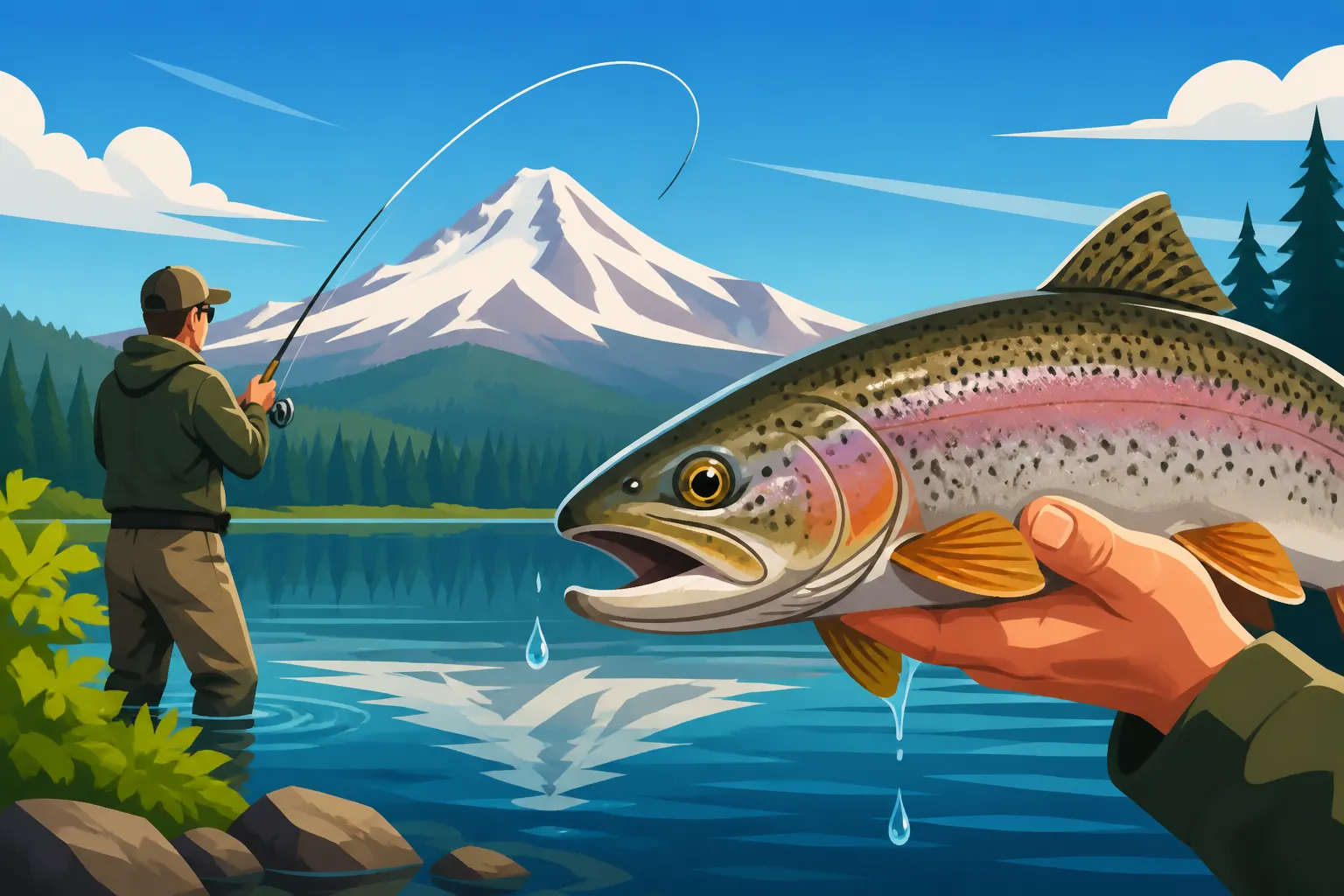
Timothy Lake trout fishing near Mount Hood
There’s nothing quite like the dream of a peaceful day on the water, surrounded by the stunning beauty of nature, especially when you’re casting a line in a place as iconic as Mount Hood. But let's be real, turning that dream into a successful fishing trip, particularly at a new spot like Timothy Lake, can feel overwhelming. You’re probably wondering where to start, what gear to haul up there, and if you even stand a chance of catching anything worthwhile. This guide is here to cut through that confusion, giving you all the practical, detailed advice you need to make your Timothy Lake trout fishing adventure a reality, with a real chance at bringing home some delicious fish.
Why Timothy Lake is a Trout Angler's Dream Near Mount Hood
Timothy Lake, nestled high in the Mount Hood National Forest, isn't just another pretty face in Oregon's vast landscape of fishing spots. It’s a true gem, offering not only breathtaking views of Mount Hood itself but also fantastic opportunities for trout fishing that draw anglers from all over. The sheer majesty of the surroundings – towering pines, crystal-clear water, and that undeniable mountain air – makes every cast feel a little more special.
The Allure of High-Altitude Trout Fishing
There’s a unique charm to high-altitude fishing. The air is crisp, the crowds are often thinner than at more accessible spots, and the fish, well, they just seem to fight a little harder in these pristine waters. Timothy Lake sits at an elevation of about 3,227 feet, which contributes to its cool, oxygen-rich waters – ideal conditions for thriving trout populations. This elevation also means a slightly shorter fishing season than lower-elevation lakes, typically opening once the snow has fully melted and access roads are clear, usually by late spring or early summer.
The seclusion and natural beauty are major draws. You’re not just fishing; you’re immersing yourself in an experience that revitalizes the soul. Many anglers choose Timothy Lake for its serene atmosphere and the chance to disconnect from the hustle and bustle of daily life. It’s a place where you can genuinely appreciate the solitude of the wilderness while pursuing your passion for angling. This isn't just about catching fish; it's about the journey and the incredible backdrop.
Primary Trout Species in Timothy Lake
Timothy Lake is primarily known for its thriving populations of rainbow trout and kokanee salmon. While kokanee are technically sockeye salmon that live their entire lives in freshwater, they are often sought after by trout anglers due to their similar habitat and fishing techniques. Occasionally, you might also encounter brook trout, especially in the shallower, colder pockets of the lake.
- Rainbow Trout: These vibrant fish are the backbone of Timothy Lake's fishery. The Oregon Department of Fish and Wildlife (ODFW) regularly stocks Timothy Lake with hatchery-reared rainbow trout, ensuring consistent opportunities for anglers. They are known for their spirited fights and are excellent table fare. Rainbows typically cruise the open waters and near submerged structures, feeding on insects, smaller baitfish, and plankton. They’re often found in the upper water column during cooler parts of the day or year.
- Kokanee Salmon: These landlocked salmon are another popular target. They’re smaller than their ocean-going cousins but make up for it with their delicate, flavorful meat and feisty nature. Kokanee are primarily plankton feeders, which means they often require specialized trolling techniques and gear to entice a bite. They tend to school up, so once you find one, you’re often in for a good time. Their distinct silver bodies often turn a brilliant red as they approach spawning season, making them a beautiful catch.
- Brook Trout: While less numerous than rainbows or kokanee, brook trout can sometimes be found, particularly around stream inlets where colder water flows into the lake. These beautiful fish, with their distinctive worm-like markings and reddish fins, prefer very cold, clean water. Catching a brook trout at Timothy Lake is often a delightful surprise for anglers.
Knowing which species you're targeting can greatly influence your choice of bait, lure, and fishing technique. For general trout fishing, most standard methods will work for rainbows, but kokanee require a bit more specialized approach, often involving downriggers or weighted lines to reach their preferred depths. Before you even head out, it’s a good idea to check the current Oregon Fishing Regulations Explained to ensure you're aware of any limits or specific rules for each species.
Essential Gear and Tactics for Timothy Lake Trout
Getting ready for a fishing trip to Timothy Lake means more than just throwing a rod in the car. The right gear and a solid understanding of effective tactics can make all the difference, transforming a hopeful outing into a memorable success. Whether you're planning on fishing from the shore, a boat, or even a float tube, having your arsenal ready is key.
Recommended Rods, Reels, and Line
For general trout fishing at Timothy Lake, a versatile setup will serve you well.
- Rods: A light to medium-light action spinning rod, typically in the 6 to 7.5-foot range, is ideal. This length provides good casting distance from shore and sufficient sensitivity for detecting subtle bites, yet enough backbone to handle a feisty rainbow or kokanee. For those interested in fly fishing, a 5 or 6-weight fly rod is a great all-around choice.
- Reels: Pair your spinning rod with a small to medium-sized spinning reel (e.g., 1000-2500 series) that balances well with the rod. For fly fishing, a reliable fly reel with a smooth drag system is essential.
- Line: For spinning setups, 4-6 lb test monofilament or fluorocarbon line is a popular choice for its balance of strength and low visibility. Some anglers prefer braided line (e.g., 10-15 lb test) with a fluorocarbon leader for increased sensitivity and casting distance. For kokanee trolling, a line counter reel with thin braided line can be incredibly helpful for precise depth control, especially when using downriggers. For those pursuing the art of fly fishing, a weight-forward floating line will cover most dry fly and nymphing situations, with a sinking tip line being useful for deeper presentations.
Remember, the clearer the water, the more critical line visibility becomes. A good fluorocarbon leader, typically 2-4 lb test, can be a game-changer when fish are finicky. Many anglers looking for more specialized gear might visit their local tackle shop or even explore online platforms like FishingBooker, which sometimes list guides who provide all necessary equipment for their trips, eliminating the guesswork.
Effective Baits and Lures for Timothy Lake
Trout in Timothy Lake respond well to a variety of baits and lures, but having a diverse selection can adapt you to changing conditions and fish preferences.
- PowerBait and Worms: These are classic choices for rainbow trout, especially when still fishing from shore or anchored boats. PowerBait in bright colors (chartreuse, rainbow, orange) often works wonders, suspended just off the bottom. Nightcrawlers or garden worms are also universally effective, either whole or in pieces.
- Spinners and Spoons: Small inline spinners like Mepps, Panther Martin, or Rooster Tail in sizes #0 to #2 are deadly for aggressive trout. Colors like silver, gold, and brass, often with a hint of red or orange, are reliable. Little Cleo spoons or Kastmasters are also excellent for casting long distances and imitating fleeing baitfish. These are particularly effective during active feeding periods.
- Jigs: Small marabou jigs or plastic grub jigs, often tipped with a piece of worm or Gulp! bait, can be incredibly productive, especially when jigged near drop-offs or submerged structures. White, black, and olive are good starting colors.
- Flies: For the fly-fishing enthusiast, Timothy Lake offers diverse opportunities. Dry flies like Parachute Adams, Elk Hair Caddis, and small terrestrials (ants, beetles) can be effective during hatches. Nymphs such as Prince Nymphs, Hare's Ears, and Copper Johns work well when fish are feeding sub-surface. Streamers, like Woolly Buggers, can also entice larger trout. If you're interested in refining your technique, exploring How to Fly Fish in Oregon can provide more in-depth knowledge.
- Kokanee Specifics: For kokanee, things get a bit more specialized. Small dodgers or flashers paired with mini hoochies, wedding rings, or small Kokanee Plugs (like those from Kokanee Kid or Dick Nite) are extremely effective when trolled. Tipping these lures with corn soaked in a aniseseed or garlic scent is a common and often critical tactic to attract these plankton feeders. Pink, orange, and chartreuse are popular kokanee colors.
Always carry a variety, as what works one day might not work the next. Pay attention to what other successful anglers are using, and don't be afraid to experiment!
Mastering Bank and Boat Fishing Strategies
Timothy Lake offers excellent opportunities for both bank and boat anglers, each with its own advantages and techniques.
Bank Fishing Techniques
Fishing from the shore is perhaps the most accessible way to enjoy Timothy Lake. The lake has numerous access points, especially around the campgrounds and picnic areas.
- Still Fishing: This is the most common technique. Cast out your bait (PowerBait, worms, or a combination) with a sliding sinker rig, allowing your bait to float a foot or two off the bottom. Let it sit, and be patient. This is particularly effective near drop-offs or where weed beds transition to open water.
- Casting Lures: If you prefer a more active approach, cast spinners or spoons from shore. Fan-cast to cover as much water as possible. Retrieve at a moderate pace, varying your retrieve to find what the fish prefer. Early mornings and late evenings are often the most productive times for this.
- Key Bank Spots: Look for areas with submerged structure, weed lines, or points that extend into the lake. Campgrounds like Pine Point and Hoodview offer good bank access, as do some of the day-use areas. These spots often hold hungry trout cruising for an easy meal.
Boat Fishing Techniques
Having a boat, whether it's a motorized fishing boat, kayak, canoe, or float tube, opens up a world of possibilities at Timothy Lake, allowing you to reach deeper waters and cover more ground.
- Trolling: This is hands down one of the most productive methods for both rainbow trout and kokanee, especially in the deeper, open areas of the lake.
- For Rainbows: Troll spinners, spoons, or small diving plugs (like Rapalas or Kwikfish) at various depths. Experiment with speed and depth until you find the strike zone. Flatlining (trolling without additional weight) can be effective in shallower water or early morning.
- For Kokanee: Downriggers are almost essential for consistent kokanee success, allowing you to present your lures at precise depths where the schools are holding, often 20-50 feet down, sometimes even deeper in summer. Use small dodgers or flashers ahead of your kokanee-specific lures. Slow trolling speeds (1.0-1.8 mph) are usually best.
- Jigging: From an anchored boat, vertical jigging with small jigs or spoons can be effective, especially when you locate fish on your fish finder. Drop your lure to the desired depth and impart short, sharp jerks to make it dance.
- Still Fishing: Similar to bank fishing, but from a boat, you can anchor in strategic locations like near submerged trees, rock piles, or prominent points. This is a great way to enjoy the scenery while waiting for a bite.
- Float Tubing/Kayaking: These provide a quiet, stealthy approach, perfect for exploring coves and quieter areas. Cast flies, small jigs, or troll mini-spinners. This method is particularly enjoyable during calm mornings.
Regardless of your chosen method, checking the current Oregon Fishing Season Dates and Limits is crucial. Specific species might have different seasons, and knowing these details ensures you’re fishing legally and responsibly.
| Species | Primary Baits/Lures | Preferred Depths (approx.) | Best Seasons | Common Locations |
|---|---|---|---|---|
| Rainbow Trout | PowerBait, Worms, Spinners, Spoons, Nymphs | 5-25 ft, surface at dawn/dusk | Spring, Summer, Fall | Near shore, inlets, open water |
| Kokanee Salmon | Dodgers + Hoochies/Wedding Rings (tipped w/corn) | 20-50+ ft (thermo-cline) | Summer, Early Fall | Open water, schooling areas |
| Brook Trout | Small Spinners, Worms, Small Flies | 5-15 ft (coldest areas) | Spring, Early Summer | Stream inlets, shaded coves |
Navigating Timothy Lake Access and Facilities
A big part of a successful and enjoyable fishing trip to Timothy Lake is knowing how to get there, where to launch, and what amenities are available. Being prepared for the logistics means more time on the water and less time stressing.
Boat Ramps, Shore Access, and Camping
Timothy Lake is relatively large, covering about 1,500 acres, and offers several well-maintained access points.
- Boat Ramps: The primary boat ramps are located at Pine Point and Hoodview Campground. These ramps are suitable for various boat types, from small fishing boats to larger recreational vessels. There are often fees associated with using the boat ramps and day-use areas, so be prepared with cash or a Northwest Forest Pass. Keep in mind that Timothy Lake has a 10 mph speed limit for motorized boats, which maintains a peaceful atmosphere for anglers and paddlers alike. This regulation makes it an ideal lake for serene trolling or simply enjoying the quiet.
- Shore Access: Excellent shore access can be found around all the campgrounds (Hoodview, Pine Point, Oak Fork, Gone Creek) and various day-use picnic areas. Many spots offer clear banks, making casting easy. However, some areas can be quite steep or overgrown, so a little exploring might be necessary to find your perfect spot.
- Camping: If you're planning a multi-day trip (which is highly recommended to fully experience the lake), several campgrounds surround Timothy Lake.
- Hoodview Campground: Offers boat-in and walk-in sites, many with stunning lake views. It’s popular and can fill up quickly.
- Pine Point Campground: Features both boat-in and drive-up sites, with excellent access to the boat ramp and prime fishing areas.
- Oak Fork Campground and Gone Creek Campground: These also provide good access and amenities, including restrooms and potable water at many sites.
Reservations are often essential, especially during peak season, and can usually be made through Recreation.gov. Planning ahead is crucial, particularly if you’re coming from a distance and want to maximize your time fishing. For those who want to simplify the planning process for a longer trip, resources like FishingBooker can sometimes help with finding guides who coordinate lodging or offer multi-day fishing packages that include camping arrangements.
Understanding Lake Regulations and Seasons
Like all fishing destinations in Oregon, Timothy Lake has specific regulations designed to protect its fisheries and ensure sustainable angling for future generations.
- Oregon Fishing License: First and foremost, anyone 12 years of age or older needs a valid Oregon Fishing License Guide to fish in Timothy Lake. This includes an annual angling license for residents or appropriate short-term licenses for non-residents. Don't forget any necessary endorsements like the Combined Angling Tag if you plan to target specific species with certain gear. You can often purchase these online or at authorized vendors.
- Season Dates: Timothy Lake is typically open for fishing year-round, but practical access is limited by snow from late fall through late spring. The prime fishing season usually runs from late May or early June (once the roads are clear) through October. Always double-check the current ODFW regulations, as specific closures or openings can vary based on conditions.
- Bag Limits and Size Restrictions: Be mindful of daily bag limits and any size restrictions for different species. For example, rainbow trout typically have a general bag limit, but kokanee might have a separate limit, and sometimes there are specific rules for wild vs. hatchery fish (though most trout caught here are hatchery-reared). These regulations are clearly outlined in the annual ODFW Sport Fishing Regulations booklet, which you should always have with you, either physically or digitally.
- Gear Restrictions: Pay attention to any gear restrictions, such as hook size, bait restrictions in certain areas, or the number of rods allowed per angler. While Timothy Lake is generally quite open, always consult the current regulations to avoid any unintentional violations. For instance, sometimes certain areas might be designated "fly-fishing only," though this is less common on the main lake.
It’s always a good practice to download the latest ODFW regulation booklet or check their website before each trip. Being informed not only keeps you legal but also helps you contribute to the conservation of these valuable fisheries. Understanding these rules is a fundamental part of Oregon Fishing Regulations Explained for any serious angler.
Best Times and Conditions for Timothy Lake Trout Fishing
Timing and conditions are everything when it comes to successful trout fishing, and Timothy Lake is no exception. Knowing when to go and what to look for can significantly increase your chances of a productive and enjoyable outing.
Seasonal Breakdown: Spring, Summer, Fall
Timothy Lake offers distinct fishing experiences across its accessible seasons.
- Spring (Late May – Early July): This is arguably one of the best times to fish Timothy Lake, once the snow melts and roads are fully open. The water is still cool, and hungry trout are often cruising the shallows, actively feeding after the long winter.
- Rainbows: Freshly stocked trout are abundant and eager to bite. They are often found closer to the surface, making them accessible to bank anglers and trollers without deep-diving gear. Spring hatches of insects can also create fantastic fly-fishing opportunities.
- Kokanee: While still present, kokanee can be a bit more scattered in the spring. As the water warms, they'll begin to move into deeper, cooler zones.
- Tactics: Trolling with small spoons or spinners is highly effective, as is still fishing with PowerBait or worms from shore. Fly anglers should focus on nymphing or dry flies during hatches. This is an excellent time for those who prefer more active fishing.
- Summer (July – August): As the summer progresses, Timothy Lake warms up, and the fish, particularly kokanee, tend to move to deeper, cooler waters, often congregating around the thermocline.
- Rainbows: While still catchable, rainbows might become a bit more lethargic during the heat of the day. Focus on early morning or late evening, or target them in cooler areas like near stream inlets. They might also suspend in deeper water.
- Kokanee: This is prime time for kokanee. They will be schooling up and often require downriggers or weighted lines to reach their preferred depths. Trolling speed and depth are critical here.
- Tactics: Trolling with downriggers for kokanee is the name of the game. For rainbows, try still fishing deep with worms or PowerBait, or casting lures at dawn/dusk. Fly fishing can be challenging during the day but rewarding during evening hatches.
- Fall (September – October): Fall is another fantastic season at Timothy Lake, often bringing cooler temperatures, fewer crowds, and aggressive fish preparing for winter.
- Rainbows: As water temperatures drop, rainbows become very active again, often moving back into shallower waters to feed aggressively. Many anglers find success with lures and flies.
- Kokanee: The kokanee begin their spawning run in the fall, turning a brilliant red. While they are still catchable, their flesh quality can diminish as they prepare to spawn. Some anglers prefer to target them before this stage.
- Tactics: Trolling remains effective for both species. Casting spoons and spinners from shore or boat can be very productive. Fly fishing can be excellent as the cooler weather often brings out active fish. This is a beautiful time to be on the lake, with the fall foliage adding to the stunning scenery. By late October, snow can start to make access challenging, so plan accordingly. If you're considering the broader seasonal picture for fishing across the state, checking Best Time of Year to Fish in Oregon can offer valuable insights.
Weather and Water Conditions to Watch For
Beyond the calendar, understanding daily weather and water conditions can significantly impact your success.
- Temperature: Water temperature is perhaps the most crucial factor. Trout are cold-water fish, generally preferring temperatures between 45-65°F. In summer, they will seek out cooler depths; in spring and fall, they are more active throughout the water column. The clearer, shallower areas warm up faster in spring and cool down faster in fall.
- Barometric Pressure: Stable or slowly falling barometric pressure often indicates good fishing. Rapidly changing pressure, especially a sharp drop before a storm, can make fish less active.
- Wind: A light chop on the water surface (a "trout chop") can be beneficial. It breaks up the water's surface, making it harder for fish to see you and your line, and also concentrates baitfish. However, strong winds can make boat control difficult and create unsafe conditions, especially on a lake the size of Timothy. Always check wind forecasts.
- Clarity: Timothy Lake typically boasts excellent water clarity. This means fish can be more line-shy, so using lighter leaders and stealthy approaches is often beneficial. After heavy rains, runoff might temporarily reduce clarity in certain areas, which can sometimes stir up feeding activity but might also push fish away from murky spots.
- Solunar Tables: Some anglers swear by solunar tables, which predict peak fishing times based on the moon's position. While not universally accepted, many find that fishing around moonrise and moonset, or during major/minor feeding periods, can be more productive. It’s worth a quick check if you're trying to optimize your time.
Before heading out, always check the local weather forecast for the Mount Hood area and Timothy Lake specifically. Conditions can change rapidly in the mountains, and being prepared for rain, wind, or even unexpected snow (especially in the shoulder seasons) is essential for safety and comfort. For families, these seasonal considerations are even more important, and learning about Oregon Fishing Rules for Kids and Seniors can help plan a trip that everyone can enjoy comfortably.
Whether you're after delicious rainbow trout or the feisty kokanee, Timothy Lake offers a truly spectacular fishing experience near Mount Hood. With the right preparation, gear, and a little patience, you're sure to create some lasting memories.
Disclaimer
The information provided in this guide is for general informational purposes only. Fishing regulations, seasons, and conditions can change frequently. Always consult the most current Oregon Department of Fish and Wildlife (ODFW) regulations and local advisories before engaging in any fishing activities. Adherence to all local, state, and federal laws is the responsibility of the angler. Fishing carries inherent risks; please fish safely and responsibly.