Is the Metolius River fly fishing only?
Many anglers, especially those new to Oregon or just visiting, often hear whispers about the Metolius River being exclusively "fly fishing only." It's a common point of confusion and sometimes frustration, as understanding its unique and often stringent regulations can feel like trying to decipher an ancient riddle. This guide is here to untangle those complexities, giving you a clear picture of what's allowed, where, and why, so you can confidently plan your trip to one of Oregon's most stunning trout fisheries.
Understanding the Metolius River's Unique Regulations
Why the "Fly Fishing Only" Reputation?
The Metolius River holds a special place in the hearts of many Oregon anglers, not just for its breathtaking beauty and crystal-clear, spring-fed waters, but also for its intensely managed fishery. The "fly fishing only" reputation isn't just a rumor; it stems from a long-standing commitment to preserving a delicate and unique ecosystem. The river originates from a massive spring, providing a constant, cold flow that's ideal for wild trout. Because of this pristine environment and the desire to protect the wild populations of native trout and federally protected Bull Trout, specific sections of the river have been designated for fly fishing only, often paired with strict catch-and-release mandates. This approach minimizes harm to the fish, ensures sustainable populations, and maintains the river's ecological integrity. It's about providing a quality angling experience that respects the resource above all else.
For decades, the Oregon Department of Fish and Wildlife (ODFW) has recognized the Metolius as a true gem, implementing regulations designed to make it a premier trophy trout destination. The decision to limit gear to artificial flies, along with barbless hooks, drastically reduces mortality rates compared to bait fishing. It also promotes a more traditional, skill-based form of angling that many conservationists advocate for in sensitive habitats. So, while it might seem restrictive at first glance, these rules are a testament to the Metolius's ecological significance and the community's desire to keep it pristine for generations to come. It’s not just about what you can’t do, but about fostering a mindful, respectful approach to fishing in a truly special place.
Clarifying "Fly Fishing Only" vs. Specific Zones
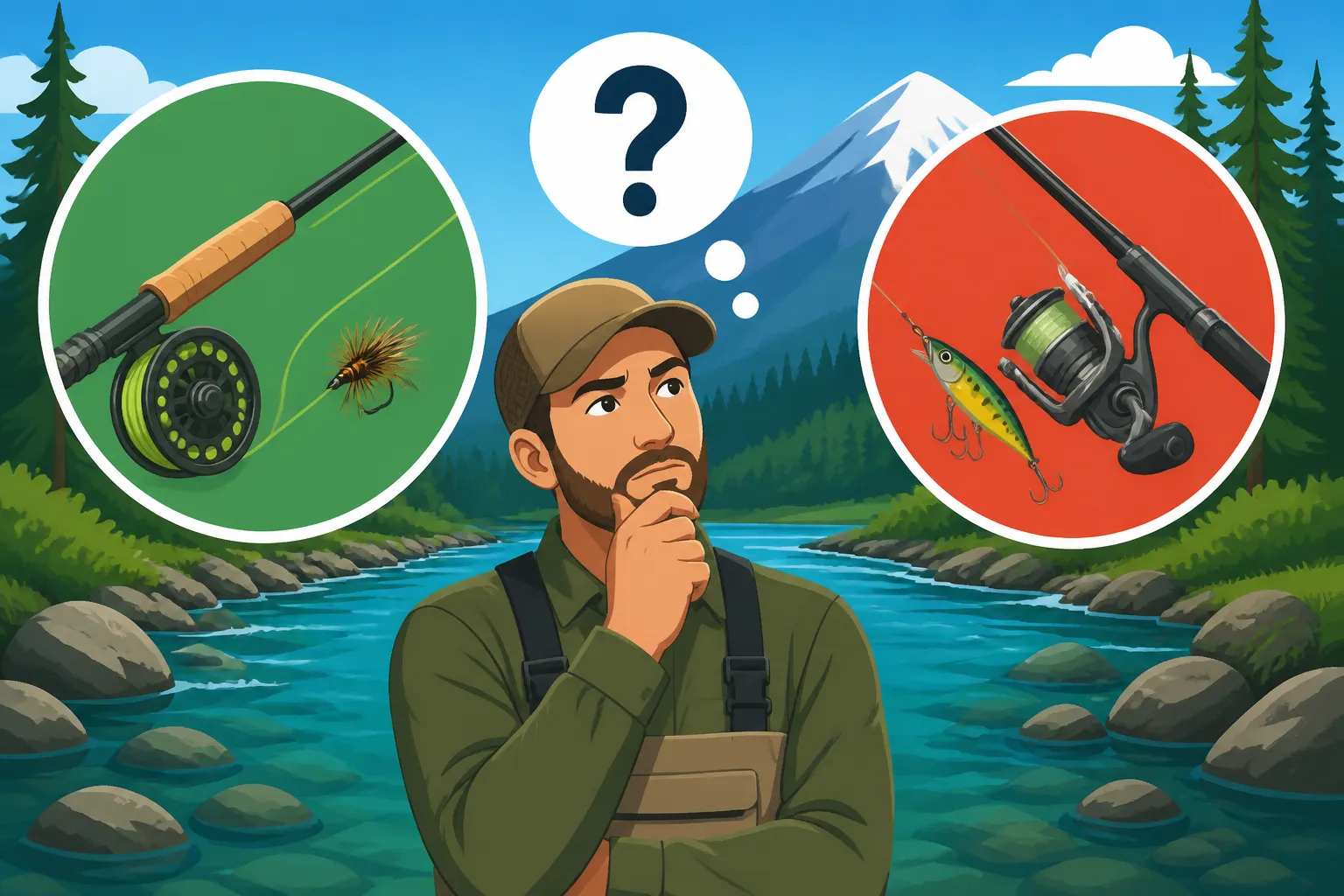
Now, let's get into the nitty-gritty: is the entire Metolius River truly "fly fishing only"? The short answer is: mostly, but there's a nuance. For a significant and very popular stretch of the river, particularly from its headwaters downstream to Lake Billy Chinook, the regulations do indeed stipulate artificial flies only. This means you must use a fly rod, fly reel, and fly line, and your terminal tackle must consist solely of artificial flies. No bait, no spinners, no conventional lures, and definitely no powerbait or worms are allowed in these sections. This is the part of the river that gives the Metolius its strict reputation.
However, the "fly fishing only" rule often applies specifically to the upper and middle sections where the wild trout populations are most concentrated and protected. As the river flows closer to its confluence with the Deschutes River and into Lake Billy Chinook, the regulations can sometimes become slightly less restrictive, though still generally favoring artificial lures. For instance, the section of the Metolius arm of Lake Billy Chinook itself might allow for other artificial lures, but even there, bait is typically forbidden. It's critical to understand these geographical distinctions, as fishing with the wrong gear in a restricted zone can lead to significant penalties, as outlined in our Oregon Fishing Violations and Penalties guide. Always consult the current ODFW Sport Fishing Regulations for the Central Zone before heading out.
The Role of Catch-and-Release
Beyond the gear restrictions, catch-and-release is a cornerstone of the Metolius River's management philosophy. For many species, especially the native Bull Trout and often the larger wild Rainbow Trout, retention is strictly prohibited. This means that once you've successfully brought one of these magnificent fish to hand, you are expected to release it unharmed, as quickly and gently as possible. This practice is vital for maintaining healthy populations, allowing fish to grow to impressive sizes and contribute to future spawning cycles. Using barbless hooks, which are often mandated in these sections, is a huge part of making catch-and-release effective, as they minimize injury to the fish's mouth.
The commitment to catch-and-release means that anglers must employ proper fish handling techniques. Wet hands before touching fish, keep them in the water as much as possible for photos, and use a net designed for gentle handling. It’s not just a rule; it’s an ethical responsibility. This focus on conservation ensures that the Metolius remains a challenging yet incredibly rewarding fishery, where the thrill of the catch is in the experience itself, rather than the harvest. For more detailed information on specific catch-and-release guidelines, you might want to review the section on Oregon Catch-and-Release Rules.
Navigating the Metolius River's Fishing Zones and Rules
Upper Metolius River Regulations
When people talk about the "fly fishing only" nature of the Metolius, they are most often referring to the Upper Metolius River. This pristine stretch, from its famous headwaters near Camp Sherman down to the Bridge 99 area, is indeed managed with the utmost care. Here, the rules are very clear: you must use a fly rod, reel, and line, and your lure must be an artificial fly with a single, barbless hook. This isn't a suggestion; it's a firm regulation enforced by ODFW to protect the fragile ecosystem and the wild trout, including the impressive Bull Trout that reside here. This area is renowned for its large, finicky rainbow trout and the occasional, elusive Bull Trout, which are strictly catch-and-release.
The crystal-clear water of the Upper Metolius means that fish are incredibly wary, making stealth and delicate presentations paramount. Anglers often wade carefully, casting long leaders with tiny nymphs or perfectly presented dry flies. It's a technical fishery that demands patience and skill, but the rewards are truly unforgettable. Fishing in this section is about the pursuit, the challenge, and the connection with nature, making it a bucket-list destination for many experienced fly anglers. The regulations here are designed to preserve that unique experience and the health of the wild fish populations.
Lower Metolius River Regulations
Moving downstream, as the Metolius River approaches its confluence with the Deschutes River and begins to form the Metolius Arm of Lake Billy Chinook, the regulations shift slightly, but the emphasis on artificial lures remains strong. Generally, from Bridge 99 downstream to its mouth at Lake Billy Chinook, the rules typically permit the use of artificial flies and artificial lures. This means that while fly fishing is still very popular and effective, anglers might be able to use spinning gear with artificial lures like small spoons, spinners, or jigs. However, it's absolutely crucial to remember that bait is almost universally prohibited throughout the entire Metolius River system, including these lower sections.
This section can offer a different fishing experience, often appealing to anglers who might be transitioning from conventional gear to more artificial presentations. You'll still find good numbers of trout, and the presence of Kokanee salmon, especially when they begin their spawning runs, can add another dimension to the fishery. Always double-check the latest regulations because boundaries and rules can be highly specific and are subject to change. A good resource for planning your trip and potentially finding a guide for this area is FishingBooker, where you can often search for guides specializing in specific river sections and techniques.
The Importance of the Latest ODFW Regulations
I cannot stress this enough: fishing regulations, especially for a river as uniquely managed as the Metolius, are not static. They can and do change. What was legal last year might not be this year, and what applies to one section of the river might be completely different just a few miles downstream. Relying on outdated information or hearsay is a recipe for a frustrating day and potentially a costly citation. Before you even pack your bags, let alone rig your rod, you must consult the most current Oregon Department of Fish and Wildlife (ODFW) Sport Fishing Regulations.
The ODFW publishes a comprehensive regulation booklet annually, and they also provide updates on their website. This booklet will detail everything from specific gear restrictions, daily bag limits (or lack thereof for protected species), season dates, and precise boundaries for each regulation zone. It’s like your fishing Bible for Oregon waters. Make it a habit to check it before every trip, particularly to specialized waters like the Metolius. It's easy enough to find the Oregon Fishing Regulations Explained section on the ODFW site or even pick up a physical copy at a local sporting goods store. Knowing the rules ensures you're fishing legally and contributing to the conservation efforts that make places like the Metolius so special.
What Species You'll Encounter and How to Target Them
Target Species in the Metolius
The Metolius River is primarily a trout fishery, but it boasts a diverse array of species that make it a captivating challenge for anglers. The undisputed stars are the magnificent Redband Rainbow Trout. These wild rainbows thrive in the cold, clear waters and are known for their vibrant colors and feisty fights. They can grow to impressive sizes, with 16-20 inch fish being common, and even larger specimens not unheard of. Anglers target them with small, delicate dry flies when hatches are on, or with various nymph patterns drifted subsurface.
Another highly sought-after, yet heavily protected, species is the Bull Trout. These native char are true predators, often inhabiting deeper pools and preying on smaller fish. They are federally protected, meaning they are strictly catch-and-release, and handling them with extreme care is paramount. Their striking markings and powerful demeanor make catching one a truly memorable experience, a testament to the river's health. You'll also find Kokanee Salmon in the lower sections and the Metolius arm of Lake Billy Chinook. These landlocked sockeye salmon offer a different fight, especially during their spawning runs when they turn brilliant red. Understanding the nuances of these different species is key to a successful day on the water, and our Oregon Trout Species Guide offers even more insights into their habits.
Essential Fly Patterns and Techniques
Fishing the Metolius requires a specific approach due to its clear water and often wary fish. For Rainbow Trout, versatility is key. During spring and summer, matching the hatch with dry flies like PMDs, Caddis, Green Drakes, and Mayflies can be incredibly productive. When fish aren't rising, nymphing is the go-to technique. Patterns like Copper Johns, Pheasant Tail Nymphs, Prince Nymphs, and various stonefly imitations (like Golden Stone Nymphs) in sizes 14-20 are consistent producers. A delicate presentation is crucial, as is a long, fine leader and tippet to avoid spooking fish.
Targeting the elusive Bull Trout requires a different strategy. These predatory fish often respond well to larger, streamer patterns that imitate baitfish. Sculpin patterns, Woolly Buggers, or large articulated streamers, fished on heavier tippet, can entice a strike. You'll want to cast these into deeper pools, under cut banks, or near submerged structure where bull trout often lurk. For Kokanee Salmon, especially as they near spawning, small red or pink flies, often trolled or stripped, can be effective in the lower river or lake arm. The finesse required on the Metolius often means you're not just fishing, but actively hunting, employing a mix of stealth, observation, and precise casting to coax a bite. For those looking to refine their skills, consider exploring resources on How to Fly Fish in Oregon.
Planning Your Metolius River Fly Fishing Trip
Gear Essentials for the Metolius
To truly enjoy a Metolius River fly fishing adventure, having the right gear is paramount. Given the emphasis on finesse and delicate presentations, a lighter fly rod is usually the preferred choice. Most anglers opt for a 3-weight to 5-weight rod, typically 8.5 to 9.5 feet in length. This setup provides the sensitivity needed for subtle takes and the casting precision required on the clear waters. Pair this with a matching fly reel loaded with a weight-forward floating line. You'll also need a good selection of tapered leaders (9-12 feet, 4X-6X) and spools of fluorocarbon tippet (5X-7X) for those ultra-fine presentations. Remember, stealth is key, and thin tippet helps significantly.
Beyond the rod and reel, essentials include a quality pair of chest waders and wading boots with good grip, as you'll often be navigating slippery rocks and varying depths. A fishing vest or pack to carry your fly boxes, nippers, forceps (essential for safely removing hooks from delicate fish), and a small net with a rubber bag (to minimize harm to fish during catch-and-release) are also crucial. Don't forget polarized sunglasses to spot fish and protect your eyes, a wide-brimmed hat, and plenty of water and snacks. Being prepared with the right gear ensures you’re comfortable, compliant with regulations, and ready for whatever the Metolius throws your way.
Hiring a Guide or Charter for the Metolius
For anyone new to the Metolius River, or even experienced anglers looking to quickly learn its nuances, hiring a local fly fishing guide can be an absolute game-changer. These seasoned professionals possess an intimate knowledge of the river's ever-changing conditions, fish behavior, and specific fly patterns that are working on any given day. They can teach you the subtle casting techniques required for the Metolius, help you "read the water" to identify holding lies, and ensure you're compliant with all the complex regulations. It saves you immense time and frustration, often leading to a much more productive and enjoyable day on the water.
While "charter" usually refers to ocean trips, for river systems like the Metolius, you'd typically look for a specialized fly fishing guide service. Platforms like FishingBooker can be an excellent resource for finding reputable guides who specialize in the Metolius River or other areas like the Deschutes River Fly Fishing Guides. You can browse profiles, read reviews, and find guides that cater to your experience level, whether you're a complete beginner needing casting lessons or an advanced angler looking to hone specific techniques for elusive Bull Trout. A good guide will not only put you on fish but also instill a deeper understanding and appreciation for this incredible fishery.
Respecting the Environment and Fellow Anglers
Fishing the Metolius River isn't just about catching fish; it's about being a steward of an extraordinary natural resource and respecting the experience of others. This means practicing Leave No Trace principles: pack out everything you pack in, and leave the riverbank cleaner than you found it. Avoid trampling vegetation or disturbing wildlife. When wading, do so carefully to minimize disturbance to the river bottom and spawning beds, if present.
Angler etiquette is also incredibly important on such a popular and sensitive river. Give fellow anglers ample space, especially when they are actively fishing a run. If you see someone catching fish, don't crowd in on them. Be mindful of casting lines and avoid cutting off someone else's drift. If you're wading, try not to walk directly through a section another angler is targeting. A simple nod or polite greeting goes a long way in fostering a positive atmosphere on the water. Remember, we're all out there to enjoy the tranquility and beauty of Oregon's outdoors. Securing your Oregon Fishing License Guide is the first step in responsible angling, ensuring you contribute to the conservation efforts that keep these places thriving.
| Metolius River Section | Primary Regulation | Allowed Gear | Target Species | Key Considerations |
|---|---|---|---|---|
| Upper Metolius (Headwaters to Bridge 99) | Fly Fishing Only | Artificial Flies (single, barbless hook) | Wild Rainbow Trout, Bull Trout | Strictly Catch-and-Release for Bull Trout; delicate presentation, stealth required. |
| Lower Metolius (Bridge 99 to Lake Billy Chinook) | Artificial Flies & Lures | Artificial Flies, Artificial Lures (single, barbless hook often recommended) | Rainbow Trout, Bull Trout, Kokanee Salmon | Bait generally prohibited. Regulations may vary; always check current ODFW guide. |
| Metolius Arm of Lake Billy Chinook | Artificial Lures | Artificial Flies, Artificial Lures | Rainbow Trout, Bull Trout, Kokanee Salmon | Generally more lenient than river, but bait is still typically prohibited. |
Disclaimer
Please remember that fishing regulations are dynamic and subject to change without notice. Always consult the official Oregon Department of Fish and Wildlife (ODFW) regulations before planning any fishing trip to ensure you have the most current and accurate information. This guide is intended for informational purposes only and should not be considered a substitute for the official ODFW regulatory guide.