Best time to fish the Deschutes River for summer steelhead
Dreaming of that powerful tug of a summer steelhead on the Deschutes River? It's a classic Oregon fishing experience, but knowing when to go can feel like solving a secret puzzle. The Deschutes is legendary, and for good reason, but hitting the river at the right moment can mean the difference between a once-in-a-lifetime fight and a long, quiet day. This guide is here to unravel the mystery, helping you pinpoint the absolute best times to chase summer steelhead on this iconic waterway.
Understanding the Deschutes River Summer Steelhead Run Dynamics
The Deschutes River is a truly special place, and its summer steelhead run is something anglers talk about all year. But it’s not just a free-for-all; these fish operate on a subtle, complex calendar influenced by everything from ocean conditions to the temperature of the water they swim through. Getting a handle on these dynamics is the first step to timing your trip perfectly.
When Steelhead Begin Their Journey from the Columbia
Summer steelhead destined for the Deschutes are anadromous, meaning they spend a good portion of their lives in the Pacific Ocean before returning to freshwater to spawn. Their journey truly begins as they enter the mighty Columbia River, typically starting in late May and early June. These early birds are often strong, chrome-bright fish, fresh from the ocean. They push hard upriver, eager to reach the cooler, oxygenated waters of tributaries like the Deschutes.
As June progresses, more and more steelhead enter the Columbia and make their way towards the Deschutes. This initial push can be exciting, but it’s important to remember that these fish are still very spread out. They’re transitioning from saltwater to freshwater, adjusting to new environments, and often moving quickly through the lower reaches. This early season can be challenging but rewarding for those who catch the initial waves. Anglers often focus on the very lower Deschutes, especially around the mouth where it meets the Columbia, to intercept these fresh arrivals. Remember, these fish are on a mission, and finding them requires understanding their migratory patterns.
Peak Migration Periods and River Sections
The Deschutes River summer steelhead run really hits its stride and spreads out across the river as summer deepens. While June sees the first trickles, July and August are when the numbers truly build, and the fishing can get consistently good in the lower and middle sections of the river.
By mid-July and throughout August, the main body of the summer steelhead run is making its way up the Deschutes. This is when you'll find a more significant number of fish in the lower 20-40 miles of the river, from the mouth up to around the Maupin area. These fish are still relatively fresh and aggressive. As August transitions into September, the fish continue their upstream migration. The middle sections of the river, from Maupin further upstream towards Warm Springs and beyond, start to hold increasing numbers of steelhead. This is often considered the peak of the season by many, as fish are more settled into their freshwater routines and can be found in a variety of holding water. The river just below the Warm Springs Indian Reservation boundary, often referred to as the "lower canyon," can be particularly productive during this time. For more general insights into the river's potential, check out our Deschutes River Fishing Guide.
The Influence of Water Temperature and Flow
Steelhead, like most salmonids, are highly sensitive to water temperature and flow. These two factors play a monumental role in their migration patterns, their willingness to bite, and where they choose to hold in the river. Getting a handle on these conditions is crucial for any successful Deschutes trip.
Optimal water temperatures for summer steelhead typically range from the low to mid-50s Fahrenheit (around 10-14°C). When temperatures are within this sweet spot, fish are active, moving, and generally more inclined to strike. As temperatures climb into the high 60s or even 70s, steelhead can become lethargic, hold in deeper, cooler pockets, and become incredibly difficult to tempt. Conversely, sudden drops in temperature, especially due to cold snaps or significant rain events, can also put fish down. You'll often find that the Deschutes, fed by springs, maintains fairly consistent cold temperatures, which is a major draw for summer steelhead.
River flow, measured in cubic feet per second (CFS), also dictates where fish hold and how accessible they are to anglers. Stable flows are generally preferred, as fish become accustomed to their surroundings and position themselves predictably. High flows can scatter fish, make wading difficult, and reduce visibility. Low flows, while often making wading easier, can concentrate fish in fewer, smaller pools, potentially increasing pressure or making them spookier. Historically, the Deschutes has regulated flows due to dams upstream, which provides a certain level of predictability that many rivers lack. It’s always a good practice to check the current river conditions before heading out.
Seasonal Breakdown: Pinpointing the Prime Windows for Deschutes Summer Steelhead
While steelhead might technically be in the Deschutes for several months, not all times are created equal. There are definite sweet spots and periods that require different strategies. Understanding these seasonal nuances is key to planning your trip and maximizing your chances of hooking up with one of these magnificent fish.
Early Summer: June and Early July Challenges and Opportunities
The arrival of June signals the start of the summer steelhead run on the Deschutes, but it's important to temper expectations. This isn't usually a numbers game, but rather an opportunity for dedicated anglers to chase the first, often incredibly hot, chrome-bright fish pushing up from the Columbia.
In June and early July, steelhead are just beginning to enter the Deschutes. These fish are typically strong, fresh from the ocean, and full of fight. However, their numbers are lower, and they're often moving quickly through the system. This means they can be harder to locate and tempt. The river levels can still be a bit higher from spring runoff, and water temperatures might be a touch on the cooler side in the upper reaches, though the lower river is usually ideal. Anglers focusing on this period often target the lower sections of the river, close to the confluence with the Columbia. Success often hinges on covering a lot of water and being ready for a powerful, explosive strike from a fish that hasn't seen many flies or lures. Don't be surprised if the fish are still quite migratory; they aren't necessarily "holding" in classic spots yet.
Mid-Summer: August and September – The Sweet Spot
If there's a "prime time" to fish the Deschutes for summer steelhead, most seasoned anglers will point to August and September. This is when the river truly comes alive with steelhead, offering the most consistent action and a fantastic all-around experience.
By August, the steelhead run is in full swing. The majority of the fish have entered the river, and they've begun to spread out across the lower and middle sections. Water temperatures have generally stabilized, and the fish are becoming more accustomed to their freshwater environment. This month offers excellent opportunities for both swung fly tactics and nymphing, with fish often holding in classic runs, riffles, and seams. The fish are typically well-distributed, making it a great time to float the river or hike into more remote sections. As September arrives, conditions often remain stellar. The days might start to shorten, and there's a slight crispness to the air, but the fishing can be superb. The fish have had even more time to settle in, and while they may have lost a tiny bit of their chrome, they are still incredibly powerful. This period is often when anglers target the middle and upper stretches of the river below the major dams, finding success with a variety of presentations. If you're looking for a guided trip during this prime window, remember that guides get booked up fast. Services like FishingBooker can be incredibly helpful for finding available dates and experienced local guides, especially for popular destinations like the Deschutes.
Late Summer to Early Fall: October and November – Persistent Opportunities
Even as the leaves turn and the air cools, the Deschutes continues to offer good opportunities for summer steelhead, though the nature of the fishing starts to shift. October and November provide a chance to target more mature, settled fish, often requiring a slightly different approach.
In October, you'll still find good numbers of summer steelhead in the Deschutes, but they will have been in the river for quite some time. These fish tend to be more acclimated to their surroundings and can be found holding in deeper, slower pools, or still actively moving in cooler weather. The crowds typically thin out after September, offering a more peaceful angling experience. The cooler water temperatures can often reinvigorate the fish, making them more aggressive. This is a fantastic time for swinging larger, darker flies, or running various types of lures and baits, especially on overcast days.
As November rolls around, the season begins to wind down for many, but persistent anglers can still find success. The focus shifts to targeting the remaining, often larger, summer steelhead that are staging for their eventual spawning. Water temperatures will be significantly colder, and conditions can be more challenging, often requiring heavier lines and different tactics. However, the reward can be a truly impressive fish. While the sheer numbers might not compare to August, the quality of the fish and the solitude of the river can make this a truly special time. For information on specific dates and limits, it's always wise to consult the Oregon Fishing Season Dates and Limits.
| Month | Typical Water Temperature (F) | Steelhead Activity | Recommended Tactics | Crowds |
|---|---|---|---|---|
| June | 50-60° | Early arrivals, fast movers | Covering water, aggressive lures/flies in lower river | Moderate |
| July | 55-65° | Increasing numbers, moving upstream | Swinging flies, nymphing, drift fishing lower/middle | Building |
| August | 55-65° | Peak numbers, well-distributed, active | Swinging flies, nymphing, indicator fishing | High |
| September | 50-60° | Excellent numbers, settled fish | Swinging flies, nymphing, sometimes dries | High |
| October | 45-55° | Mature fish, less pressure, can be aggressive | Larger flies, heavier nymph rigs, bait | Moderate |
| November | 40-50° | Fewer fish, larger individuals, challenging conditions | Deep nymphing, slow swings, patience | Low |
Factors Beyond the Calendar: Maximizing Your Deschutes Steelhead Chances
While understanding the calendar is crucial, successful summer steelhead fishing on the Deschutes involves more than just picking the right month. A true steelhead whisperer pays attention to daily conditions, hones their techniques, and knows when to lean on local knowledge.
Daily Timing and Conditions: Reading the River
Even on the "best" day of the "best" month, fishing can be slow if you're not paying attention to the hourly ebb and flow of the river and its weather. Steelhead are creatures of habit, and their activity levels can change dramatically throughout the day.
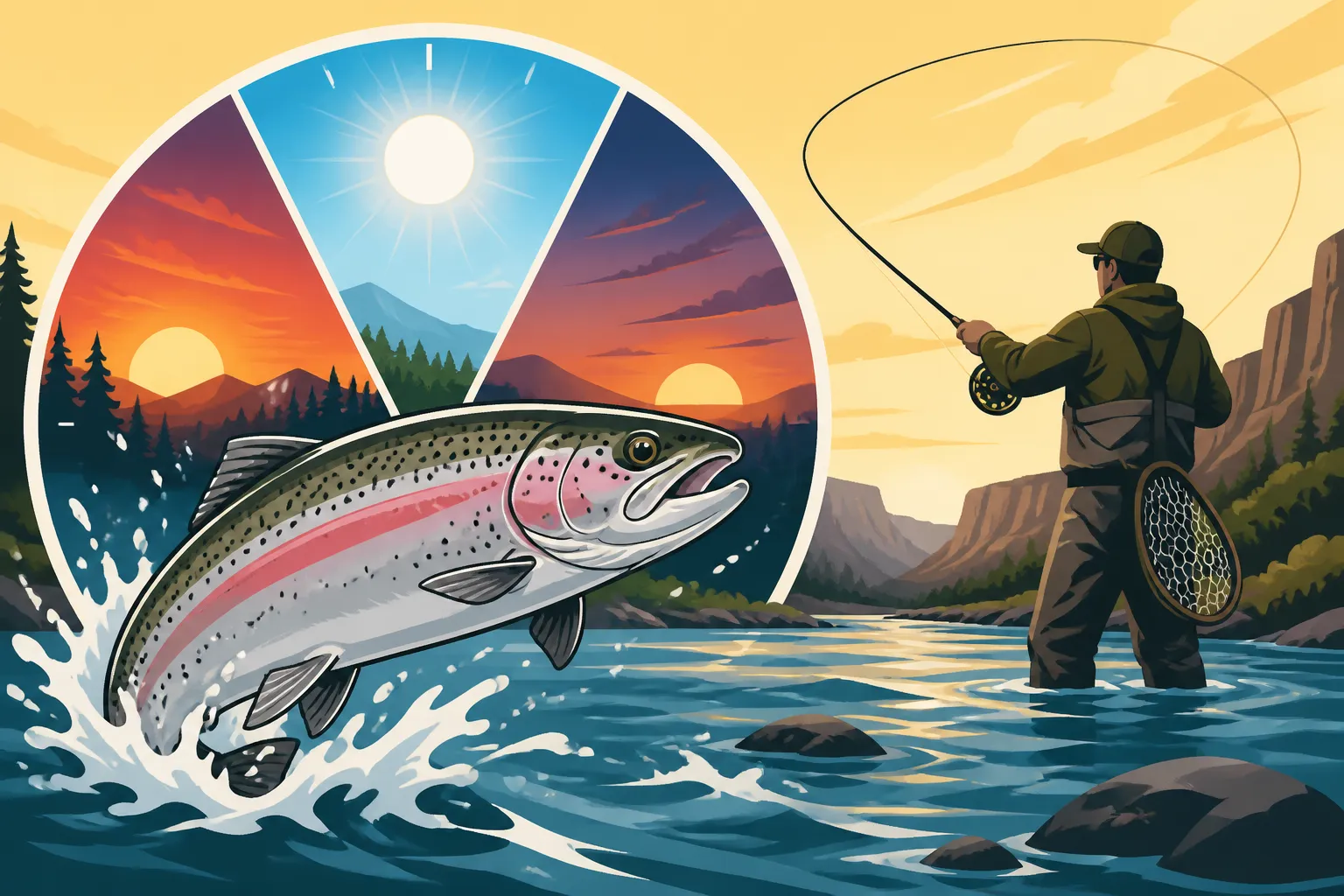
Often, the early morning hours and late afternoon/dusk are prime times for summer steelhead. This is when water temperatures are typically at their coolest and fish feel most comfortable moving and feeding. On hot, bright days, fish will often seek deeper, shadier holding water during the intense midday sun and become active again as the light fades. Overcast days, however, can provide excellent fishing throughout the day, as the subdued light encourages fish to be more active in shallower runs. Water clarity is another critical factor. The Deschutes is generally quite clear, but heavy rain can sometimes cloud it up. If the water is off-color, fish may be less likely to see your presentation, and you might need to adjust your fly or lure choice to something brighter or more scent-laden. Understanding these subtle shifts and adapting your approach is a hallmark of a successful angler. For a general overview of seasonal patterns across the state, you might find our Best Time of Year to Fish in Oregon article helpful.
Essential Gear and Techniques for Summer Steelhead
The Deschutes River is a diverse fishery, and a range of techniques can be effective for summer steelhead, depending on the conditions, time of year, and your personal preference. Being versatile with your gear and approach will undoubtedly increase your success.
Many anglers on the Deschutes swear by fly fishing, particularly swinging flies. This technique involves casting a fly across and down current, letting the current animate the fly as it swings through prime holding water. Spey rods are popular for this, allowing long, effortless casts that cover a lot of water. Nymphing, using weighted flies to target fish holding deeper in the water column, is another highly effective method, especially when fish aren't actively chasing swung flies. For those who prefer conventional gear, drift fishing with a variety of baits (like cured roe, shrimp, or even sand shrimp) or lures (spinners, plugs) can be incredibly productive. The key is to match your presentation to the conditions and the fish's mood. Many guides will have a selection of effective gear and can show you the ropes, which is often why it’s worth checking out services like FishingBooker to find a guide. They often come equipped with top-notch gear and know exactly what's biting. Our article on Oregon Steelhead Fishing Techniques goes into even more detail on these methods.
The Value of Local Intel and Guided Trips
No matter how much research you do, nothing beats real-time, on-the-ground knowledge. The Deschutes River, with its vastness and ever-changing conditions, can be daunting for newcomers, and even seasoned anglers can benefit from a fresh perspective.
Local fly shops, bait shops, and fellow anglers are invaluable sources of current information. They can tell you about recent catch reports, current water temperatures, which sections of the river are fishing well, and what specific flies or lures are producing. Don't be shy about striking up conversations and asking politely for advice. However, if you're truly serious about maximizing your chances, especially if you're traveling a long distance, consider booking a guided trip. An experienced Deschutes River guide will not only put you on fish but also teach you the nuances of the river, specific techniques, and how to "read" the water. They often provide all the necessary gear and tackle, making it an ideal option for beginners or those looking to refine their skills. Services like FishingBooker offer a fantastic way to browse and book reputable guides with reviews from other anglers, giving you peace of mind that you're getting local expertise. These guides live and breathe the Deschutes, and their knowledge is often the fastest track to success.
Navigating Regulations and Conservation on the Deschutes
Fishing the Deschutes River for summer steelhead isn't just about catching fish; it's also about respecting the resource and adhering to the rules designed to protect it. Understanding and following these regulations is a crucial part of being a responsible angler.
Key Regulations for Deschutes Steelhead
Oregon has specific rules for fishing, and the Deschutes River, being such a popular and sensitive fishery, often has additional, highly localized regulations. Ignorance of the rules is never an excuse, so it's vital to be informed.
For summer steelhead on the Deschutes, you'll need a valid Oregon fishing license, and often a Combined Angling Tag if you plan to keep any anadromous fish (though steelhead are often catch-and-release only in certain areas). The Deschutes is particularly known for its special regulations. For instance, much of the river is restricted to artificial flies and lures with barbless hooks. This is a critical rule to ensure the health and survival of released fish. There are also specific areas, sometimes within the Warm Springs Indian Reservation boundaries, that have their own unique rules, including possession limits or complete closures to non-tribal members. Always consult the most current Oregon Department of Fish and Wildlife (ODFW) regulations booklet or their online resources before you head out. Missing a crucial detail could result in a fine, so take the time to review the Oregon Fishing Regulations Explained. Don't forget, if you're curious about the cost of permits and tags, our Oregon Fishing License Costs article has you covered.
Practicing Ethical Angling and Catch and Release
Summer steelhead are a precious resource, and their populations face various challenges. Practicing ethical angling and understanding proper catch-and-release techniques are paramount to ensuring these fish continue to thrive for future generations.
Many summer steelhead fisheries on the Deschutes operate under a strict catch-and-release mandate, especially for wild steelhead (those without a clipped adipose fin). When practicing catch and release, handle fish minimally and gently. Keep them in the water as much as possible, use a knotless, rubberized net to protect their slime coat, and remove hooks quickly with pliers or forceps. If you plan to take a photo, do it swiftly and ensure the fish is well-supported. Avoid dragging fish onto dry ground or gravel. These fish are on a long, arduous journey to spawn, and our goal as anglers should be to ensure their best chance of survival. Always ensure you are familiar with how to properly handle fish if you're planning on fishing in Oregon. Fishing without a license or violating other regulations can lead to serious consequences, so it's always better to be informed and responsible. You can also review Oregon Catch-and-Release Rules for more detailed guidance on proper techniques.
Disclaimer
Please note that fishing regulations, seasons, and fish populations can change frequently due to biological data, environmental factors, and management decisions by the Oregon Department of Fish and Wildlife. Always consult the most current ODFW fishing regulations before planning any fishing trip to ensure compliance and a safe, enjoyable experience. This guide provides general information and recommendations, but official regulations supersede any advice given here.