Metolius River Fishing Guide
For many anglers, the thought of fishing a river like the Metolius can feel a little intimidating. You hear whispers of "fly-fishing only," strict catch-and-release rules, and incredibly clear, cold water that demands precision and stealth. It’s a beautiful, challenging, and utterly rewarding experience, but navigating its unique charm requires a bit of insider knowledge. This comprehensive guide is here to unravel the mysteries of the Metolius River, offering practical advice and deep insights to help you connect with its wild fish and pristine waters.
Why the Metolius River is a Truly Special Place to Fish
The Metolius River isn't just another waterway in Oregon; it's a living legend, revered by fly anglers for its crystal-clear, glacier-fed waters and the challenging, yet incredibly rewarding, fishing it offers. Flowing from a massive spring near Black Butte, the river maintains a consistently cold temperature year-round, creating a unique and stable environment for its resident fish. This stability, coupled with stringent conservation efforts, has preserved its wild character, making it a true gem in Central Oregon's outdoor landscape.
Its Unique Ecosystem and Wild Trout
What truly sets the Metolius apart is its incredible clarity and consistent flow. Unlike many rivers that swell with runoff in spring and dwindle in late summer, the Metolius River is fed by a massive, constant spring, ensuring stable conditions. This pristine environment supports a robust population of native redband trout, wild bull trout, and a unique landlocked strain of kokanee salmon. These fish are not only beautiful but also notoriously selective, honing an angler's skills to a fine edge. The consistent cold water allows for year-round invertebrate hatches, meaning there's always something for the fish to eat, and thus, always an opportunity for the discerning angler.
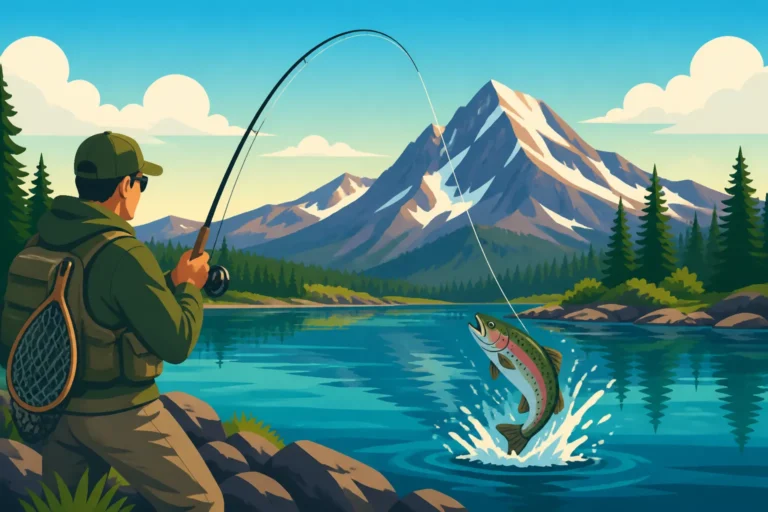
Imagine standing on its banks, the water so clear you can count the stones on the bottom, watching a large redband trout sip emergers from a glassy pool. It’s an experience that demands reverence and precise presentation. This isn't a place for chucking and chugging; it's a place for observation, patience, and delicate fly work. The sheer beauty of the surrounding Deschutes National Forest, with its towering Ponderosa pines and the constant hum of the river, adds to the almost spiritual quality of a day spent on the Metolius. It's truly one of the Best Rivers to Fish in Oregon
Strict Regulations and Conservation Efforts
The Metolius River’s special status is protected by some of the most rigorous fishing regulations in Oregon. These aren't arbitrary rules designed to make things difficult; they are carefully crafted measures aimed at preserving the river's wild fish populations and delicate ecosystem. The most prominent of these is the "fly fishing only" designation, which means no bait, no spinning lures, just artificial flies. Additionally, the entire river is catch-and-release for all trout species, including the prized bull trout, and requires barbless hooks. This commitment to conservation ensures that the Metolius remains a sanctuary for native fish and a challenge for future generations of anglers. These regulations can seem daunting at first, but they quickly become second nature and are a small price to pay for the privilege of fishing such a pristine environment. Understanding these rules is crucial, and you can always consult the official Oregon Fishing Regulations Explained for the latest details.
Understanding Metolius River Regulations and Gear Restrictions
Stepping onto the Metolius River, you immediately feel a sense of respect for its rules. These aren't just guidelines; they are fundamental to maintaining the river's health and its world-class fishing. If you're new to fly fishing or specific river regulations, it might feel a bit like learning a new language, but it's an essential part of the Metolius experience. Trust me, adhering to these rules isn't just about avoiding a fine; it's about being a responsible steward of this irreplaceable resource.
Fly Fishing Only and Barbless Hooks
The "fly fishing only" rule is non-negotiable on the Metolius. This means only artificial flies may be used, and absolutely no bait or lures that mimic bait are permitted. Forget your power bait, worms, or even traditional spinning gear with a Rapala. This river demands the delicate artistry of fly casting. Furthermore, all hooks, whether on your flies or if you're targeting kokanee with small jigs (though jigs are typically not allowed for trout here), must be barbless. Barbless hooks minimize harm to the fish, making the catch-and-release process as stress-free as possible for these wild fighters. You can either buy flies with barbless hooks, or simply pinch down the barb on any standard hook with a pair of pliers. It’s a simple step that makes a huge difference in fish survival rates.
For those venturing into this unique river system, selecting the right gear is part of the fun. You'll typically want a 4- or 5-weight fly rod for the redband trout, allowing for delicate presentations. If you're specifically targeting the larger bull trout with streamers, a 6- or 7-weight might be more appropriate. A good quality floating line, a tapered leader, and a selection of local fly patterns are essential.
Catch-and-Release Rules and Specific Species
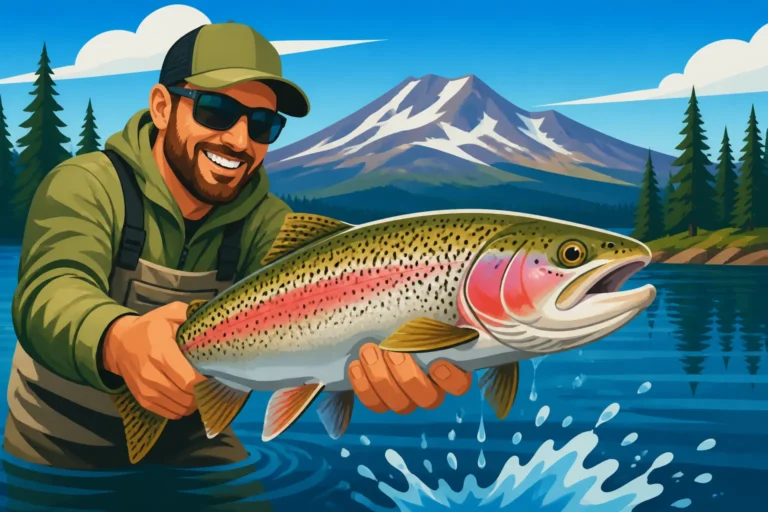
Almost the entirety of the Metolius River is designated as catch-and-release for all trout, including rainbow (redband) and bull trout. This means that once you've successfully landed one of these beautiful fish, you must carefully release it back into the water unharmed. The emphasis is on gentle handling – keep the fish in the water as much as possible, use wet hands, and revive it until it swims away strongly. This practice is vital for maintaining the robust populations of wild trout that thrive here.
While trout are strictly catch-and-release, there are certain allowances for kokanee salmon in specific sections and during certain seasons, which can change. It's always, always, always critical to check the most current Oregon Department of Fish and Wildlife (ODFW) regulations before heading out. Regulations, especially for species like kokanee, can vary by zone and time of year. For instance, sometimes a single kokanee might be retained, or a specific tag might be required. These are details found in the official Oregon Fishing Regulations Explained booklet, which you should have with you.
Understanding River Sections and Zones
The Metolius River, while appearing homogenous, has distinct sections that can influence both fishing techniques and regulations. Generally, the upper river, from the headwaters downstream, tends to be smaller, shadier, and holds a denser population of native redband trout. As the river flows downstream towards Lake Billy Chinook, it widens, deepens, and slows in places, offering different habitat. These subtle differences in current, depth, and cover influence where fish hold and what they're likely to eat. For comprehensive information on how zones might affect your trip, refer to the Oregon Fishing Zones Explained section in the ODFW regulations. Always double-check the exact boundaries for any special regulations, as they can sometimes change or be adjusted based on fish populations and environmental conditions.
The Iconic Fish Species of the Metolius River
The Metolius River is home to a captivating array of fish, each presenting its own unique challenge and reward to the angler. From the spirited native trout to the elusive apex predator, understanding the habits and preferred habitats of these species is key to a successful and memorable day on the water. These are not just fish; they are intricate parts of a pristine ecosystem, and interacting with them respectfully is part of the Metolius ethos.
Native Redband Trout: The Wary Beauties
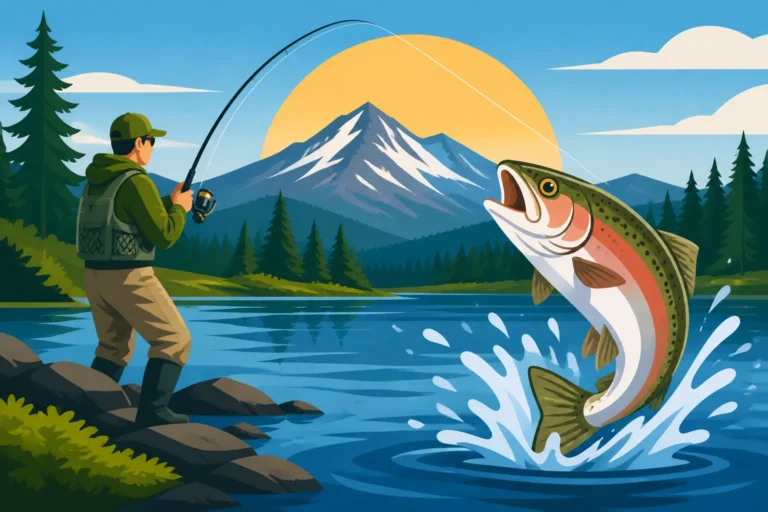
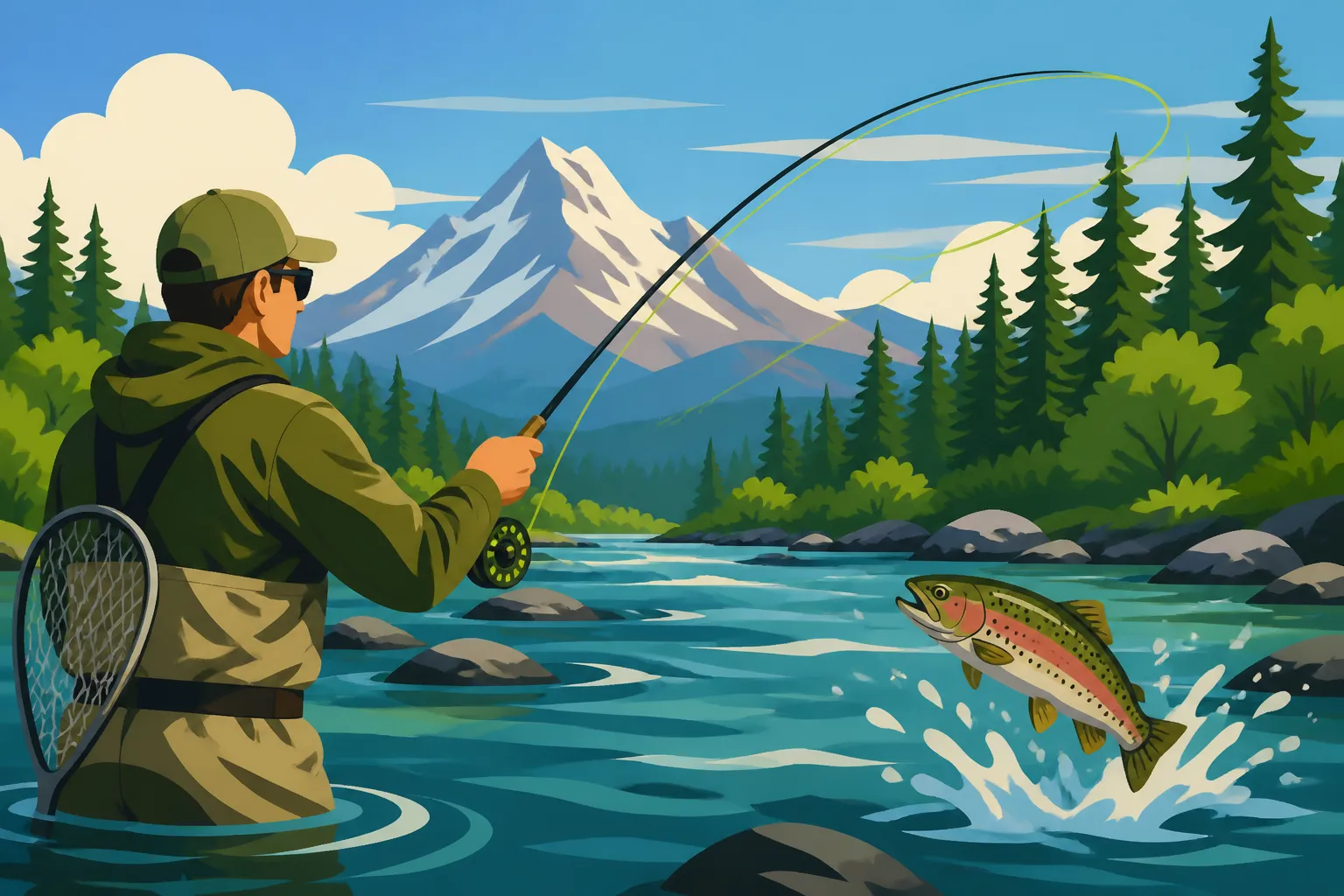
The most commonly targeted fish in the Metolius are its native redband trout, a subspecies of rainbow trout. These fish are absolute beauties, known for their vibrant red lateral stripe, parr marks even into adulthood, and often a golden hue. They thrive in the Metolius’s cold, clear water, growing to impressive sizes, with 16 to 20-inch fish being relatively common, and larger specimens certainly present. However, they are also incredibly wary. The crystal-clear water means they have excellent visibility, making stealth and delicate presentations paramount. Slamming a fly line on the water or heavy-footed wading will send them darting for cover.
Catching a Metolius redband often feels like a true accomplishment. They feed opportunistically on the rich invertebrate life, from tiny midges and mayflies to caddis and stoneflies. Mastering the art of reading the water, observing hatches, and matching the specific insect activity is what makes Metolius redband fishing so addictive. These fish are true gladiators, fighting hard with acrobatic jumps and strong runs, a testament to their wild heritage. If you're interested in learning more about this particular species, our Oregon Trout Species Guide offers more detail.
Bull Trout: The Elusive Apex Predator
While redband trout are the bread and butter of Metolius fishing, the true trophy for many is the elusive bull trout. These stunning char are native to the Metolius system and are a protected species, strictly catch-and-release. Bull trout are powerful, predatory fish, often characterized by their large mouths, pale spots on a dark body, and impressive size. They can grow quite large in the Metolius, with fish over 25 inches not uncommon, and they are masters of ambush.
Targeting bull trout requires a different approach than redbands. While redbands are typically insectivores, bull trout are piscivores, meaning they primarily feed on other fish, particularly the abundant kokanee salmon and smaller redband trout. Therefore, anglers pursuing bull trout usually employ larger, streamer patterns that imitate baitfish. Fishing these streamers on sink-tip lines in deeper pools, along logjams, or near drop-offs can entice a strike. Hooking into a Metolius bull trout is an unforgettable experience – they hit hard and fight with incredible power, often staying deep and strong. Given their protected status, extreme care must be taken during their capture and release. For a deeper dive into these fascinating predators, check out our article on Bull Trout in Oregon.
Kokanee Salmon: A Colorful Seasonal Challenge
The Metolius River also hosts a population of kokanee salmon, which are landlocked sockeye salmon. These fish, while smaller than their anadromous cousins, offer a unique and vibrant fishing experience, particularly during their spawning run. As they approach spawning, kokanee undergo a dramatic transformation, turning brilliant shades of red and green, and the males develop a distinct hooked jaw (kype).
While they are primarily open for retention in Lake Billy Chinook, during certain times, the lower Metolius (closer to the lake) might see catch-and-release opportunities or even limited retention if regulations allow. Again, always consult the current ODFW regulations for specific seasons and limits. When fishing for kokanee, anglers often use small, bright lures or flies, such as mini jigs or flashy nymphs. They are schooling fish, so if you find one, you'll likely find more. Catching a bright red kokanee on a fly rod is a truly beautiful experience, adding another dimension to the Metolius’s diverse fishery. You can learn more about these colorful fish in our Kokanee Salmon in Oregon guide.
Best Seasons and Times to Fish the Metolius
The Metolius River is truly a year-round fishery, but like any dynamic ecosystem, certain seasons offer distinct advantages and challenges. Understanding the rhythm of the river and its hatches throughout the year can significantly improve your success rate and overall enjoyment. The cold, consistent water temperatures mean fish are almost always active, but their feeding patterns shift with the seasons.
Spring and Early Summer: Hatch Heaven
Spring on the Metolius, roughly from March through June, is often considered prime time by many fly anglers. As the weather warms, though the water remains cold, insect activity explodes. This is "hatch heaven," with prolific hatches of Blue-Winged Olives (BWO), March Browns, Green Drakes, and various caddis species. Watching the river's surface come alive with rising fish, eagerly sipping emergers or fully-formed adults, is a sight to behold.
During these months, dry fly fishing can be exceptional, offering anglers the thrilling challenge of sight-fishing to selective trout. However, spring weather in Central Oregon can be unpredictable, swinging from sunny and warm to rainy and chilly in a day, so come prepared with layers. Early summer continues this trend, with more consistent warm weather encouraging stronger and longer hatches, especially in the evenings. The key is to arrive with a good selection of flies that match the expected hatches, and be ready to switch tactics between dry flies, emergers, and nymphs as the day progresses. Knowing the Oregon Fishing Season Dates and Limits is crucial for planning any trip.
Fall: A Favorite for Many Anglers
Autumn, typically September through November, holds a special place in the hearts of Metolius anglers. The summer crowds thin out, the surrounding forests burst with vibrant fall colors, and the fishing can be superb. While hatches might not be as dense as in spring, reliable BWO hatches continue, and terrestrial insects like ants and hoppers can still be effective, especially on warmer afternoons. The cooling water temperatures also invigorate the trout, making them actively feed as they prepare for winter.
Fall is also when the kokanee salmon begin their spectacular spawning run, adding another layer of visual interest to the river. While the primary focus might still be on redband trout and bull trout, the sight of brilliant red kokanee moving upstream is truly a marvel. Streamer fishing for bull trout can be particularly productive in the fall as they follow the spawning kokanee, preying on any weakened individuals or their eggs. It's a truly beautiful time to be on the river, offering a peaceful solitude that complements the challenging fishing.
Winter Fishing Opportunities
Don't let the cold deter you; the Metolius River is a legitimate winter fishery, thanks to its spring-fed origins maintaining a relatively stable temperature (around 40-45°F). While you won't find major dry fly hatches, the fishing can be surprisingly consistent and, for many, offers the most serene experience. Winter fishing on the Metolius often revolves around nymphing techniques. Fish will be holding in deeper, slower runs and pools, conserving energy, but they still need to feed.
Tiny midges, small stoneflies, and various nymph patterns drifted precisely along the bottom can elicit strong strikes. While fewer fish may be caught compared to spring, the quality can be excellent, and the peacefulness of the snowy landscape is unmatched. This is a time for patience, meticulous presentations, and warm clothing. If you're looking for solace and a true test of your nymphing skills, a winter day on the Metolius can be incredibly rewarding. It's a great option for Oregon Winter Fishing Options.
| Season | Primary Target Species | Dominant Fly Activity | Recommended Techniques | General Conditions |
|---|---|---|---|---|
| Spring (Mar-Jun) | Redband, Bull Trout, Kokanee | Prolific Mayfly & Caddis hatches (BWO, March Brown, Green Drake), stoneflies | Dry Fly, Nymphing (Euro Nymphing), Emergers, Streamers for Bull Trout | Increasing insect activity, occasional rain, comfortable temperatures, higher angler traffic |
| Summer (Jul-Aug) | Redband, Bull Trout | Caddis, Terrestrials (hoppers, ants), smaller mayflies (Tricos) | Dry Fly (morning/evening), Nymphing, Terrestrial fishing, Streamers | Warmest temperatures, Tricos in early morning, can be slower midday, moderate crowds |
| Fall (Sep-Nov) | Redband, Bull Trout, Kokanee | BWO hatches, October Caddis, Terrestrials (late fall) | Dry Fly, Nymphing, Streamers (especially for Bull Trout), Egg patterns (near Kokanee) | Vibrant fall foliage, cooler temps, fewer anglers, Kokanee spawning runs |
| Winter (Dec-Feb) | Redband, Bull Trout | Midges, small stoneflies, sparse BWO | Deep Nymphing, Euro Nymphing, Streamers (slowly retrieved) | Coldest temperatures, calm, peaceful, very few anglers, excellent solitude |
Effective Fly Fishing Techniques for the Metolius
Fishing the Metolius River successfully demands a refined approach. The gin-clear water, selective trout, and specific regulations mean that brute force and flashy tactics simply won't cut it. Instead, finesse, observation, and an understanding of insect behavior are your greatest assets. It's truly a masterclass in How to Fly Fish in Oregon.
Dry Fly Fishing: Matching the Hatch
When hatches are strong, dry fly fishing on the Metolius is an unparalleled experience. This involves presenting an artificial fly that floats on the surface of the water, mimicking an adult insect, directly to a feeding trout. The key to success here lies in "matching the hatch" – identifying the specific insect species that trout are currently feeding on and selecting a fly that closely resembles it in size, shape, and color.
The Metolius sees strong hatches of Blue-Winged Olives (BWO), March Browns, Green Drakes, and various caddis species throughout the year. You'll need to observe the river carefully for rising fish and emerging insects. Once you identify the pattern, a delicate cast, a perfect drift (without drag), and a quick reaction time are crucial. Often, long, fine leaders (5x or 6x fluorocarbon) are necessary to avoid spooking these wary fish. A successful dry fly take on the Metolius is one of the most exciting and rewarding moments in fly fishing.
Nymphing Strategies: Subsurface Success
More often than not, trout feed subsurface, making nymphing a consistently productive method on the Metolius. Nymphing involves drifting an artificial fly that imitates an aquatic insect larva or pupa beneath the surface, where most of the trout's diet originates. The clear water here demands a natural, drag-free drift that often needs to be achieved at specific depths.
There are several effective nymphing strategies for the Metolius. Indicator nymphing uses a small float (indicator) on your leader to suspend your fly at a desired depth and signal strikes. Tight-line nymphing or "Euro Nymphing" involves maintaining direct contact with your flies, using the line itself as an indicator for subtle takes, often without a traditional bobber. This method is incredibly effective in controlling depth and detecting strikes, especially in varying currents. Popular nymph patterns include small stoneflies, caddis pupae, various mayfly nymphs (like Pheasant Tail and Hare's Ear), and tiny midge larvae. Understanding the currents and how to get your flies to drift naturally through feeding lanes is critical.
Streamer Fishing for Bull Trout: The Big Game Hunt
While most Metolius fishing focuses on delicate trout, streamer fishing offers the chance to tangle with the river's largest predators: bull trout. This technique involves casting larger, often weighted, flies that imitate baitfish like kokanee or smaller trout, and retrieving them with varying strips and pauses to trigger a predatory strike.
Streamer fishing is a more active style of fly fishing and often requires heavier gear, typically a 6- or 7-weight rod, a stout leader, and often a sink-tip or full sinking line to get the fly down quickly into deeper water. Target areas include deep pools, cut banks, log jams, and anywhere larger fish might lie in ambush. Colors can vary, but olive, white, black, and natural baitfish patterns are often effective. The strike from a bull trout can be incredibly aggressive, and they fight with immense power. Remember, bull trout are strictly catch-and-release, so ensure your hooks are barbless and handle these magnificent fish with the utmost care.
Navigating the Metolius: Access Points and Prime Spots
The Metolius River offers a surprisingly accessible yet wild experience. While the entire river holds fish, certain areas are more popular or offer easier access, especially for those new to the area. Knowing where to go and what to expect can make your trip much more enjoyable.
Upper River Access Points and Their Charms
The upper stretches of the Metolius River, particularly those near its headwaters and along the Metolius River Recreational Trail, offer stunning scenery and excellent fishing. Access is generally good, with numerous pull-offs and trails leading to the river's edge. This section is characterized by its narrow, intimate feel, with dense forest providing shade and numerous log jams creating perfect holding water for trout.
Popular access points include the Metolius River Campground area, Lower Bridge Campground, and various spots along the Wizard Falls Hatchery Road. You can often find quiet stretches by walking a bit upstream or downstream from these main access points. The water here is incredibly clear and often slower than further downriver, demanding extra stealth. These spots are fantastic for sight fishing and delicate dry fly presentations. It's also a great spot for beginners to practice their casting and wading, as the current isn't too overwhelming in many sections. Many local guides offer trips to these specific spots, and you can often find them listed on platforms like FishingBooker, specializing in Metolius fly fishing.
Lower River and Campgrounds
As the Metolius flows downstream, particularly below Camp Sherman and towards Lake Billy Chinook, the river gradually widens and deepens. While still crystal clear, the character changes a bit, offering different challenges and opportunities. This section can have more open areas, making casting easier in some spots, but it also means less cover for the angler, again emphasizing stealth.
Several more campgrounds, such as Allen Springs Campground and Pine Ridge Campground, provide good access points. The lower river also tends to hold larger redband trout and is a prime area for bull trout, especially where deeper pools and structures are present. During the fall kokanee run, the sections closer to Lake Billy Chinook can be particularly active. Remember to always respect private property boundaries and campground rules when accessing the river.
Guided Trips and Local Expertise
For those who are new to the Metolius or who simply want to maximize their chances of success and learn from the best, a guided trip can be an invaluable investment. Local guides possess an intimate knowledge of the river, its ever-changing conditions, and the specific techniques and fly patterns that are producing fish at any given time. They can teach you how to read the water, identify hatches, and refine your casting and presentation skills in this challenging environment.
A good guide will also ensure you understand and adhere to all the complex Oregon Fishing Regulations Explained for the Metolius, which can save you a lot of headache. Many excellent outfitters and independent guides operate in the Central Oregon area, specializing in Metolius River trips. A quick search on resources like FishingBooker can help you find reputable guides with great reviews, ensuring you get the most out of your Metolius adventure. For a deeper understanding of how to pick the right expert for your needs, our guide on How to Choose an Oregon Fishing Guide provides excellent tips.
Respecting the Metolius: Etiquette and Conservation
Beyond just following the rules, truly experiencing the Metolius River means embracing a deeper respect for its environment and fellow anglers. It's about being a steward, not just a visitor, and ensuring this unique fishery remains pristine for generations to come.
Leave No Trace Principles
The Metolius River is part of the Deschutes National Forest, a wild and beautiful area that thrives on minimal human impact. Practicing "Leave No Trace" principles is paramount here. This means packing out everything you pack in, including all trash, discarded fishing line, and even organic waste like fruit peels. Avoid disturbing stream banks or vegetation, stick to established trails, and try to minimize your footprint when wading.
The goal is to leave the river bank and the water exactly as you found it, if not better. This also extends to campfires – only build them in designated fire rings and ensure they are completely out before you leave. The cumulative effect of many anglers practicing these principles is what keeps the Metolius one of the most beautiful and healthy rivers in Oregon.
Angler Courtesy and Spacing
Given the Metolius’s popularity and its often narrow, intimate sections, angler courtesy is incredibly important. When approaching a section of the river, always observe if someone else is already fishing there. If so, give them ample space – typically, a general rule of thumb is to allow at least 100 yards between anglers, or more if the river allows. Don't crowd other anglers, and if you need to pass someone, do so quietly and well away from the water's edge, asking permission if necessary.
The clear water means that fish are easily spooked by movement on the banks. Being mindful of your noise, casting shadows, and wading impact helps ensure a positive experience for everyone. A simple wave or nod of acknowledgement can go a long way in fostering a friendly atmosphere on the river. This shared respect for the resource and for each other's experience is part of what makes the Metolius such a special place to fish.
Protecting Fish During Catch and Release
Since almost all trout fishing on the Metolius is catch-and-release, the responsibility for protecting the fish during and after capture falls entirely on the angler. Here are some critical best practices:
- Use Barbless Hooks: As previously mentioned, this is a regulation and significantly reduces tissue damage.
- Minimize Fight Time: Try to land fish quickly to reduce their exhaustion.
- Keep Fish in Water: Keep the fish submerged as much as possible, especially its gills. Only lift it briefly for a quick photo, if at all.
- Wet Hands Only: Always wet your hands before touching a fish. Dry hands remove the fish's protective slime coat, leaving it vulnerable to infection.
- Support the Fish: Gently support the fish horizontally, never vertically by the jaw or tail, which can damage its spine and internal organs.
- Revive Gently: If the fish seems sluggish, hold it gently in the current, facing upstream, until it regains its strength and swims away on its own. Don't "pump" it back and forth, as this can force water the wrong way through its gills.
By following these practices, you ensure that the vibrant populations of Metolius River trout and bull trout can thrive, continuing to challenge and inspire anglers for years to come.
Disclaimer
Please be aware that fishing regulations, seasons, and licensing requirements can change. Always consult the latest official Oregon Department of Fish and Wildlife (ODFW) regulations before planning any fishing trip to ensure compliance. This guide is for informational purposes only and does not supersede official ODFW publications.