Crooked River Fishing Guide
Few fishing experiences in Oregon offer the serene challenge and rewarding beauty quite like a trip to the Crooked River. For many anglers, the thought of navigating a pristine, fly-fishing-only river can feel a bit daunting, especially when you're dreaming of those vibrant, wild redband trout. This guide aims to demystify the Crooked River, offering a deep dive into what makes it so special, how to approach its waters, and everything you need to know for a successful and memorable outing.
Understanding the Crooked River's Unique Character
The Crooked River, particularly the stretch below Bowman Dam, isn't just another body of water in Central Oregon; it's a designated Wild and Scenic River and one of the state's true gems for fly anglers. What sets it apart is its unique ecosystem and the specific rules in place that help maintain its extraordinary quality. This isn't a place for bait or spin gear; it’s a sanctuary for the purist, offering an immersive experience that connects you deeply with nature and the art of fly fishing.
A Tailwater Fishery Like No Other
The Crooked River below Bowman Dam is a classic tailwater fishery, meaning its flows are regulated by the dam. This regulation creates a remarkably stable environment, maintaining consistent water temperatures and nutrient levels that are ideal for trout growth year-round. Unlike freestone rivers that can fluctuate wildly with rain and snowmelt, the Crooked offers a predictable and fertile habitat. This stability leads to an abundance of aquatic insect life – midges, caddis, mayflies – which in turn supports a thriving population of trout that are often incredibly healthy and acrobatic once hooked.
This consistent flow also means that even during the heat of summer or the depths of winter, the fishing can remain surprisingly good. Anglers often find the Crooked to be a reliable option when other rivers are too high, too low, or too warm. The steady water temperature helps to keep the trout active and feeding, making it a fantastic destination for year-round angling, though each season presents its own unique challenges and opportunities for the dedicated fly fisher.
Catch-and-Release & Fly-Fishing Only Rules
One of the most crucial aspects that defines the Crooked River experience is its strict regulations: it’s entirely catch-and-release, and only artificial flies are permitted. This isn't just about preserving the fish; it's about fostering a sustainable fishery where every trout has the chance to grow larger and contribute to future generations. These rules are rigorously enforced and are a cornerstone of the river's ecological health. You won't find anyone fishing with worms or spinners here, ensuring a respectful and consistent approach to conservation.
The "artificial flies only" rule means you'll need to be proficient, or at least willing to learn, the nuances of fly casting and presentation. This dedication elevates the fishing experience, turning it into a thoughtful pursuit rather than just a numbers game. It also means the fish are accustomed to seeing flies, making good technique and fly selection paramount. Understanding these Oregon Fishing Regulations Explained is not just important for compliance but for appreciating the ethos that protects this incredible resource.
Target Species: The Magnificent Redband Trout
When you cast your line into the Crooked River, your primary quarry will be the truly stunning wild redband trout. These aren't your typical hatchery rainbows; they are native, resilient, and renowned for their vibrant colors and feisty spirit. While other aquatic life certainly exists, the redband trout are the undisputed stars of this fishery, captivating anglers with their beauty and challenging them with their intelligence.
Crooked River Redbands: Size and Behavior
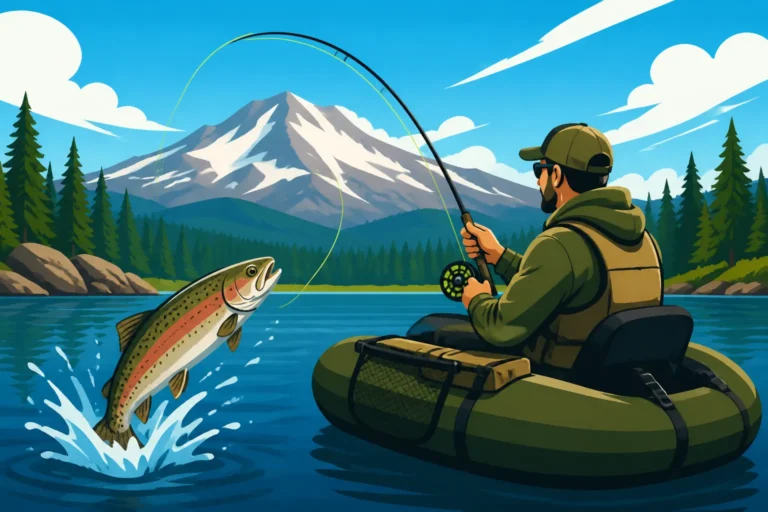
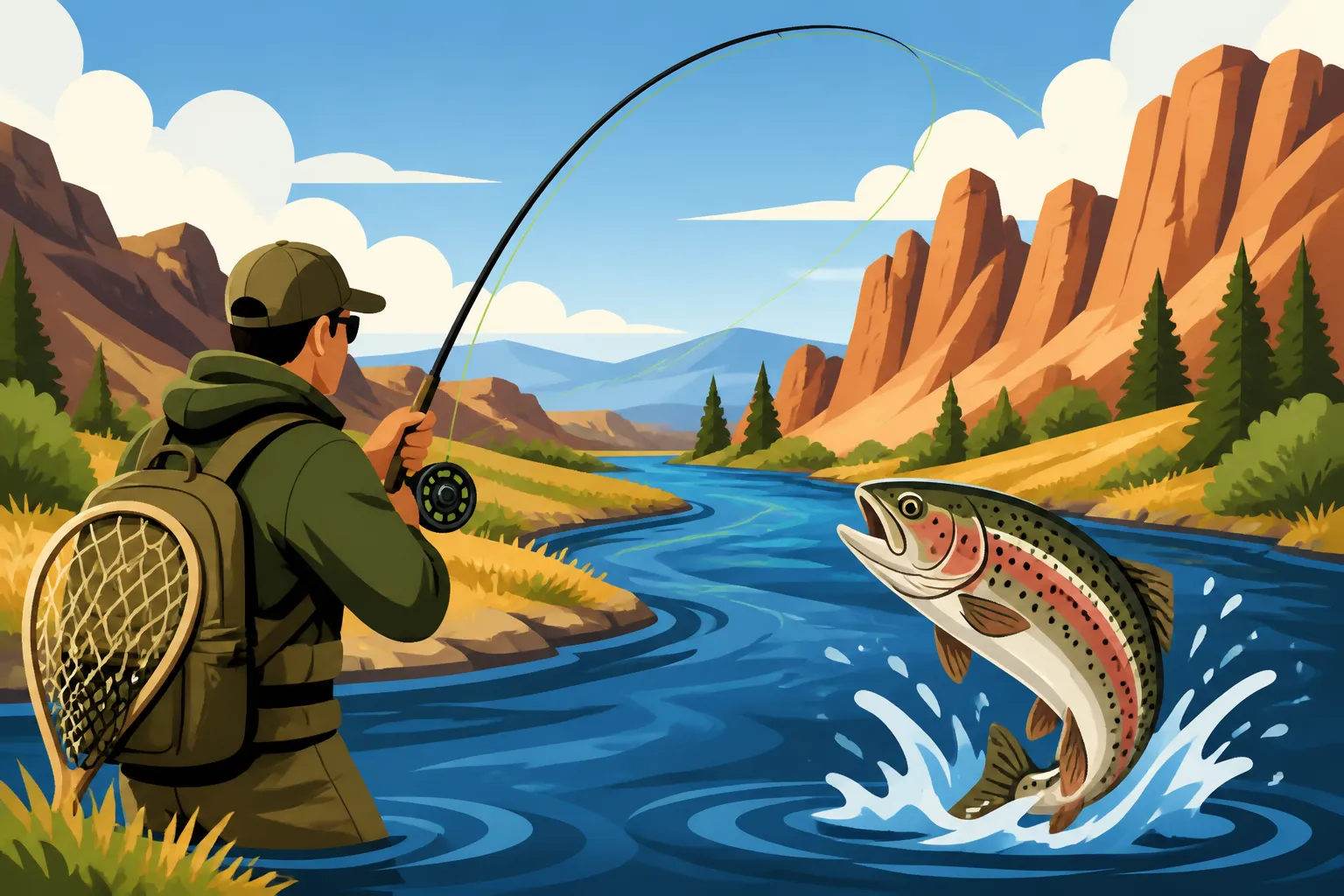
The redband trout in the Crooked River typically range from 8 to 14 inches, though seasoned anglers occasionally hook into larger specimens pushing 16-18 inches. What they might lack in sheer size compared to, say, a sea-run steelhead, they more than make up for in their incredible fight. These fish are strong, quick, and often make exhilarating runs and aerial displays once hooked. Their distinctive crimson stripe and golden flanks are a sight to behold, especially when caught in the clear, sunlit waters.
Their behavior is heavily dictated by the abundant insect life in the river. You'll often find them actively feeding on emerging nymphs, dry flies, and even terrestrials depending on the season and time of day. They can be wary, particularly in the clearer, shallower sections, requiring stealthy approaches and precise casts. Observing the water for rising fish and understanding what insects are active at that moment—a practice known as "matching the hatch"—is key to unlocking their secrets.
Beyond Redbands: Other Aquatic Life
While redband trout dominate the Crooked River, you're not entirely alone with them. The river is home to a variety of other aquatic species that form a complex ecosystem. You might occasionally encounter a sculpin or other small baitfish, and the presence of healthy populations of various insect larvae and nymphs is what truly fuels the redband trout's diet. These smaller creatures, from tiny midges to larger stoneflies, are crucial to the food chain and are what anglers spend countless hours trying to imitate with their flies.
It's important to remember that all other species, like the redbands, are also protected by the catch-and-release rule within the fly-fishing-only section. The overall health of the ecosystem is paramount, and every living creature plays a part. This holistic approach ensures that the Crooked River remains a vibrant and healthy habitat, not just for the trout, but for the entire web of life that calls it home.
Essential Gear and Techniques for Fly Fishing
Approaching the Crooked River with the right gear and a solid understanding of basic fly-fishing techniques will dramatically increase your chances of success. This isn't a river that typically demands heavy tackle; finesse and presentation often trump brute force.
Rod, Reel, and Line Setup Recommendations
For the Crooked River, a lightweight fly rod is your best friend. Most anglers opt for a 3-weight or 4-weight rod, typically in the 7.5 to 9-foot range. This lighter setup allows for delicate presentations, which are often necessary to fool the wary redbands. A matching fly reel with a smooth drag system is important, primarily for holding your line and offering a bit of resistance for those hard-fighting trout. You don't need a huge amount of backing, but enough to handle a long run from a hot fish.
As for fly line, a weight-forward floating line is almost universally recommended. This type of line helps with casting accuracy and mending, which is crucial for getting a drag-free drift. Pair this with a tapered leader, usually 7.5 to 9 feet long, ending in a tippet that tests around 5X or 6X. Sometimes going even lighter, to 7X, can make a difference on particularly finicky fish or in very clear water. Having a range of tippet sizes on hand, from 4X to 7X, is always a good idea. For a comprehensive overview of equipment, you might want to check out an Oregon Fishing Techniques for Beginners guide.
Go-To Flies and Presentation Strategies
The Crooked River is famous for its consistent insect hatches, making fly selection crucial. You'll want to carry a variety of patterns to match what the trout are feeding on. Year-round, tiny midge patterns (like Zebra Midges, Mercury Black Beauties) in sizes 18-24 are absolute must-haves, often fished as part of a nymph rig. Baetis (Blue-Winged Olive) nymphs and emergers (like Juju Baetis, RS2s) are also highly effective, especially in spring and fall. Caddis patterns (Grannom Caddis, Peeking Caddis) are great when you see caddis activity.
For dry fly fishing, which can be spectacular when fish are rising, small Parachute Adams, BWO dries, and Elk Hair Caddis in sizes 16-22 are essential. During the summer, don't forget a few terrestrial patterns like small grasshoppers, ants, and beetles, as these can be surprisingly effective. The key technique here is often a delicate "dead drift," where your fly floats downstream as naturally as possible, mimicking an unattached insect. High-stick nymphing, where you keep as much line off the water as possible, is also a very effective method to achieve this.
| Fly Category | Common Patterns | Sizes | Peak Seasons | Notes |
|---|---|---|---|---|
| Nymphs | Zebra Midge, Mercury Black Beauty, Barr's Emerger | 18-24 | Year-round | Essential for subsurface feeding, especially in winter/spring. |
| Pheasant Tail, Hare's Ear, Juju Baetis, RS2 | 16-20 | Spring, Fall, Winter | Versatile, imitate a wide range of aquatic insects. | |
| Grannom Caddis, Peeking Caddis | 14-18 | Spring, Summer | Effective during caddis hatches. | |
| Dry Flies | Parachute Adams, BWO Dry, Midge Dry | 18-24 | Spring, Fall, Summer | For rising fish, delicate presentations. |
| Elk Hair Caddis | 16-20 | Spring, Summer | Great when caddis are active. | |
| Small Hopper, Ant, Beetle | 14-18 | Summer, Early Fall | Terrestrial patterns, especially on warmer days. | |
| Streamers | Woolly Bugger (small), Sculpzilla | 10-14 | All seasons | Less common, but can entice larger fish. |
Wading and Approaching the Water
The Crooked River is primarily a wading fishery. The riverbed is generally firm gravel and small rocks, but there can be slick sections, so studded wading boots or boots with good felt soles are highly recommended for safety. Wading carefully and slowly is not just about avoiding a tumble; it's crucial for not spooking the fish. These trout are incredibly sensitive to vibrations and shadows. A heavy-footed approach will send them darting for cover long before your fly hits the water.
When you approach a likely-looking run or pool, take your time. Observe the water from a distance, looking for rises, insect activity, or potential holding lies. Try to stay low, especially in bright conditions, and cast upstream or across-stream to avoid lining the fish. Long casts aren't always necessary; often, a precise, short cast with a perfect drift is far more effective. Remember, this is fly fishing, so patience and stealth are just as important as the perfect cast.
Navigating Regulations, Access, and Seasons
Before you even tie a knot, understanding the specific rules, where you can access the river, and the best times to go is paramount for a successful and legal fishing trip on the Crooked River. Oregon's fishing regulations can be quite detailed, and special rules often apply to specific waters like this one.
Key Regulations and Endorsements
As mentioned, the Crooked River below Bowman Dam is strictly a catch-and-release, artificial flies only fishery. This means no bait, no lures, and all fish caught must be immediately and carefully released. Barbless hooks are also highly recommended (and often implicitly required by the "artificial flies only" ethos, though always check the most current regulations). You will absolutely need an Oregon Fishing License Guide to fish here, and depending on your age and residency status, you'll need the appropriate annual angling license.
Always carry a copy of the current Oregon Sport Fishing Regulations, either physically or digitally on your phone. Regulations can change, and being informed is your responsibility. There are no special "tags" or endorsements required for the Crooked River specifically, beyond your standard Oregon angling license. However, if you plan to fish other waters in Oregon that target salmon, steelhead, or sturgeon, you might need additional endorsements like the Oregon Combined Angling Tag Guide.
Prime Fishing Seasons and Conditions
The beauty of the Crooked River is that it offers good fishing opportunities nearly year-round due to its tailwater nature. However, certain seasons stand out:
- Spring (March-May): This is often considered prime time. Baetis (Blue-Winged Olive) hatches can be prolific, leading to fantastic dry fly fishing on cloudy days. Nymphing is consistently strong. Water flows are usually stable, and fish are actively feeding after the winter.
- Summer (June-August): Fishing can still be excellent, especially in the mornings and evenings when temperatures are cooler. Terrestrial patterns become more effective, and caddis hatches continue. Mid-day can be slower, and trout may seek deeper, cooler water.
- Fall (September-November): Another peak season, with strong Baetis hatches, good nymphing, and the chance for larger trout to become more active. The changing foliage along the canyon adds to the scenic experience.
- Winter (December-February): Don't discount winter! While hatches are less prevalent, concentrated midge hatches can bring fish to the surface, and consistent nymphing with small patterns can be very productive. Dress warmly and be prepared for colder conditions.
For up-to-date information on seasonal expectations, checking Oregon Fishing Season Dates and Limits and current fishing reports from local fly shops like The Patient Angler in Bend or The Fly Fisher's Place in Sisters is invaluable.
Public Access Points and Considerations
The most popular and easily accessible section of the Crooked River is downstream of Bowman Dam, generally known as the "Canyon" section. This area is managed by the Bureau of Land Management (BLM) and offers numerous public access points with trails running alongside the river. You can access the river off Crooked River Highway 27, which parallels much of this prime fishing water.
Common access points include the Big Bend Campground area and various pull-offs along the highway. Parking is generally well-marked. Be aware that this is a popular spot, especially on weekends, so arriving early can help you secure a good spot. The trails can be rugged in places, and navigating the canyon terrain requires comfortable, supportive footwear in addition to your wading boots. Always be mindful of private property signs and respect the land.
Planning Your Trip: Logistics and Local Resources
A successful fishing trip to the Crooked River often extends beyond just the fishing itself. Thinking about where you'll stay, what local amenities are available, and whether a guide might be beneficial can elevate your experience significantly.
Finding Accommodations and Services Nearby
The Crooked River Canyon itself is quite remote, but the nearby towns offer plenty of options. The closest full-service town is Prineville, about a 20-30 minute drive from the popular fishing sections. Prineville offers a range of motels, restaurants, grocery stores, and essential services. It’s a great base of operations. For those looking for a slightly more upscale experience or a wider variety of dining and entertainment, Bend is about an hour's drive away.
Camping is also a popular option. The BLM manages several campgrounds along Highway 27, including Big Bend Campground and Chimney Rock Campground, which are right on the river and provide easy access. These are typically rustic, first-come, first-served sites, so plan accordingly, especially during peak seasons. For those who prefer the comforts of home, vacation rentals or RV parks can also be found in Prineville or the surrounding area.
Considering a Guided Experience
For anglers new to the Crooked River, or even those looking to refine their skills, hiring a local guide can be an invaluable investment. A professional Bend Oregon Fly Fishing Guides or guide from Prineville will have intimate knowledge of the river's current conditions, hatches, and the most productive spots. They can provide expert instruction on techniques specific to the Crooked, help with fly selection, and ensure you’re adhering to all local regulations.
A guided trip is especially beneficial for beginners or those transitioning from other types of fishing to fly fishing, as it offers hands-on learning in a spectacular setting. You can often find reputable guides through local fly shops in Bend or Prineville, or by looking at online booking platforms. Platforms like FishingBooker list many experienced Central Oregon guides who specialize in the Crooked River, making it easier to find someone whose expertise matches your goals. They can often provide all necessary gear, saving you the hassle of renting or purchasing specialized equipment for your first outing.
Disclaimer
Fishing conditions and regulations in Oregon are subject to change. Always consult the latest Oregon Department of Fish and Wildlife (ODFW) regulations before planning any fishing trip. This guide is for informational purposes only and does not constitute legal advice.