Is booking a guide worth it for a first Oregon fishing trip?
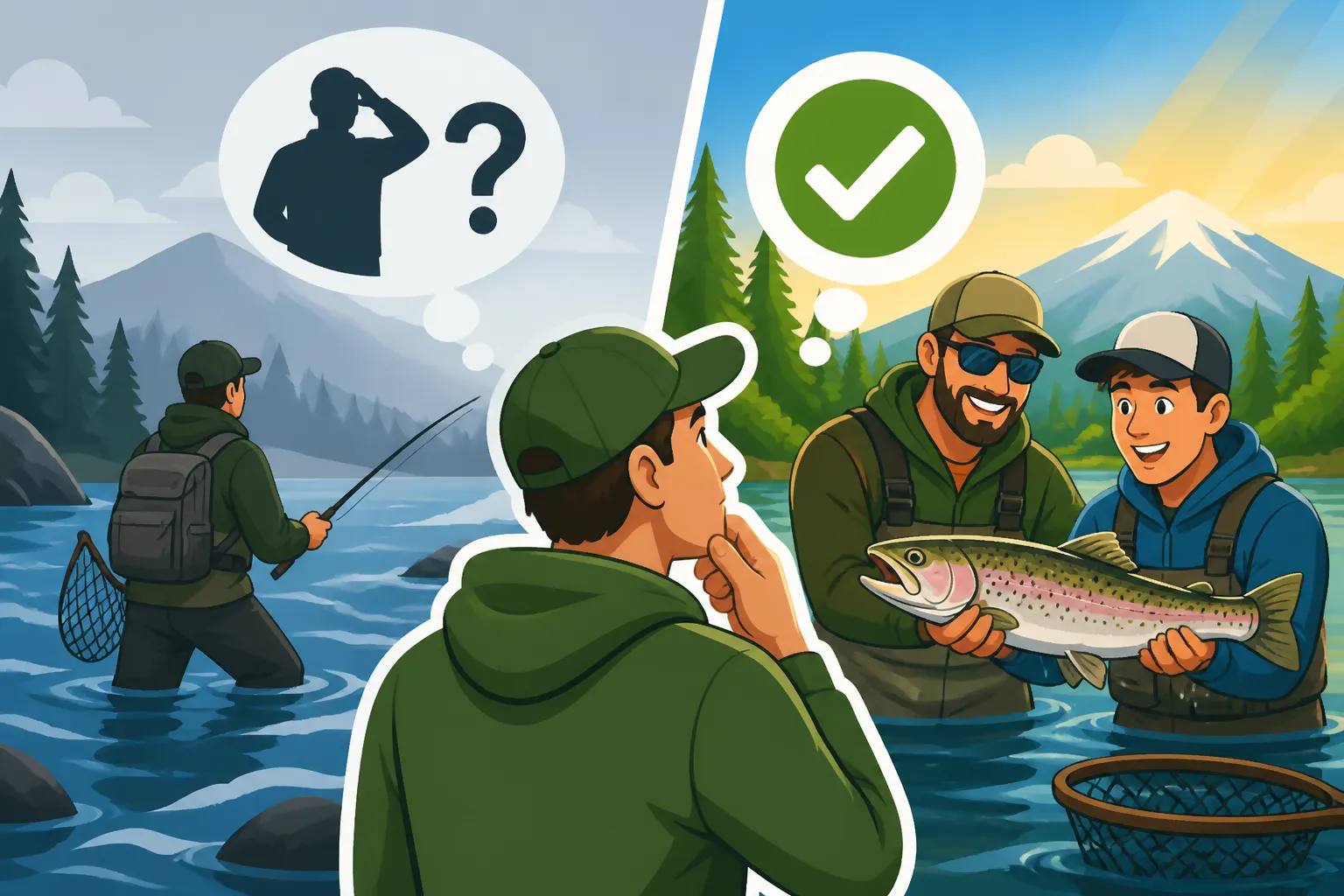
Stepping into the vast and diverse world of Oregon fishing for the very first time can feel a lot like trying to navigate a dense coastal fog without a compass. You’ve heard the tales of trophy salmon, chrome-bright steelhead, and bountiful crabbing, but the sheer volume of regulations, fishing spots, and specialized techniques can be utterly overwhelming. This guide will walk you through the real benefits and considerations of hiring a professional guide for your inaugural Oregon fishing adventure, helping you decide if it’s the smart move for your angling dreams.
The Initial Overwhelm: Why Oregon Fishing Can Be Daunting for Newcomers
Oregon isn't just a state; it's an angler's paradise with an incredible variety of waters, from raging rivers to high mountain lakes, vast reservoirs, and the expansive Pacific Ocean. This diversity, while a blessing, can also be a significant challenge for anyone new to fishing its waters. It’s not simply a matter of dropping a line in any puddle; there’s a whole ecosystem of rules, seasons, and local nuances that can make a first-time trip feel like a pop quiz you didn’t study for.
Navigating Complex Regulations and Seasons
One of the biggest hurdles for any angler in Oregon, especially a newcomer, is the labyrinthine world of fishing regulations. It’s not just about needing an Oregon Fishing License Guide; it's about understanding which license type you need, what endorsements are required for specific species or areas (like the Oregon Combined Angling Tag Guide or Oregon Ocean Endorsement), and how bag limits and size restrictions change depending on the water body and time of year. Trying to decode the official Oregon Department of Fish and Wildlife (ODFW) regulations booklet can feel like reading a legal document written in a foreign language.
Imagine planning a dream trip for spring Chinook salmon on the Willamette River, only to discover upon arrival that you needed a specific Columbia River Basin Endorsement because you planned to fish a section near its confluence, or that the daily bag limits are drastically different than what you assumed. Or, perhaps you’ve geared up for a steelhead run, not realizing that certain river sections are "fly-fishing only" or have barbless hook requirements, rendering your bait and treble hooks useless and potentially illegal. These aren't minor details; they're the foundations of a legal and successful trip, and missing them can lead to frustration, wasted time, or even hefty fines as detailed in Oregon Fishing Violations and Penalties.
Deciphering Oregon's Diverse Waters and Species
Beyond the regulations, there's the monumental task of simply knowing where to go and what to fish for. Oregon offers everything from the world-class trout streams of Central Oregon, like the Deschutes, to the legendary salmon and steelhead runs of the Rogue and Umpqua, the urban fisheries of the Willamette River near Portland, and the deep-sea adventures off the coast for halibut and rockfish. Each of these environments demands different techniques, tackle, and local knowledge.
Think about it: you can’t use the same approach for bottom fishing for lingcod in the Pacific Ocean as you would for casting dry flies for trout on the Metolius River. A lure that’s deadly for smallmouth bass on the John Day River might be completely ignored by a steelhead in a coastal river. This incredible diversity is part of Oregon's charm, but for a first-timer, it’s a recipe for analysis paralysis. You might spend days researching "Best Places to Fish in Oregon" or "Oregon Fishing Spots by Region" only to feel more confused about how to actually approach those waters successfully without wasting precious fishing time trying to figure it all out on your own.
The Unbeatable Advantages of a Guided First Trip
Given the complexities, it’s easy to see why many first-time anglers, or even experienced anglers new to Oregon, opt for a guided trip. A good guide isn't just someone who drives a boat; they're a living, breathing encyclopedia of local fishing knowledge, a skilled instructor, and often, a passionate conservationist who shares your love for the outdoors.
Instant Expertise and Local Knowledge
When you step onto a guide's boat or meet them at a riverbank, you're immediately tapping into years, often decades, of hyper-local experience. They know the river's moods, the subtle changes in currents, where fish are holding based on recent weather patterns, and what bait or lure is working right now. This isn't information you can get from a book or a quick internet search; it's gained through countless hours on the water. A guide will instantly navigate you to proven fishing spots, bypassing hours of aimless searching that a DIY angler might endure.
Consider a scenario where the river recently rose or dropped significantly. A seasoned guide knows which eddies become fish magnets, which banks become too dangerous to wade, and which subtle current seams are now holding salmon. They’ll interpret the water for you, point out key features, and explain why fish are likely to be in a particular spot. This kind of real-time, on-the-water education is invaluable. Furthermore, they are up-to-date on all the current Oregon Fishing Regulations Explained and can ensure you're compliant, so you don't have to worry about accidentally breaking a rule. Many Oregon Fishing Guide Services pride themselves on this immediate access to expertise, turning potential frustration into a productive day.
Access to Top-Tier Gear and Techniques
Let's be honest, getting into serious fishing can be an expensive hobby. Quality rods, reels, specialized tackle, waders, and for boat fishing, the boat itself, represent a significant investment. For a first-time trip to Oregon, you likely don't own the exact gear needed for targeting trophy sturgeon on the Columbia, or the specific fly setup for summer steelhead on the Deschutes. This is where a guide truly shines.
They come equipped with all the necessary, high-quality gear, often custom-tuned for the specific conditions and species you're targeting. You’ll get to use specialized rods and reels designed for powerful salmon, fine-tuned fly setups for wary trout, or heavy-duty tackle for deep-sea rockfish. This means you don't have to break the bank buying gear you might only use once or twice. Moreover, guides are masters of specific techniques – whether it's perfecting a drift for steelhead, knowing the right trolling speed for kokanee, or teaching you the nuances of bobber and jig fishing for salmon. It’s an opportunity to try before you buy, learn from the best, and experience different fishing styles without the initial financial commitment.
Focused Learning and Skill Development
Beyond just putting you on fish, a guided trip offers an unparalleled learning experience. Think of it as a private fishing clinic. A good guide isn't just a captain; they're a patient teacher eager to share their knowledge. They'll teach you how to cast properly, how to "read" the water, identify prime holding lies, tie essential knots, understand fish behavior, and safely handle and release your catch. This hands-on instruction is often tailored to your skill level, whether you're a complete novice or an experienced angler looking to refine specific techniques.
For example, on a Oregon Steelhead Guide trip on the Rogue River, a guide might spend time showing you the perfect swing of a fly, explaining why a particular fly pattern is effective, or demonstrating the subtle strike of a steelhead. For a Oregon Salmon Charter Guide on the Columbia River, they’ll explain boat positioning, how to properly deploy and retrieve downriggers, or how to detect a salmon bite when trolling. This kind of personalized coaching accelerates your learning curve dramatically. You'll gain skills and confidence that will benefit you on future, unguided trips, making it a valuable educational investment, especially for those seeking Beginner-Friendly Guided Fishing Trips in Oregon.
Considering the Investment: Is the Cost Justified for a First-Timer?
Let's address the elephant in the room: guided fishing trips aren't free. There's a definite cost associated with hiring a professional. However, when you frame it as an investment in a successful, safe, and educational experience, the value proposition becomes much clearer, especially for a first Oregon fishing trip.
Weighing the Financial Aspect
The cost of an Oregon fishing guide or charter can vary widely depending on the type of trip (river vs. ocean), duration (half-day vs. full-day, or even multi-day), species targeted, and whether it’s a private or shared boat. It's true that the sticker price might seem high initially compared to simply buying a license and heading out on your own. However, let’s break down what that cost really covers.
It covers the guide’s expertise, their time, fuel for the boat, maintenance of expensive equipment, all the necessary tackle, bait, and often even snacks or drinks. Factor in the costs of buying your own high-quality gear (rods, reels, waders, specific lures, a boat if you needed one), the fuel for scouting unknown waters, the cost of an unsuccessful trip (both financially and emotionally), and potentially even the fines for an accidental regulation violation. When you add all that up, the cost of a guided trip often looks more reasonable. It’s about buying an experience and a much higher chance of success and enjoyment, rather than just the physical act of fishing. You can research typical rates by looking at Oregon Fishing Charter Costs or Private Fishing Guide Rates in Oregon to get a realistic picture.
Maximizing Your Guided Experience
To ensure your investment pays off, it's crucial to approach booking a guide thoughtfully. Start by clearly defining your goals: Are you hoping to catch a specific species, learn a new technique, simply enjoy the scenery, or introduce your kids to fishing? Communicate these expectations upfront with potential guides. Reputable guides will be transparent about what they can offer. A fantastic resource for finding and comparing guides is a platform like FishingBooker. You can browse various options, read client reviews, see photos, and often filter by species, location, and trip type, ensuring you find a guide that aligns with your specific needs. This helps ensure you're not just booking a guide, but the right guide for your first Oregon adventure.
When researching, don't be shy about asking questions about their experience, what’s included in the price, and what you should bring (e.g., snacks, layers of clothing, sun protection). A good guide will appreciate your proactive approach and be happy to provide all the details. This due diligence ensures that your guided trip is not just a random outing, but a targeted, rewarding experience where you feel prepared and confident.
What to Expect: Beyond Just Catching Fish
While everyone hopes to catch fish on a guided trip, it’s important to understand that a truly great guided experience offers much more than just a full cooler. It’s about the entire day: the breathtaking scenery of Oregon’s wild rivers or rugged coastline, the stories and camaraderie shared with your guide, the thrill of learning something new, and the sheer joy of being outdoors. Even on days when the fish aren't biting aggressively (because, let's face it, they’re wild animals and sometimes they just don't cooperate), a good guide will make the trip enjoyable and educational.
You'll come away with a deeper appreciation for Oregon's natural beauty, a better understanding of its aquatic ecosystems, and perhaps a new friend in your guide. The memories created, the skills acquired, and the insights gained into local fishing culture are often more valuable and long-lasting than any single fish. A guided trip on a scenic river like the McKenzie or a deep-sea adventure off the coast can be an incredibly enriching experience, even if you’re focusing on Oregon Catch-and-Release Rules for certain species. It's a chance to connect with nature and an expert at the same time.
Making the Decision: When a Guide is the Right Choice (and When it Might Not Be)
So, after considering the pros and cons, how do you make the final decision? It truly boils down to your personal goals, budget, and level of experience. There are definite scenarios where a guide is an almost essential asset, and others where a DIY approach might be perfectly suitable.
Ideal Scenarios for Booking a Guide
Booking a guide is almost always the best option if you fall into one of these categories:
- You're a First-Time Angler in Oregon: This is perhaps the most compelling reason. The learning curve for Oregon’s diverse fisheries and complex regulations is steep. A guide smooths out that curve, transforming potential frustration into success and enjoyment.
- Targeting Challenging or Specific Species: If your heart is set on landing a trophy Chinook salmon, a elusive steelhead, or a hard-fighting sturgeon, a guide significantly increases your odds. These species often require specialized knowledge, gear, and techniques. For example, chasing spring Chinook on the Willamette or winter steelhead on a coastal river like the Wilson is a whole different ballgame than fishing for stocked trout. You’d benefit immensely from an Oregon Steelhead Guide or Oregon Salmon Charter Guide.
- Limited Time: If you’re visiting Oregon for a short vacation and want to maximize your fishing time, a guide is invaluable. They eliminate the guesswork, allowing you to get right to the action without wasting precious hours scouting or troubleshooting.
- Desire for an Educational, Low-Stress Experience: If learning is a priority, and you want to relax and enjoy the day without worrying about navigation, regulations, or gear, a guide is perfect. They handle all the logistics, so you can focus on the fishing and the scenery.
- Exploring Unfamiliar Waters: Even experienced anglers can feel lost on new water. A guide can quickly orient you to a new river system or ocean fishing ground, saving you time and effort.
- Wanting the Best Chance for Success: While a guide can’t guarantee fish (it is fishing, after all!), they undeniably provide the highest probability of a productive day on the water. Researching using resources like How to Choose an Oregon Fishing Guide can help narrow down your options.
When to Consider a DIY Approach
While guides offer tremendous value, a do-it-yourself approach can certainly be rewarding under certain circumstances:
- You're an Experienced Angler Familiar with Oregon: If you’ve spent considerable time fishing in Oregon and understand its regulations, seasons, and various fisheries, you might not need a guide. You already possess the foundational knowledge. You’ll know how to interpret the Oregon Fishing Regulations Explained and apply them to your chosen spot.
- Fishing for Readily Available Species in Accessible Spots: If your goal is to catch stocked rainbow trout in a local pond or a smallmouth bass in a well-known, easily accessible river, a guided trip might be overkill. These types of fisheries are often well-marked and require less specialized knowledge.
- Tight Budget and Willing to Invest Time in Self-Learning: If cost is a significant factor and you have ample time to research, scout, and learn through trial and error, a DIY trip can be a more budget-friendly option. This approach requires patience and a willingness to accept that your first few outings might not be as productive.
- Prefer Solitude and Independent Challenge: Some anglers cherish the challenge of figuring things out on their own, finding remote spots, and enjoying the solitude of an unguided trip. For these individuals, the journey of discovery is part of the reward.
Guided Trip vs. DIY First Oregon Fishing Trip
| Feature | Guided Trip (Recommended for First-Timers) | DIY Trip (For Experienced or Budget-Conscious) |
|---|---|---|
| Local Knowledge | Instant access to current hot spots, fish patterns, and water conditions. | Requires extensive research, scouting, and trial-and-error. |
| Regulations & Compliance | Guide ensures full compliance, handles all licenses/tags required for trip. | You are solely responsible for understanding and adhering to all complex rules. |
| Gear & Equipment | All high-quality, specialized gear provided (rods, reels, tackle, boat). | You must own or rent all necessary gear, which can be a significant upfront cost. |
| Learning & Skills | Personalized instruction, accelerated learning, hands-on technique coaching. | Self-taught through experience, online resources, and personal experimentation. |
| Chance of Success | Significantly higher chance of finding and catching target species. | Variable success, depends heavily on research, luck, and prior experience. |
| Stress Level | Low stress; guide handles logistics, navigation, and problem-solving. | Higher stress; requires constant decision-making and problem-solving. |
| Cost | Upfront investment for the guide's service, includes all operational costs. | Lower immediate cost, but potential for hidden costs (gear, fuel, wasted time). |
| Convenience | Everything organized for you, just show up and fish. | Requires meticulous planning, preparation, and self-reliance. |
Ultimately, for your very first Oregon fishing trip, especially if you’re targeting anything beyond easily accessible stocked trout, booking a guide is overwhelmingly worth it. It’s not just about catching fish; it’s about safety, education, maximizing your enjoyment, and building a foundation of knowledge that will serve you well for many future Oregon adventures. You’ll walk away with unforgettable memories, valuable skills, and a true appreciation for why Oregon is considered one of the best fishing destinations in the world. Platforms like FishingBooker make finding the right guide easier than ever, connecting you with local experts ready to make your first trip a resounding success.
Disclaimer
This article is for general informational purposes only and does not constitute professional advice. Laws, prices and regulations vary by location and change over time. Consult a qualified professional for guidance on your specific situation.