Oregon Disabilities Hunting and Fishing Permit
It can feel incredibly frustrating to navigate the world of outdoor recreation when you face unique physical challenges, and trying to understand specialized permits often adds another layer of complexity. For many anglers and hunters with disabilities in Oregon, simply figuring out what's available and how to get it can be a significant barrier to enjoying the state's incredible natural resources. This guide is here to cut through the confusion, meticulously walking you through everything you need to know about the Oregon Disabilities Hunting and Fishing Permit, making sure you understand who qualifies, how to apply, and what fantastic benefits it offers.
Understanding the Oregon Disabilities Permit: What it Is and Why It Matters
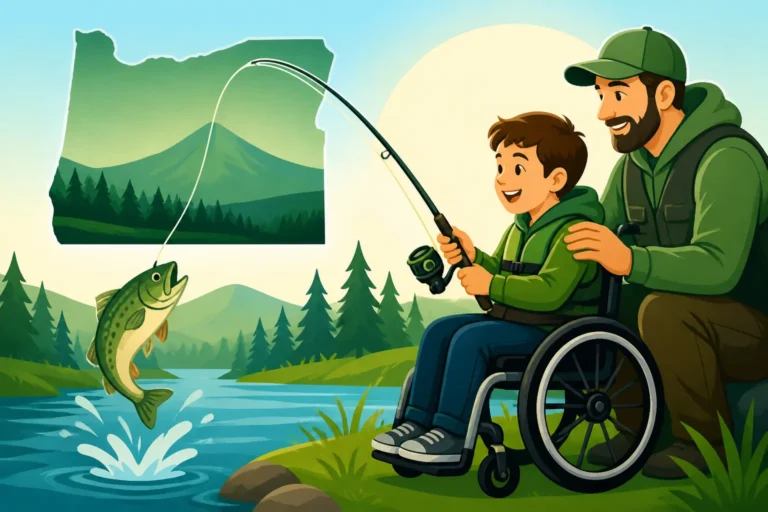
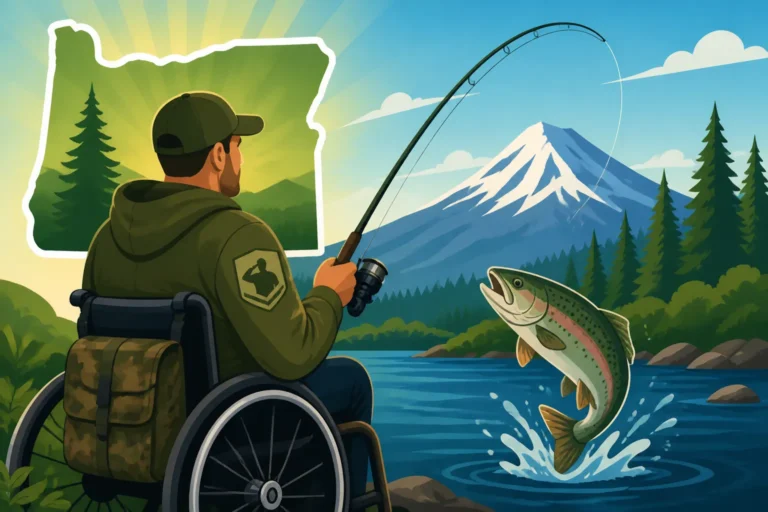
The Oregon Disabilities Hunting and Fishing Permit isn't just another piece of paper; it's a vital program designed to make outdoor pursuits more accessible and affordable for individuals with qualifying disabilities. Oregon recognizes the immense value of hunting and fishing for mental and physical well-being, and this permit is a direct effort to ensure that these opportunities remain open to everyone. It's about leveling the playing field, acknowledging that for some, the joy of casting a line or patiently waiting in a blind requires a different kind of support.
More Than Just a Discount: The Permit's True Value
While reduced fees are certainly a significant and welcome benefit, the true value of the Oregon Disabilities Permit extends far beyond just saving a few dollars. It represents a commitment to inclusivity, acknowledging that passion for the outdoors knows no physical bounds. For many, it provides the legal framework to adapt their methods or receive assistance in ways that might otherwise be restricted. Imagine being able to hunt from a vehicle in designated areas, or having an assistant help you fish without them needing their own separate license for your activity – these are the kinds of practical benefits that transform a potential frustration into a fulfilling experience. This permit helps ensure that the spirit of adventure remains alive and well, even when physical limitations present hurdles. It's about dignity, access, and the simple right to enjoy Oregon's bounty.
Key Differences from Standard Licenses
When you compare the Oregon Disabilities Permit to a standard Oregon Fishing License Guide, you'll notice some distinct advantages. For starters, the permit itself is a prerequisite to obtaining a discounted or free annual hunting, fishing, or combination license. It's not a license in itself but rather a certification of your disability status that unlocks these special privileges. Standard licenses typically require full payment and don't come with the specific allowances for assistance or modified hunting methods. For instance, a regular angler might need an Oregon Combined Angling Tag Guide in addition to their base license, paying the full price for both. With the Disabilities Permit, not only is the base license often significantly cheaper or free, but sometimes the associated tags and endorsements also reflect this reduced cost, making the overall cost of participating substantially lower. It's a fundamental shift from the typical licensing structure, built around supporting those who need it most.
Legislative Background and Purpose
The creation of the Oregon Disabilities Hunting and Fishing Permit stems from state legislative action, driven by a desire to remove barriers for disabled residents. The Oregon Department of Fish and Wildlife (ODFW) is tasked with implementing these provisions, ensuring that the rules are clear and applied fairly. The core purpose is rooted in social equity and promoting participation. Lawmakers recognized that the costs and logistical challenges of hunting and fishing could disproportionately affect individuals with disabilities, and that providing specific accommodations was essential to upholding the state’s commitment to outdoor access for all its citizens. It’s an ongoing effort to balance conservation needs with human well-being, acknowledging that responsible enjoyment of nature is a right that should be as universally accessible as possible.
Who Qualifies: Eligibility Criteria for the Disabilities Permit
Understanding who can actually get their hands on this permit is often the first big question for many. It's not a free-for-all; the Oregon Department of Fish and Wildlife has specific, medically defined criteria that must be met. This isn't about minor inconveniences, but rather permanent conditions that significantly impact an individual's ability to hunt or fish under standard regulations. Trying to figure out if your specific situation fits the bill can feel like deciphering a complex legal document, but we'll break it down.
Defining "Disabled" for ODFW Purposes
For the Oregon Disabilities Hunting and Fishing Permit, ODFW's definition of "disabled" is quite specific and centers on permanent physical disabilities that substantially limit a person's ability to participate in hunting or fishing activities. This isn't a temporary injury or a short-term illness. We're talking about conditions that are expected to last for a person's lifetime or an indefinite period, significantly impairing mobility, vision, or other functions essential for outdoor recreation. It's a recognition that certain limitations require ongoing accommodations. This permit isn't designed for every ailment but rather for those chronic conditions that necessitate a different approach to enjoying the outdoors.
Specific Medical Conditions and Impairments
ODFW outlines several categories of permanent physical disabilities that generally qualify for the permit. These commonly include:
- Paraplegia or Hemiplegia: Conditions resulting in paralysis of the lower or one side of the body.
- Double Amputee: Loss of both legs or arms, or one of each.
- Severe Visual Impairment: This isn't just needing glasses. It refers to a corrected visual acuity that doesn't exceed 20/200 in the better eye, or a visual field that's severely restricted. Essentially, legal blindness.
- Cerebral Palsy: Conditions affecting body movement, muscle tone, or posture due to brain damage.
- Multiple Sclerosis: A chronic, often progressive disease affecting the brain and spinal cord, leading to problems with muscle control, balance, and vision.
- Muscular Dystrophy: A group of diseases that cause progressive weakness and loss of muscle mass.
- Other permanent debilitating diseases: This catch-all can include a range of other conditions, provided they meet the "permanent physical disability" criteria and are certified by a medical professional to substantially impair the applicant's ability to hunt or fish.
It’s important to remember that the specific impact of these conditions on your ability to hunt or fish is key. Simply having one of these diagnoses isn't always enough; the physician's statement needs to confirm the functional limitation it imposes in an outdoor context.
Documentation Requirements from Your Physician
Getting your physician to fill out the necessary paperwork correctly is perhaps the most critical step. ODFW requires a specific "Physician's Statement for Permanent Disability" form. This isn't just a doctor's note; it's a detailed certification that must be completed by a licensed physician, ophthalmologist, or optometrist, depending on the nature of your disability. The physician must:
- Clearly state the nature of your permanent disability.
- Confirm that the disability is, in fact, permanent and substantially impairs your ability to hunt or fish.
- Sign and date the form, including their license number.
Without this properly completed documentation, your application for the Oregon Disabilities Hunting and Fishing Permit will almost certainly be denied. It’s a stringent requirement, but it’s in place to ensure that the program benefits those for whom it was truly intended. Many people find it helpful to bring the ODFW form directly to their doctor's appointment, already pre-filled with their personal information, to ensure all the necessary boxes are checked. Make sure your doctor understands the purpose of the form and is willing to attest to your permanent condition and its specific impact on your ability to participate in these outdoor activities.
The Application Process: Step-by-Step Guide
The thought of filling out forms and navigating bureaucracy can feel overwhelming, especially when you're already dealing with a disability. But don't let that deter you! The application process for the Oregon Disabilities Hunting and Fishing Permit is straightforward once you know the steps. It's about being prepared and methodical, ensuring you have all your ducks in a row before submission.
Gathering Necessary Forms and Medical Certifications
Your journey begins with securing the correct forms. The primary document you'll need is the "Permanent Disability Hunting and Fishing Permit Application" from the ODFW website. You'll also need the aforementioned "Physician's Statement for Permanent Disability" form, which is often included as part of the application packet. It's a good idea to download both, print them out, and read through them entirely before you start filling anything in. This way, you understand exactly what information is required from you and your physician.
Make sure you have your personal identification details handy, like your ODFW hunter/angler ID number if you have one, or your driver's license number. The physician's statement, as we discussed, requires detailed medical attestation, so coordinate with your doctor's office early to get this completed accurately. Sometimes it can take a few days or weeks for a doctor's office to process such requests, so factor that into your timeline. You might even find some useful guides or even specific ODFW regulatory manuals on platforms like Amazon that can help clarify these processes, though always refer to the official ODFW website for the most current forms.
Where to Submit Your Application Online, Mail, In-Person
Once you have your completed application and physician's statement, you have a few options for submission:
- By Mail: This is a common and convenient method. Double-check the ODFW website for the most current mailing address for their Licensing Division. Make sure all original documents are enclosed, and consider sending it with tracking for peace of mind.
- In-Person: If you prefer face-to-face interaction or have questions, you can submit your application at any ODFW office that handles licensing. This might be particularly helpful if you want to ensure all forms are filled out correctly before leaving. Find your nearest ODFW office by checking their website.
- Online: While you can't typically submit the entire application (especially the physician's statement) fully online due to the need for original signatures, you might be able to start the process or upload supporting documents in some cases. Always check the ODFW licensing portal for the most up-to-date options for submitting applications or checking status. Remember, the signed physician's statement is usually a physical document that must be received.
What to Expect After Application
After you've submitted your application, the waiting game begins. ODFW will review your submission to ensure all criteria are met and the documentation is complete. This process can take several weeks, especially during peak seasons. You might receive a confirmation that your application has been received. If anything is missing or unclear, ODFW will typically contact you for clarification or additional information, which can prolong the process.
Once approved, ODFW will issue your permanent disability permit. This permit then qualifies you for purchasing annual hunting or fishing licenses (or combination licenses) at a reduced fee or, in some cases, for free. It’s important to note that you will still need to purchase the actual fishing or hunting license after receiving your disability permit. The disability permit is the key that unlocks the special pricing when you buy your actual license, whether that's through the online portal, at a local license agent, or an ODFW office. Be sure to understand your Oregon Fishing License Types Explained so you know which license the permit will apply to.
Benefits and Privileges: What Your Permit Allows
The true reward for navigating the application process comes in the form of the benefits and privileges associated with the Oregon Disabilities Hunting and Fishing Permit. These aren't just minor perks; they're designed to significantly enhance your ability to participate in outdoor activities, making them more enjoyable, affordable, and accessible.
Reduced Fees and License Exemptions
One of the most immediate and impactful benefits is the significant reduction in the cost of annual licenses. For eligible individuals, this permit often grants access to a permanent hunting license, a permanent angling license, or a permanent combination hunting and angling license at a substantially reduced fee, sometimes even free. This can be a game-changer, removing a major financial barrier to enjoying Oregon's abundant fishing and hunting opportunities. For example, instead of paying the full price for an Oregon Annual Angling License, you'll either pay a nominal fee or nothing at all, depending on your specific disability status and whether you're a resident.
It’s crucial to understand that while the base license may be free or heavily discounted, certain tags and endorsements, like the Oregon Combined Angling Tag Cost for salmon, steelhead, and sturgeon, or an Oregon Ocean Endorsement, may still have a fee, albeit often at a reduced rate for permit holders. Always verify the current fee schedule with ODFW, as these can change. The cost savings alone can make the permit incredibly worthwhile for any avid angler or hunter.
Enhanced Accessibility and Accommodations
Beyond the financial aspect, the permit often comes with practical accommodations that make a real difference in the field. These can include:
- Assistance in the Field: A qualified person may assist the permit holder in hunting or fishing activities, provided the permit holder is present and participates as much as their disability allows. This means an extra set of hands for casting, baiting, or retrieving, without the assistant needing their own license for the permit holder's catch.
- Hunting from a Vehicle: In specific, designated areas, and under certain conditions, permit holders may be authorized to hunt from a stationary vehicle, which is otherwise illegal. This provides access to areas that might be physically impossible to reach on foot.
- Crossbow Use: Some permits may allow the use of a crossbow during any archery hunting season, regardless of the typical restrictions.
- Special Parking Privileges: While not always directly tied to the ODFW permit, having a disability often allows for accessible parking at boat ramps, trailheads, and other recreation sites, further enhancing access.
These accommodations are vital for ensuring that individuals with severe physical limitations can still experience the thrill of the chase or the peaceful solitude of fishing.
Special Hunting and Angling Opportunities
While not always explicitly defined as "special seasons," the permit can open doors to opportunities that might otherwise be out of reach. For example, the ability to hunt from a vehicle effectively expands the huntable terrain for those with mobility issues. The flexibility to have assistance means more complex fishing techniques, like those required for certain salmon or steelhead runs, become viable.
ODFW, in partnership with various non-profit organizations, sometimes offers specific events or guided trips tailored for disabled hunters and anglers. While not directly provided by the permit itself, holding the permit is often a prerequisite for participating in these fantastic programs. These events can provide not only guided experiences but also access to adaptive equipment and a supportive community. Exploring accessible fishing locations is also made easier with the permit, as you're already certified and ready to take advantage of any accommodations available.
Maintaining Your Permit and Important Considerations
Getting your Oregon Disabilities Hunting and Fishing Permit is a fantastic first step, but it's not a "set it and forget it" kind of deal. There are ongoing responsibilities and important things to keep in mind to ensure you remain compliant and can continue to enjoy your outdoor privileges. It's about staying informed and proactively managing your permit, just like any other vital document.
Annual Renewals and Re-Certification
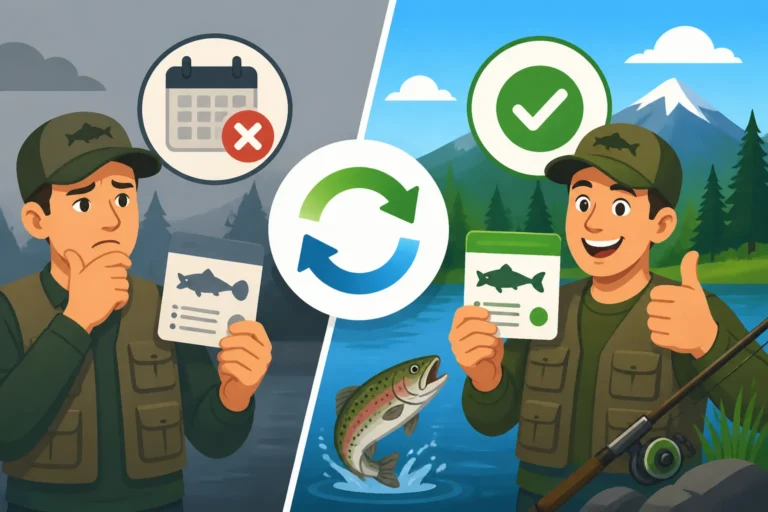
While the disability itself is "permanent," the permit isn't always a one-and-done issuance. You will likely need to renew your actual hunting or fishing license annually, even if it's at a reduced cost. For the disability permit itself, ODFW may require periodic re-certification of your disability, especially if the initial physician's statement indicated a condition that could potentially change or was granted for a specific timeframe. It's crucial to check the specific validity period printed on your permit or any accompanying documentation.
If re-certification is required, you'll go through a similar process of having your physician complete an updated statement. ODFW will typically send out reminders, but it's always best to mark your calendar and stay on top of it yourself to avoid any lapse in your privileges. Remember, even if you don't receive a physical permit every year, the system needs to recognize your disability status to grant you the discounted licenses when you go to renew your Oregon Annual Angling License or hunting tags. You can find information on How to Renew an Oregon Fishing License Online through the ODFW licensing system.
Understanding Combined Angling Tag Requirements
Holding a Disabilities Permit makes your base hunting and fishing licenses much more affordable, but it doesn't always waive the need for additional tags and endorsements entirely. For many popular species, like salmon, steelhead, sturgeon, and halibut, an Oregon Combined Angling Tag or specific species tag is still required. These tags are critical for monitoring catch limits and managing fish populations, as detailed in the Oregon Catch Record Card Requirements.
While the permit may offer a reduced price on these tags, you'll still need to purchase them and adhere to their specific regulations, including daily and seasonal bag limits. For instance, if you plan to target salmon, you'll still need a Oregon Salmon and Steelhead Tag Requirements and fill out your catch record card accurately. Always check the current Oregon Fishing Regulations Explained booklet or the ODFW website before you head out, as regulations for specific species and zones can change frequently. You can often find a physical copy of the regulation booklet at ODFW offices or sporting goods stores, and many digital versions are available online, sometimes even on platforms like Amazon if you prefer a print copy for your gear bag.
Reporting Changes in Disability Status
Life can be unpredictable, and sometimes medical conditions improve or change. If your permanent disability status changes to a point where you no longer meet the ODFW criteria for the permit, it is your responsibility to report this change to the department. While we all hope for recovery, retaining privileges you no longer qualify for isn't fair to the system or other applicants. ODFW relies on the integrity of its permit holders to ensure the program remains viable and focused on those truly in need. Failing to report a significant change could potentially lead to issues down the road, so transparency is always the best policy.
Beyond the Permit: Additional Resources for Disabled Anglers and Hunters
The Oregon Disabilities Hunting and Fishing Permit is an incredible tool, but it's just one piece of the puzzle when it comes to maximizing outdoor access. There's a whole world of adaptive equipment, accessible locations, and supportive communities waiting to enhance your experience. Exploring these additional resources can transform a good fishing or hunting trip into a truly exceptional one.
Adaptive Equipment and Gear
Technology has come a long way in making outdoor recreation more accessible. From specialized fishing rod holders to adaptive shooting rests, there's a vast array of equipment designed to assist anglers and hunters with various physical limitations.
- Fishing: Look for rod holders that attach to wheelchairs or specialized chairs, enabling hands-free fishing. Electric reels can assist with retrieval if manual cranking is difficult. Adapted casting aids or gloves can improve grip and control. You might even find adaptive nets or landing gear on sites like Amazon that make securing your catch easier without excessive bending or reaching.
- Hunting: Shooting rests that provide stability for rifles or crossbows are invaluable. Lightweight, portable ground blinds can offer comfortable, accessible concealment. Adaptive triggers or slings can also be helpful. Some individuals benefit from specialized vehicles or mobility aids that can navigate rougher terrain.
Don't be afraid to experiment and research what's available. Many smaller, specialized companies focus on adaptive outdoor gear, and a simple web search for "adaptive fishing gear" or "hunting mobility aids" can open up a world of possibilities.
Accessible Fishing and Hunting Locations
Oregon is blessed with an abundance of natural beauty, and efforts are continuously being made to improve accessibility at many of its fishing and hunting spots. ODFW, along with the Oregon Parks and Recreation Department and other agencies, maintains lists and maps of accessible facilities.
- Fishing: Look for fishing piers that are wheelchair-accessible, paved paths to bank fishing spots, or boat launches with accessible docks. Many state parks and popular fishing areas, like parts of the Willamette River Fishing Guide or Best Places to Fish in Oregon, have made significant strides in providing accessible options. Some lakes are regularly stocked with trout, and their access points are often designed with accessibility in mind.
- Hunting: Designated areas within state or national forests may have accessible hunting blinds or roads that permit vehicle access under specific permits. Researching specific game management units and contacting local ODFW offices can provide insights into accessible hunting opportunities.
Always call ahead to verify current conditions and accessibility features, as natural events or maintenance can sometimes temporarily impact access.
Organizations Supporting Disabled Outdoor Enthusiasts
A strong community can make all the difference. Several non-profit organizations are dedicated to empowering individuals with disabilities to enjoy hunting and fishing. These groups often offer:
- Guided Trips and Workshops: Providing hands-on experience, often with adaptive equipment and experienced mentors.
- Advocacy: Working to improve accessibility and opportunities at a legislative and practical level.
- Peer Support: Connecting individuals with similar experiences, fostering a sense of community and shared passion.
Organizations like Oregon Adaptive Sports, Northwest Steelheaders, or national groups like the National Wild Turkey Federation (NWTF) or Paralyzed Veterans of America (PVA) often have local chapters or programs specifically for disabled outdoor enthusiasts. Searching for "disabled veterans fishing Oregon" or "adaptive hunting Oregon" will usually yield a wealth of resources and groups that can provide invaluable support, companionship, and opportunities. Getting involved with these groups can not only enhance your own experiences but also help advocate for even greater accessibility for others.
Disclaimer
The information provided in this guide is for general informational purposes only and is not intended as legal advice or a substitute for official Oregon Department of Fish and Wildlife (ODFW) regulations. Fishing and hunting regulations are subject to change without notice. Always consult the most current ODFW Sport Fishing Regulations and Hunting Regulations booklets, available on the ODFW website, before engaging in any fishing or hunting activity. It is your responsibility to understand and comply with all applicable laws and regulations.