Oregon Youth Fishing License
Trying to introduce your kids to the magic of fishing in Oregon can sometimes feel like you need a law degree just to get started. You're probably just dreaming of those quiet moments by the river or lake, watching their eyes light up with a tug on the line, but the sheer volume of regulations can be a real headache. No one wants to accidentally run afoul of the rules, especially when it involves their enthusiastic young anglers. This comprehensive guide is designed to cut through the confusion surrounding the Oregon youth fishing license, making sure your family's next outdoor adventure is nothing but smooth sailing and big smiles.
Why Your Young Angler Needs an Oregon Youth Fishing License
It’s easy to assume that kids might get a pass on fishing licenses, especially when they’re just starting out. After all, they’re just little ones, right? However, understanding the specific requirements for young anglers in Oregon is crucial. It’s not just about avoiding fines; it’s about setting a positive example and contributing to the conservation efforts that keep Oregon’s waters so vibrant for generations to come.
The Legal Lowdown: It's More Than Just a Piece of Paper
While there's a common belief that all kids can just grab a pole and cast a line without a care, that’s not entirely true in Oregon. The rules are designed to be age-specific, creating a clear pathway for young people to participate in fishing while still supporting the system that maintains our state's incredible fisheries. For kids under a certain age, there's a fantastic exemption, which we’ll dive into shortly. But for those a little older, that fishing license becomes a critical document. It’s a legal requirement that signifies their entry into the angling community, ensuring they understand the privilege and responsibility that comes with it.
Think of it this way: that license is their passport to adventure. Without it, they could inadvertently put you, the accompanying adult, in a tricky situation with wildlife officials. It's a small investment for peace of mind and full compliance with the law, ensuring your family outings are focused purely on fun and relaxation, not unexpected legal issues. You can find all the broad requirements in our main article on the Oregon Fishing License Guide.
Fostering Responsibility from a Young Age
Getting a fishing license isn't just about adhering to the law; it's a fantastic teaching moment for your kids. It's an opportunity to explain how fishing licenses and associated fees directly fund important conservation programs, habitat restoration, and fish stocking efforts by the Oregon Department of Fish and Wildlife (ODFW). When your child holds their own license, they gain a tangible connection to these efforts. It helps them understand that fishing is not just a recreational activity, but a privilege that carries a responsibility to protect the environment and its resources.
This sense of ownership and responsibility extends beyond just the license. It’s about teaching them proper catch-and-release techniques, understanding daily bag limits, and respecting the natural world around them. When they actively participate in the process of getting their license, they're more likely to value the experience and become stewards of the outdoors. It's a foundational step in becoming a truly ethical angler.
What Happens Without One? Understanding the Risks
Ignoring the fishing license requirements for your child, even if unintentional, can lead to some unwelcome consequences. If a game warden encounters an unlicensed angler who requires a license, it's typically the accompanying adult who is held responsible. This could result in a citation and fines, which can quickly turn a peaceful family fishing trip into a stressful and expensive ordeal. These penalties are in place to underscore the importance of supporting conservation through license sales, and ignorance of the law is generally not considered an excuse.
Beyond the legal ramifications, there's the lost opportunity to model responsible behavior for your kids. Imagine explaining to them why you're getting a ticket when you were just trying to enjoy a day together. It can undermine the positive lessons about respect for nature and rules you're trying to impart. Making sure your child has the correct Oregon fishing license age requirements and proper documentation is truly the easiest way to ensure your fishing adventures remain happy and hassle-free.
Age Requirements and Key Exemptions for Young Anglers in Oregon
Oregon has made it incredibly accessible for young children to experience fishing without immediate bureaucratic hurdles, while also setting a clear framework for older youth. Understanding these age brackets is key to knowing when to purchase a license and when your child can fish freely.
The "Under 12" Sweet Spot: When No License is Needed
Here's the fantastic news for families with very young children: in Oregon, kids under the age of 12 do not need a fishing license to fish. This is an incredible opportunity to introduce them to the sport without any cost or paperwork for their specific fishing activity. It's designed to encourage early participation and foster a love for the outdoors from a very young age. This exemption applies to both residents and non-residents, making it easy for visiting families too.
While they don't need a license, remember that any fish they catch will count towards the accompanying adult's daily bag limit if that adult is also fishing and licensed. If the adult is solely supervising and not fishing, then the child's catch falls under the appropriate regulations for the species and location, but without a personal limit. Always double-check the Oregon Fishing Regulations Explained for specific details on catch limits for different species. This "free entry" policy is a gift to families, so take advantage of it!
Navigating the 12-17 Age Bracket: The License Requirement Kicks In
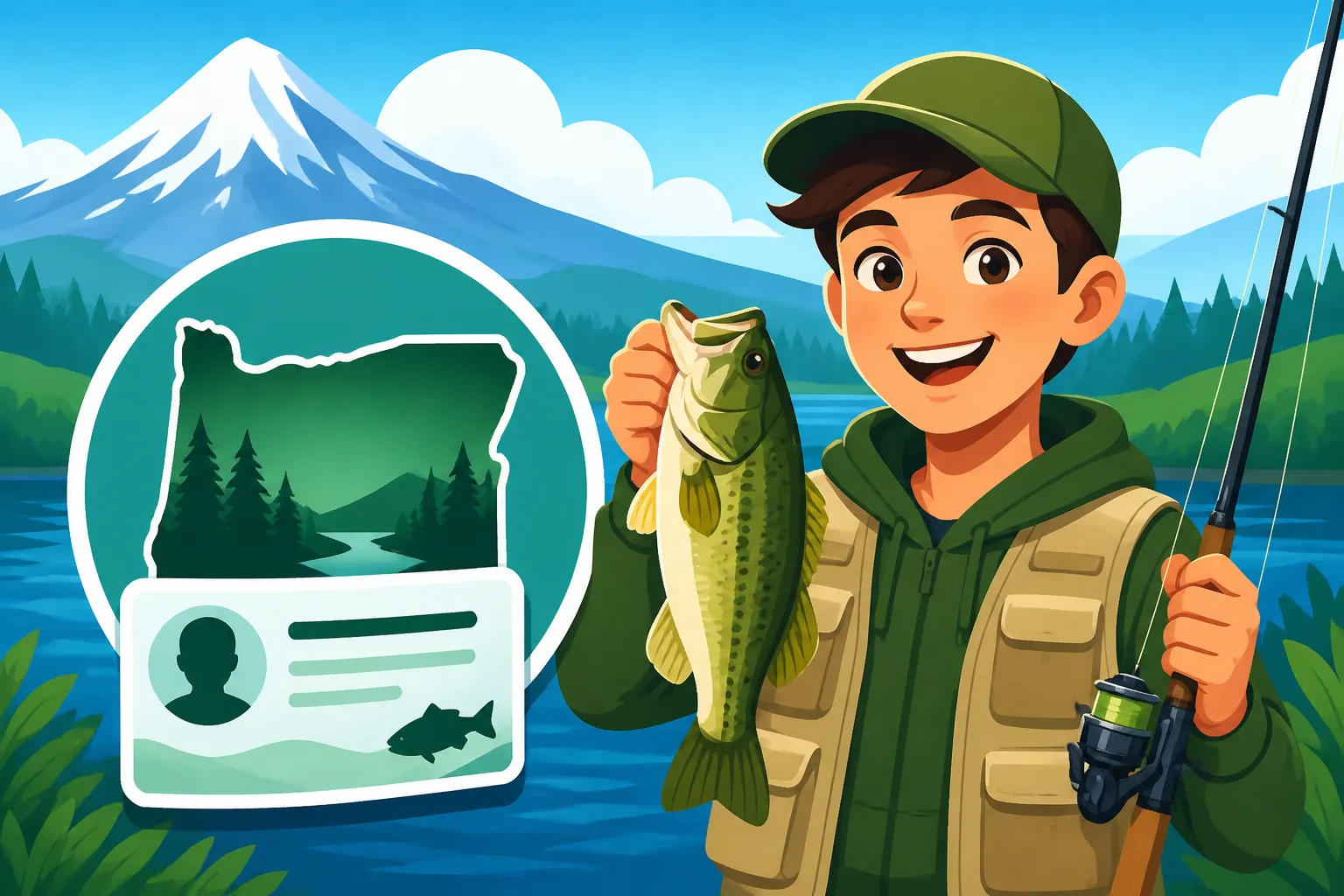
Once a child turns 12, the requirement for an Oregon youth fishing license comes into play. From their 12th birthday through their 17th year, they will need to purchase a valid juvenile angling license. This is often called a "youth" or "juvenile" license and is specifically priced to be affordable for young people. This age range is where many misconceptions arise, with parents sometimes thinking the "under 12" rule extends further than it does. It's a critical cutoff to remember as your child grows and their passion for fishing develops.
The process of obtaining this license is straightforward, similar to an adult license but with a different fee structure. It empowers them with their own official document and helps them transition into being fully licensed anglers as they approach adulthood. This is also a perfect time to ensure they understand why licenses are important, tying back to the conservation lessons we discussed earlier. Knowing "What age do you need a fishing license in Oregon" is fundamental for planning family trips.
Special Considerations: Tags, Endorsements, and Free Fishing Days
Beyond the basic youth angling license, there are a few other important considerations. If your young angler (aged 12-17) is targeting specific species like salmon, steelhead, or sturgeon, they will likely need to purchase a Combined Angling Tag in addition to their base license. This tag tracks their catch of these species, which are often subject to stricter management due to their migratory patterns and conservation status. Understanding the Oregon Combined Angling Tag Guide is crucial if these species are on your child's target list. Certain waters, like the Columbia River, might also require specific endorsements, so it's always wise to check the specific regulations for your chosen fishing location.
However, Oregon also offers fantastic opportunities with "Free Fishing Days." On these designated days, typically twice a year, everyone – including youth who would normally need a license – can fish without purchasing a license or tag. It's a wonderful chance to try out new spots or introduce friends to fishing without any cost barriers. Keep an eye on the Oregon Free Fishing Days schedule, as these dates are hugely popular and a great way to enjoy the sport.
Understanding the Cost of an Oregon Youth Fishing License and Associated Tags
The cost of a youth fishing license in Oregon is significantly more affordable than an adult license, which is a conscious decision to make fishing accessible for younger generations. However, it's not always just a single fee; understanding potential additional costs for tags and endorsements is important for budgeting your family's fishing adventures.
Breaking Down the Base Youth License Fee
For Oregon residents aged 12-17, the annual juvenile angling license is typically a modest fee. This price point is intentionally low to encourage youth participation and remove financial barriers. For instance, as of recent information, a resident youth annual angling license often costs around $10.00. This is a fantastic deal for a full year of fishing opportunities across the state. Non-resident youth licenses are also available and, while usually a bit higher than resident youth fees, are still considerably less than non-resident adult licenses. Always check the current ODFW website or a licensed vendor for the most up-to-date Oregon Fishing License Costs as prices can change.
This base fee covers the general act of angling for many common species in Oregon's diverse waters, from trout in mountain lakes to bass in warmer reservoirs. It's the foundation upon which any other required tags or endorsements are added, ensuring that young anglers have an affordable entry point into the sport.
Beyond the License: When Are Tags and Endorsements Necessary?
While the base youth license is affordable, additional costs can come into play if your child targets certain species. The most common additional purchase for youth is the Combined Angling Tag. This tag is mandatory for anyone, including youth aged 12-17, who intends to harvest salmon, steelhead, or sturgeon. The cost for a youth combined angling tag is also relatively low, often around $5.00 for residents. It's vital to have this tag if your family plans to chase these prized fish, as daily and annual limits are strictly enforced and tracked through this document.
For fishing in specific areas, such as portions of the Columbia River, additional endorsements might be required. For example, the Columbia River Basin Endorsement is sometimes necessary, and if your child is targeting species that require it, this would be an added cost. These endorsements help fund specific management and restoration efforts in those unique fisheries. It’s always best to consult the current regulations for the specific body of water you plan to fish to ensure you have all necessary paperwork.
Here’s a quick overview of typical costs for a resident youth (ages 12-17):
| Item | Typical Resident Youth Cost (approx.) | Covers | Notes |
|---|---|---|---|
| Annual Angling License | $10.00 | General fishing for most species (trout, bass, etc.) | Mandatory for ages 12-17 |
| Combined Angling Tag | $5.00 | Harvest of salmon, steelhead, sturgeon (statewide) | Required in addition to license for these species |
| Columbia River Basin Endorsement | $1.00 – $5.00 | Fishing in specific Columbia River Basin waters | Required in addition to license if fishing these areas |
| Shellfish License | $10.00 | Crabbing, clamming, and other shellfish activities | If applicable, for ages 12-17. Often same as adult fee for this. |
Note: These prices are illustrative and subject to change by ODFW. Always verify current costs before purchase.
Annual vs. Multi-Day Options: What Makes Sense for Your Family
For youth anglers, especially if you're an Oregon resident, the annual angling license is almost always the best value. For a relatively small fee, it provides year-round access to fishing opportunities, allowing for spontaneous trips and consistent engagement with the sport. However, for non-resident youth or families just visiting for a short vacation, multi-day options might be considered. While Oregon does offer Oregon 1-Day Fishing License options and multi-day licenses for adults, these are often less cost-effective in the long run even for a youth.
If your family anticipates more than one or two fishing trips in a year, the annual youth license quickly pays for itself. The convenience of not having to purchase a new license for each outing is also a huge benefit. Consider your family's fishing frequency and travel plans when deciding which license option to pursue. For most resident families, the annual license is simply the easiest and most economical choice.
How to Easily Get an Oregon Youth Fishing License
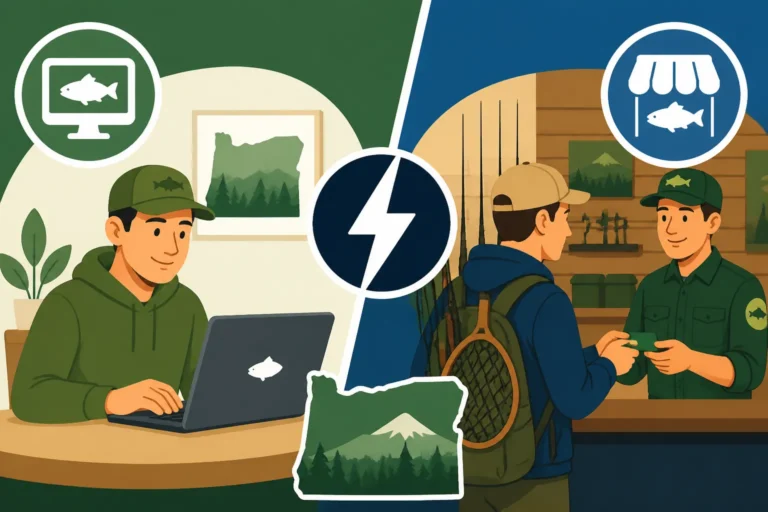
Getting your child's fishing license should be a simple process, not a daunting task. Thankfully, ODFW has made it quite convenient, offering both online and in-person purchasing options. Knowing the steps and what you'll need will streamline the entire experience.
Online Purchase: Convenience at Your Fingertips
The easiest and often preferred method for many parents is to purchase an Oregon youth fishing license online. The ODFW licensing system is user-friendly, allowing you to buy licenses, tags, and endorsements from the comfort of your home. You'll typically create an account for yourself (if you don't already have one) and then add your child to your profile, or create a new profile for them if they are 12-17 and need their own record. You'll simply select the "Juvenile Angling License" and any necessary tags (like the Combined Angling Tag) for their age.
Once purchased, you'll usually receive an immediate confirmation and a temporary license that you can print out at home. You can also save it to your phone, as many wardens accept digital proof. Your official hard-copy license will often be mailed to you within a few weeks. This online portal is also where you can look up your child's license purchase history or even renew it in subsequent years. This flexibility makes it super convenient, especially for busy families. Many people also find that general fishing resources, like those on Amazon, offer guides that walk you through state-specific online purchasing.
In-Person Options: Sporting Goods Stores and ODFW Vendors
For those who prefer a more traditional approach, or if you need a license right before heading out the door, in-person options are widely available across Oregon. Many sporting goods stores, like Bi-Mart and Fred Meyer, as well as smaller tackle shops and even some general stores, are licensed ODFW vendors. These locations can process your child’s license purchase on the spot, printing out a physical license for immediate use. This is a great option if you have questions or need some local advice on where to fish that day.
You can also visit an ODFW office directly, though their hours might be more limited than retail stores. The benefit of purchasing in person is getting that physical license right away, eliminating any worry about printer issues or waiting for mail. Our guide on Where to Buy an Oregon Fishing License provides more detailed locations and tips for in-person purchases.
What Information You'll Need to Provide
Whether you're purchasing online or in person, you'll need some basic information to get your child's license. For a resident youth (ages 12-17), you'll typically need:
- Full Name: As it appears on their identification.
- Date of Birth: To verify their age bracket.
- Address: Your current residential address in Oregon.
- ODFW ID Number (if they have one): If they've had a license or participated in ODFW programs before, they might have a unique ID. If not, one will be created.
- Proof of Residency (for resident rates): While often self-certified for youth, be prepared to provide a parent's Oregon driver's license or state ID if questions arise.
For non-resident youth, the information will be similar, but without the need for Oregon residency proof. Having this information handy will make the purchasing process quick and painless, getting your young angler geared up and ready for their next big catch in no time.
Essential Regulations and Best Practices for Young Fishers
Getting the license is just the first step! Teaching your young angler the importance of following regulations and adopting best practices is just as vital. It instills respect for the environment and ensures the sustainability of Oregon's fisheries for years to come.
Understanding Daily Bag Limits and Size Restrictions
One of the most important regulations for any angler, including youth, is adhering to daily bag limits and size restrictions. These rules are put in place by ODFW to manage fish populations and ensure healthy breeding stocks. For instance, specific lakes might have a daily limit of 5 trout, or a river might have a size limit where only trout over 8 inches can be kept. It's crucial that your child, under your supervision, understands these limits. Every fish they catch that is designated for harvest counts toward that limit, regardless of who reels it in, if they are aged 12-17 and licensed. For kids under 12, their catch often counts towards the accompanying adult's limit.
Always consult the current ODFW Sport Fishing Regulations booklet or online resources before each trip. Regulations can vary significantly by location and species, and they can change throughout the year. For detailed information on specific species, our guide on Oregon daily bag limits explained is a valuable resource. Teaching kids to measure fish accurately and identify species correctly is a practical skill that reinforces responsible angling.
Catch and Release Ethics: Teaching Conservation
Beyond keeping fish, teaching proper catch and release techniques is perhaps one of the most powerful conservation lessons you can impart to a young angler. Many fish caught, especially wild species like steelhead or certain salmon, are required to be released. Even for species that can be kept, practicing catch and release for some fish helps maintain healthy populations. Teach your child how to:
- Handle fish gently: Minimize time out of water, use wet hands to protect the fish's slime coat.
- Remove hooks carefully: Use pliers or a de-hooker, especially with barbless hooks (often required in certain areas).
- Revive fish: Hold the fish gently in the water, facing upstream, until it can swim away under its own power.
This practice fosters a deep respect for the fish and the ecosystem. It shows them that fishing isn't just about what you take home, but about the experience and the health of the fishery. You can find more specific advice on this in our general overview of Oregon Fishing Techniques for Beginners. Even if they're using gear bought from Amazon, the principles of gentle handling apply universally.
Safety First: Gear, Locations, and Supervision
Safety should always be the top priority when fishing with kids. Beyond the license, ensure your young angler has the right gear for the conditions and that they understand basic safety protocols.
- Life Jackets: If fishing near or on water where there's any risk of falling in, a properly fitting life jacket is non-negotiable, especially for younger kids.
- Sun Protection: Hats, sunglasses, and sunscreen are essential for long days outdoors.
- Appropriate Footwear: Non-slip, closed-toe shoes are best, even for bank fishing, to prevent slips and protect feet from hooks or sharp objects.
- First Aid Kit: A basic kit for minor cuts, scrapes, or hook mishaps is always a good idea.
- Location Awareness: Teach kids to be aware of their surroundings, especially near currents, deep water, or unfamiliar terrain.
- Constant Supervision: Never leave young children unsupervised near water. Even older kids benefit from adult presence, especially when learning new techniques or navigating challenging spots.
By prioritizing safety, you ensure that every fishing trip is a positive and memorable experience for everyone involved, building confidence and a lifelong love for the sport in a secure environment.
Maximizing the Youth Fishing Experience in Oregon
Beyond the technicalities of licenses and regulations, the heart of youth fishing is about creating joyful, lasting memories and nurturing a connection to nature. Oregon offers a plethora of opportunities, and with a little planning, you can make every outing an unforgettable adventure.
Finding Kid-Friendly Fishing Spots
Oregon is blessed with an abundance of fishing opportunities, and many are perfectly suited for young anglers. When looking for kid-friendly spots, consider a few key factors:
- Easy Access: Look for locations with flat, stable banks, docks, or piers where casting is safe and easy. Avoid steep, slippery, or overgrown areas.
- Stocked Waters: ODFW regularly stocks many lakes and ponds with trout, especially in spring and early summer. These "put-and-take" fisheries offer a higher chance of success, which is fantastic for keeping kids engaged. Check the ODFW stocking schedule online.
- Variety of Species: While trout are popular, don't overlook warmwater species like bluegill or crappie. These fish are often abundant, eager biters, and can provide continuous action, which is perfect for maintaining a child’s interest.
- Amenities: Picnic tables, restrooms, and nearby playgrounds can enhance the overall family experience.
Some fantastic examples of kid-friendly spots include Diamond Lake, Henry Hagg Lake, and many local community ponds in areas like Portland, Eugene, and Bend. Our guide on the Best Places to Fish in Oregon can point you towards even more options, many of which are perfect for families.
Gear Recommendations for Young Anglers
Getting the right gear for kids doesn't mean breaking the bank. Simple, durable, and appropriately sized equipment makes a huge difference in their enjoyment and success.
- Spinning Combos: A lightweight spinning rod and reel combo, typically 4-5 feet long, is ideal for beginners. Look for models with smaller reels and an easy-to-use drag system. Brands like Ugly Stik or Shakespeare often have excellent youth combos available on Amazon or at your local sporting goods store.
- Lures/Bait: Keep it simple! For stocked trout, powerbait, worms, or small spinners are highly effective. For panfish, tiny jigs or pieces of worm work wonders.
- Tackle Box: A small, organized tackle box helps kids feel like real anglers and keeps their gear tidy.
- Pliers/Forceps: Essential for safely removing hooks.
- Bucket/Cooler: For keeping fish fresh if you plan to harvest them, or simply for holding water for a catch-and-release photo op.
Remember, the goal is to make it easy and fun. Overly complicated or heavy gear can quickly lead to frustration and disinterest. Start with the basics and let their passion guide any future upgrades.
Making Every Trip an Educational Adventure
Fishing with kids is about so much more than just catching fish. It's a prime opportunity for education, exploration, and creating lasting bonds.
- Nature Observation: Use the time to talk about the local wildlife, plants, and geology. Point out birds, identify insects, or discuss the different types of trees.
- Patience and Persistence: Fishing naturally teaches patience. Celebrate the small victories, like a cast well-made or a nibble on the line, even if no fish are caught. Emphasize that persistence pays off.
- Life Skills: From tying knots (simple ones, at first!) to understanding weather patterns, fishing inherently teaches a variety of practical life skills.
- Storytelling: Encourage your kids to recount their fishing stories. These narratives solidify their memories and help them process their experiences.
- Clean-up: Always leave the fishing spot cleaner than you found it. Pack out all trash, including discarded fishing line, teaching vital environmental stewardship.
By approaching each fishing trip as an opportunity for learning and connection, you're not just raising an angler; you're nurturing a well-rounded individual with a deep appreciation for the natural world.
Disclaimer
Please note that fishing regulations, license costs, and seasons in Oregon are subject to change. Always consult the most current Oregon Department of Fish and Wildlife (ODFW) regulations and official sources before planning your fishing trip to ensure compliance. This guide is for informational purposes only and does not supersede official ODFW publications.