Are wild salmon endangered in Oregon?
It’s a heavy question that weighs on the hearts of many of us who love Oregon’s rivers and coasts: are our wild salmon endangered? The simple answer is often frustratingly complex, but this guide will cut through the noise to give you a clear understanding of the challenges facing these iconic fish and what it means for their future and for those of us who cherish them.
Understanding "Endangered" in Oregon's Salmon Context
When we talk about whether wild salmon are endangered in Oregon, it's not a straightforward yes or no, and that's often where the confusion begins. Different populations, known as "evolutionarily significant units" or ESUs, face different threats and have varying levels of protection under federal law. Think of it less as one big, uniform "salmon population" and more as a collection of distinct groups, each with its own story and struggles.
The Complex Reality of Salmon Populations
Imagine trying to keep track of a large, diverse family where some branches are thriving, some are struggling, and others are barely hanging on. That's a bit like the situation with Oregon's wild salmon and steelhead. The term "endangered" carries a specific legal weight, primarily under the federal Endangered Species Act (ESA). This act provides a framework for protecting species and their habitats, but the listing status can vary wildly. For instance, one run of spring Chinook in a particular river basin might be listed as "Threatened" (meaning it's likely to become endangered in the foreseeable future), while another run just a few hundred miles away might be relatively stable, or even "Endangered" (meaning it's in danger of extinction throughout all or a significant portion of its range). This mosaic of statuses makes a blanket statement impossible and highlights the localized nature of many conservation challenges. It’s why you’ll often hear discussions about specific runs, like "Snake River spring Chinook" or "Oregon Coast coho," rather than just "Oregon salmon" generally.
Why Some Runs Face Greater Challenges
The reasons behind these varying statuses are multi-faceted and often interconnected. Habitat loss and degradation are huge culprits. When logging, agriculture, or urban development diminish the quality of spawning grounds, rearing areas, or migratory pathways, salmon suffer. Dams, particularly on the Columbia and Snake rivers, present significant barriers to migration, impacting both adult fish heading upstream to spawn and juvenile fish migrating downstream to the ocean. These obstacles can delay migration, increase predation, and raise water temperatures.
Climate change adds another layer of complexity, affecting stream temperatures, altering river flows, and increasing the frequency of extreme weather events like floods and droughts, all of which can be devastating for cold-water species like salmon. Fishing pressure, while much more carefully managed today, historically contributed to declines. Even now, balancing harvest opportunities with conservation goals for weaker runs is a constant challenge. Finally, the interaction between wild and hatchery fish is a hotly debated topic, with concerns about genetic impacts and competition for resources. Understanding these factors is crucial to grasping why certain populations are in peril while others manage to persist.
Key Wild Salmon Species and Their Status
Oregon is home to several species of Pacific salmon and anadromous trout, each with its unique life history and conservation status. While all face hurdles, some are clearly in a more precarious position than others.
Wild Chinook Salmon
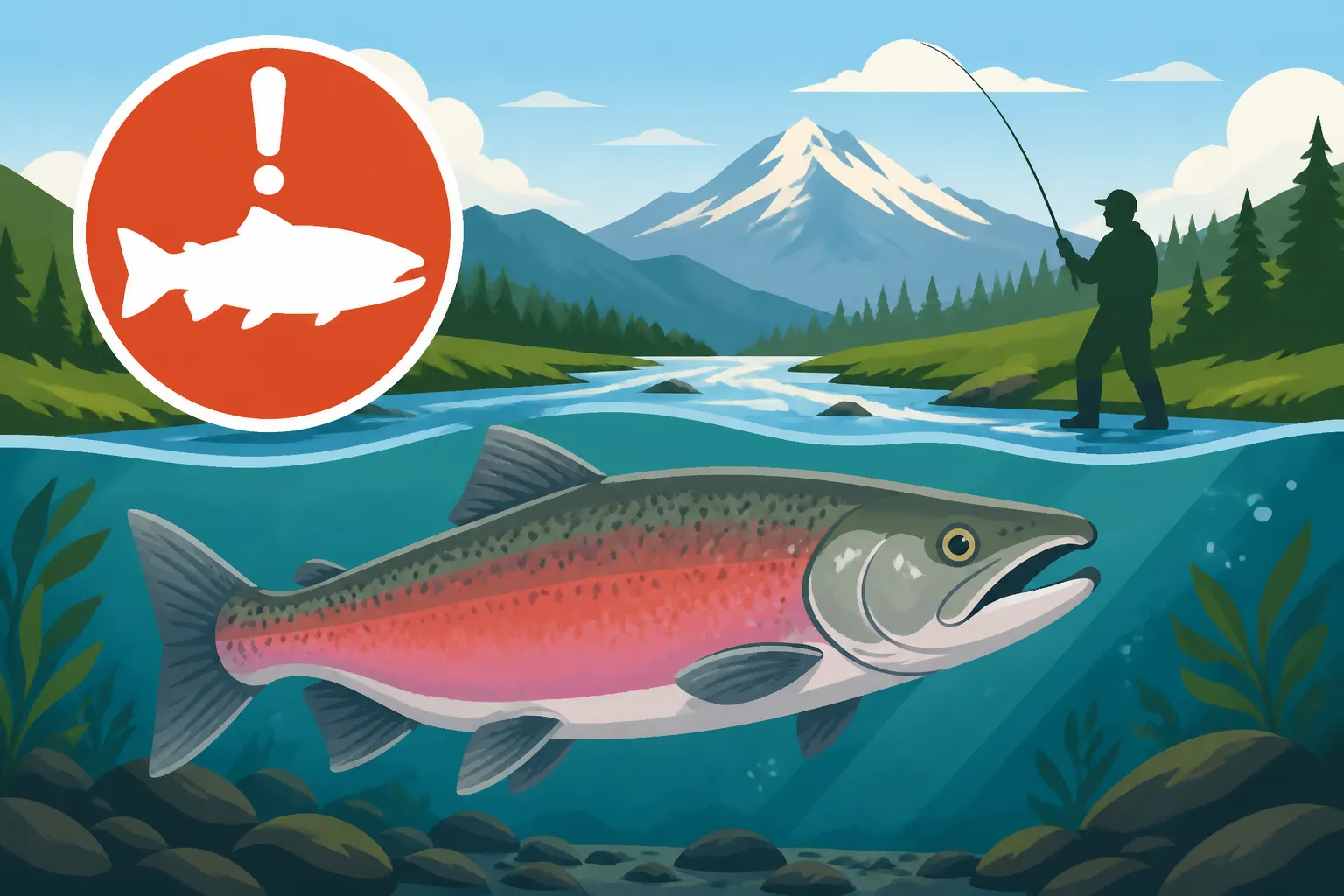
Chinook salmon, often called "King salmon" due to their impressive size, are a cornerstone of Oregon's fisheries and ecosystems. Their status is particularly varied and often dire in certain areas. We distinguish between different "runs" based on when they return to spawn. Spring Chinook, for example, return earlier in the year and migrate further upstream, often holding in deep pools through the summer before spawning in the fall. These runs, particularly in the Columbia River Basin like the Snake River and Upper Columbia, are among the most imperiled. Their long migration paths expose them to numerous obstacles and warmer waters, and their populations have plummeted from historical numbers. In contrast, some coastal fall Chinook runs are generally in better shape, though they still face localized threats. The challenges for wild Chinook are substantial, highlighting the need for robust conservation strategies across their diverse habitats. If you're planning a trip, knowing about the Chinook Salmon in Oregon can help you understand the local regulations and conservation efforts in place for these magnificent fish.
Wild Coho Salmon
Wild Coho salmon, also known as "silver salmon," have also experienced significant declines from their historic abundance, particularly in the lower Columbia River and along parts of the Oregon coast. However, there's a more optimistic story emerging for some coho populations. After being listed under the ESA in the late 1990s, specific runs, especially those on the Oregon Coast, have seen some promising recovery thanks to dedicated habitat restoration efforts, improved fishing management, and favorable ocean conditions in some years. This recovery led to the delisting of Oregon Coast Coho in 2014, a significant conservation success story. That said, other coho populations, like those originating from the Lower Columbia River, remain listed as "Threatened." Their recovery is a testament to what focused conservation can achieve, but it also underscores the ongoing need for vigilance and adaptive management to ensure these vibrant fish continue to return to our rivers. For more detailed insights into their presence and conservation, exploring Coho Salmon in Oregon can offer a deeper dive.
Other Native Salmonids: Steelhead and Sockeye
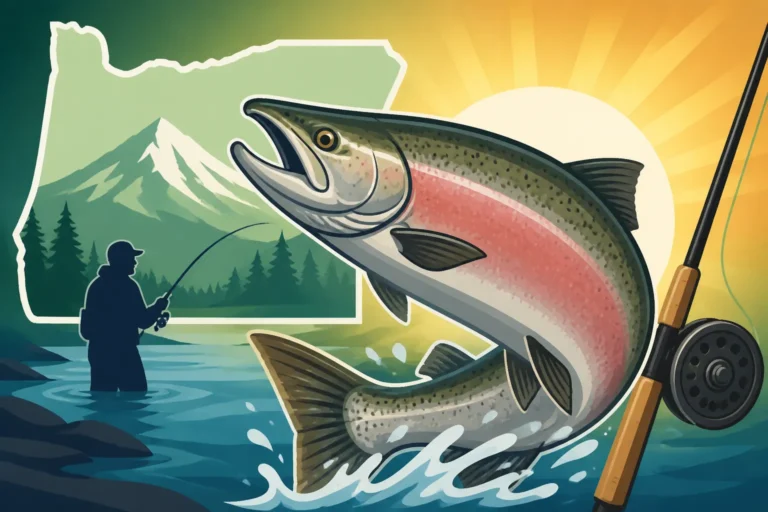
It's not just salmon facing these challenges; other native salmonids also have varying statuses. Wild steelhead, which are essentially anadromous rainbow trout, are another iconic species in Oregon. Like salmon, they undertake incredible migrations from freshwater to the ocean and back. Many wild steelhead populations, particularly those in the Columbia River Basin and some coastal rivers, are listed as "Threatened" or "Endangered." Their life cycle, which often includes multiple spawning runs, makes them resilient but also vulnerable to environmental changes. Protecting wild steelhead often requires similar efforts to those for salmon, including habitat restoration, improved passage at dams, and careful management of fisheries. You can learn more about these resilient fish in our Oregon Steelhead Guide.
Sockeye salmon, known for their brilliant red spawning colors, are less prevalent in Oregon than Chinook or Coho. Historically, they were found in certain lake systems that offered specific habitat requirements for their unique life cycle, such as Wallowa Lake in Northeast Oregon. These populations are often small and face very specific, localized threats. While not as widespread, their presence in Oregon's aquatic ecosystems is a vital part of the state's biodiversity and a reminder of the complex web of life that depends on healthy freshwater habitats.
The Role of Hatcheries and Conservation Efforts
When you’re talking about salmon and steelhead in Oregon, you simply can’t ignore the role that hatcheries play. They’re a double-edged sword, offering solutions while sometimes presenting new dilemmas. It's a topic that can spark lively debates among anglers and conservationists alike.
Hatchery Fish vs. Wild Fish
Hatcheries were originally developed with the best intentions: to mitigate the loss of wild salmon due to dam construction, habitat destruction, and overfishing, and to provide fish for harvest. They do a fantastic job of producing large numbers of fish, often leading to robust sport and commercial fisheries that many Oregonians cherish. You can certainly thank hatcheries for a lot of the salmon and steelhead that end up on your dinner plate!
However, there's a flip side. The debate centers on the potential impacts of hatchery fish on their wild cousins. When hatchery fish spawn with wild fish, there are concerns about genetic dilution, potentially weakening the wild gene pool over generations. Furthermore, hatchery-reared fish often have different behaviors and survival rates than wild fish; they might be less adept at foraging, avoiding predators, or navigating natural river systems. They can also compete with wild fish for limited resources like food and space. This isn’t to say hatcheries are inherently bad, but it highlights the delicate balance and ongoing research into how to manage hatchery programs in a way that supports, rather than hinders, wild fish recovery. Understanding the Difference between hatchery and wild fish in Oregon is critical for appreciating these complex dynamics.
Ongoing Conservation and Recovery Programs
Despite the significant challenges, there are incredible efforts underway to help wild salmon and steelhead recover. These aren't just theoretical discussions; they're boots-on-the-ground, in-the-water actions that make a real difference.
One major area of focus is habitat restoration. This involves everything from removing outdated culverts that block fish passage to planting native vegetation along riverbanks to cool water temperatures and stabilize soil. Projects like restoring side channels, which provide crucial slow-water habitat for juvenile salmon, are incredibly important.
Then there's the ongoing work related to dams. While major dam removal is a monumental task, efforts include improving fish ladders and screens to ensure safer passage for migrating fish. Many smaller, obsolete dams have actually been removed, opening up miles of historic spawning grounds.
Fishing regulations play a crucial role too. The Oregon Department of Fish and Wildlife (ODFW) continually adjusts seasons, bag limits, and gear restrictions (like mandating barbless hooks in certain areas) to protect vulnerable wild populations while still allowing for sustainable fishing opportunities where possible. It’s a constant balancing act, and you can always find the latest updates on regulations if you read the Oregon Fishing Regulations Explained or check the Oregon Fishing Season Dates and Limits. These regulations are thoughtfully designed to reduce impacts on wild runs.
Finally, monitoring and research are fundamental. Scientists are constantly tracking salmon populations, studying their migration patterns, and assessing the effectiveness of different conservation strategies. This data-driven approach helps ensure that resources are allocated where they can have the most impact. It's a long game, but these sustained efforts offer hope for the future of Oregon's wild salmon.
What Anglers Can Do to Help Wild Salmon
As anglers, we have a unique connection to Oregon’s rivers and fish, and with that connection comes a responsibility. Our actions, even seemingly small ones, can collectively make a big difference in the lives of wild salmon and steelhead.
Practicing Responsible Fishing
The most direct way anglers can help wild salmon is by committing to responsible fishing practices. This means being a good steward of the resource and understanding the impact of your actions.
First and foremost, know and follow the regulations. This seems obvious, but regulations for salmon and steelhead can be incredibly detailed, varying by river, time of year, and even specific run. These rules are put in place to protect vulnerable fish, so understanding whether a particular run is open for harvest or strictly catch-and-release is vital. You can find up-to-date information in the annual fishing regulations booklet or on the ODFW website.
For catch-and-release fishing, especially for wild fish, practicing good technique is paramount. This means minimizing the fight time, keeping the fish in the water as much as possible, and handling it gently with wet hands if you must touch it. Avoid dragging fish onto banks or boats for photos. If you're targeting salmon or steelhead in an area with wild fish, using barbless hooks is often required and always a good idea, as it makes releasing fish much easier and reduces injury. These simple steps increase the chances that a released fish will survive to spawn. Remember, every wild fish that makes it to the spawning grounds is a victory for the species. Learning about Oregon Catch-and-Release Rules is a great start.
Supporting Conservation Initiatives
Beyond individual fishing practices, anglers can lend their support to broader conservation efforts. One simple way is by purchasing a fishing license itself. A significant portion of license fees goes directly to funding ODFW's fish management, habitat restoration, and enforcement programs. So, every time you buy your annual angling license, you’re directly contributing to conservation.
You can also look for opportunities to get involved with local watershed councils or conservation groups. These organizations often do critical work on the ground, whether it's stream cleanups, habitat monitoring, or advocacy for fish-friendly policies. Many groups welcome volunteers and rely on community support. Staying informed about local issues, like proposed developments or habitat projects, allows you to be an informed voice for wild fish. You might find books or documentaries about Oregon's anadromous fish challenges and conservation efforts if you browse online.
Lastly, consider donating to reputable conservation organizations focused on salmon and steelhead recovery in Oregon. These groups often have the scientific expertise and lobbying power to push for large-scale changes that benefit fish populations. By combining individual responsible actions with collective support for conservation initiatives, anglers can play a powerful role in ensuring that Oregon's wild salmon continue to grace our rivers for generations to come.
| Wild Salmonid Species (Oregon) | General ESA Status | Primary Concerns | Angler Action |
|---|---|---|---|
| Chinook Salmon | Varied (Threatened/Endangered, particularly inland runs) | Habitat loss, passage barriers (dams), climate change, hatchery interactions | Strict adherence to regulations, careful catch-and-release of wild fish |
| Coho Salmon | Varied (Some coastal runs recovered, others Threatened) | Habitat degradation, ocean conditions, hatchery impacts | Support habitat restoration, report violations |
| Steelhead | Varied (Threatened/Endangered, many runs) | Habitat loss, dam passage, climate change, hatchery interactions | Use barbless hooks, minimize handling time, practice safe release |
| Sockeye Salmon | Limited populations, often Endangered | Habitat loss, specific lake conditions, dam impacts | Support targeted recovery efforts for specific populations |
Disclaimer
This article is for general informational purposes only and does not constitute professional advice. Laws, prices and regulations vary by location and change over time. Consult a qualified professional for guidance on your specific situation.