Oregon Free Fishing Days
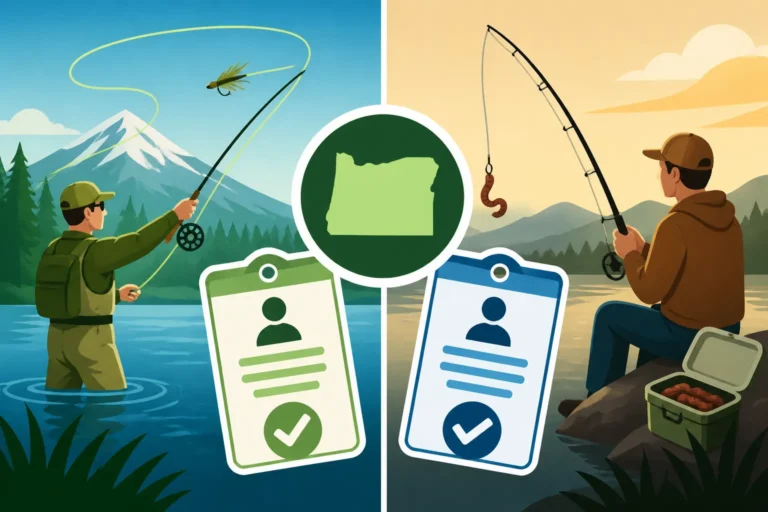
It’s easy to feel a little intimidated by the world of fishing, especially here in Oregon where the opportunities are abundant but the rules can sometimes feel a bit like a maze. For many folks, the thought of navigating license types, endorsements, and fluctuating costs can be a real barrier, stopping them before they even get a chance to cast a line. You might just want to try it out, dip your toes in the water (pun intended!), or introduce a loved one to the joy of angling without a big upfront commitment. That's precisely where Oregon's Free Fishing Days shine, offering a fantastic, no-cost gateway to experience the state's incredible fisheries. This guide will walk you through everything you need to know to make the most of these special days, from when they happen to what you need to bring.
Understanding Oregon's Free Fishing Days
Oregon's Free Fishing Days are a true gift to both aspiring and seasoned anglers. Imagine stepping up to your favorite river or serene lake, rod in hand, without having to worry if you remembered to renew your license or purchase the right tag. That’s the core appeal! These specific days, designated by the Oregon Department of Fish and Wildlife (ODFW), allow anyone – residents and non-residents alike – to fish, crab, or clam without needing an Oregon fishing license or a Columbia River Basin endorsement. It’s a brilliant initiative designed to encourage participation, introduce new people to the sport, and simply make it easier for families to enjoy the great outdoors.
The Philosophy Behind Free Fishing
At its heart, the concept of Free Fishing Days is all about accessibility and education. The ODFW, along with similar agencies across the country, understands that the initial hurdle of purchasing a license can deter potential anglers. They want to foster a love for fishing, conservation, and Oregon's natural resources. By removing the financial and administrative barrier of a license for a few select days each year, they create a welcoming environment for newcomers. This means kids who've only seen fishing in cartoons can try it for real, parents can bond with their children over a shared outdoor activity, and even experienced anglers who might have let their license lapse can reconnect with the sport without immediate cost. It’s an investment in the future of Oregon fishing.
Who Benefits Most from These Days
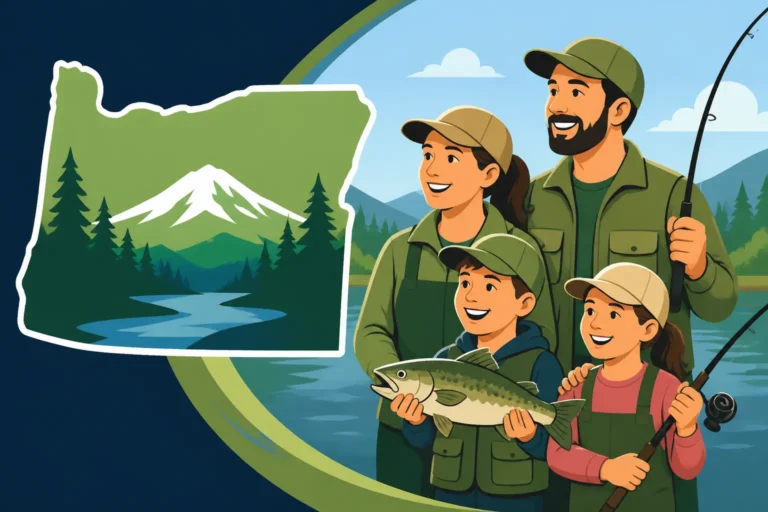
While everyone can enjoy Free Fishing Days, certain groups truly reap the biggest rewards. Families with young children, for example, find these days incredibly valuable. Kids under 12 already don't need a license in Oregon, but the Free Fishing Days extend this benefit to accompanying adults, making it easier for the whole family to participate together without a pile of separate fees. Imagine a parent taking their child to a local pond, teaching them how to cast, bait a hook, and the thrill of their first catch – all without the added expense of their own license. It’s also perfect for tourists or visitors who might only be in Oregon for a short vacation and want to try fishing without committing to a full non-resident annual license. Even curious locals who've always thought about fishing but never taken the plunge can use these days as a risk-free trial run to see if it's for them.
Clarifying What "Free" Actually Means
It's crucial to understand that "free" primarily refers to the angling license requirement. While you don't need a general fishing license, many other Oregon fishing regulations still apply. This is a common misunderstanding that can lead to unintentional violations. For instance, daily bag limits, size restrictions, gear restrictions (like whether you can use bait or if it's fly-fishing only), and closed seasons for specific species or areas remain in effect. You also still need to adhere to rules regarding shellfish harvest, such as having the correct measuring gauges for crabs and clams. Think of Free Fishing Days as getting a free pass through the main gate, but you still need to follow all the rules once you’re inside the park. We'll dive deeper into these specifics later, but always remember to consult the current ODFW Sport Fishing Regulations before heading out.
When Are Oregon's Free Fishing Days?
Planning is key to making the most of Oregon's Free Fishing Days, and that starts with knowing when they actually are! These aren't random dates; they're strategically placed throughout the year to coincide with good fishing opportunities and holidays, making it easier for people to get out and enjoy. While the exact dates can shift slightly from year to year, there's a predictable pattern that helps anglers prepare.
The Annual Calendar & Typical Dates
Generally, Oregon designates two main Free Fishing Weekends each year. The most anticipated one usually falls on the first full weekend in June. This timing is perfect because the weather is typically warming up, many popular fishing spots are easily accessible, and trout stocking is in full swing across the state's lakes and ponds. It's often paired with National Fishing and Boating Week, a nationwide celebration of aquatic recreation. The second popular period tends to be the Thanksgiving weekend, specifically the Friday and Saturday after Thanksgiving. This late-season opportunity caters to different types of fishing, perhaps targeting winter steelhead on coastal rivers or chasing trout in less crowded areas before the deep winter sets in.
Here’s a look at the typical schedule for Oregon Free Fishing Days:
| Event | Typical Dates | Primary Focus | Notes |
|---|---|---|---|
| First Free Fishing Weekend | First full weekend of June (Sat & Sun) | Trout, bass, panfish, some salmon/steelhead | Often coincides with National Fishing and Boating Week. Excellent for families and beginners. |
| Second Free Fishing Weekend | Friday & Saturday after Thanksgiving | Coastal steelhead, late-season trout, some salmon | Provides an opportunity for cooler weather fishing. Check specific regulations for winter runs. |
Please remember, these are general patterns. Always confirm the exact dates with the Oregon Department of Fish and Wildlife (ODFW) website as they can change annually.
How to Confirm Official Dates
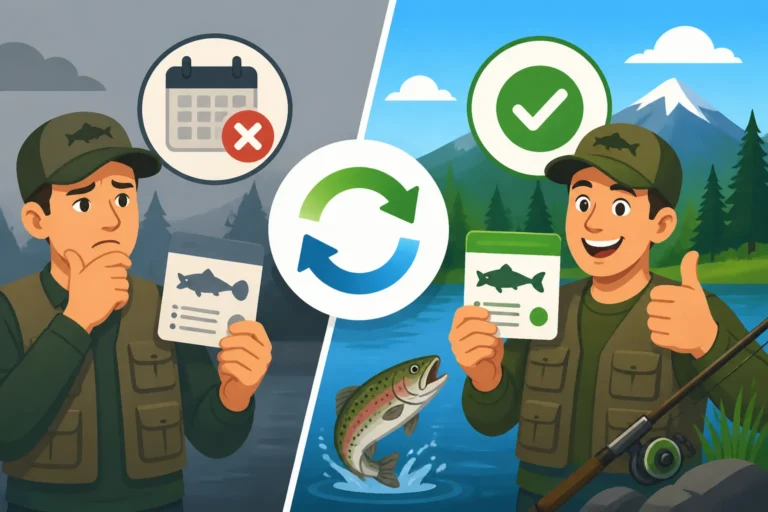
While the patterns are reliable, you absolutely, positively need to confirm the official dates each year. Relying on last year's dates or assumptions can lead to an unexpected encounter with a game warden. The most accurate and up-to-date source for Oregon's Free Fishing Days is the Oregon Department of Fish and Wildlife (ODFW) website. They usually announce the dates well in advance, often in late winter or early spring. You can typically find this information directly on their main fishing page, or by searching specifically for "Oregon Free Fishing Days" on their site. Many local tackle shops, sporting goods stores like those found through an Amazon search, and outdoor news outlets will also publicize these dates, but the ODFW is the definitive authority. It's a quick check that saves a lot of potential headaches!
Planning Ahead for Peak Enjoyment
Knowing the dates is just the first step; proper planning transforms a good outing into a great one. Since these days are popular, certain locations can get crowded. If you're planning on visiting a well-known stocked pond near a major city, try to arrive early in the morning to secure a good spot. Consider what species you'd like to target and research which bodies of water are typically well-stocked or have good natural populations around those dates. For the June weekend, many lower elevation lakes and ponds are prime. For the Thanksgiving weekend, coastal rivers for steelhead might be on your radar. Thinking about what gear you have, or what you might need, in advance (perhaps browsing for a budget-friendly starter kit on Amazon) will also ensure you're not scrambling at the last minute. This forethought allows you to relax and truly soak in the experience without added stress.
What You Can Fish For During Free Fishing Days
One of the fantastic aspects of Oregon's Free Fishing Days is the sheer variety of fishing opportunities available. From casting for feisty trout in a tranquil lake to trying your hand at crabbing on the coast, there’s something for everyone. However, it's essential to remember that while the license is waived, the rules for what you can catch and how you catch it generally remain in effect.
Targeted Species for Beginners
For those new to fishing, or families bringing kids, targeting readily available and often eager-to-bite species is usually the best bet. Rainbow trout are king in this regard. The ODFW actively stocks numerous ponds and lakes across the state, especially before the June Free Fishing Weekend, ensuring a high chance of success. These "stocked trout" are typically smaller but offer consistent action, which is perfect for keeping kids engaged. Ponds like Henry Hagg Lake near Forest Grove or Diamond Lake in Southern Oregon are popular choices. Panfish, such as bluegill, crappie, and yellow perch, are another excellent option, especially in warmwater lakes and reservoirs. They’re plentiful, relatively easy to catch, and often found in large schools, providing plenty of bites. Even smallmouth bass can be a blast for beginners, offering a stronger fight and often less complicated techniques. Focusing on these accessible species increases the likelihood of a memorable, positive first fishing experience. For more on specific techniques, check out our guide on how to catch trout in stocked Oregon lakes.
Statewide Regulations Still Apply
This point cannot be stressed enough: all other statewide regulations apply during Free Fishing Days. This includes, but isn't limited to:
- Bag Limits: The number of fish you can keep per day for each species. For example, the statewide daily bag limit for trout might be 5, regardless of whether it's a free day or not. These limits are in place to manage fish populations sustainably.
- Size Restrictions: Minimum or maximum lengths for keeping certain fish. You can't just keep every fish you catch; it must meet the legal size.
- Gear Restrictions: Certain waters might be fly-fishing only, or prohibit bait. Others might restrict the number of hooks or lines you can use. You'll need to know these specifics for your chosen fishing spot.
- Open/Closed Seasons: While many species are open during the Free Fishing Days, specific fisheries (like certain salmon runs or sturgeon retention) might have very precise open and closed dates that still need to be followed.
Always, always consult the current ODFW Sport Fishing Regulations for the specific zone and body of water you plan to visit. Ignorance of the rules is not an excuse for a violation. This document is usually available as a PDF download on the ODFW website or as a physical booklet at license vendors.
Special Rules for Sensitive Waters
Oregon is home to incredibly diverse and often sensitive aquatic ecosystems. Because of this, some specific waters have unique or more stringent regulations that you absolutely must be aware of, even on Free Fishing Days. For instance, many rivers known for wild steelhead or salmon runs may have special rules like "catch-and-release only" for certain species, or "barbless hook" requirements. A prime example is the Metolius River, which is entirely fly-fishing only with specific lure and bait restrictions year-round. Other areas might be closed entirely to fishing to protect spawning grounds or critical habitats. These rules are in place to conserve fragile populations and ecosystems. Always check for specific regulations for any stream, river, or lake you plan to visit, as they can often be found in the "Special Regulations" section of the ODFW fishing manual for that particular zone. Ignoring these can have serious consequences for both the fish and your wallet.
Where to Go on Free Fishing Days
Choosing the right fishing spot can make all the difference, especially when you’re trying to create a positive experience for beginners or family members on Free Fishing Days. Oregon boasts an incredible array of aquatic environments, from bustling coastal bays to serene mountain lakes, each offering unique opportunities. The key is to pick a spot that aligns with your skill level, desired catch, and tolerance for crowds.
Stocked Ponds and Lakes for Easy Access
For many families and new anglers, stocked ponds and lakes are the absolute best bet for Free Fishing Days. The ODFW works tirelessly to stock these locations with hatchery-reared rainbow trout, especially in anticipation of these popular weekends. The beauty of these spots is their accessibility – many are located near urban centers, have easy bank access, and sometimes even offer fishing piers or designated family fishing areas. Good examples include Henry Hagg Lake near Forest Grove, Canby Pond, Commonwealth Lake in Portland, and numerous ponds in the Willamette Valley. In Central Oregon, Prineville Reservoir or even some smaller community ponds often get stocked. The high density of fish means more bites, which translates to more excitement and less frustration for beginners. These locations are often well-maintained, sometimes with restrooms and picnic areas, making for a comfortable outing. Want to know where the fish are biting? Check out our guide on the Best Places to Fish in Oregon for more ideas.
Coastal Options for Family Fun
The Oregon Coast offers a completely different, yet equally exciting, dimension to Free Fishing Days, particularly if you're interested in crabbing or clamming. While you still don't need a license, you will need to be familiar with the regulations for harvesting shellfish, including minimum sizes, daily limits, and closures due to biotoxins. Popular bays like Tillamook Bay, Yaquina Bay (Newport), and Netarts Bay are renowned for Dungeness crab. Crabbing from docks or rented boats is a popular family activity. For clamming, look for accessible beaches during low tide, but always check for health advisories. If you're interested in angling on the coast, many docks and jetties offer opportunities for bottom fish like surfperch or greenling, which are relatively easy to catch with simple bait rigs. Some of the estuaries can also offer opportunities for various salmon or steelhead depending on the season, but these require more specialized knowledge of specific runs and regulations.
River Access Points with Simpler Rules
While many rivers have complex regulations, some sections offer simpler access and opportunities, particularly for trout and warmwater species like smallmouth bass. Larger rivers like the Willamette River (outside of specific salmon/steelhead runs with complex tag requirements) can offer bank access for panfish or bass in quieter back channels or sloughs. The John Day River is famous for its abundant smallmouth bass, which are often less regulated than salmon or steelhead, making it a fun, action-packed option. Smaller streams and tributaries, especially those in state or national forests, might hold native cutthroat trout, but often come with stricter gear or catch-and-release rules. Always scope out the specific river regulations carefully. Generally, for Free Fishing Days, sticking to sections of rivers known for general trout fishing or warmwater species where bait is allowed will be your easiest path to success. Before you head out, consult the Oregon Fishing Regulations Explained for details on rules for specific rivers and zones.
Essential Gear for Free Fishing Days
One of the great things about Free Fishing Days is that you don't need a boatload of expensive, specialized gear to get started. You can keep it simple and still have a blast. The goal is to provide a positive, easy experience, and the right basic equipment plays a huge part in that.
Basic Rod and Reel Setup
For beginners, a simple spin-casting rod and reel combo is ideal. These are often called "push-button" reels and are incredibly easy to use, minimizing frustrating tangles and making casting a breeze. A light to medium-light action rod, around 5 to 7 feet long, paired with a small reel spooled with 4 to 8-pound test monofilament line, will handle most trout, panfish, and small bass you’ll encounter. You can find these combos at almost any sporting goods store, and many affordable options are available on Amazon. A good starter kit will usually come with the rod, reel, and line already spooled, ready to go. You don't need anything fancy for your first few outings – reliability and ease of use are far more important than high-end features.
Bait and Lure Recommendations
When it comes to bait and lures for Free Fishing Days, think "easy and effective."
- Bait: For stocked trout and panfish, tried-and-true baits like PowerBait, worms (nightcrawlers), or corn are incredibly effective. You can rig them under a bobber or on the bottom with a small weight. These baits appeal to a wide range of species and are easy for beginners to handle.
- Lures: Small inline spinners (like Mepps or Rooster Tail) or small spoons can also be very productive for trout and some bass. These lures are cast out and reeled in slowly, creating flash and vibration that fish find irresistible. For smallmouth bass, small plastic grubs or even a simple jig head with a curly tail grub can work wonders. You can find a huge variety of these options, often in multi-packs, when you search for fishing tackle on Amazon, making it easy to stock up without breaking the bank. For a more in-depth look at what works best, check out our Oregon Bait and Lure Guide.
Comfort and Safety Essentials
Beyond your rod and reel, a few comfort and safety items are absolute must-haves for any fishing trip, especially with family.
- Sun Protection: Sunscreen, a wide-brimmed hat, and sunglasses are vital, even on cloudy days. Reflective surfaces like water can intensify UV rays.
- Water & Snacks: Staying hydrated and fueled is important, especially if you're out for a few hours.
- Appropriate Clothing: Dress in layers to adapt to changing Oregon weather. Waterproof outer layers are often a good idea.
- First-Aid Kit: Small cuts from hooks, scrapes from rocks, or minor insect bites can happen. A basic first-aid kit is always smart.
- Pliers/Forceps: Essential for removing hooks safely from fish and for cutting line. This protects both you and the fish.
- Cooler: If you plan on keeping fish within legal limits, a cooler with ice is necessary to preserve your catch.
- Net: A small landing net can help you safely bring in your fish, especially if you plan to release them.
Having these small but important items on hand ensures your Free Fishing Day outing is as comfortable and safe as possible, allowing you to focus on the fun.
Navigating Regulations on Free Fishing Days
While the absence of a license requirement on Free Fishing Days is fantastic, it doesn't mean it's a completely lawless free-for-all. Far from it! Understanding what regulations still apply is paramount to having a legal and enjoyable experience. Many anglers mistakenly believe all rules are suspended, which can lead to hefty fines and a spoiled day.
License Exemptions vs. Other Rules
The most important distinction to grasp is that Free Fishing Days waive the requirement for an Oregon fishing license and the Columbia River Basin Endorsement. That's it. Every other rule and regulation codified in the Oregon Sport Fishing Regulations booklet remains in full effect. This means:
- Daily Bag Limits: The number of fish you can legally keep in a 24-hour period.
- Possession Limits: The total number of fish you can have in your possession, which is typically one or two daily bag limits.
- Size Limits: Minimum and/or maximum lengths for certain species to be legally retained.
- Gear Restrictions: Rules about the type of hooks (barbless vs. barbed), number of rods, and bait usage (e.g., fly-fishing only waters).
- Closed Waters/Seasons: Areas or times of year where fishing for specific species (or all species) is prohibited.
- Species Identification: You are responsible for correctly identifying your catch to ensure it's legal to keep.
A common scenario: A family is fishing a stocked pond. The adults don't need a license, but if they catch more than the daily limit of trout (e.g., 5 fish), they are in violation. Or if they’re fishing a river that is catch-and-release only for wild steelhead, they cannot retain one, even without a license. Always refer to the most recent ODFW regulations. You can find comprehensive details in our Oregon Fishing Regulations Explained guide.
Understanding Bag Limits and Size Restrictions
Bag limits and size restrictions are critical components of fisheries management, designed to ensure sustainable populations. On Free Fishing Days, these rules are as important as ever. For example, if you're targeting rainbow trout in a general statewide regulation zone, the daily bag limit is typically five trout. If you catch six, you must release one immediately. For species like bass, there might be different limits, and some invasive species like pikeminnow might even have no limit, encouraging harvest. Size limits are often in place to protect juvenile fish or allow larger, reproductively mature fish to spawn. For instance, a common trout size restriction might be "no more than one trout over 20 inches." If you catch a big one, you might need to release it if you've already kept your one large fish. These rules can be confusing, so it’s wise to study the specific regulations for your chosen body of water carefully before you even leave home. This preparation prevents accidental infractions and ensures you're fishing responsibly. You can review common daily limits in our Oregon Daily Bag Limits Explained article.
Special Tags and Endorsements
This is where it can get a little tricky, and it’s a source of frequent confusion. While Free Fishing Days waive the angling license requirement, they do not necessarily waive the need for certain special tags or endorsements for specific species. The good news is that for the most common targets on Free Fishing Days (like stocked trout or panfish), these extra tags usually aren't required.
However, if you happen to hook into certain species, the rules can change:
- Combined Angling Tag: This tag is typically required to keep salmon, steelhead, sturgeon, and halibut. On Free Fishing Days, the license is waived, but the requirement for a physical combined angling tag to retain these species is usually not waived. This means if you catch a legal salmon on a Free Fishing Day and want to keep it, you still need to possess a valid Combined Angling Tag.
- Catch Record Cards: Similarly, for species like salmon, steelhead, sturgeon, and halibut, you are usually required to record your catch on a Catch Record Card, even on Free Fishing Days. Without a license, you likely won't have a Catch Record Card, making retention of these species problematic.
The simplest approach for Free Fishing Days, especially for beginners, is to focus on species that don't require these additional tags, like trout, bass, or panfish. If you do accidentally catch a salmon or steelhead, be prepared to release it unharmed, unless you have specifically acquired the necessary tags beforehand (which would imply you already have a license). For full details on these, refer to the Oregon Combined Angling Tag Guide and Oregon Catch Record Card Requirements. It’s always best to err on the side of caution and assume that if a fish requires a special tag, you should either release it or ensure you have that tag.
Tips for a Successful Free Fishing Day Experience
A successful fishing trip isn't just about catching fish; it's about the experience, the memories, and the joy of being outdoors. On Oregon's Free Fishing Days, with the license barrier removed, you can focus even more on making it a truly rewarding day for everyone involved.
Choosing the Right Location and Time
Selecting your destination is paramount. For a high-probability catch, especially with kids, focus on those regularly stocked ODFW ponds and lakes mentioned earlier. These are often highlighted on the ODFW website in the weeks leading up to Free Fishing Days, along with their stocking schedules. If you're after a more serene experience, consider slightly less-known small lakes or easy-access sections of larger rivers.
The time of day also matters. Early mornings or late evenings are often the most productive fishing times, as fish are typically more active when the sun isn't directly overhead and water temperatures are cooler. However, if you have very young children, mid-morning to early afternoon might be more practical for their energy levels, even if the fishing is a bit slower. Be prepared for crowds at popular spots, especially on the June Free Fishing Weekend. Arriving early can help you secure a good fishing spot along the bank or pier.
Involving the Whole Family
Free Fishing Days are tailor-made for family outings. Make it an adventure!
- Delegate Tasks: Let kids help pack the snacks, choose a fishing spot on a map, or even pick out a new bobber. Giving them ownership fosters excitement.
- Keep it Short (Initially): For young children, an hour or two of active fishing might be plenty. Don't push them to stay longer than they're enjoying themselves. You can always plan for other activities like a picnic or playing nearby if their attention wanes.
- Celebrate Small Victories: Every bite, every tug, every tiny fish caught (and gently released) is a win. The size of the fish doesn't matter as much as the fun of the experience.
- Patience is a Virtue: Teach patience by example. Fishing isn't always about constant action; sometimes it's about enjoying the quiet moments and the beauty of nature. If fishing isn't happening, talk about the birds, the water, or the trees.
- Safety First: Reiterate water safety, hook safety, and sun protection. Having a safe trip is the most important part. Remember, kids under 12 already don't need a license, making it easy to introduce them year-round, but Free Fishing Days extend that freedom to adults. Learn more about Oregon Fishing Rules for Kids and Seniors.
Practicing Catch and Release and Ethical Angling
Even on Free Fishing Days, responsible angling practices are crucial. If you're not planning to keep fish (or if regulations require it), learn how to properly catch and release.
- Handle Fish Gently: Wet your hands before touching a fish to protect its protective slime coat.
- Minimize Air Exposure: Keep the fish in the water as much as possible, especially during hook removal and photography.
- Use Barbless Hooks: These make hook removal much easier and cause less damage to the fish. Many anglers crimp the barb on their hooks with pliers.
- Quick Release: Remove the hook as quickly and carefully as possible. If a fish is deeply hooked, sometimes it's better to cut the line close to the hook than to try and dig it out, which can cause more trauma.
- Leave No Trace: Pack out everything you pack in, including any discarded fishing line, bait containers, or food wrappers. Respect the environment and other anglers. This includes being mindful of noise levels and giving others ample space.
By following these tips, you not only increase your chances of having a memorable day but also contribute to the health of Oregon’s fisheries and the enjoyment of all who use them.
Beyond Free Fishing Days
Hopefully, your experience on Oregon's Free Fishing Days will spark a lifelong passion for angling! But what happens once those special days are over? The good news is that continuing your fishing journey in Oregon is straightforward and incredibly rewarding.
Considering an Annual License
If you've had a blast on Free Fishing Days and want to keep fishing throughout the year, the next logical step is to purchase an annual Oregon fishing license. For Oregon residents, an annual angling license is quite affordable, especially when considering the year-round access it grants to the state's incredible fishing opportunities. Non-residents also have options, including annual or multi-day licenses like an Oregon 1-Day Fishing License or Oregon Multi-Day Fishing License Options, which can be perfect for extended visits. Purchasing a license is not just a legal requirement; it's an investment in conservation. The funds generated from license sales directly support the ODFW's efforts in fish stocking, habitat restoration, research, and enforcement, ensuring that future generations can also enjoy the same fantastic fishing experiences. You can find detailed information on costs and types in our Oregon Fishing License Costs guide.
Exploring Other Fishing Opportunities
Once you have your license, a whole new world of angling opens up. You can start exploring different species and techniques that might not have been practical during the Free Fishing Days.
- Salmon and Steelhead: Oregon is world-renowned for its anadromous fisheries. With the proper license and a Combined Angling Tag, you can pursue Chinook and Coho salmon, or the elusive winter and summer steelhead. This often involves more specialized gear and techniques, but the rewards are immense.
- Saltwater Fishing: Beyond the bay crabbing and clamming, an Ocean Endorsement allows you to head offshore for halibut, lingcod, rockfish, and even albacore tuna. Charters out of coastal towns like Newport or Astoria are a popular way to experience this.
- Fly Fishing: Many of Oregon's pristine rivers, like the Deschutes or Metolius, offer world-class fly fishing opportunities for various trout species. This can be a highly immersive and rewarding aspect of the sport.
- Warmwater Species: Don't forget the excellent bass, crappie, and perch fishing in many of Oregon's lakes and reservoirs, providing action throughout much of the year.
Each of these options brings new challenges and learning experiences, keeping your angling journey exciting and fresh. You can also explore our Oregon Fishing License Types Explained to understand what you might need.
Becoming a Responsible Angler
Beyond just following the rules, becoming a truly responsible angler means embracing the spirit of conservation and ethical practice.
- Stay Informed: Regularly check the ODFW website for emergency closures, regulation updates, and fish consumption advisories. Regulations can change quickly, especially for sensitive fisheries or during unusual weather events.
- Respect Private Property: Always know whether you are on public or private land and respect "no trespassing" signs.
- Cleanliness: Continue the "Leave No Trace" philosophy. Pack out all trash, including discarded fishing line which can be deadly to wildlife.
- Report Violations: If you witness illegal fishing activity, report it to the Oregon State Police (OSP) Fish and Wildlife Division. Their Turn In Poachers (TIP) line is vital for protecting Oregon's resources.
- Educate Others: Share your knowledge and passion for responsible angling with new anglers, helping to instill the same values in them.
- Support Conservation: Consider joining local conservation groups or volunteering for river cleanups and habitat restoration projects.
By embracing these principles, you contribute to a thriving fishing future for Oregon, ensuring that the opportunities you enjoyed on Free Fishing Days remain available for generations to come. For specific details on where and how to get your annual license, refer to our Where to Buy an Oregon Fishing License guide.
Disclaimer
Please note that fishing regulations in Oregon can change frequently. While this guide provides general information, it is essential to consult the most current Oregon Department of Fish and Wildlife (ODFW) Sport Fishing Regulations or visit the official ODFW website before planning any fishing trip to ensure compliance with all applicable rules and seasons. The author and publisher are not responsible for any violations or consequences resulting from reliance on this information.