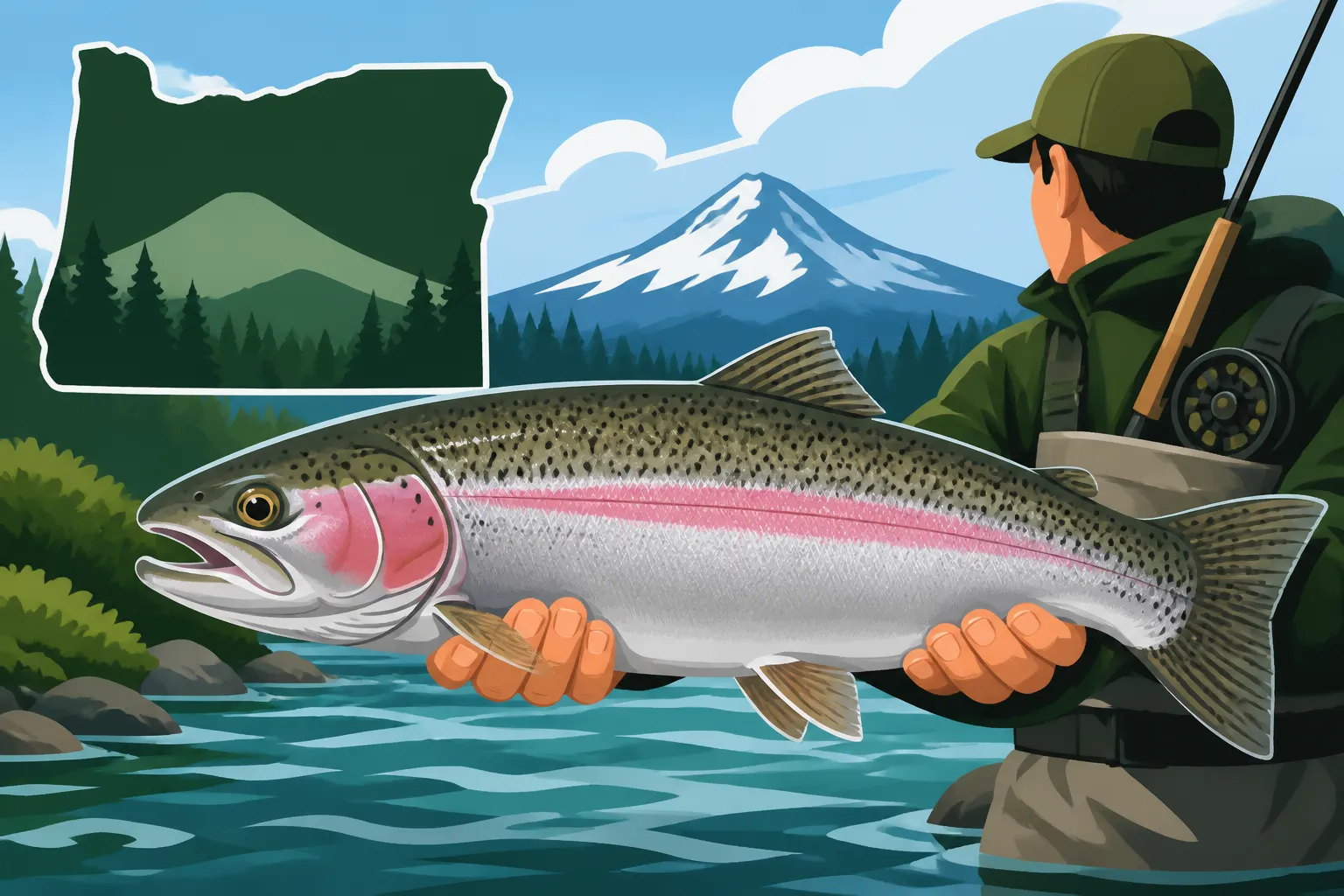
How big do steelhead get in Oregon
There's a special kind of thrill that comes with chasing steelhead in Oregon, isn't there? You hear the whispers of legendary catches, see photos of anglers holding fish that look like they could eat a small dog, and can't help but wonder: just how big do these incredible fish really get here in our state? It’s a question that sparks both hope and a bit of realistic curiosity for every angler. This guide is dedicated to pulling back the curtain on the true size potential of Oregon steelhead, from the average chrome bright beauties to the elusive, finned giants that haunt our dreams.
Unpacking the Identity of an Oregon Steelhead
Before we delve into tape measures and scales, let's make sure we're all on the same page about what an Oregon steelhead actually is. This isn't just a fancy name for a rainbow trout; it's a way of life, literally. Steelhead are anadromous rainbow trout, meaning they are born in freshwater rivers, migrate to the ocean to grow large and strong, and then return to their natal rivers to spawn. This incredible journey is what gives them their distinctive silver (steel-like) appearance and their impressive size compared to their resident rainbow trout cousins.
Oregon boasts both winter and summer steelhead runs, each with its own characteristics and typical size profiles. Winter steelhead usually return to rivers from late fall through spring, often in higher flows and colder temperatures. These fish tend to be mature and ready to spawn shortly after entering freshwater. Summer steelhead, on the other hand, enter rivers during the warmer months, holding in deep pools for months before spawning the following spring. Their prolonged stay in freshwater means they can be more accessible to anglers, but also that they've been off their ocean feed for a longer period. Understanding these life cycles is key to appreciating their potential size. Many anglers will tell you that the sheer power of a fresh-from-the-ocean winter steelhead is unparalleled, often reflecting their larger average size. You can learn more about these different runs in our Oregon Steelhead Guide.
It's also crucial to remember the distinction between wild and hatchery steelhead. Most hatchery fish are adipose fin-clipped as juveniles, making them identifiable. Wild steelhead, which are often larger and exhibit more vibrant coloration, are typically protected by catch-and-release regulations in many river systems to help conserve their populations. This distinction is vital not only for conservation but also because wild genetics play a huge role in the potential for truly massive fish. Always consult the Oregon Fishing Regulations Explained before heading out.
The Growth Story: Factors Influencing Steelhead Size
So, what makes some steelhead grow into veritable torpedoes while others remain respectable but less behemoth? It’s a complex interplay of genetics, environment, and sheer luck of the draw. It’s not just about how long they spend in the ocean, but what they experience during that time.
Ocean Conditions and Forage Availability
Think of the ocean as a giant buffet. When ocean conditions are favorable—meaning abundant food sources like krill, herring, and other baitfish, along with moderate water temperatures—steelhead have the opportunity to pack on serious pounds. Conversely, lean ocean years, perhaps due to shifting currents or predator populations, can lead to smaller average sizes. A steelhead's time at sea, typically one to four years, is its primary growth phase. The longer they spend gorging themselves in the Pacific, the larger they generally become. It's truly a testament to the richness of the Pacific Ocean that these fish can transform from fingerlings into powerful specimens. A truly successful ocean foraging period means a fatter, stronger fish returning to our rivers.
Beyond the sheer amount of food, the type of forage matters. Nutrient-dense prey allows for faster, more robust growth. Warmer ocean temperatures, while sometimes sounding good, can also affect plankton blooms and the food chain, impacting the overall health and growth rates of these ocean-going trout. It's a delicate balance that often dictates the general size of a given year's return.
Genetics and River System Specifics
Just like humans, steelhead have genetic predispositions that can influence their maximum size. Some strains of steelhead, endemic to certain river systems, naturally grow larger than others. For example, the legendary steelhead of the Columbia River Basin or the larger coastal rivers like the Rogue and Umpqua are often renowned for their greater average size compared to those from smaller, more constrained systems. This isn't a hard and fast rule, but it's a trend many seasoned anglers observe. The genetic lineage passed down through generations can pre-dispose certain fish to reach truly impressive proportions.
Each river system also offers unique conditions. Rivers with extensive estuaries and easy access to ocean food can sometimes see larger fish return. The length and gradient of a river, the quality of its spawning grounds, and its tributary networks all contribute to the overall health and productivity of its steelhead populations. A robust, healthy river system supports robust, healthy fish. This is why you often hear specific rivers mentioned when anglers talk about trophy fish – they simply have a reputation for producing bigger specimens. The Deschutes River, for instance, is famous for its powerful summer steelhead, as detailed in our Deschutes River Fishing Guide.
The Numbers Game: Average Sizes vs. Trophy Potential
Let's get down to the brass tacks: what kind of numbers are we talking about when it comes to Oregon steelhead? It's important to differentiate between what you'll typically encounter and what constitutes a true fish of a lifetime.
What's an "Average" Steelhead in Oregon?
For most Oregon rivers, an average steelhead, whether summer or winter run, will generally fall into the 24- to 32-inch range. In terms of weight, this often translates to 6 to 12 pounds. These are still incredibly powerful fish that provide an exhilarating fight, especially on lighter gear. A 10-pound steelhead on a fly rod in a wild Oregon river is an experience etched into memory.
Think about fishing the Clackamas or Sandy rivers during the winter run. You'll likely encounter a good number of fish in that 26- to 30-inch range, maybe weighing 7 or 8 pounds. These are healthy, vibrant fish, fresh from the ocean, and they'll give you all the battle you can handle. Similarly, a summer steelhead on the Deschutes might be a bit shorter, say 24-28 inches, and weigh 5-8 pounds, but their acrobatic jumps and strong runs in clear water are unforgettable. The size can also vary slightly depending on the specific run timing; earlier fish can sometimes be a bit larger as they've had more time to feed in the ocean.
Defining a "Trophy" Steelhead
Now, for the really exciting part: what constitutes a trophy steelhead in Oregon? While definitions can vary slightly from angler to angler, a steelhead exceeding 15 pounds is widely considered a trophy, and anything over 20 pounds is truly exceptional and rare. In terms of length, a fish pushing 36 inches or more is entering trophy territory. These are the fish that dominate conversation, inspire long road trips, and often lead to countless hours of dedicated pursuit.
Landing a steelhead in the 15-20+ pound class usually means that fish spent an extra year or two in the ocean, or it simply had an exceptionally productive feeding period. These are the "hawgs" and "chromers" that anglers dream of, fish that can empty a fly reel in seconds or spool a baitcaster before you even know what hit you. They are often broader across the back, with deeper shoulders, indicating their incredible strength and endurance.
Many anglers specifically target these larger fish, using heavier gear and fishing techniques designed to handle such powerful adversaries. Getting one to the net safely for a quick photo and release (especially if it's a wild fish) is a badge of honor.
Here's a general idea of what to expect across different Oregon steelhead populations:
| Steelhead Type | Typical Length Range (Inches) | Typical Weight Range (Pounds) | Trophy Potential (Pounds) | Key Characteristics |
|---|---|---|---|---|
| Coastal Winter Run | 26-32 | 6-12 | 15-20+ | Powerful, broad-shouldered, fresh from the ocean |
| Columbia Basin Winter | 28-34 | 8-15 | 20-25+ | Often larger, longer ocean stays, immense strength |
| Coastal Summer Run | 20-28 | 4-8 | 10-15+ | Smaller on average, acrobatic, long freshwater stay |
| Deschutes Summer Run | 24-30 | 6-10 | 12-18+ | Strong fighters, known for their beauty and vigor |
Remember, these are just averages and potentials. Every fish is unique, and sometimes a smaller fish can fight with the heart of a giant! If you're planning a trip to the coast, check out our Coastal Rivers for Winter Steelhead in Oregon guide for more specific information.
The Hunt for Giants: Oregon's Record Steelhead and Legendary Catches
Oregon has a rich history of incredible steelhead catches, and the stories of these giants continue to inspire. While current state records are always exciting, it's the consistent possibility of hooking into a truly massive fish that keeps us coming back to the water year after year.
The Oregon State Record
The official state record for a steelhead in Oregon is a true leviathan that tipped the scales at a staggering 27 pounds, 4 ounces, caught in the Umpqua River. Imagine the fight! This particular fish, a winter steelhead, represents the absolute pinnacle of what Oregon's rivers can produce. It's a testament to healthy ocean conditions, strong genetics, and a bit of angler's luck. While records like this are incredibly rare, they serve as a benchmark for the ultimate potential lurking in our waters. For more on the biggest catches, explore our Oregon Record Fish Guide.
This record wasn't just a fluke. The Umpqua River has a long-standing reputation for producing larger-than-average winter steelhead, due to its size, abundant forage, and relatively unimpeded access to the ocean. Rivers like the Rogue, Nehalem, and some of the larger Columbia tributaries also regularly kick out fish in the high teens and even occasionally into the 20-pound class.
Legendary Catches and Personal Bests
Beyond the official records, there are countless tales of legendary steelhead that never made it to the scales or were quickly released after a photo. Many anglers will recount battles with fish they estimated to be well over 20 pounds, fish that burned out drags, straightened hooks, or simply broke off in a tangle of roots and currents. These are the fish that fuel the passion, the "one that got away" stories that become campfire legends.
The pursuit of these larger steelhead often involves specific strategies. Anglers targeting giants might use larger baits or lures, fish in less pressured areas, or spend more time during specific run timings known for bigger fish. It requires patience, skill, and sometimes, a bit of heavier gear. For instance, you might find heavy-duty rods and reels perfect for handling a monster steelhead on Amazon, ensuring you have the stopping power for a fish of that magnitude.
For those dreaming of their personal best, remember that every cast holds the potential for that one extraordinary fish. Even if you don't break a record, the experience of battling a powerful Oregon steelhead, no matter its size, is a reward in itself. And when you do finally land that fish that pushes past the double-digit mark or stretches beyond 30 inches, you'll know you've joined a special club. Remember to handle all fish, especially large ones, with care to ensure their survival after release. A good set of fish grippers and a net, often found on Amazon, can make the process safer for both you and the fish. If you're fishing for salmon or steelhead, always remember to check Oregon Salmon and Steelhead Tag Requirements.
Disclaimer
This article is for general informational purposes only and does not constitute professional advice. Laws, prices and regulations vary by location and change over time. Consult a qualified professional for guidance on your specific situation.