How river flow affects steelhead fishing
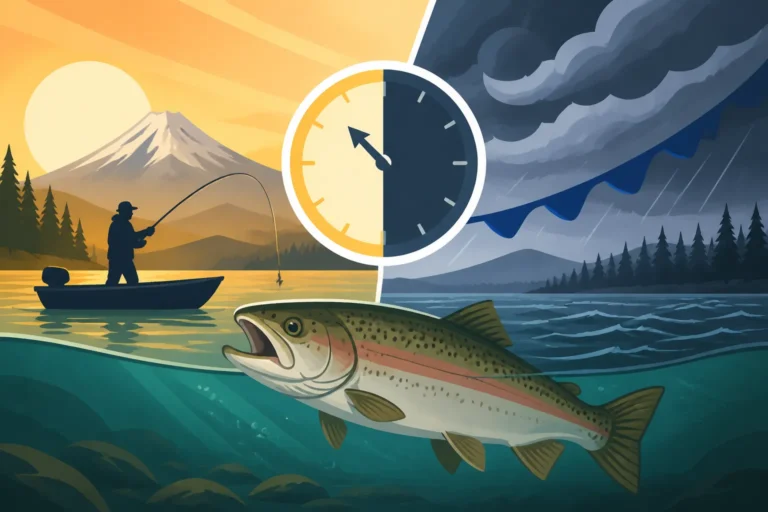
There's nothing quite like the anticipation of a steelhead trip, right? You've got your gear ready, your coffee brewed, and your hopes high, only to pull up to the river and find it either a raging torrent or a trickling creek. It's a frustrating reality for many anglers: inconsistent river conditions can make or break a day on the water. This guide is all about demystifying how river flow affects steelhead fishing here in Oregon, offering practical insights and strategies to help you navigate those ever-changing conditions and increase your chances of success.
Understanding River Flow Basics for Steelhead
When we talk about "river flow" in the context of steelhead fishing, we're really digging into the heartbeat of the river itself. It's not just about how much water is in the channel, but how fast it's moving, how clear it is, and what that means for the fish you're trying to catch. Steelhead are incredibly sensitive to these changes, and understanding the basics is your first step to becoming a more adaptable and successful angler.
The Dynamics of River Flow: What "CFS" Really Means
You'll often hear anglers and guides talk about "CFS," which stands for cubic feet per second. This isn't just a technical term; it's the primary measurement for how much water is flowing past a given point in the river each second. Think of it like this: a higher CFS means more water is moving, creating stronger currents, potentially higher water levels, and often, more turbidity (murky water). Conversely, a lower CFS means less water, slower currents, and typically clearer water. For a steelhead, a change in CFS can mean the difference between feeling safe and exposed, or finding an easy meal versus struggling against a powerful current. It directly impacts where they choose to hold, how actively they feed, and even how they travel upstream during their migrations.
How Precipitation and Snowmelt Impact Flow
Oregon's rivers are incredibly dynamic, and their flows are largely dictated by natural forces, primarily precipitation and snowmelt. Heavy rains, especially the intense downpours we see during winter storms, can cause river levels to surge dramatically in a matter of hours. This rapid increase often brings with it a flush of sediment, turning the water a muddy brown – a condition steelhead generally avoid. Then there's snowmelt, which typically contributes to more sustained, gradual increases in flow, particularly in rivers fed by the Cascades or Coast Range. Spring snowmelt can be fantastic for pushing fresh steelhead into systems and opening up new holding lies. However, an unusually warm spell can lead to a sudden snowmelt event, mimicking a rain-induced spike and causing similar challenges. Knowing the local weather patterns, both current and recent, is paramount to predicting river conditions.
Reading River Gauges and Online Resources
One of the best tools an Oregon angler can have in their arsenal is the ability to read river gauges. Organizations like the USGS (U.S. Geological Survey) maintain a network of real-time gauges that provide instantaneous data on river flow (CFS) and water height. There are also private sites and apps that compile this data, often with added features like water temperature and historical averages. Checking these resources before you even leave the house is non-negotiable for serious steelhead anglers. For example, if you're planning a trip to a coastal river known for its winter steelhead run, looking at the gauge for the Wilson River or Nestucca River will give you a clear picture of what to expect. You'll quickly learn what "good" CFS numbers look like for your favorite stretches of river. Some of these sites even offer historical data, allowing you to see how current conditions compare to past successful outings.
Ideal River Flow Conditions for Steelhead Fishing
So, what exactly constitutes "ideal" river flow for steelhead? It's not a one-size-fits-all answer, as different rivers and even different seasons can have varying sweet spots. However, generally speaking, steelhead thrive in stable, moderate flows that offer a balance of cover, oxygen, and accessible travel corridors. When the conditions are just right, these elusive fish are more apt to move, feed, and hold in predictable locations, making them more vulnerable to an angler's offerings.
Low Water Woes: Challenges and Strategies
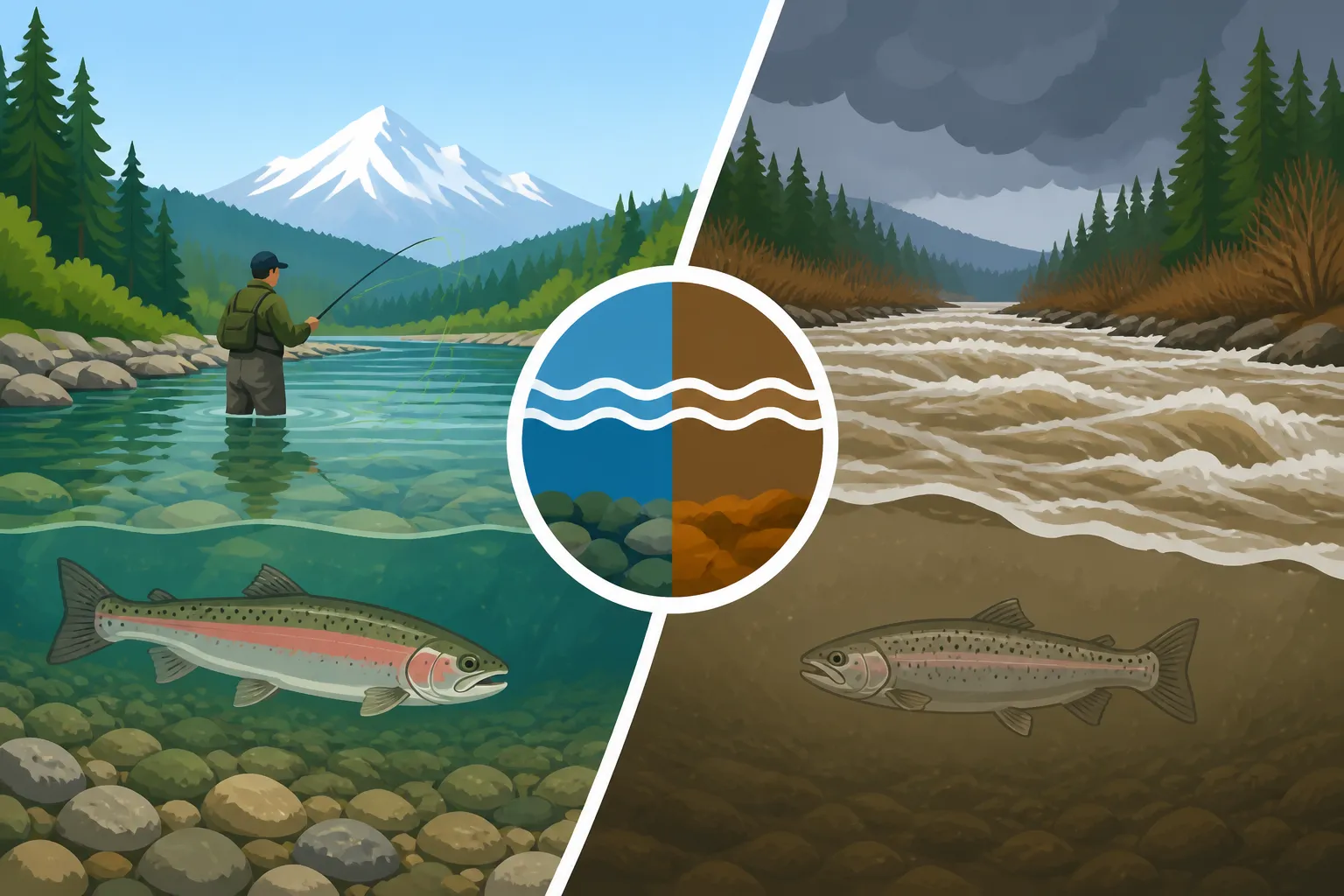
Low water can be a real headache for steelhead anglers. When river flows drop significantly, several challenges emerge. Firstly, the water often becomes crystal clear, making steelhead incredibly spooky. They can see you, and your line, long before you even cast. Secondly, prime holding lies — the deep pockets and riffle edges — become shallower, forcing fish into smaller, more confined areas, or pushing them to seek refuge in larger, deeper pools. Travel upstream becomes difficult, and many fish will simply "hold over" in deeper sections until flows improve.
To combat low water, stealth is your best friend. Approach the river quietly, keep a low profile, and avoid casting shadows over the water. Downsize your presentation: use lighter leaders, smaller baits or flies, and reduce the amount of weight on your line. Think natural colors and subtle movements. Fishing during low light conditions, like dawn or dusk, can also give you an advantage. Consider targeting areas where there's still some current and deeper water, even if it's minimal, as fish will still seek out oxygenated holding spots. Sometimes, exploring a less-pressured tributary in low water can yield surprising results. For deep pockets, sometimes a small, heavy jig can be deadly, allowing you to get down quickly with minimal disturbance.
High Water Havoc: Safety and Finding Fish
On the flip side, high water can be equally, if not more, challenging – and dangerous. Swollen rivers with powerful currents and poor visibility are not just tough to fish; they pose significant safety risks. Rapidly moving water can sweep you off your feet, and submerged hazards become invisible. Always prioritize safety: wear a wading belt, carry a wading staff, and never wade alone or beyond your comfort level. You might even consider whether you need to print your Oregon fishing license, or if you can use your phone as proof, so it doesn't get ruined by an unexpected swim.
Even when it's high and muddy, there are still ways to find steelhead. They tend to seek out softer water, moving out of the main current into eddies, seams, and back channels where they can conserve energy. Look for areas where the main current is broken by large rocks, downed trees, or bends in the river. Fish often hold close to the bank, behind obstructions, or in the slowest water on the inside of a bend. Focus your efforts on these "soft water" pockets. During these conditions, fish often sit tight to the bottom, so presenting your offering directly to them is key. Heavier weights might be needed to get your bait or lure down, and often, brighter, more visible presentations can cut through the murky water better.
The Sweet Spot: Optimal Flows and What They Mean
The "sweet spot" for river flow is where the river is at a moderate level, with good clarity and a healthy, but not overwhelming, current. This usually means the water has enough volume to allow steelhead to move freely and comfortably throughout the system, without being so high that they're pinned to the bank, or so low that they're exposed and vulnerable. In these conditions, you'll often find fish spread out, holding in a wider variety of locations, from the tails of pools to the seams of riffles.
Optimal flows are when steelhead are most active and aggressive. The water has enough color to provide them a sense of security, but not so much that they can't see your presentation. Oxygen levels are usually ideal, and the current helps distribute food. For many coastal rivers, this might be after a rain event has subsided and the river is "dropping and clearing" – often within 24-48 hours after the main storm has passed. These are the days anglers dream of, when you can use a variety of techniques and find fish in many different types of water. Understanding Oregon Fishing Seasons Explained can help you align your trips with when these optimal conditions are more likely to occur for specific runs.
Adapting Your Techniques to Different River Flows
Once you understand how river flow influences steelhead, the next crucial step is learning to adapt your fishing techniques. What works in low, clear water will likely fail in high, turbid conditions, and vice-versa. Being flexible and willing to change your approach is a hallmark of a successful steelhead angler. This isn't just about switching flies; it's about a holistic adjustment of your gear, bait, and presentation.
Gear Adjustments for Varying Flows
Your rod, reel, and line setup might remain consistent, but crucial adjustments often come down to the smaller, but mighty, components of your terminal tackle.
- Weight: This is perhaps the most critical adjustment. In high, fast water, you'll need significantly more weight to get your presentation down to the fish. Steelhead will often hug the bottom in strong currents, and if your bait is simply washing over their heads, you won't get a bite. Carrying an assortment of lead weights, slinky weights, or split shot in various sizes is essential. Conversely, in low, clear water, you want to minimize weight to achieve a natural drift. Too much weight will spook fish and snag up.
- Leader Material and Strength: In low, clear conditions, switching to a lighter fluorocarbon leader (e.g., 8-10 lb test) can make a huge difference, as it's less visible underwater. Fluorocarbon also sinks faster than monofilament, which can be an advantage. In higher, murkier water, you can often get away with heavier line (e.g., 12-15 lb test) because visibility is reduced, and the added strength can help land larger fish in powerful currents. You might find a good selection of various leader materials on Amazon to stock up for different conditions.
- Hooks: While not always flow-dependent, consider hook size. Smaller hooks might be necessary for smaller presentations in low water, while robust, sharp hooks are always a must for powerful steelhead.
Lure and Bait Choices for Different Conditions
The water's color and speed heavily influence what baits and lures steelhead will react to.
- High, Turbid Water: When the river is high and dirty, visibility is low. This means you need presentations that either create a strong vibration or offer a highly visible silhouette or color.
- Scented Baits: Cured roe, sand shrimp, or even artificial baits infused with strong scents can be incredibly effective, as steelhead will rely more on their sense of smell.
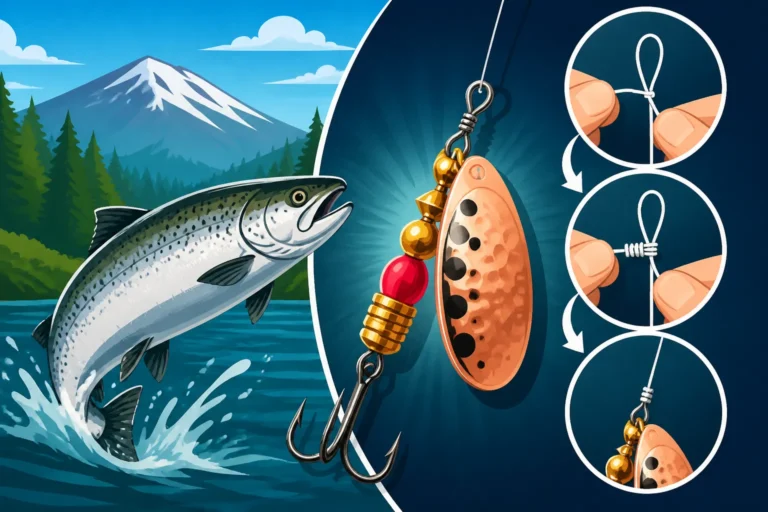
- Bright Lures: Vibrant colors like chartreuse, hot pink, or "fire tiger" patterns on plugs, spinners, or jigs can be seen more easily in off-color water. Lures with rattles or thumping actions can also attract attention.
- Large Profile: Sometimes a slightly larger profile lure or bait can be more easily detected by fish in murky conditions.
- Low, Clear Water: In clear water, subtlety is key. You want presentations that look natural and don't spook the fish.
- Natural Baits: Small pieces of natural roe, worms, or small clusters of eggs can be very effective.
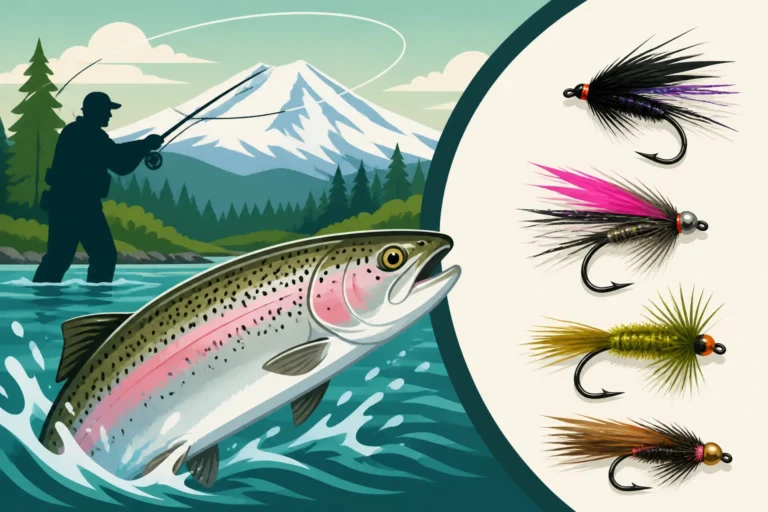
- Subtle Lures/Flies: Smaller, more natural-colored jigs, small spinners (silver or brass), or realistic fly patterns (nymphs, leeches) are often preferred. Flash and vibration should be toned down. Many anglers find specific patterns on Amazon that mimic local forage.
- Stealthy Presentation: Focus on smaller profiles and less intrusive offerings.
- Optimal Flows (Moderate Clarity): This is where you have the most versatility. You can often experiment with a wider range of colors and sizes. Spinners, spoons, jigs, and various forms of bait all have their place. This is often the time when you might find success with a variety of Oregon Steelhead Fishing Techniques.
Casting and Presentation Strategies
How you get your bait or lure to the fish is just as important as what you're using. River flow dictates the best approach.
- High Water, Strong Current: In fast water, you'll need to cast upstream and across the current, allowing your presentation ample time to sink and drift naturally into the holding lies. Mending your line (flipping the upstream belly of your line) is critical to reduce drag and maintain a natural drift. Often, you're trying to achieve a short, controlled drift in a specific soft water seam. Knowing how to find holding water for steelhead becomes even more critical in these conditions.
- Low Water, Slow Current: With less current, your casting can be more precise, often targeting specific pockets or structure. You'll need less weight and can often fish more directly downstream or across. Longer, drag-free drifts are paramount in clear, slow water, especially for wary fish. Focus on quiet entry and minimal disturbance.
- Drift Fishing and Float Fishing: These are two of the most common and effective techniques for steelhead in varying flows.
- Drift Fishing: This involves casting upstream and allowing your weight and bait to tumble along the bottom at the speed of the current. It's highly effective for covering water and presenting your bait naturally. You can learn a lot by researching How to Drift Fish for Steelhead. You'll adjust your weight based on flow to ensure your bait is ticking the bottom without snagging excessively.
- Float Fishing (Bobber and Jig): This method keeps your bait suspended at a specific depth beneath a float. It's excellent for fishing in technical water, over submerged snags, or when you need to keep your bait just off the bottom. In heavier flows, larger, more buoyant floats are needed to handle the current without submerging. In lighter flows, smaller, more sensitive floats are ideal.
- Swinging Flies: Fly anglers often "swing" flies for steelhead. The pace and depth of the swing are directly affected by river flow. In higher flows, heavier sink tips and larger, more aggressive flies might be needed to get the fly into the strike zone and provide the right action. In lower flows, lighter sink tips and smaller, more delicate flies are often more effective, allowing for a slower, more deliberate swing.
| River Flow Condition | Key Gear Adjustment | Preferred Lures/Baits | Casting/Presentation Strategy | Safety/Ethics Tip |
|---|---|---|---|---|
| Low & Clear | Lighter leader, minimal weight, smaller hooks | Natural baits (roe, worms), small jigs/spinners, subtle flies | Stealthy approach, precise casts, long drag-free drifts | Minimize disturbance, practice catch-and-release carefully |
| Optimal (Moderate) | Varied leader, moderate weight, all-purpose hooks | Wide range: plugs, spinners, jigs, roe, flies | Cover water, focus on seams and riffles, adjust to fish activity | Be aware of other anglers, share the water |
| High & Muddy | Heavier weight, stronger leader, larger hooks | Scented baits, bright/vibrating plugs/spinners, large jigs | Target soft water/eddies, cast upstream, mend line heavily | Prioritize safety, never wade beyond comfort, wear PFD |
Safety and Ethical Considerations in Changing Flows
Steelhead fishing, especially in Oregon's often rugged river environments, always comes with a responsibility to prioritize safety and practice ethical angling. These responsibilities become even more pronounced when river flows are fluctuating, whether they're exceptionally high or unusually low. Overlooking these aspects isn't just a risk to your success; it's a risk to your well-being, the fish, and the future of the fishery itself.
Prioritizing Safety in High Water
High water isn't just inconvenient; it can be downright dangerous. The power of a swollen river is immense and often underestimated. A seemingly gentle current can quickly become a torrent capable of sweeping you off your feet. Here are some critical safety considerations:
- Never Wade Alone: This is a golden rule, especially in high or fast water. An unexpected slip can turn serious in an instant, and having a buddy can be a literal lifesaver.
- Use a Wading Staff: A sturdy wading staff provides a crucial third point of contact, helping you maintain balance and test the depth and stability of the riverbed before committing your weight. This is particularly important when navigating currents and uneven terrain.
- Wear a Wading Belt: If you're wearing waders, a wading belt cinched tightly around your waist can prevent your waders from filling completely with water if you fall. This can dramatically reduce the risk of being swept away. Do you need waders for Oregon river fishing? Absolutely, if you plan on getting in the water, and a good wading belt is a must-have accessory. You can find quality wading belts and waders on Amazon.
- Know Your Limits: Never wade into water that is too deep or too fast for your comfort level, or beyond what you can safely control. If in doubt, stay out or stick to bank fishing.
- Watch for Debris: High water often carries a lot of debris – logs, branches, and other hazards – that can be dangerous to wade through or can snag your line.
- Check Forecasts and Closures: Always check local weather forecasts and river conditions. Pay attention to any emergency fishing closures that might be in effect due to extreme high water or other environmental factors. You can always check Oregon emergency fishing closures on the ODFW website.
Minimizing Impact in Low Water
While high water poses physical risks to anglers, low, clear water presents significant risks to the steelhead themselves. Fish are stressed in these conditions due to warmer water temperatures, lower oxygen levels, and increased predation risk. They are also incredibly spooky, making them harder to approach without causing further stress.
- Practice Extreme Stealth: As mentioned earlier, keeping a low profile, moving slowly, and casting subtly reduces disturbance. Avoid walking through prime holding water if you can.
- Rapid Release: If you do hook a fish in low, warm water, aim for the quickest, most gentle release possible. Minimize handling time. Keep the fish in the water as much as possible. Avoid dragging it onto dry land for photos.
- Barbless Hooks: Using barbless hooks (or crimping down barbs) makes hook removal much quicker and less damaging to the fish.
- Consider Not Fishing: In extreme low water conditions, especially if water temperatures are high, the most ethical choice might be to simply refrain from fishing. A stressed fish that is caught and released in poor conditions has a much lower chance of survival. Prioritizing the health of the run over your own desire to fish is the mark of a true conservationist. Remember, understanding how to tell a wild steelhead from a hatchery steelhead is important, as wild fish are often more vulnerable to stress.
The Importance of Local Knowledge and Experience
Ultimately, there's no substitute for local knowledge and experience when it comes to understanding how river flow affects steelhead fishing in Oregon. Every river system is unique. The "ideal" flow for the Deschutes River might be vastly different from what works on the Nestucca or Rogue River. Even within the same river, different sections will respond differently to changes in flow.
- Talk to Local Experts: Engage with tackle shop owners, experienced local anglers, or professional guides. They often have an intimate understanding of specific river stretches and how they fish in various conditions. Many experienced anglers will be happy to share general advice, even if they won't reveal their secret spots!
- Keep a Fishing Journal: Document your trips. Note the date, river, weather, CFS readings, water clarity, temperatures, and your success (or lack thereof). Over time, this personal data will become an invaluable resource, helping you identify patterns and predict favorable conditions for your preferred fishing spots.
- Observe and Learn: Spend time on the river even when you're not actively fishing. Watch how the water moves, identify holding lies, and see how the river changes with different flows. This kind of observation is fundamental to building your expertise. For instance, knowing which coastal rivers get the earliest winter steelhead run means you'll be looking at different flow dynamics than you would for a summer run on an inland river.
By combining real-time data with ethical practices and a deep understanding of river dynamics, you'll not only become a more effective steelhead angler but also a better steward of Oregon's incredible fisheries.
Disclaimer
This article is for general informational purposes only and does not constitute professional advice. Laws, prices and regulations vary by location and change over time. Consult a qualified professional for guidance on your specific situation.