Diamond Lake rainbow trout fishing
Many anglers dream of finding that perfect lake where the rainbow trout are not only abundant but also put up a genuinely thrilling fight. Yet, pinning down a consistent, productive spot can sometimes feel like chasing a phantom, especially with fluctuating conditions and changing regulations. If you're yearning for a quintessential Oregon trout fishing experience, a place renowned for its vibrant rainbow trout population and stunning scenery, then you absolutely need to discover the magic of Diamond Lake. This guide will walk you through everything you need to know to make your trip a success, from understanding why this lake is a gem to the best techniques for reeling in those beautiful fish.
Why Diamond Lake is a Rainbow Trout Paradise
Diamond Lake, nestled high in the Umpqua National Forest, is often hailed as one of Oregon's premier rainbow trout destinations, and for good reason. Its relatively shallow, fertile waters, combined with consistent and strategic stocking efforts by the Oregon Department of Fish and Wildlife (ODFW), create an environment where rainbow trout truly thrive. It hasn't always been this way, though; the lake has an interesting history of ecological management that makes its current status even more impressive.
A History of Restoration and Abundance
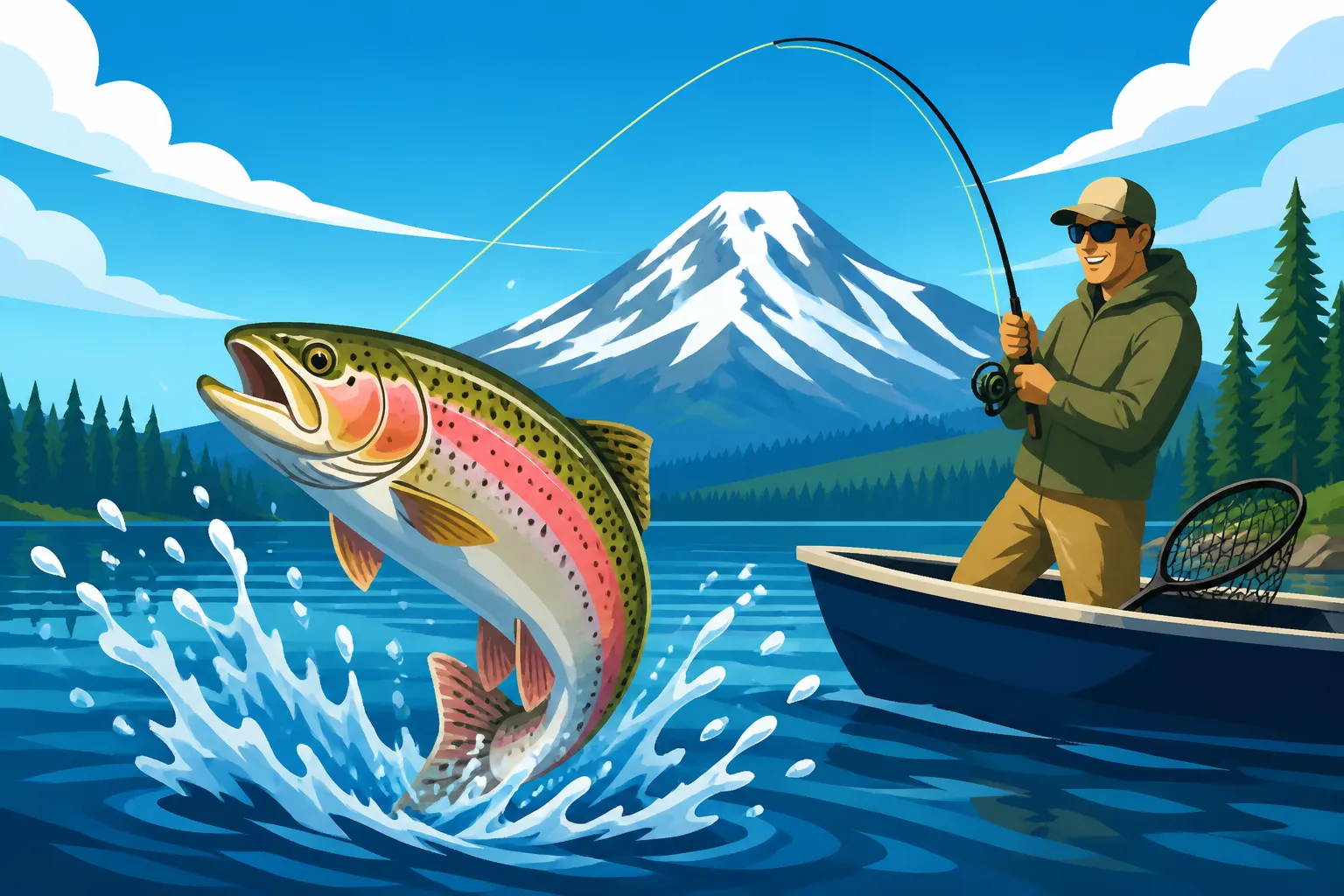
Back in the early 2000s, Diamond Lake faced a significant challenge: an infestation of invasive tui chub, which drastically impacted the rainbow trout population by competing for food and disrupting the ecosystem. The ODFW undertook a massive restoration project, including rotenone treatment to eradicate the chub, followed by a meticulous restocking program. This ambitious effort paid off beautifully. Today, Diamond Lake is a shining example of successful fisheries management, boasting one of the healthiest and most robust rainbow trout populations in the state. Anglers regularly report catching healthy, hard-fighting trout, often ranging from 12 to 20 inches, with even larger specimens making appearances, sometimes topping out at over 5 pounds. The dedication to maintaining this fishery means that every year, hundreds of thousands of legal-sized and trophy-sized rainbow trout are released into its waters, ensuring continuous, quality fishing opportunities.
Prime Habitat and Sustained Stocking
The lake itself provides an ideal habitat. Its elevation, sitting at over 5,000 feet, keeps water temperatures cooler, which is perfect for trout, especially during the warmer months. The ample weed beds and submerged structures offer plenty of cover and feeding grounds, contributing to the fish's excellent health and fighting spirit. The ODFW's stocking schedule is a cornerstone of Diamond Lake's reputation. They release a mix of fingerlings and larger trout, often including "trophy" sized fish, to ensure a diverse and exciting fishery. This means that whether you’re a seasoned angler hoping for a lunker or a family looking for consistent action, Diamond Lake delivers. For specific stocking details and other important information, you should always consult the official Oregon Fishing Regulations Explained If you're curious about how these stocking efforts compare to other fisheries, you might also find our guide on How to Catch Trout in Stocked Oregon Lakes insightful.
Best Times and Seasons for Rainbow Trout Fishing at Diamond Lake
Knowing when to cast your line can make all the difference, and Diamond Lake's fishing success is definitely influenced by the seasons and even the time of day. While you can find trout here throughout its open season, certain periods offer undeniably better chances for a memorable catch. Understanding these patterns will help you plan your trip for maximum enjoyment and success.
Seasonal Hotspots
The unofficial "opening day" for Diamond Lake trout season usually falls in late April or early May, coinciding with the melting of winter ice and easy access to the lake. This spring period is often considered prime time. As the water warms just enough, trout become incredibly active, feeding aggressively after the long winter. They're often found closer to the surface and in shallower areas, making them accessible to both bank anglers and those in boats.
As summer progresses, the fishing remains strong, but the trout tend to move to deeper, cooler waters during the heat of the day. Early mornings and late evenings become the most productive times. By late summer and into fall, as air and water temperatures begin to drop again, the trout become more active throughout the day, often feeding voraciously in preparation for winter. This fall period can offer some truly spectacular fishing, with fewer crowds and vibrant autumn colors surrounding the lake. If you're looking for broader guidance on when to plan your angling adventures, our comprehensive guide to the Best Time of Year to Fish in Oregon can provide additional context.
Daily Rhythms and Weather Influence
Beyond the seasons, the daily rhythm of the lake significantly impacts trout activity. Dawn and dusk are almost universally the best times to fish for rainbow trout at Diamond Lake. During these low-light periods, trout move into shallower waters to feed, feeling more secure and taking advantage of insect hatches or other available prey. Mid-day can still be productive, especially if you're fishing deeper or on overcast days, but generally, the bite slows considerably when the sun is high.
Weather also plays a crucial role. Overcast days, light rain, or periods of stable weather often lead to more active fish. Strong winds can make fishing challenging, especially for smaller boats or fly anglers, but they can also stir up food sources, sometimes leading to a good bite once the wind settles. Always check the local weather forecast before heading out, not just for comfort but for strategic planning.
Effective Techniques and Baits for Diamond Lake Rainbow Trout
Diamond Lake offers a fantastic variety of fishing opportunities, whether you prefer casting from shore, cruising in a boat, or delicately presenting a fly. Each method has its own charm and effectiveness, and often, combining a few different approaches throughout the day can lead to the most success. Getting familiar with a few key tactics will greatly increase your chances of landing some beautiful rainbows.
Bank Fishing and Still Fishing
For many anglers, especially families or those new to the sport, bank fishing is a popular and effective way to enjoy Diamond Lake. The key here is often to "still fish" with bait, allowing it to sit on the bottom or suspend at a certain depth. PowerBait in various colors (chartreuse, rainbow, corn yellow, garlic scent) is a perennial favorite, as are natural baits like worms (nightcrawlers or mealworms). A simple slip sinker rig, with a small treble hook and a leader length of 18-36 inches, is incredibly effective. Cast out, let your bait settle, and wait for the subtle tap-tap-tap of a hungry trout.
Another great option for bank anglers is to cast and slowly retrieve small spinners or spoons, mimicking baitfish. Lures like a Roostertail, Mepps Aglia, or a small Kastmaster can be incredibly productive, especially around weed lines or drop-offs near the shore. Experiment with retrieve speeds and pauses to find what the trout are keying in on that day. For a deeper dive into what works, you might want to check out our Oregon Bait and Lure Guide.
Trolling and Boat Fishing
If you have access to a boat, trolling is arguably one of the most effective methods for covering water and finding active fish in Diamond Lake. Slow trolling at speeds between 1.0 and 2.0 mph is usually ideal. Popular choices for trolling include Wedding Rings (often tipped with a piece of worm or corn), small Daredevle spoons, or Dick Nite spoons. Adding a small dodger or flasher a few feet in front of your lure can also significantly increase its visibility and attraction, especially on sunny days.
Varying your depth is crucial when trolling. Trout might be holding anywhere from just below the surface to 20 or even 30 feet deep, depending on the time of day and water temperature. Using a downrigger or simply letting out different amounts of line with diving planes can help you explore various depths. Don't be afraid to experiment with different lure colors and sizes until you hit on what the trout are preferring.
Here's a quick comparison of popular techniques:
| Method | Recommended Baits/Lures | Ideal Depth | Best Time of Day | Notes |
|---|---|---|---|---|
| Bank Fishing | PowerBait, Nightcrawlers, Mealworms, Small Spinners | Bottom to 10 feet | Mornings/Evenings, Overcast Days | Easy access, good for families, patience is key. |
| Trolling | Wedding Rings, Daredevles, Dick Nites, Spinners | Varies (5-30 feet), use dodgers/flashers | All day, especially productive mid-day in summer | Covers water, allows for depth control, great from a boat. |
| Fly Fishing | Chironomids, Leeches, Scuds, Callibaetis dry flies | Surface to 15 feet, often near weed beds | Mornings/Evenings, during insect hatches | Requires finesse, often best from float tube/kayak. |
| Jigging | Small Marabou Jigs, Tungsten Jigs | Varies, often deeper structure or open water | Mid-day, when fish are concentrated | Active method, good from boat or dock, imitate dying baitfish. |
Fly Fishing at Diamond Lake
For the fly fishing enthusiast, Diamond Lake offers a rewarding experience, especially from a float tube, pontoon boat, or kayak. The extensive weed beds and clear waters are perfect for targeting cruising trout. Chironomid patterns are highly effective, especially when suspended under an indicator at varying depths, mimicking emerging insects. Leech patterns, scuds, and small minnow imitations are also excellent choices when fished with a slow retrieve or stripped along weed lines.
During specific insect hatches, dry fly fishing can be phenomenal. Keep an eye out for Callibaetis hatches, which can bring trout to the surface in a frenzy. Matching the hatch with appropriate dry flies can lead to some incredible topwater action. Fly anglers often find success around the edges of the lake, particularly near the mouths of creeks or where weed beds are prominent. For more specialized techniques, you may wish to explore our guide on Oregon Trout Fishing Techniques.
Navigating Diamond Lake: Access, Facilities, and Local Tips
Planning a fishing trip to Diamond Lake means more than just knowing where and how to fish; it also involves understanding the logistics of getting there, where to stay, and what facilities are available. Fortunately, Diamond Lake is quite accessible and well-equipped to handle visitors, making it a great destination for a variety of outdoor adventurers.
Getting There and Lake Access
Diamond Lake is conveniently located off Highway 138, roughly halfway between Roseburg and Bend, making it accessible from both eastern and western Oregon. The road is typically well-maintained and plowed during winter, though conditions can vary. There are several excellent access points around the lake, providing options for different types of anglers.
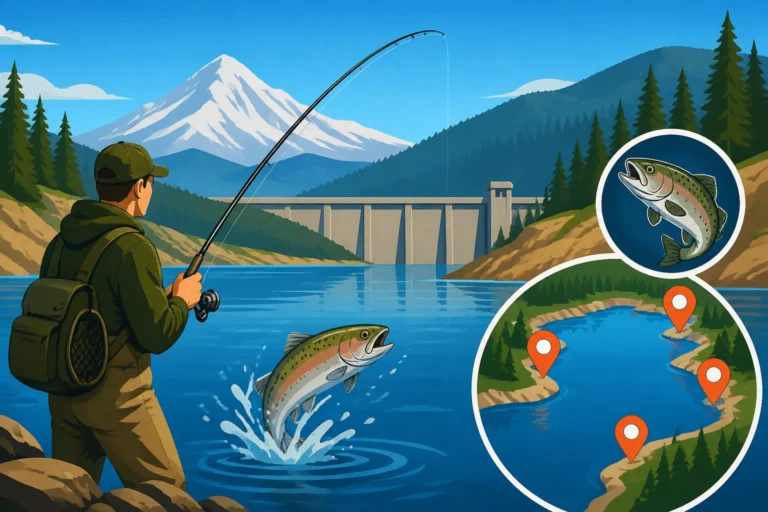
The Diamond Lake Resort area is a central hub, offering boat ramps, a marina, and various services. On the west side of the lake, you'll find the Thielsen View Campground and boat launch, while the east side features Broken Arrow Campground and another launch. These multiple launch points help distribute boat traffic and offer different perspectives for bank fishing. For those who prefer a more organized approach, you can even explore options for guided trips or boat rentals through services like FishingBooker, which can streamline your planning process.
Accommodations and Amenities
Whether you prefer camping under the stars or the comfort of a cabin, Diamond Lake has options. The Diamond Lake Resort provides cabins, motel rooms, a restaurant, a general store, and boat rentals (including fishing boats and pontoons). It’s a fantastic base camp, especially if you're traveling with family or prefer having amenities close at hand.
For campers, the three main campgrounds managed by the Umpqua National Forest – Thielsen View, Broken Arrow, and Diamond Lake Campground – offer hundreds of sites, ranging from tent spots to RV hookups. These campgrounds typically have amenities like restrooms, potable water, and picnic tables. Booking ahead, especially for peak summer weekends, is highly recommended. Nearby towns like Chemult and Crescent also offer additional lodging and supplies, though they are a bit of a drive.
Essential Regulations and Responsible Angling
Before you cast a single line, it's crucial to be aware of the specific Oregon Fishing Regulations Explained for Diamond Lake. While ODFW stocks it heavily, limits are still in place to ensure sustainability. Always check the current year's Oregon Sport Fishing Regulations booklet, available online or at license vendors, as rules can change. Typically, Diamond Lake has a generous daily bag limit for trout, but it's important to confirm the exact numbers and any size restrictions. Remember, you'll need an Oregon fishing license, and if you're 12 years or older, you must have one. Information on Oregon Fishing License Costs can be found to help you plan.
Beyond regulations, practicing responsible angling is paramount. This means knowing how to properly handle fish you intend to release, packing out all your trash, and respecting other anglers and wildlife. Diamond Lake is a beautiful natural resource, and it's up to all of us to keep it that way for future generations. If you're looking to broaden your horizons for other fishing locations, check out our guide on the Best Lakes to Fish in Oregon.
Disclaimer
Fishing conditions and regulations in Oregon can change frequently due to environmental factors, fish populations, and management decisions by the Oregon Department of Fish and Wildlife. Always consult the official ODFW website or the most current Oregon Sport Fishing Regulations booklet before planning any fishing trip to ensure you have the latest information on seasons, bag limits, and licensing requirements. This guide is for informational purposes only and does not constitute legal advice or an exhaustive list of all regulations.