Oregon closed season dates for wild coho
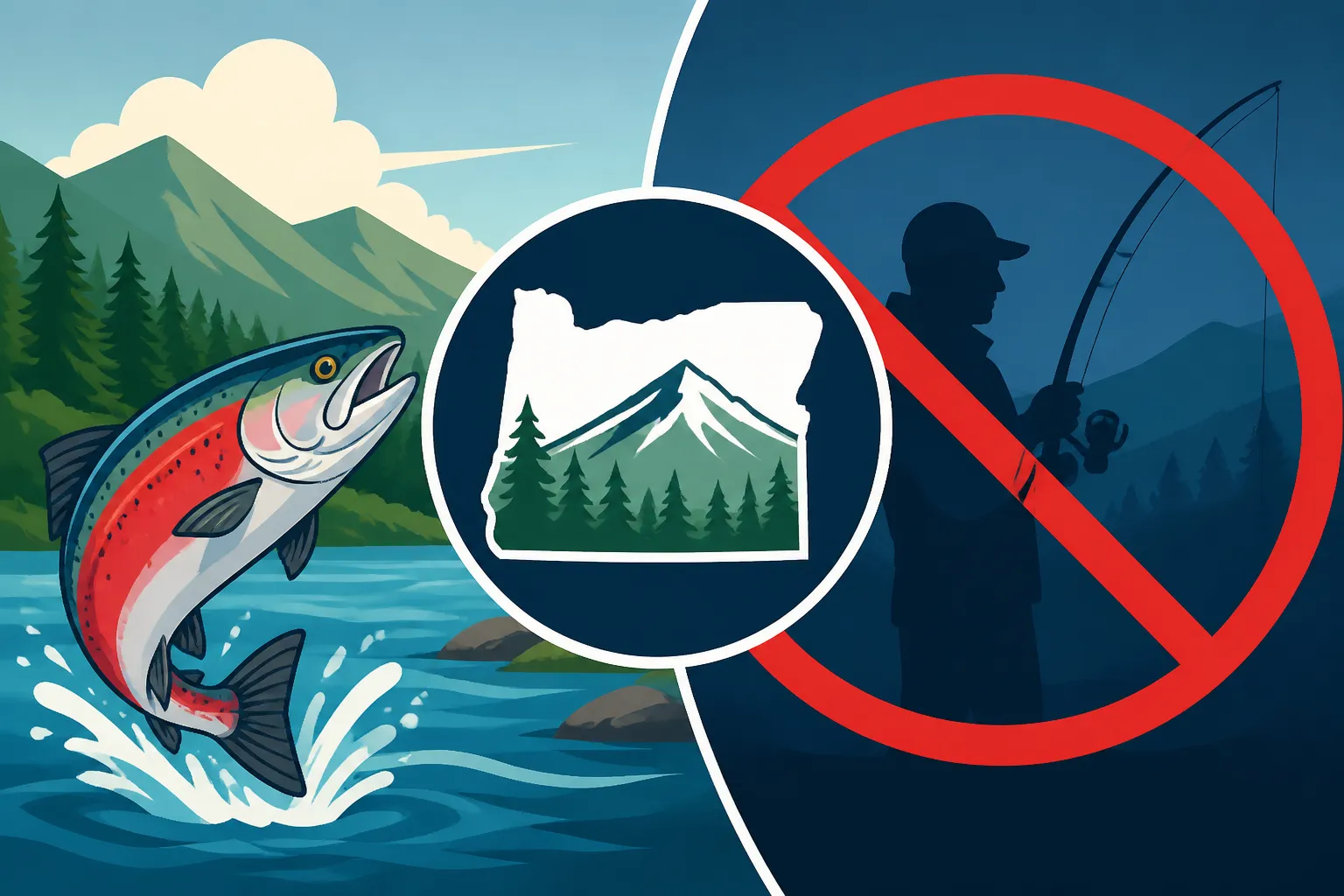
It can be incredibly frustrating to hear whispers of a great coho run, only to be hit with the stark reality that fishing for those magnificent wild fish is often completely off-limits in Oregon. Many anglers, myself included, have stood by the river, gear in hand, wondering why certain seasons seem to be perpetually closed, especially for iconic species like wild coho salmon. This guide is here to unravel the complexities surrounding Oregon's closed season dates for wild coho, explaining the reasons behind these regulations and how you can navigate them to ensure you're fishing legally and responsibly.
The Harsh Reality of Wild Coho Closures
Let's just be upfront: in most areas of Oregon, specifically for native, wild coho salmon, there is almost never an open retention season. That's a tough pill to swallow for many, especially when you see these vibrant, powerful fish finning in the river. The primary reason for these widespread closures is conservation. Wild coho populations have faced significant declines over the years due to habitat loss, hydropower impacts, and historical overfishing. State and federal agencies, like the Oregon Department of Fish and Wildlife (ODFW), implement strict regulations to protect and rebuild these vulnerable stocks.
It’s easy to feel a pang of disappointment, but understanding why these rules exist helps put things into perspective. Imagine a future where these beautiful fish are completely gone from our rivers. That’s the scenario conservation efforts are trying to prevent. The restrictions on wild coho are a critical piece of a larger puzzle to ensure their survival and, hopefully, their eventual rebound to healthy population levels. This often means catch-and-release only, if fishing is permitted at all, and a keen eye on identifying the difference between a wild and a hatchery-raised fish.
Distinguishing Wild Coho from Hatchery Coho
One of the biggest challenges and most important distinctions for any angler in Oregon is telling the difference between a wild coho and a hatchery-reared coho. This isn't just a fun fish fact; it's a legal requirement that can save you a hefty fine and potential loss of fishing privileges. Hatchery coho are often released into rivers to supplement fisheries, and these are typically the fish you can retain during specific, limited seasons.
The tell-tale sign is almost always the adipose fin. Hatchery fish in Oregon are typically "fin-clipped," meaning their adipose fin (the small, fleshy fin on their back between the dorsal fin and the tail) has been removed. This process is usually done when the fish are very young at the hatchery. A wild coho, on the other hand, will have its adipose fin intact. It sounds simple, but in the heat of the moment, with a fish thrashing on the line, it can be easy to miss. Always take the time to positively identify your catch before making any decisions about retention. If there’s any doubt, it's always best to release the fish unharmed. This practice is central to Oregon's Oregon Catch-and-Release Rules.
Many seasoned anglers carry a small, waterproof guide or even reference the ODFW regulations on their phone to double-check. It's a small step that can make a huge difference, not just for your wallet, but for the future of wild fish. You can often find these handy laminated guides, or even full regulation books, on platforms like Amazon, ensuring you have the latest information at your fingertips even when out on the water without reliable cell service.
Navigating Oregon's Coho Regulations
Understanding where and when you might encounter coho, and what you're allowed to do when you do, requires diligent homework. Oregon's fishing regulations are complex, varying by river, by specific zone within a river, and by time of year. For coho, these regulations are especially nuanced due to their conservation status.
Checking Current and Emergency Regulations
The Oregon Department of Fish and Wildlife (ODFW) is your absolute best source for up-to-date regulations. They publish an annual regulation booklet, but it's crucial to remember that emergency closures or openings can occur at any time due to changing fish returns, water conditions, or other factors. These changes are typically announced on the ODFW website. Before every trip, especially for anadromous species like salmon, make it a habit to check the ODFW's "Recreational Shellfish & Marine Zone Regulations" and "Sport Fishing Regulations Updates" pages.
For example, a river like the Nestucca might have a catch-and-release season for wild coho, while simultaneously having a limited retention season for fin-clipped hatchery coho. Meanwhile, another river like the Wilson River could be completely closed to all coho fishing due to particularly low returns. It's this patchwork of rules that makes staying informed so vital. Knowing how often these How often do Oregon fishing regulations change can give you a better appreciation for the dynamic nature of fisheries management.
Regional Differences in Coho Management
Coho salmon runs occur in many of Oregon's coastal rivers and some tributaries of the Columbia River system. However, the specific regulations, including closed season dates for wild coho, vary significantly by region and even by individual stream.
- Coastal Rivers: Rivers flowing directly into the Pacific Ocean, such as the Nehalem, Trask, Nestucca, Siletz, Alsea, Umpqua, and Coquille, often have distinct coho runs. These rivers are frequently subject to special management for coho, with the strongest protections generally afforded to wild fish. Hatchery programs exist in many of these basins, providing some opportunity for anglers to retain fin-clipped coho during designated seasons. You'll often find that the earliest portions of the coho run are entirely protected, with limited opportunities opening up later in the fall.
- Columbia River Basin: While the Columbia River is more famous for its Chinook and steelhead, coho also return. Regulations here can be particularly complex due to joint management with Washington state and various tribal fisheries. Often, any coho retention in the mainstem Columbia and its lower tributaries will specifically target fin-clipped hatchery coho, with strict adherence to daily and annual bag limits. Always check the joint state regulations carefully if you plan to fish this system. For detailed rules, you might want to consult the Oregon Fishing Regulations Explained guide.
- Other Basins: Some smaller, less-fished rivers or remote tributaries might have wild coho, but these areas are almost always closed to retention to protect isolated populations. It's safe to assume that if a river isn't explicitly listed with an open coho season for retention, it's closed, especially for wild fish.
Consulting the annual Oregon Fishing License Guide is always your first step, as it contains a summary of all major regulations, though real-time updates require checking the ODFW website. It’s a good idea to keep a copy in your tackle box, maybe one you ordered from Amazon, right next to your extra fishing line and favorite lures.
Penalties and Responsible Angling
Getting caught with a wild coho during a closed season, or exceeding the bag limit for hatchery coho, isn't just a slap on the wrist. Oregon takes its fisheries violations seriously, and the consequences can be significant. Ignorance of the law is never an excuse, and game wardens are well-versed in identifying fin-clipped versus wild fish.
Understanding the Risks
Penalties for fishing violations in Oregon, including those related to salmon and steelhead, can include:
- Substantial Fines: These can range from hundreds to thousands of dollars, depending on the severity of the violation and whether it's a first offense or repeat offense.
- Forfeiture of Gear: Your fishing rods, reels, tackle, and even your boat or vehicle could be seized.
- Loss of Fishing Privileges: You could have your Oregon Fishing License Guide revoked for a period of time, or even permanently. This can also extend to other states through interstate compacts.
- Criminal Charges: In egregious cases, or for repeated offenses, criminal charges can be filed, leading to jail time.
The reality of Oregon Fishing Violations and Penalties is that they are designed to be a strong deterrent. Protecting these fish is paramount. No fish is worth the potential legal and financial headache, not to mention the ethical burden. Always prioritize identifying your catch and adhering to the rules.
Being a Responsible Steward
For us anglers, beyond merely following the law, there's a deeper responsibility to be good stewards of the resource. This means:
- Positive Identification: As mentioned, always confirm if a coho is fin-clipped or wild before considering retention. If it's wild, release it carefully and immediately.
- Proper Catch-and-Release Techniques: If you're fishing in a catch-and-release only area, use appropriate gear (e.g., barbless hooks if required), handle fish gently, keep them in the water as much as possible, and revive them fully before release.
- Reporting Violations: If you witness someone violating fishing regulations, report it to the ODFW's Turn In Poachers (TIP) program. This is how we collectively protect the resource.
- Staying Informed: Regularly checking the ODFW website for updates, especially during salmon seasons, is critical. Relying on old information or hearsay can quickly lead to trouble. You'll also need to understand Oregon Catch Record Card Requirements to properly record any retained fish.
The Future of Wild Coho Fishing in Oregon
While the current outlook for wild coho retention might seem bleak in many areas, the conservation efforts are not without hope. Biologists and fisheries managers are constantly monitoring populations, working to improve habitat, and fine-tuning regulations based on the best available science. There have been instances where specific river systems, after years of protection, have seen enough of a rebound to allow for very limited, highly controlled retention seasons for wild coho. These are usually short windows, heavily monitored, and contingent on strict adherence to very specific rules.
The best way to contribute to a brighter future for wild coho is to continue being a responsible angler. Support conservation groups, participate in habitat restoration projects if you can, and most importantly, educate yourself and others on the importance of adhering to the regulations. Our passion for fishing means we have a vested interest in the health of these precious fish populations. Hopefully, with continued effort, future generations of anglers will have more opportunities to experience the thrill of responsibly catching and even retaining these incredible Oregon salmon.
Table: Key Differences and Management for Coho Salmon
| Feature | Wild Coho Salmon | Hatchery Coho Salmon |
|---|---|---|
| Adipose Fin | Intact | Clipped (absent) |
| Conservation | High priority, often protected | Supplemented for fisheries |
| Retention | Generally closed season | Limited open seasons/bag limits |
| Primary Goal | Population rebuilding | Provide angling opportunity |
| Identification | Crucial for anglers to determine | Distinguishable by fin clip |
| Encounter | Catch-and-release is common | Specific harvest rules apply |
This table simplifies the core distinctions, but always remember that regional and annual regulations can add further layers of complexity. Always confirm current rules with ODFW before heading out.
Final Thoughts on Coho Seasons
The closed season dates for wild coho in Oregon are a reflection of a deep commitment to conservation. It's tough when the fish are right there, but their future relies on our discipline and understanding. Equip yourself with the right knowledge, keep an eye on those ODFW updates, and be a part of the solution for stronger, healthier wild coho runs. Your passion for the sport, combined with responsible actions, truly makes a difference.
Disclaimer
Fishing regulations, season dates, and bag limits in Oregon are subject to change at any time due to biological assessments, emergency closures, or other factors. Always consult the official Oregon Department of Fish and Wildlife (ODFW) website or their current regulation booklet before heading out to fish to ensure you have the most up-to-date and accurate information. This article is for informational purposes only and should not be considered a substitute for official ODFW regulations.