Oregon bait restrictions on fly-only water
Navigating Oregon's fishing regulations can feel like trying to untangle a particularly stubborn knot in your fishing line – confusing, frustrating, and if you get it wrong, it can lead to a real headache or even a hefty fine. One of the most common areas of confusion, especially for those new to fly fishing or exploring new waters, revolves around bait restrictions on what are designated as "fly-only" sections of rivers and streams. This guide is here to clear up that confusion, explaining what these rules mean, why they exist, and how you can confidently fish these pristine waters without a worry.
Understanding "Fly-Only" Water Designations
When you see a section of river or a lake marked as "fly-only" in the Oregon Department of Fish and Wildlife (ODFW) regulations, it's not just a suggestion; it's a strict rule that dictates precisely what you can use to entice a fish. This designation is put in place for very specific reasons, primarily to protect sensitive fish populations, often native trout or steelhead, by reducing mortality rates associated with certain bait types and tackle. It also aims to preserve a particular type of angling experience that emphasizes skill, subtlety, and a connection to the natural environment.
What "Fly-Only" Truly Means
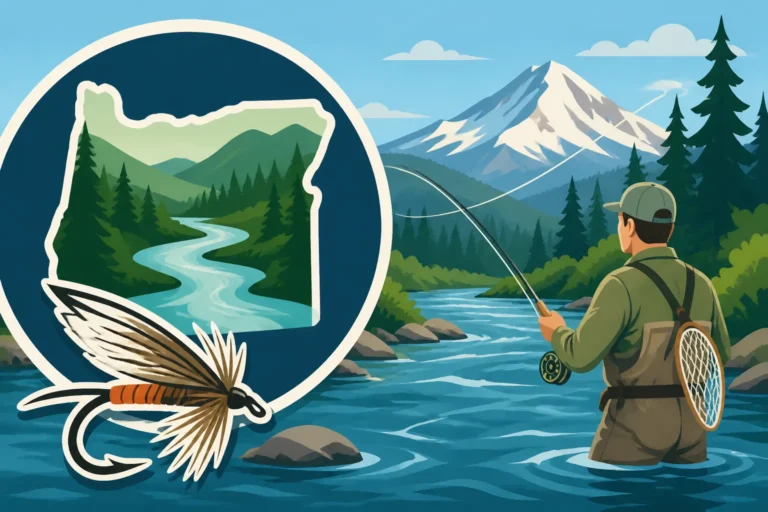
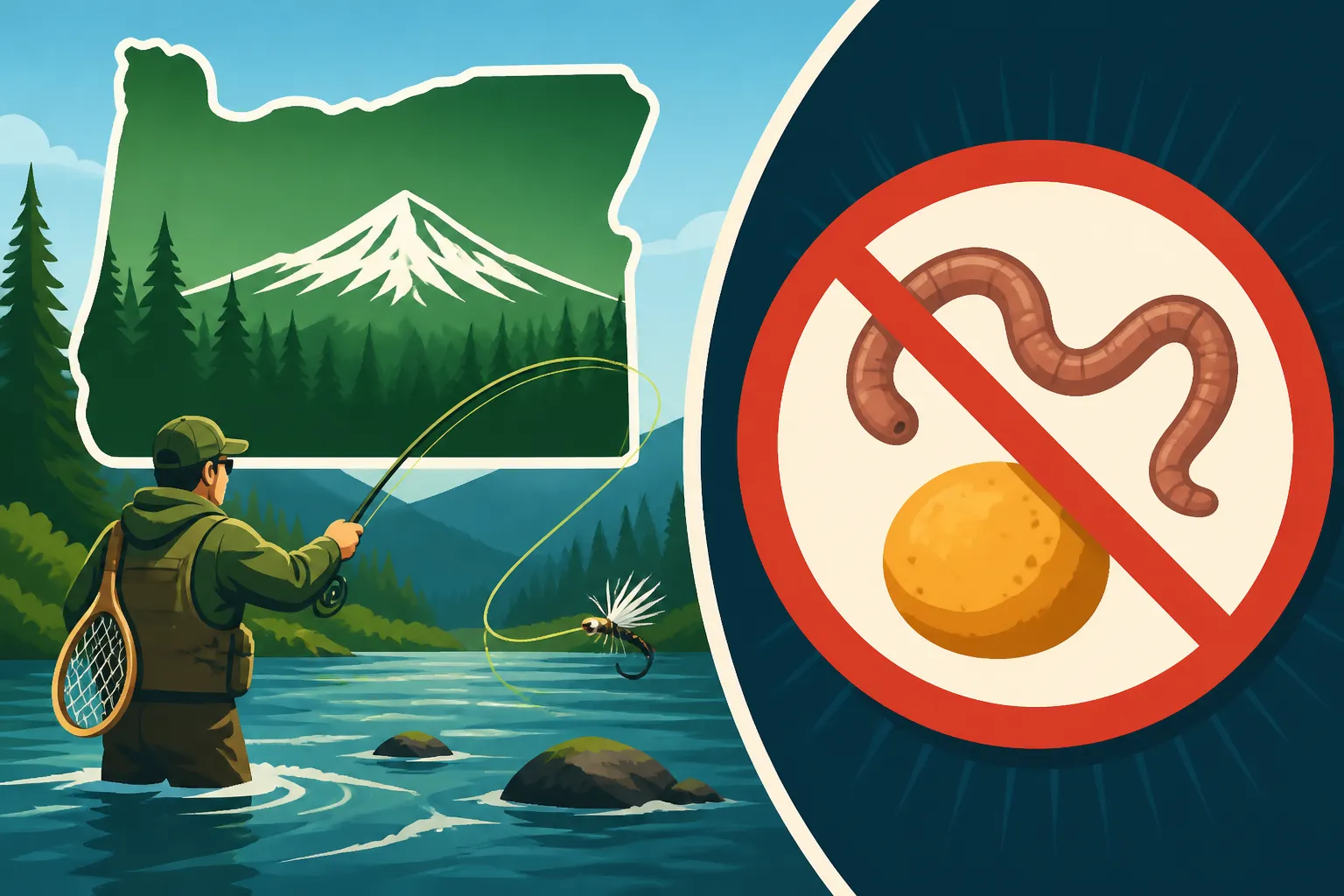
At its core, "fly-only" means you can only use a fly rod, fly reel, fly line, and an artificial fly as your terminal tackle. That might sound straightforward, but there are nuances. An "artificial fly" is typically defined as a hook dressed with natural or synthetic materials tied to imitate an insect, baitfish, or other aquatic organism, and it must be free of any added weights or attractants other than those incorporated into its construction. This means no powerbait, no worms, no salmon eggs, no scents, and no jigging spoons or spinners. It’s all about the fly, the cast, and the drift. Sometimes, you'll hear "fly-only" used interchangeably with "artificial flies and lures," but in Oregon, especially on those truly pristine waters, "fly-only" is usually quite strict.
The intention here is often to minimize "deep hooking," which is common with bait fishing where a fish swallows the hook, making catch-and-release survival rates much lower. With flies, especially those tied on single, barbless hooks (which are often also required in fly-only zones), fish are typically hooked in the lip or mouth, making release much easier and safer for the fish.
Tackle Permitted and Prohibited
So, what exactly can you use? A traditional fly rod and reel setup is your bread and butter. Your fly line, usually weighted forward or level, should match your rod. The leader and tippet should be clear monofilament or fluorocarbon, carefully tapered to present your fly naturally. As for the flies themselves, the sky's the limit in terms of pattern, as long as they adhere to the "artificial" definition. Dry flies, nymphs, streamers, and emergers are all fair game.
What's absolutely off-limits? This is where people often get into trouble. Any natural bait, such as worms, crickets, salmon eggs, or roe, is a definite no-go. Scented baits or artificial baits that mimic natural ones (like Gulp! worms or PowerBait) are also prohibited. Spinners, spoons, jigs, plugs, and soft plastic lures that are not traditional flies are also excluded. Essentially, if it's designed to be cast with a spinning or baitcasting rod and reel, it likely doesn't belong in fly-only water. Even if you remove the weight from a small jig and cast it with a fly rod, it’s still often considered a prohibited lure, not an artificial fly.
Sometimes, rules will specify "barbless hooks only" in fly-only waters. Always double-check the Oregon Fishing Regulations Explained to ensure your gear complies with these specific local rules.
Oregon Rivers and Zones with Bait Restrictions
Oregon is blessed with an incredible diversity of fisheries, and a good portion of its most revered waters, especially those known for their wild trout and steelhead, have specific bait and tackle restrictions. These rules are vital for maintaining the health of these unique ecosystems. It’s absolutely critical to consult the most current ODFW Sport Fishing Regulations before heading out, as zones and regulations can change annually, and sometimes even within a season due to emergency closures or adjustments.
Iconic Fly-Only Streams and Their Specifics
One of the most famous examples of fly-only water in Oregon is the Metolius River. This spring-fed river, originating near Sisters in Central Oregon, is renowned for its stunning beauty and challenging trout fishing. Much of the Metolius is designated fly-only, and often also "catch-and-release" and "single barbless hook" for its native redband trout and bull trout. Bull trout, being a protected species, have particularly strict rules, often requiring a special permit to target them at all, and even then, they are always catch-and-release. Fishing the Metolius is a true art form, focusing on delicate presentations and precise fly selection. For detailed techniques, check out our guide on How to Fly Fish the Metolius River.
Another prime example is certain stretches of the Deschutes River, particularly above Maupin and within the Warm Springs Indian Reservation boundaries (though special tribal permits are required there). These sections are revered for their wild rainbow trout and summer steelhead, and fly-only regulations are often in place to protect these precious fisheries. The lower Deschutes, from the mouth up to Sherars Falls, typically allows bait fishing, but specific sections may have seasonal or species-specific restrictions that might still prohibit bait. Understanding these Oregon Fishing Zones Explained is key.
Here’s a simplified look at common restrictions:
| Restriction Type | Permitted Tackle Examples | Prohibited Tackle Examples | Common Locations |
|---|---|---|---|
| Fly-Only | Fly rod, reel, line, artificial flies (dry, nymph, streamer) | Worms, PowerBait, scented baits, spinners, jigs, plugs, soft plastic lures | Metolius River (upper), Deschutes River (certain stretches) |
| Artificial Flies & Lures | Fly tackle, spinners, spoons, jigs, plugs (no bait) | Worms, PowerBait, scented baits | Many trout streams, some steelhead rivers |
| Single Barbless Hooks | All legal tackle types, but hooks must be single and barbless | Treble hooks, barbed hooks | Many catch-and-release waters, wild fish conservation zones |
This table provides a general overview, but it cannot replace the official ODFW regulations. Always carry a copy of the current regulations or have access to them digitally when you're on the water.
Local Rules and Seasonal Changes
Beyond these major rivers, many smaller streams, high mountain lakes, and even specific sections of larger rivers can have temporary or permanent fly-only or artificial lure restrictions. These might be implemented to protect spawning fish, during sensitive migratory periods, or to manage specific conservation efforts for species like native cutthroat trout. For instance, some of the most beautiful alpine lakes in the Cascades or Wallowa Mountains, accessible only by hike-in, might have fly-only rules to maintain their pristine nature.
It’s not uncommon for rules to change seasonally. A river might be open to bait during certain times of the year when hatchery fish are abundant, but switch to fly-only during wild steelhead runs. This kind of dynamic regulation is designed to be highly responsive to fish populations and environmental conditions. This means checking the latest updates is not just a good idea, it’s a non-negotiable part of responsible angling in Oregon.
The Risks and Consequences of Violating Bait Restrictions
Let's be frank: getting caught using bait in a fly-only zone in Oregon isn't just a minor slap on the wrist. It can have significant financial and legal repercussions, not to mention the potential ecological damage you could inadvertently cause. The enforcement of these regulations is taken very seriously by Oregon State Police and ODFW game wardens, who are regularly patrolling these sensitive waters.
Penalties for Non-Compliance
Fishing in a fly-only area with bait, or with any prohibited tackle, is considered a fishing violation. Depending on the severity and whether it's a repeat offense, the penalties can range from substantial fines to the forfeiture of your fishing gear, and even the suspension or revocation of your fishing license. For example, fines for various Oregon Fishing Violations and Penalties can easily run into hundreds of dollars, plus court fees. Imagine having your prized fly rod confiscated, or being banned from fishing for a year, all because you didn't double-check the rules or decided to bend them. It's simply not worth the risk.
Game wardens are well-versed in identifying illegal tackle. They know what to look for and where anglers commonly make mistakes. They often patrol in plain clothes or from a distance, observing angler behavior before making contact. Don't assume that just because you don't see a warden, you won't get caught. They are out there, protecting Oregon's valuable fisheries.
Ecological Impact of Using Prohibited Bait
Beyond the legal ramifications, there's a deeper, ecological reason why these rules are in place. The primary concern with bait fishing, especially in areas with sensitive wild fish populations, is the increased mortality of released fish. When a fish takes natural bait, it's far more likely to swallow the hook deep into its gills or stomach. Even if you release it carefully, the internal damage can be fatal. This is particularly devastating for species like wild trout and steelhead, which often have low population numbers and are critical to the genetic health of a river system.
Moreover, the introduction of foreign substances, like scented baits or certain synthetic materials, can disrupt the natural environment. While the impact of a single instance might seem small, cumulative effects from many anglers can alter water chemistry or animal behavior. These fly-only designations are a crucial tool in conservation, designed to give these delicate ecosystems the best chance to thrive. Respecting these rules is a fundamental part of being a responsible steward of Oregon's natural resources.
Preparing for Fly-Only Waters
So, you've decided to tackle some of Oregon's stunning fly-only waters. Fantastic choice! It's an incredibly rewarding experience that connects you more intimately with the fishing process. Proper preparation, both in terms of gear and knowledge, will make all the difference between a frustrating outing and a truly memorable one.
Essential Fly Fishing Gear
If you're new to fly fishing, a good starter setup usually includes:
- Fly Rod and Reel: A 4-weight or 5-weight rod, 8.5 to 9 feet long, is a versatile choice for many Oregon trout streams. Pair it with a matching fly reel that balances the rod and holds your fly line and backing.
- Fly Line: A weight-forward floating line is a great all-around choice.
- Leaders and Tippet: A tapered leader (usually 7.5 to 9 feet) and a spool of tippet material (4X to 6X for trout) are essential for presenting your flies naturally.
- Flies: Start with a selection of basic dry flies (like Elk Hair Caddis, Adams), nymphs (Pheasant Tail, Hare's Ear), and perhaps a few small streamers. You can find comprehensive fly selections for various Oregon waters on platforms like Amazon, or at local fly shops like Caddis Fly Shop in Eugene or The Fly Fisher's Place in Sisters, who can offer tailored advice for specific conditions.
- Nippers and Hemostats/Forceps: Crucial for trimming line and safely removing hooks.
- Waders and Boots: Depending on the water, waders are almost always a must for comfortable and effective fishing.
- Net: A soft, rubberized net is ideal for safely landing and releasing fish, minimizing harm to their protective slime coat.
- Polarized Sunglasses: Not just for eye protection, but also incredibly helpful for spotting fish and submerged structure.
You don't need to break the bank to get started. Many reputable brands offer excellent entry-level combos. Local fly shops are invaluable resources for getting fitted and choosing the right gear for the specific waters you plan to fish. They can also offer localized advice on flies and techniques.
Learning and Adapting Techniques
Fly fishing is a skill sport, and mastering it takes time and practice. Don't get discouraged if your first few outings are challenging. The beauty of fly fishing, especially on fly-only waters, is the continuous learning and refinement of your technique.
- Casting: Focus on smooth, controlled casting. The goal is accurate and delicate presentations, especially for spooky trout in clear, slow-moving water. There are tons of instructional videos online, and local fly shops often offer casting lessons.
- Reading the Water: Learn where fish hold – in seams, behind rocks, under overhanging banks, or in deeper pools. Understanding the current and how it affects your drift is paramount.
- Fly Selection: Matching the hatch (using a fly that imitates the insects currently emerging) can be incredibly effective. However, sometimes a general attractor pattern will also do the trick. Local knowledge, either from a guide or a tackle shop, can provide invaluable insight into what's working. If you're looking for guidance on specific Oregon Trout Fishing Techniques or need to understand how to approach different river systems, there's a wealth of information available.
Remember, patience is a virtue in fly fishing. Embrace the process, enjoy the stunning surroundings, and the rewards will come. Fly-only waters are designed to provide a purist's angling experience, and becoming proficient in these techniques will open up a whole new world of fishing opportunities in Oregon. Consider hiring a local guide, especially for challenging rivers like the Deschutes or Metolius, to accelerate your learning curve and gain valuable insights into local patterns and presentation techniques.
Conclusion: Respecting the Rules for Better Fishing
The regulations surrounding bait restrictions on fly-only waters in Oregon are not arbitrary obstacles designed to make your fishing trip harder. They are carefully considered measures put in place to protect fragile ecosystems and ensure the continued health of some of our most cherished wild fish populations. While it might feel like a lot to learn at first, understanding and adhering to these rules is a fundamental part of responsible angling and contributes directly to the sustainability of Oregon's fantastic fishing opportunities.
By doing your homework, equipping yourself with the right gear, and respecting the "fly-only" designations, you'll not only avoid potential penalties but also enhance your own fishing experience. There's a profound satisfaction that comes from successfully enticing a fish on a perfectly presented fly in a pristine, natural environment. So, grab your fly rod, check those regulations, and head out to explore the incredible beauty and challenge of Oregon's fly-only waters. For more general guidance, our comprehensive Oregon Fishing License Guide or a dive into the Oregon Bait and Lure Guide can help you get fully prepared.
Disclaimer
The information provided in this guide is for general informational purposes only and is not intended as legal advice. Fishing regulations are subject to change without notice. Always consult the most current official Oregon Department of Fish and Wildlife (ODFW) Sport Fishing Regulations before engaging in any fishing activities. Compliance with all state and local fishing laws is the sole responsibility of the angler.