Oregon shellfish license cost for crabbing and clamming
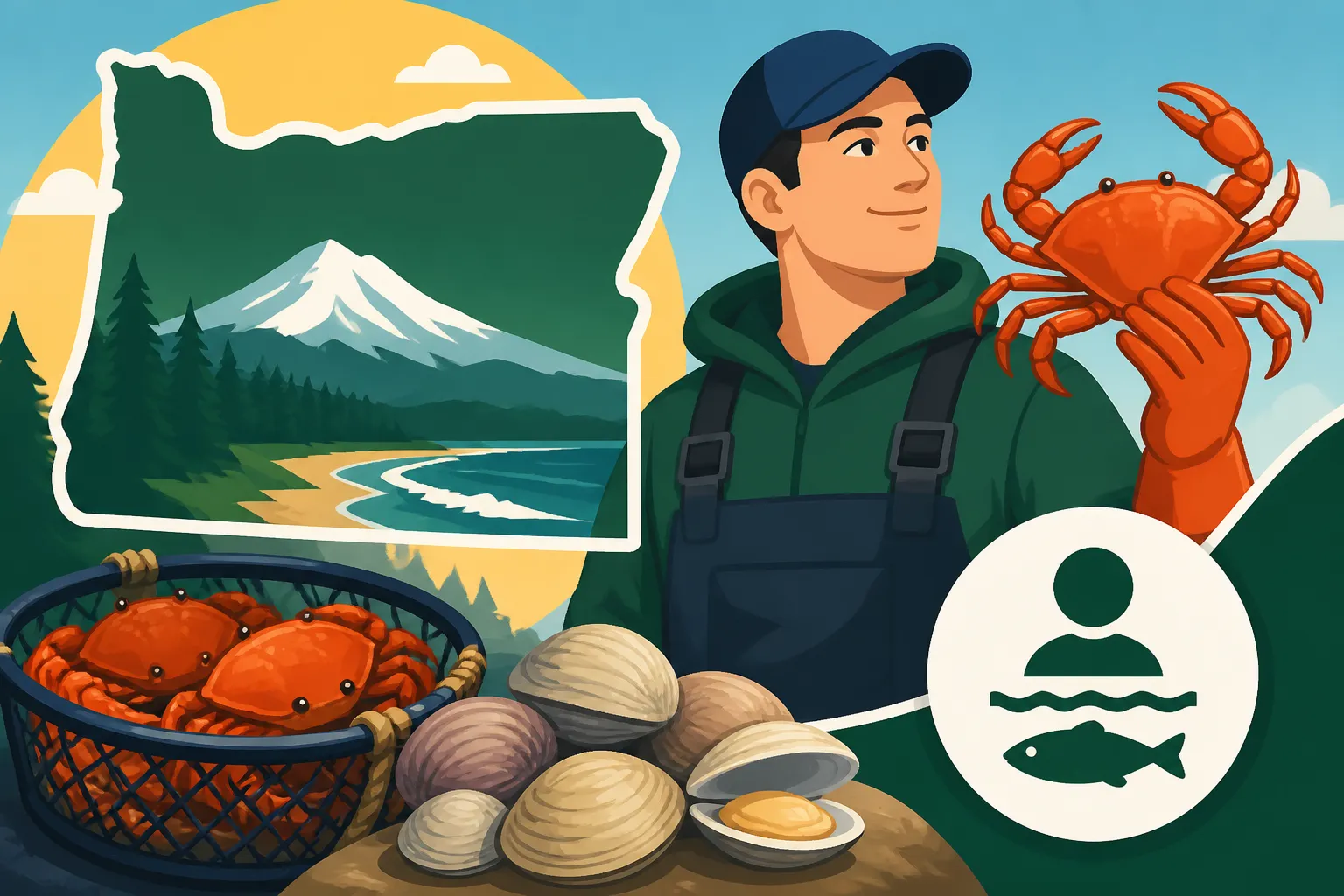
There's nothing quite like the salty air on the Oregon coast, the anticipation of dropping a crab pot, or the thrill of finding a geoduck. But before you get your hands dirty, the world of fishing and shellfish licenses can feel like wading through mud. Many folks get confused about whether their general fishing license covers crabbing and clamming, or if they need something entirely separate. This guide is here to clear up all that confusion, breaking down the specific costs and requirements for an Oregon shellfish license for both crabbing and clamming, so you can focus on the harvest, not the paperwork.
Understanding Oregon's Shellfish License Requirements
It’s a common misconception that if you’ve got a valid Oregon fishing license, you’re good to go for everything that lives in the water. Unfortunately, when it comes to the delightful world of shellfish, that's not quite the case. The Oregon Department of Fish and Wildlife (ODFW) has specific regulations that necessitate a separate license for harvesting crabs, clams, mussels, and other marine invertebrates. This distinction often trips up even seasoned anglers, so let's make sure you're properly equipped before your next coastal adventure.
Who Needs a Shellfish License?
The general rule of thumb in Oregon is pretty straightforward: if you're 12 years old or older and plan to harvest shellfish, you need a license. This applies whether you're a long-time Oregon resident or just visiting our beautiful state. It doesn't matter if you're planning a massive haul or just want to grab a few clams for dinner; the license is a mandatory step.
For those under 12, there’s a bit of a break, which is great news for families wanting to introduce their kids to the joys of the coast. Children under 12 generally don't need a shellfish license to participate in recreational shellfish harvesting. However, any shellfish they harvest will count towards the accompanying licensed adult's daily catch limit. So, while they might not need the permit themselves, their efforts are still tied to a valid license holder. It's always a good idea to check the most current information regarding Oregon Fishing Rules for Kids and Seniors to ensure you're up to date on any age-related requirements.
What Does the Shellfish License Cover?
An Oregon Shellfish License is your golden ticket to a variety of coastal harvesting activities. It specifically covers the taking of all marine invertebrates, which means it’s not just for crabbing and clamming. This includes digging for delicious bay clams or razor clams, gathering mussels off the rocks, and even harvesting squid if you're feeling adventurous.
Essentially, if it’s a non-fin fish living in the ocean or estuary that you plan to catch and keep, this is the license you’ll need. It’s designed to regulate and manage these valuable resources, ensuring sustainable populations for everyone to enjoy for years to come. Think of it as your passport to the incredible bounty of Oregon's coastal waters.
Distinguishing from Fin Fish Licenses
This is where a lot of the confusion often comes into play. Many people assume that their annual Oregon Annual Angling License or even a temporary Oregon 1-Day Fishing License covers everything. However, that's simply not the case. An Oregon Combined Angling Tag, for instance, focuses specifically on fin fish like salmon, steelhead, and sturgeon, and does not extend to shellfish.
The ODFW clearly defines that a separate shellfish license is required for crabbing and clamming, completely distinct from any license needed for catching fin fish. This means even if you're fully licensed for trout, salmon, and bass, you'll still need that extra shellfish permit if you plan to drop a crab pot or dig for clams. It's not about trying to squeeze more money out of you; it's about managing different types of marine life with different conservation needs. So, make sure you double-check what type of license you hold if you're heading out for some shellfish fun.
Breaking Down Oregon Shellfish License Costs
Understanding the "why" behind the separate shellfish license is one thing, but the "how much" is often the most pressing question. The cost of an Oregon shellfish license varies based on whether you're an Oregon resident or visiting from out of state. It's important to know these differences upfront to avoid any surprises. Remember, these fees go towards the conservation efforts that keep our shellfish populations healthy, so every dollar contributes to future harvests.
Resident Shellfish License Costs
For those lucky enough to call Oregon home, the resident shellfish license is quite affordable. As of early 2024, an annual Oregon Shellfish License for residents typically costs around $10.00. This single fee grants you the ability to legally harvest crabs, clams, and other covered shellfish for the entire calendar year, from January 1st to December 31st.
This annual license is a fantastic value, especially if you plan on making multiple trips to the coast throughout the year. Whether you're a regular clam digger in Netarts Bay or enjoy crabbing in Tillamook Bay, this one-time purchase provides peace of mind and full compliance with ODFW regulations. There typically aren't multi-year options for shellfish licenses, so planning for an annual renewal is a good practice. It's a small investment for endless coastal enjoyment!
Non-Resident Shellfish License Costs
If you're visiting Oregon from another state and dreaming of fresh crab or succulent clams, you'll also need a shellfish license, but the cost will be higher than for residents. For non-residents, an annual Oregon Shellfish License typically runs around $28.00. This higher fee reflects the fact that non-residents don't contribute to Oregon's conservation efforts through state income taxes or property taxes in the same way residents do.
While the non-resident cost is higher, it still provides a full year of shellfish harvesting opportunities. This can be particularly beneficial for those who visit Oregon frequently or for extended periods. Compared to the general Oregon Nonresident Fishing License Cost which can be significantly more for fin fish, the shellfish license remains a relatively accessible option for visitors eager to experience Oregon's bounty.
Additional Endorsements or Tags (if any)
One of the beauties of the Oregon shellfish license is its simplicity. Unlike fin fish angling, which might require additional endorsements like the Oregon Columbia River Basin Endorsement or specific tags for salmon, steelhead, sturgeon, or halibut, recreational shellfish harvesting generally does not require any extra tags or endorsements on top of the base shellfish license.
This means the single fee you pay for your resident or non-resident shellfish license covers all the standard crabbing, clamming, and other marine invertebrate gathering that’s open to the public. You don’t need a special "crab tag" or "razor clam endorsement." This streamlines the process, making it much easier for folks to get out on the water without worrying about a confusing array of additional purchases. Just remember, while the license is simple, the regulations for catch limits, sizes, and open seasons are still crucial to follow! You can find a complete overview in the Oregon Fishing Regulations Explained guide.
Here's a quick comparison of the typical annual shellfish license costs:
| License Type | Cost (Approx. 2024) | Covered Species | Validity |
|---|---|---|---|
| Resident Shellfish License | $10.00 | Crab, Clams, Mussels, etc. | Calendar Year |
| Non-Resident Shellfish License | $28.00 | Crab, Clams, Mussels, etc. | Calendar Year |
Where and How to Purchase Your Oregon Shellfish License
Getting your Oregon shellfish license is usually a pretty painless process, designed to be accessible whether you prefer the convenience of online shopping or the personal touch of a local shop. Knowing your options beforehand can save you time and hassle, getting you out on the water faster.
Online Purchase Process
For many people, buying an Oregon shellfish license online is the easiest and quickest option. The Oregon Department of Fish and Wildlife (ODFW) manages an e-license system that allows you to purchase your license from the comfort of your home, any time of day or night.
To purchase online, you'll visit the ODFW's official website. You'll need to create an account if you don't already have one, providing some basic personal information like your name, address, and date of birth. You'll also need a valid credit or debit card for payment. Once your purchase is complete, you can usually print a temporary license immediately, or save it to your phone. It's generally accepted to carry a digital copy on your phone as proof of license, though it's always wise to have a backup or a physical copy if possible, especially in areas with spotty cell service. This process is similar to how you would How to Renew an Oregon Fishing License Online.
In-Person Purchase Options
If you prefer to buy your license in person, or if you find yourself needing one last-minute while on the road, Oregon offers plenty of authorized license agents. These agents are typically found at sporting goods stores, tackle shops, coastal marinas, and even some general stores. Big retailers like Bi-Mart and Fred Meyer often have ODFW license sales available at their customer service counters.
When purchasing in person, you'll need to bring a valid form of identification, such as a driver's license or state ID. For non-residents, an out-of-state driver's license will suffice. They'll process your request, take payment, and print out your license on the spot. This can be a great option if you have questions or need to pick up some last-minute gear at the same time. You can learn more about finding these locations in our guide on Where to Buy an Oregon Fishing License.
What You Need to Buy a License
Regardless of whether you purchase online or in person, you'll need a few key pieces of information and identification to complete your transaction. For both residents and non-residents, a valid state-issued ID (like a driver's license) is typically required to verify your identity and residency status.
Payment is usually accepted via major credit cards or debit cards online. In person, most vendors will also accept cash. Make sure you have all your details handy to make the process as smooth as possible. Sometimes, it's also helpful to have your ODFW hunter/angler ID number if you've purchased licenses in Oregon before, as this links to your existing profile. If you're comparing the experience, our article on Buying an Oregon Fishing License Online vs In Person might offer further insights.
Common Questions and Frustrations About Shellfish Licenses
Even with clear information, common questions and frustrations naturally pop up when dealing with licenses and regulations. It's totally normal to feel a bit overwhelmed or confused, especially when planning a fun outing! Let's tackle some of these head-on, so you can feel confident and prepared for your next crabbing or clamming adventure.
Do You Need a Separate License to Crab in Oregon?
This is perhaps the most frequently asked question, and the answer is a resounding yes. As we've discussed, your general angling license, which covers fin fish, does not cover shellfish. To legally participate in crabbing (whether from a dock, boat, or shore), you must possess a valid Oregon Shellfish License. It’s a dedicated permit for all marine invertebrates, including Dungeness crab and red rock crab.
The rules are pretty clear on this: if you're taking crab, you need that shellfish license. It's not an optional extra; it's a fundamental requirement for anyone 12 years and older. This ensures that the ODFW can accurately track participation and manage the health of Oregon's invaluable crab populations. Don't forget to also check Oregon Crabbing Season Timing for the best times to go!
License Validity and Expiration
Oregon fishing and shellfish licenses operate on a calendar year system. This means that regardless of when you purchase your annual shellfish license, it will expire on December 31st of that year. So, if you buy your license in July, it's still only valid until December 31st, not for a full 12 months from the purchase date. This is an important detail that often catches people off guard.
If you plan on crabbing or clamming in January, you'll need to purchase a new license for the new year. Keep this in mind when you're planning your trips, especially if you're an avid year-round shellfish harvester. There’s no grace period, and rangers do check.
Consequences of Fishing Without a License
It might seem like a minor oversight, but getting caught harvesting shellfish without a valid license can lead to some significant headaches and financial penalties. Oregon State Police (OSP) fish and wildlife troopers routinely patrol coastal areas, checking licenses and catch limits.
If you're found without a current shellfish license, you could face fines, forfeiture of your gear (like crab pots or clam guns), and even seizure of your catch. The fines can be substantial, often ranging from hundreds of dollars for a first offense. These penalties are in place to discourage illegal harvesting and to protect the state's natural resources. It's simply not worth the risk. Our guide on Fishing Without a License Penalties in Oregon provides a more detailed look at the potential repercussions. Always ensure you have your license in hand, or readily accessible on your phone, to avoid any unpleasant encounters.
Finding the Latest Regulations
While this guide covers license costs, remember that the world of shellfish harvesting also has detailed regulations regarding catch limits, size restrictions, and open seasons. These rules can change frequently based on conservation needs, environmental conditions, and ODFW assessments.
It is your responsibility as a harvester to stay informed about the most current regulations. Before every trip, consult the official ODFW Recreation Report and the current Oregon Sport Fishing Regulations booklet. These resources will tell you exactly what's open, what the limits are, and any special restrictions for the area you plan to visit. You can usually pick up a physical copy of the regulation booklet at any ODFW license agent, or download a PDF from their website. Sometimes, you might even find useful field guides or measuring tools on a platform like Amazon that compile quick reference information for Razor Clams on the Oregon Coast or How to Measure a Legal Dungeness Crab. Always double-check with the official ODFW sources, though, as print guides can become outdated.
Disclaimer
The information provided in this guide is for general informational purposes only and is subject to change. While we strive to keep the content up-to-date and accurate, fishing regulations and license costs in Oregon can be modified by the Oregon Department of Fish and Wildlife (ODFW) at any time. Always consult the official ODFW website or their most current sport fishing regulations booklet before engaging in any fishing or shellfish harvesting activities. Your compliance with all state and local laws is your responsibility.