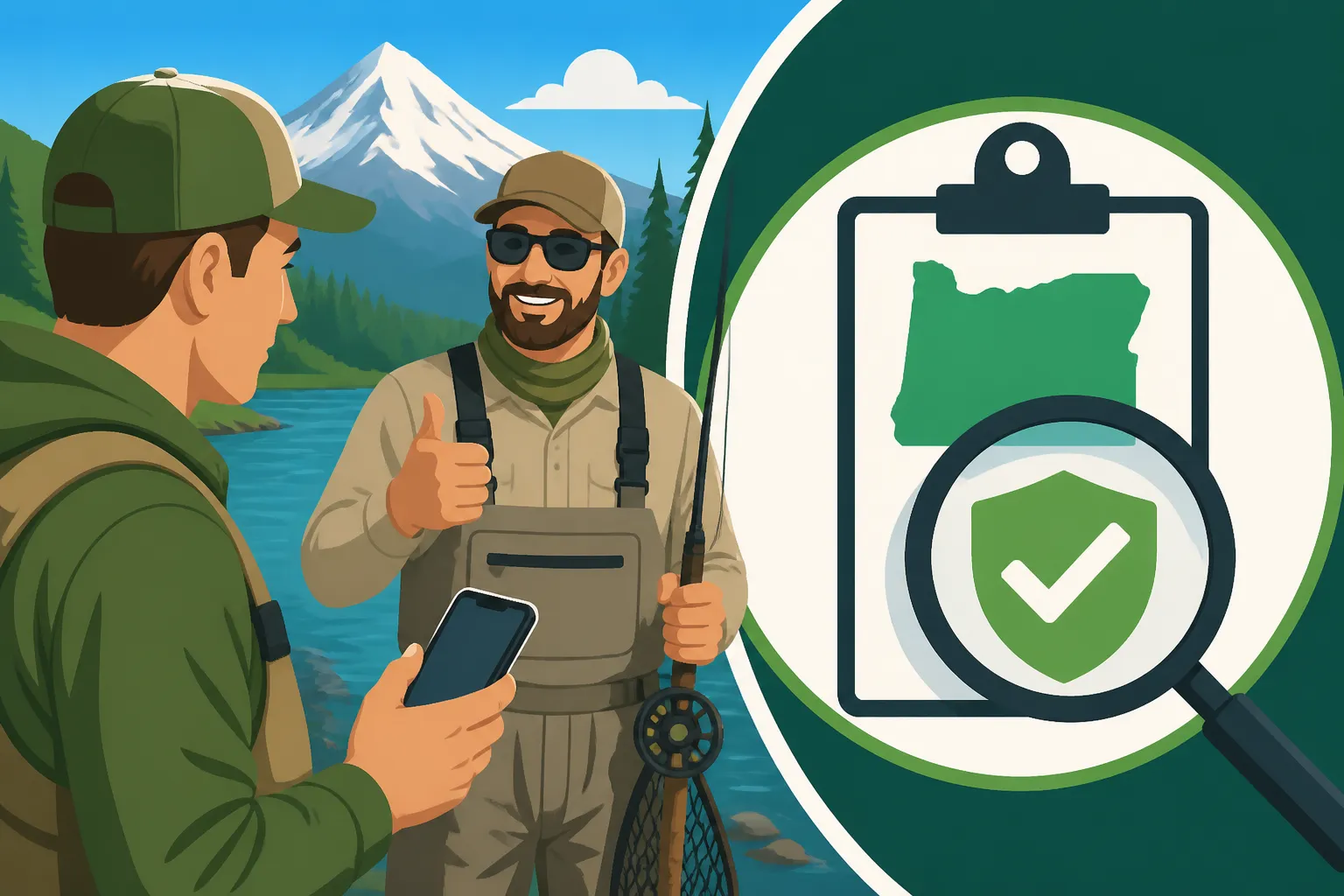
How to check if an Oregon guide has a valid license
There’s nothing quite like the excitement of planning an Oregon fishing trip. You’re dreaming of the majestic rivers, the abundant coast, and that exhilarating tug on your line. But with so many guides and charter services out there, a common worry quickly creeps in: how do you know if the person leading your adventure is legitimate, qualified, and operating within the law? It's a huge source of anxiety for many anglers, and rightfully so. This guide is here to cut through the confusion and show you exactly how to verify an Oregon fishing guide's license, giving you the peace of mind to focus on landing that trophy catch.
Why Verifying Your Guide's License Matters So Much
Booking a fishing guide is an investment in an experience, and just like any significant investment, you want to make sure you’re putting your trust (and your hard-earned money) in the right hands. It’s not just about avoiding a bad day on the water; it’s about safety, legal compliance, and supporting the integrity of Oregon's fantastic fishery.
Peace of Mind for Your Trip
Imagine you’re out on the Columbia River, rod in hand, when suddenly an unexpected issue arises – maybe an accident, or an equipment malfunction. If your guide isn't properly licensed, things can go from an exciting adventure to a nightmare very quickly. An unlicensed guide likely doesn't carry the necessary commercial insurance that legitimate operators do. This means if something goes wrong, you could be left without recourse, facing medical bills or equipment replacement costs out of your own pocket. Knowing your guide is licensed assures you that they’ve met certain standards for safety and operational knowledge, giving you the confidence to truly relax and enjoy your time on the water. It’s about having that crucial layer of protection, not just for you, but for everyone aboard.
Protecting Oregon's Fisheries
Oregon's natural resources are a treasure, and maintaining their health requires adherence to strict regulations. Licensed fishing guides are obligated to understand and follow these rules, including things like Oregon Fishing Regulations Explained, bag limits, size restrictions, and season dates. They are, in essence, frontline stewards of the environment. An unlicensed guide, on the other hand, might cut corners, disregard regulations, or simply be unaware of them, potentially leading to overfishing, harming sensitive habitats, or even engaging in illegal activities. When you choose a licensed guide, you’re not just booking a trip; you're supporting ethical practices that help preserve the incredible fishing opportunities Oregon offers for future generations. Avoiding Oregon Fishing Violations and Penalties is paramount, and a licensed guide is your best defense against inadvertently breaking the law.
The Mark of a Professional
A valid license is more than just a piece of paper; it’s a strong indicator of professionalism and a commitment to the craft. To become licensed, guides typically undergo training, demonstrate knowledge of local waters and regulations, pass safety exams, and maintain certain certifications. This process ensures they possess the skills and expertise to not only put you on fish but also to do so safely and responsibly. Think of it like hiring any other professional – you wouldn't hire an electrician without confirming their license, right? The same principle applies here. A licensed guide signals that they’re serious about their business, knowledgeable about the local ecosystem, and dedicated to providing a high-quality experience. They’ve invested in their career and in your safety and success. When you search for your next adventure on platforms like FishingBooker, you'll often see these credentials clearly displayed, making your choice easier.
Where to Find Oregon Fishing Guide License Information
So, you’ve found a potential guide and you're ready to do your due diligence. Where do you start looking for that all-important license verification? Oregon has specific agencies that oversee the licensing of fishing guides, and knowing where to go is key.
The Official Source: Oregon State Marine Board (OSMB)
The primary authority for issuing fishing guide and outfitter licenses in Oregon is the Oregon State Marine Board (OSMB). They are responsible for ensuring that guides operating on Oregon's inland and coastal waters meet specific criteria, which often include safety courses, first aid/CPR certification, and a commitment to safe boating practices.
To check an individual's guide license, you generally need to visit the OSMB's official website. While the exact navigation might change over time, look for sections related to "licenses," "permits," or "guide information." They typically have an online search tool where you can input a guide’s name or, if you have it, their specific guide license number. This tool will usually confirm if the license is active, when it expires, and for what type of guiding it is valid. This direct lookup is the most reliable way to verify an Oregon fishing guide's credentials. It’s also where you might find information if you're curious about How to look up an Oregon fishing license purchase for yourself.
Other Regulatory Bodies and Endorsements
Depending on where and what kind of fishing you're planning, your guide might need additional certifications or permits beyond the basic OSMB guide license.
- U.S. Coast Guard (USCG): If your trip involves navigable waters, especially ocean fishing or larger rivers like the Columbia, your guide’s vessel and the guide themselves might need to comply with U.S. Coast Guard regulations. This includes the guide possessing a Merchant Mariner Credential (often called a "Captain's License") for operating for-hire vessels. While OSMB covers state licensing for guiding activities, the USCG oversees the safety and operation of commercial vessels. You can often verify USCG credentials through their online databases, though this is a separate process from OSMB. For ocean adventures, you might also need to consider if your guide is operating under specific federal permits for certain species.
- Special Endorsements: Remember that even licensed guides need to adhere to specific endorsements depending on where they fish. For example, if you're hitting the ocean for halibut or rockfish, your guide should hold an Oregon Ocean Endorsement or similar federal permits for certain species. If you're on the Columbia River, they’ll need the Oregon Columbia River Basin Endorsement. These aren't guide licenses in themselves but necessary additions to ensure legal operation in specific areas. Always confirm these details for the particular trip you’re booking.
- Booking Platforms and Reputable Services: Many online booking platforms, such as FishingBooker, act as a fantastic resource. These platforms often pre-verify guides’ licenses and credentials as part of their listing process. When you browse for a charter or guide on FishingBooker, you’ll typically see details about the guide's experience, their vessel, and sometimes even their license numbers or certifications. This adds a layer of convenience and trust, as these platforms have an interest in ensuring their listed guides are legitimate and qualified. They consolidate information, making it easier for you to find a reputable guide without having to navigate multiple government websites yourself right at the start.
What to Look For in a Valid Oregon Fishing Guide License
Once you're looking at a guide's credentials or information from the OSMB, what exactly should you be scrutinizing? There are specific details that scream "legit!" and others that might raise a brow.
Key Details to Confirm
When you find the guide's license information, either directly from the OSMB or through a reputable platform like FishingBooker, here’s your checklist:
- Active Status: Is the license currently "active" or "valid"? A lapsed or expired license means they are not legally allowed to guide. It’s a pretty clear-cut rule, and yet some people try to operate on old paperwork.
- Correct Name Match: Does the name on the license exactly match the name of your guide and the business they are operating under? Sometimes guides work for an outfitter, so ensure the outfitter's license is valid or that the individual guide is properly listed under that outfitter. Discrepancies here can be a red flag.
- Expiration Date: Always check the expiration date. Licenses are not forever, and a guide might have a perfectly valid license that’s due to expire next week, which could affect your trip if it runs into the renewal period. Most licenses are annual, so you're generally looking for something valid for the current year.
- Type of Guiding/Operating Authority: Does the license cover the specific type of guiding you're interested in? Some licenses might be for small craft, while others are for larger vessels, or even specific species or waterways. Ensure the scope of their license aligns with your planned trip. For instance, a basic Oregon Fishing License Guide is for individual anglers, not commercial guides.
Beyond the Basic License: Additional Requirements
While the OSMB guide license is foundational, a truly professional and compliant guide will often have more in their arsenal. These extra layers of certification and insurance speak volumes about their dedication to safety and client care.
- U.S. Coast Guard Credentials: As mentioned, if you're fishing in waters regulated by the USCG (like the ocean, larger bays, or parts of the Columbia River), your guide should hold a Merchant Mariner Credential. This demonstrates a higher level of maritime safety training and navigation expertise. You can ask for their "Captain's License" number.
- First Aid and CPR Certifications: Accidents can happen anywhere, even on the most serene fishing trip. A responsible guide will maintain current First Aid and CPR certifications, ensuring they are prepared to handle medical emergencies. While often a requirement for their main license, it’s always good to confirm.
- Commercial Liability Insurance: This is absolutely critical for your protection. A licensed guide typically carries commercial liability insurance to cover incidents, accidents, or negligence. Without it, you could be left in a very vulnerable position if something goes wrong. Don't be shy about asking if they are insured and what their coverage entails. Reputable services like FishingBooker often require guides to have this in place.
- Specialized Permits: Beyond the general fishing guide license, some specific fisheries, like those for protected species or in certain federal lands (e.g., national forests), may require additional permits. These are less about the general guide qualification and more about legal access to particular resources.
- Vessel Registration and Safety Gear: While not strictly part of the guide's license, a professional guide's vessel should be properly registered with the state and carry all required safety equipment (life jackets, flares, fire extinguisher, etc.). The OSMB and USCG have strict requirements here.
| Aspect | Licensed Guide | Unlicensed Guide |
|---|---|---|
| Legal Operation | Operates legally, recognized by state/federal authorities. | Operates illegally, subject to fines and penalties. |
| Insurance | Typically carries commercial liability insurance for client protection. | Unlikely to have proper insurance, leaving clients vulnerable in case of incident. |
| Safety Standards | Meets required safety training, vessel inspections, and equipment standards. | May not meet any safety standards, increasing risk to clients. |
| Regulatory Knowledge | Knowledgeable about Oregon Fishing Regulations Explained and bag limits. | May be unaware of or disregard regulations, potentially causing violations. |
| Accountability | Accountable to regulatory bodies; can be reported for misconduct. | No official accountability; difficult to address issues or complaints. |
| Professionalism | Invested in their business, often with training and certifications. | May be fly-by-night, with less commitment to client experience or safety. |
Asking the Right Questions
Sometimes the best way to confirm legitimacy is simply to ask directly. A reputable guide will be transparent and happy to provide you with the information you need. Here's a quick list of questions to consider asking:
- "Are you licensed by the Oregon State Marine Board?"
- "What is your OSMB guide license number?" (You can then use this to look them up yourself.)
- "Do you hold a U.S. Coast Guard Merchant Mariner Credential if we’re fishing ocean or large navigable rivers?"
- "Are you insured for commercial guiding operations, and what does that cover?"
- "What additional permits or endorsements do you have for this specific trip (e.g., Oregon Ocean Endorsement, Columbia River Basin Endorsement, or special federal permits)?"
- "How long have you been a licensed guide in Oregon?"
A confident, clear answer to these questions is a good sign. Hesitation, vagueness, or an unwillingness to provide details should certainly give you pause. Remember, you're looking for someone to safely and effectively lead you on the water, whether it's for a quick day trip or Oregon Multi-Day Fishing License Options. They should be proud of their credentials.
Common Pitfalls and Red Flags to Watch Out For
While most Oregon fishing guides are legitimate and professional, it's wise to be aware of potential red flags that might indicate an unlicensed or unethical operator. Being a discerning client protects you and helps maintain the high standards of the guiding industry.
Vague Answers and Evasiveness
If you ask a guide about their licensing or insurance and they give you a non-answer, change the subject, or act annoyed by the question, consider it a serious warning sign. A legitimate guide understands that clients have a right to know they are in safe and legal hands. They will likely be proactive in sharing this information or at least happy to respond directly. Evasive language like "Oh, don't worry about that, I've been doing this for years," or "It's all taken care of" without specifics, is a classic tactic to avoid revealing a lack of proper documentation. It might feel uncomfortable to press for details, but remember, it’s about your safety and legal protection, especially if you're exploring Oregon Family-Friendly Fishing Charters where safety is paramount for young anglers.
Deals That Seem Too Good to Be True
Everyone loves a bargain, but be very cautious of fishing guide services that offer significantly lower prices than their competitors. While some guides might offer introductory rates or special promotions, a price point that seems drastically out of line with the market average for Oregon Fishing Charter Costs could be a sign that corners are being cut. These cuts might include operating without proper licenses, lacking insurance, or using subpar equipment. Reputable guides have overhead costs for licenses, insurance, boat maintenance, gear, and marketing. If a guide is undercutting everyone else, they might not be factoring in these essential expenses, which often means they’re operating outside the legal framework. Always compare rates and, if a deal seems too good to be true, it probably is.
No Verifiable Online Presence or Reviews
In today's digital age, most legitimate businesses have some form of online presence. This could be a professional website, an active social media page, or listings on popular booking platforms like FishingBooker. While a brand new guide might be building their presence, a complete lack of any searchable information, client testimonials, or business details should make you wonder. Be wary of guides who operate purely through word-of-mouth without any digital footprint, especially if they are difficult to contact or don't have a professional booking process. Reputable guides want to be found and will showcase their experience and client successes. The absence of reviews or any online trace makes it incredibly difficult to assess their credibility and reliability, and leaves you without a way to verify their reputation, which is a crucial part of How to Choose an Oregon Fishing Guide.
By being vigilant and knowing what questions to ask and where to find the answers, you can ensure your Oregon fishing adventure is not only successful but also safe, legal, and truly memorable.
Disclaimer
This article is for general informational purposes only and does not constitute professional advice. Laws, prices and regulations vary by location and change over time. Consult a qualified professional for guidance on your specific situation.