Is there a bounty for pikeminnow in Oregon?
It’s incredibly frustrating when you hear about native fish populations struggling, especially when it’s due to an invasive species that seems to be thriving. Many anglers in Oregon wonder what can be done to help, and if there are any official programs to encourage participation in managing these problematic fish. This guide will dive deep into the specific program designed to address the northern pikeminnow population in Oregon, clarify what it entails, and how you can get involved to make a difference while potentially earning some rewards for your efforts.
Understanding the Northern Pikeminnow Challenge in Oregon's Waters
When you think of Oregon fishing, majestic salmon and fighting steelhead often come to mind. These iconic species are not just cherished by anglers; they are vital to the state's ecosystem and cultural heritage. However, certain challenges can put immense pressure on these native fish, and one significant, often overlooked, threat comes from an abundant predator: the northern pikeminnow.
Why Pikeminnow are a Problem in Oregon
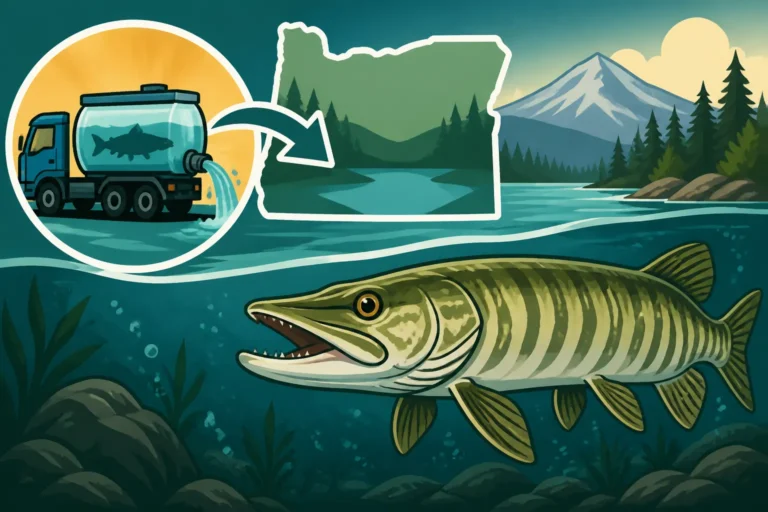
Imagine a critical migration corridor like the mighty Columbia River. For juvenile salmon and steelhead, known as smolts, this journey to the ocean is fraught with peril. They're small, vulnerable, and trying to navigate a vast, often dangerous waterway. Unfortunately, the Columbia and Snake rivers, particularly in the lower and middle stretches, have become prime hunting grounds for the northern pikeminnow. These native predators of the Columbia Basin are opportunistic feeders, and they have developed a strong taste for these migrating smolts.
The problem isn't that pikeminnow are inherently "bad" fish, but rather their sheer abundance in certain areas, coupled with a preference for easy prey. As human activities have altered river systems, creating more slack water areas and increasing water temperatures in some spots, pikeminnow populations have sometimes exploded. More pikeminnow means more mouths to feed, and unfortunately, a significant portion of their diet in these specific areas consists of young salmon and steelhead. This predation can severely impact the survival rates of these already vulnerable native fish, making it harder for them to reach the ocean and complete their life cycle. It's a real head-scratcher for conservationists and anglers alike, as we all want to see healthy populations of our prized anadromous species. That's why folks often ask, Why does Oregon want to remove northern pikeminnow?
Not All Pikeminnow are Created Equal
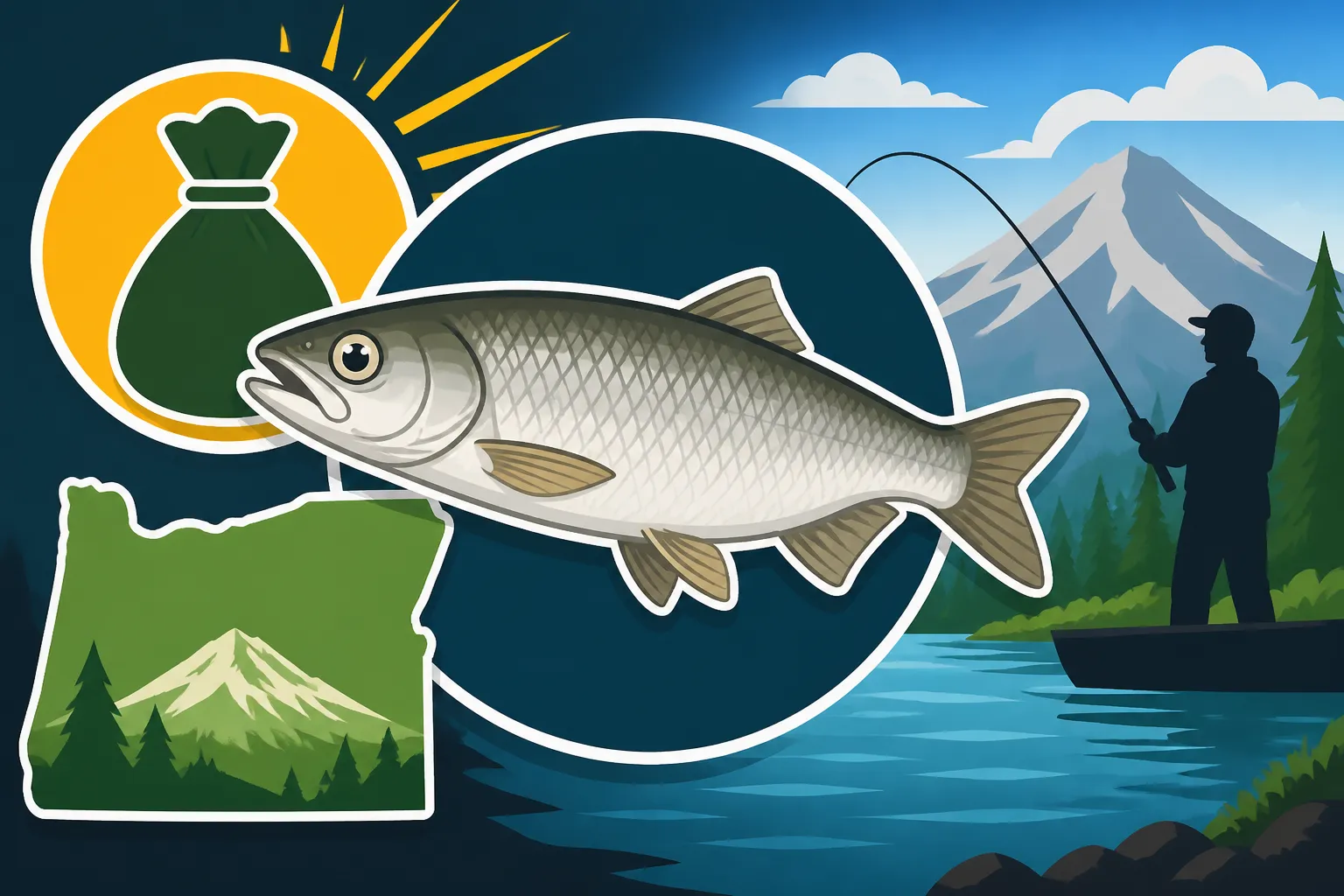
It's important to clarify that when we talk about "pikeminnow" as a problem, we're almost exclusively referring to the northern pikeminnow (Ptychocheilus oregonensis). Oregon is home to several native minnow species, and not all of them pose the same threat or are part of any management program. The northern pikeminnow is identifiable by its large mouth, cylindrical body, and often somewhat greenish-brown back with silvery sides. They can grow quite large, sometimes exceeding 20 inches, which makes them formidable predators.
Anglers sometimes confuse them with squawfish, which is an older, now generally disfavored common name for the same species. Other minnow species, like redside shiners or chiselmouth, are much smaller and don't typically consume salmon smolts to the same extent. So, when you're out on the water with the intention of helping with pikeminnow control, it's crucial to be able to correctly identify your target. Misidentification could lead to accidentally harvesting non-target species. Always consult the Oregon Fishing Regulations Explained or your local fish and wildlife resources for identification guides if you're unsure.
The Pikeminnow Sport Reward Program: What it is and How it Works
When people ask if there's a "bounty" for pikeminnow in Oregon, they're typically referring to a well-established initiative known as the Northern Pikeminnow Sport Reward Program. This isn't your old-school, wild west bounty hunt, but rather a structured and scientifically-backed program designed to tap into the power of recreational angling for a significant conservation goal.
Is it a "Bounty"? The Official Program Name and Purpose
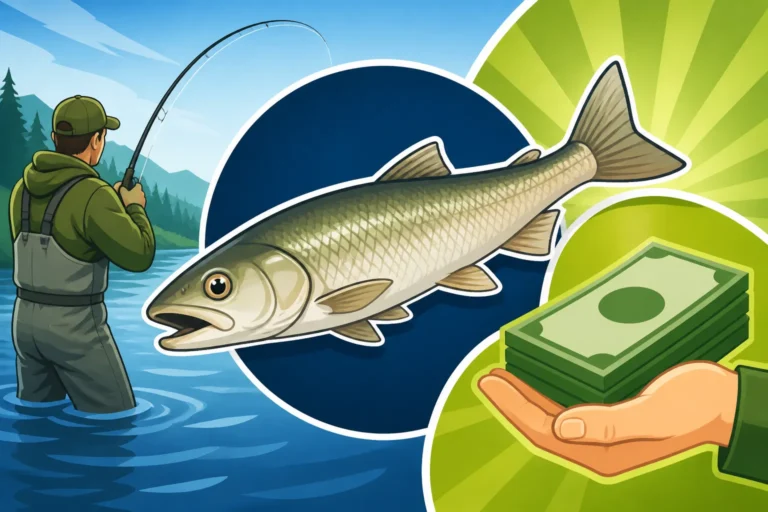
While many informally call it a "bounty," the official name is the Northern Pikeminnow Sport Reward Program. It's jointly managed by the Bonneville Power Administration (BPA), which funds it, and state fish and wildlife agencies in Oregon and Washington. The primary goal is straightforward: reduce the number of northern pikeminnow, specifically those over nine inches long, in the mainstem Columbia and Snake rivers. Why? Because these larger pikeminnow are the most voracious predators of juvenile salmon and steelhead. By removing a significant portion of these larger predators, the program aims to increase the survival rate of precious native salmon and steelhead smolts as they migrate to the ocean.
This program has been incredibly successful over the years, proving that recreational anglers can play a direct and meaningful role in ecosystem management. It’s a win-win: anglers get to enjoy a day on the water, potentially catch a lot of fish, and earn money, all while contributing to the recovery of endangered species. The reward structure is designed to incentivize volume, meaning the more pikeminnow you catch, the more you can earn. For specific details on how the rewards are structured, you might want to look up How much is the pikeminnow reward per fish. It’s a compelling reason to participate!
How to Participate and Earn Rewards (The Basics)
Getting involved in the Northern Pikeminnow Sport Reward Program is fairly straightforward, but it requires adherence to the program's rules and procedures, which can vary slightly year to year.
First, you'll need to register. This can often be done online through the program's official website or in person at one of the designated check stations during the season. Registration typically involves providing some personal information and acknowledging that you understand the program rules. You’ll definitely need a valid Oregon fishing license for the waters you intend to fish. Details on obtaining one can be found in our Oregon Fishing License Guide.
Once registered, you can start fishing! The program operates on the mainstems of the Columbia and Snake rivers, including tributaries up to specific boundaries (like the Willamette River up to Willamette Falls). This program doesn't generally apply to other waters in Oregon, so don't head to a high Cascade lake expecting to turn in pikeminnow for cash. You can use conventional angling methods – rod and reel – but always make sure you’re following all other general Oregon Fishing Regulations Explained for the specific body of water.
The key to earning rewards is catching northern pikeminnow that are at least nine inches long. Smaller fish, while still pikeminnow, aren't eligible for the reward, as the focus is on the larger, more predatory individuals. When you catch eligible fish, you'll need to keep them on ice or in a cooler to preserve them. At the end of your fishing day (or trip), you take your catch to an official check station. These stations are usually located at popular boat ramps or marinas along the Columbia and Snake rivers. At the check station, trained staff will count your fish, measure them to ensure they meet the minimum length requirement, and collect a small part of each fish (usually the head) for biological data collection. They'll also record your catch and pay you your rewards based on the current program rates.
It's absolutely essential to check the program's official website for the most current rules, check station locations, operating hours, and reward structure before you go. These details can and do change seasonally. Always be prepared with a cooler, plenty of ice, and your valid fishing license. This isn't just a fun way to spend a day; it's a serious contribution to conservation, and following the rules ensures the program's integrity and effectiveness.
Beyond the Reward: Broader Conservation Efforts
While the Sport Reward Program offers a tangible incentive, the spirit of conservation often extends far beyond just earning a few dollars. Anglers, by their very nature, are often stewards of the environment, deeply connected to the health of the waters they fish.
The Role of Anglers in Ecosystem Management
Even if you're not actively participating in the pikeminnow reward program, your actions as an angler can significantly contribute to healthy ecosystems. For instance, being knowledgeable about invasive species – not just pikeminnow, but others like smallmouth bass or certain aquatic plants in specific Oregon waters – and reporting unusual sightings can be incredibly helpful. Understanding Oregon Fishing Season Dates and Limits and adhering to them for all species ensures sustainable harvesting.
Responsible angling practices are paramount. This includes proper catch-and-release techniques for native and protected species like wild steelhead, avoiding the spread of aquatic invasive species by cleaning your gear, and simply being observant of changes in the environment. Anglers spend countless hours on the water, making them excellent eyes and ears for wildlife agencies. Your passion for fishing naturally positions you as a critical partner in the ongoing effort to protect and restore Oregon's diverse aquatic habitats. Every time you pick up litter along the bank or report a poaching incident, you're actively contributing to the health of the system.
Other Approaches to Pikeminnow Control
While the Sport Reward Program is a highly visible and successful method for reducing pikeminnow populations, it's not the only strategy in play. Fisheries managers employ a multifaceted approach to address the overall health of the Columbia River Basin and other waterways.
One historical approach, though not currently as widespread for pikeminnow, involves commercial harvests. In some cases, targeted commercial fishing efforts can remove large numbers of a problematic species. Habitat restoration also plays a crucial role. By restoring natural river flows, improving water quality, and creating more diverse habitats, we can sometimes favor native species and make environments less hospitable to invasive ones. For instance, maintaining colder water temperatures and complex river structures can benefit salmon and steelhead, while potentially reducing the optimal habitat for pikeminnow.
Ongoing research is also vital. Scientists continuously study pikeminnow behavior, diet, reproductive patterns, and population dynamics to refine control strategies. This scientific understanding helps ensure that programs like the Sport Reward Program are as effective and efficient as possible, targeting the right fish in the right places at the right times. It’s a complex puzzle, but every piece, from the angler with a rod to the research scientist in a lab, contributes to the bigger picture of conservation. Understanding the broader context, such as What is the Columbia River Basin Endorsement for Oregon anglers, can also shed light on regional conservation efforts.
Practical Tips for Targeting Pikeminnow
If you’re ready to roll up your sleeves and try your hand at catching northern pikeminnow, whether for the reward program or just for sport, a few practical tips can help you be more successful. These fish can be a blast to catch, offering plenty of action, especially on light tackle.
Best Baits and Lures for Pikeminnow
Pikeminnow aren't generally picky eaters, which is part of their success as predators. This means you have a variety of options when it comes to bait and lures.
For bait, traditional options often work best. Worms, particularly nightcrawlers, are a universal favorite. Cut bait, such as small pieces of squid or fish, can also be very effective, mimicking the injured prey they often target. Some anglers even use commercially available fish scents or attractants, often applied to soft plastic baits or even natural baits, to draw in curious pikeminnow. A simple bobber and bait setup or a bottom rig with a weight and a snelled hook can be very productive.
When it comes to lures, smaller, flashy presentations tend to be the ticket. Spinners, especially in silver, gold, or brass finishes, are excellent choices. Sizes similar to those you might use for trout, like #1 or #2 Mepps or Rooster Tail spinners, often do the trick. Small jigs, perhaps tipped with a piece of worm or a scented soft plastic, can also be highly effective, especially when fished near the bottom or in slower currents. Small crankbaits or spoons that mimic baitfish are also worth trying. Remember, the idea is to imitate something an opportunistic predator would find easy to snatch. Many of these lures are readily available from retailers like Amazon. For more general information on what entices fish, you can also check out Best Bait for Oregon Trout Fishing or Best Lures for Oregon Salmon Fishing for ideas that might cross over.
Where and When to Find Pikeminnow
Finding pikeminnow often means thinking like a predator. They prefer areas where they can ambush prey without expending too much energy. This often translates to slower-moving water, eddy lines, and seams where fast current meets slower water. Look for them in the slack water behind rocks, bridge pilings, or submerged logs. They also tend to congregate in deeper holes or depressions in the riverbed.
During the warmer months, roughly from late spring through early fall, pikeminnow are generally more active and feed more aggressively. This coincides with the peak outmigration of salmon and steelhead smolts, which is why the reward program typically runs during these times. They'll often be found in the main channels of the Columbia and Snake rivers, especially near confluences where tributaries meet the main stem, as these are natural migratory pathways for young salmon. If you're wondering How to read water for trout fishing, many of those same principles apply to finding where other river fish, including pikeminnow, might hold.
Additionally, areas with man-made structures like dams or locks, which can concentrate both predators and prey, are often good spots. While you need to be mindful of specific regulations around these structures, the general principle of targeting bottlenecks or areas where fish congregate holds true. Always remember to check the specific boundaries for the reward program on the official website, as they are very precise about eligible fishing locations. For broader context on fishing locations, consider reading Columbia River Fishing Guide.
Here's a quick look at the Northern Pikeminnow Sport Reward Program:
| Feature | Description |
|---|---|
| Program Name | Northern Pikeminnow Sport Reward Program |
| Goal | Reduce predation on juvenile salmon and steelhead in the Columbia and Snake rivers. |
| Target Species | Northern Pikeminnow (Ptychocheilus oregonensis) |
| Eligible Size | Fish 9 inches or longer |
| Operating Area | Mainstem Columbia River and Snake River (check official program for specific boundaries and tributaries) |
| Program Duration | Typically runs through warmer months (check official program for exact dates annually) |
| How to Participate | Register online or at designated check stations, fish with a valid license, turn in eligible fish at check stations for payment. |
| Key Requirement | Valid Oregon (or Washington) fishing license. |
| Conservation Impact | Directly supports recovery of native salmon and steelhead populations by reducing predator numbers. |
The question of whether there's a "bounty" for pikeminnow in Oregon is more than just a simple yes or no; it opens the door to understanding a remarkable conservation program. The Northern Pikeminnow Sport Reward Program is a testament to how angling can be a powerful tool for environmental stewardship, turning a challenge into an opportunity for both ecological benefit and personal reward. So, if you're looking for an active way to contribute to the health of Oregon's native fish populations while enjoying a day on the water, targeting northern pikeminnow might just be the perfect endeavor for you.
Disclaimer
This article is for general informational purposes only and does not constitute professional advice. Laws, prices and regulations vary by location and change over time. Consult a qualified professional for guidance on your specific situation.