Best alpine lake fishing in the Cascades
The call of the high country, where jagged peaks scrape the sky and glacial-fed waters hide elusive trout, is a powerful one for many anglers in Oregon. But finding those pristine alpine lakes in the Cascades, knowing how to reach them, and understanding what to expect once you're there, can feel like trying to crack a secret code. You dream of casting a line into crystal-clear water with no one else around, but the logistics often feel overwhelming. This guide is here to demystify the incredible world of Oregon's alpine lake fishing, helping you plan your perfect high-elevation adventure.
The Allure of Alpine Lake Fishing in Oregon's Cascades
There's something uniquely captivating about fishing in an alpine lake. It’s not just about catching fish; it’s about the entire experience—the crisp mountain air, the stunning panoramic views, and the profound sense of solitude that often accompanies these remote destinations. For many, it’s a spiritual retreat as much as it is a fishing trip.
Why Alpine Lakes Are So Special
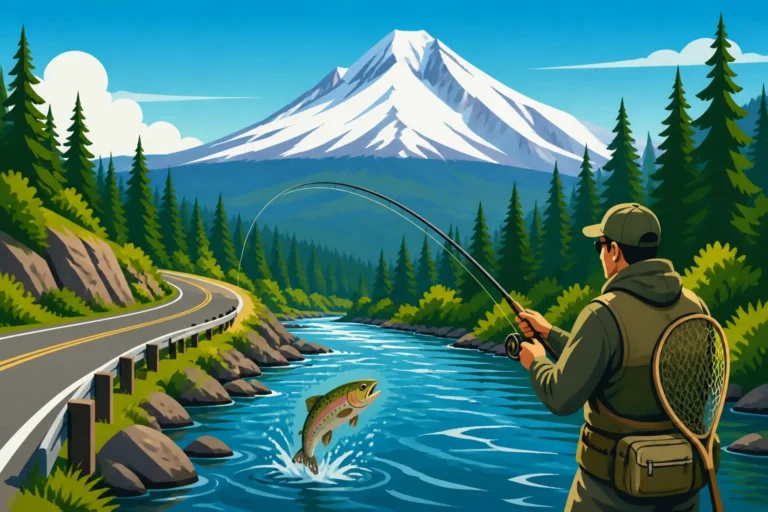
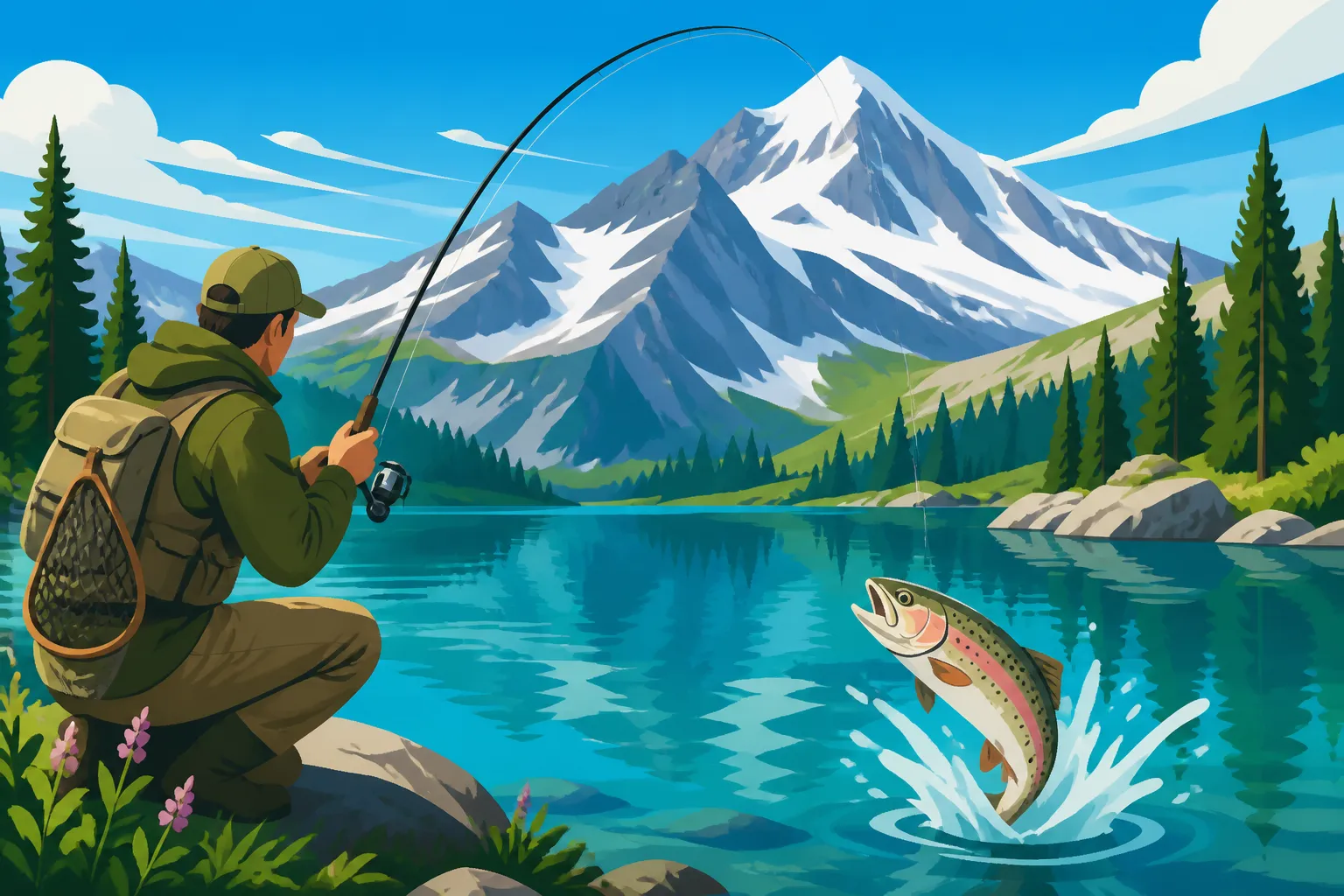
Imagine standing by a lake so clear you can see every pebble on the bottom, surrounded by towering ancient forests and snow-capped peaks. That's the essence of alpine lake fishing. These high-elevation waters, often carved by glaciers and fed by snowmelt, are ecological islands. The fish, typically various species of trout like Rainbow, Brook, or Cutthroat, have adapted to these harsh, nutrient-poor environments, making them incredibly resilient and often brightly colored. You're far from the hustle and bustle of city life, the roar of traffic replaced by the whisper of the wind through the pines and the occasional splash of a rising trout. The sheer beauty and quietude offer a mental reset that few other fishing experiences can match.
Many of these lakes are regularly stocked by the Oregon Department of Fish and Wildlife (ODFW) via aerial drops, ensuring a healthy population even in remote areas where natural reproduction might be limited. This means while you might work hard to get there, your chances of a rewarding day are often quite good. It’s a chance to connect with nature on a deeper level, to test your angling skills in challenging but incredibly beautiful settings, and to potentially find that trophy trout that's been growing fat on the limited but protein-rich insect life.
Common Challenges and Rewards
Let's be real, getting to many of the best alpine lakes in Oregon isn't a walk in the park. Access often involves significant hiking, sometimes over rugged terrain with considerable elevation gain. You might encounter unpredictable weather, from scorching sun to sudden thunderstorms or even late-season snow flurries, all within a single day. Mosquitos can be ferocious during certain times of the year, and packing in all your gear for an overnight trip requires careful planning and a sturdy backpack. This isn't a "pull up in your car and cast" kind of experience for most prime spots.
However, the rewards far outweigh these challenges. The fish you catch in these pristine waters are often vibrant and healthy, putting up a spirited fight. The sense of accomplishment from earning your fish in such a wild setting is immense. Imagine cooking a freshly caught trout over a small campfire, surrounded by wilderness under a blanket of stars – that's a memory that lasts a lifetime. The peace and quiet are unparalleled, offering a true escape. Plus, you’ll often find fewer crowds than at more accessible fishing spots, giving you a real sense of wild adventure and personal discovery. The journey itself becomes part of the adventure, forging a stronger connection between you, your efforts, and the stunning natural beauty of Oregon’s Cascades.
Top Picks for Alpine Lake Fishing in the Oregon Cascades
Oregon's Cascade Range is dotted with hundreds of lakes, some easily accessible and others requiring serious backcountry commitment. We’ll highlight a few, from the more approachable high-elevation spots to the truly remote alpine gems.
High Mountain Gems Near Mount Hood
The area around Mount Hood offers some fantastic high-elevation fishing, many of which can be reached with moderate effort, making them great for a day trip or a quick overnight.
- Trillium Lake: While quite accessible (you can drive right to it), Trillium Lake sits at over 3,600 feet elevation and offers stunning views of Mount Hood. It’s frequently stocked with Rainbow Trout and makes an excellent spot for families or those new to high-country fishing. You can fish from shore, a float tube, or a small boat (electric motors only). The fishing here can be quite good, especially in the early mornings or late evenings with PowerBait, worms, or small spinners. It's a great example of how you don't always need to backpack miles to get a taste of mountain lake fishing.
- Lost Lake: Another relatively accessible high-elevation lake with a resort, Lost Lake offers incredible views of Mount Hood and good fishing for Rainbow Trout and Kokanee Salmon. It's larger than Trillium and has boat rentals. While it’s not a wilderness backpacking experience, its elevation and surroundings provide a distinct mountain feel.
- Serene Lake: Located in the Mount Hood National Forest, accessing Serene Lake usually involves a hike of a few miles, typically from the Still Creek Campground area. It lives up to its name, offering a tranquil setting and good fishing for Rainbow and Brook Trout. The journey isn't overly strenuous but provides enough challenge to feel rewarding. Pack a lunch and enjoy the peaceful surroundings, casting small dry flies or spinners into its clear waters.
Central Oregon's Pristine Alpine Waters
As you move south into the heart of the Cascades, particularly around Bend and Sisters, the true wilderness alpine lakes become more prominent. Many of these are within the Three Sisters Wilderness or Mount Jefferson Wilderness and require permits and serious hiking.
- Green Lakes: Nestled beneath the towering South Sister, Middle Sister, and Broken Top, the Green Lakes are a breathtaking chain of alpine lakes. This is a classic Central Oregon backpacking destination, typically involving a 4.5-mile hike (one way) from the Pole Creek trailhead or a longer hike from the Cascade Lakes Highway. The lakes hold Rainbow Trout, and the scenery is absolutely unparalleled. Fly fishing with small nymphs or dry flies can be very effective, especially during insect hatches. Remember, a wilderness permit is required for day or overnight use in designated areas.
- Moraine Lake: Also in the Three Sisters Wilderness, Moraine Lake is another stunning alpine destination, often accessed via a 5.5-mile hike from the Devils Lake trailhead. It offers superb views of South Sister and Mount Bachelor. Moraine Lake is known for its strong population of Brook Trout, which are often eager to bite. The seclusion here is a huge draw, and the crystal-clear water makes for exciting sight fishing opportunities. These high-country lakes are often best fished with light tackle and a stealthy approach.
- Jefferson Park Lakes: For a truly iconic and challenging experience, the lakes in Jefferson Park, beneath the majestic Mount Jefferson, are a must-see for serious backpackers and anglers. Access can be from various trailheads, with some routes involving 7-10 miles of hiking one way. This collection of small, pristine lakes offers some of the most rewarding high mountain trout fishing for Brook and Rainbow Trout. The journey is strenuous, but the reward of fishing in such an epic, undisturbed setting is immense. You'll definitely want to check current trail conditions and permit requirements before heading out.
Southern Cascades' Secluded Treasures
The southern reaches of the Oregon Cascades also hold their share of high-elevation and alpine fishing opportunities, from popular large lakes to more secluded wilderness areas.
- Waldo Lake: One of the purest large lakes in the world, Waldo Lake sits at an elevation of 5,400 feet, southwest of Bend. While you can drive to it, its incredible clarity and lack of motorboat use (electric motors only) give it a truly pristine feel. It’s known for Kokanee Salmon and Rainbow Trout. Fishing here can be challenging due to the water clarity, often requiring long leaders and subtle presentations. Fly fishing from a float tube or kayak is a popular and effective method. It’s a fantastic place for a quiet, contemplative fishing trip, and camping around the lake is a popular choice. For general information on other fishing trips and destinations, even if a remote alpine trip isn't for you, resources like FishingBooker can offer a wide array of options for different water bodies and species.
- Mountain Lakes Wilderness: Tucked away in the Fremont-Winema National Forest, the Mountain Lakes Wilderness is home to a cluster of beautiful, remote lakes, all within a volcanic caldera. Lakes like Lake Como, Lake Mary, and Mystic Lake are known for their Brook Trout and require a hike of several miles from various trailheads, typically ranging from 3 to 7 miles. This area offers a more primitive backpacking experience and fantastic fishing in a truly wild setting. Be prepared for self-sufficiency and wilderness navigation.
- Sky Lakes Wilderness: Situated north of Crater Lake National Park, the Sky Lakes Wilderness is a vast expanse of high country dotted with over 200 lakes and ponds. This is a paradise for adventurous anglers seeking solitude. Lakes like Luther Mountain Lake, Big Red Lake, and the Seven Lakes Basin offer excellent fishing for Brook, Rainbow, and Cutthroat Trout. Access varies from moderate to strenuous hikes. A multi-day backpacking trip here can provide an unforgettable fishing adventure, allowing you to explore different lakes and enjoy the remote beauty. Remember to consult an Oregon Fishing Regulations Explained guide before venturing into these areas, as rules can vary by zone.
Essential Gear and Techniques for Alpine Lake Success
Fishing in alpine lakes requires a slightly different approach than your typical river or lowland lake. Preparation is key, both in terms of your tackle and your personal gear.
Pack Smart: What to Bring
When heading into the high country, every ounce in your pack counts, especially if you're backpacking. However, being unprepared can quickly turn an incredible adventure into a miserable one.
- Clothing: Layers are your best friend. Even on a sunny summer day, mountain weather can change dramatically in minutes. Bring a waterproof and windproof outer shell, a warm fleece or down jacket, and synthetic base layers. A wide-brimmed hat, sunglasses, and gloves are also highly recommended. Sturdy, broken-in hiking boots are non-negotiable, and consider bringing an extra pair of socks.
- Navigation and Safety: A reliable map and compass, along with a GPS device or a smartphone with offline maps (like Gaia GPS or AllTrails), are crucial. Don't rely solely on your phone; batteries die. Carry a headlamp with extra batteries, a first-aid kit, a whistle, and a multi-tool. A personal locator beacon (PLB) or satellite messenger is a smart investment for truly remote trips.
- Food and Water: Pack high-energy, non-perishable food. A water filter or purification tablets are essential, as you'll want to replenish your water supply from streams or lakes. Never drink untreated water, even if it looks pristine.
- Fishing Gear:
- Rods: A lightweight 2-4 weight fly rod or a ultralight spinning rod (4-6 lb test line) is ideal. Consider a multi-piece rod for easy packing.
- Reels and Line: A matching reel spooled with appropriate line. For spin fishing, bring extra monofilament or fluorocarbon leader material.
- Tackle:
- Flies: A good selection of dry flies (Parachute Adams, Elk Hair Caddis, Royal Wulff), nymphs (Prince Nymph, Pheasant Tail, Hare's Ear), and small streamers (Woolly Bugger) in various sizes.
- Lures: Small spinners (Panther Martin, Rooster Tail) and spoons (Kastmaster, Little Cleo) in sizes 0-2 work wonders for spin fishing.
- Bait: Worms, PowerBait, or small chunks of cheese can be very effective, especially for stocked trout.
- Accessories: Forceps or hemostats for hook removal, small clippers, a net (preferably rubber or silicone to protect the fish), and a small tackle box or fly box. Don't forget bug spray and sunscreen! For larger freshwater pursuits in different areas of the state, perhaps a Columbia River Salmon Guide Trips, a different gear setup would be needed entirely.
Tactics for Tricky Trout
Alpine trout are often less pressured than their lowland counterparts, but their clear water environment can make them wary. Stealth and observation are key.
- Fly Fishing: This is often the most rewarding method in alpine lakes.
- Dry Flies: Look for rising fish, especially during hatches in the late morning or evening. Match the hatch if possible, but general attractor patterns often work well. Cast to seams, over submerged structure, or along weed lines.
- Nymphs: If fish aren't rising, go subsurface. Fish nymphs under an indicator or employ a tight-line nymphing technique. Focus on drop-offs, inlets, or areas with current.
- Streamers: Small streamers stripped near structure or across points can entice larger, more aggressive trout.
- Spin Fishing:
- Small Lures: Cast small spinners or spoons towards structure, drop-offs, or where you see fish activity. A slow, steady retrieve often works best, allowing the lure to flash and wobble naturally. Vary your retrieve speed and depth until you find what triggers a bite.
- Bait Fishing: A simple setup with a small hook, a bit of split shot, and a worm or PowerBait can be incredibly effective, especially for freshly stocked trout. Cast out, let it sink to the desired depth, and wait. Fishing off a float tube or even a kayak fishing spots in Oregon can help you cover more water and reach deeper spots.
- Stealth and Reading the Water: Approach the lake quietly. Trout in clear alpine waters have excellent eyesight. Look for submerged logs, rock piles, ledges, or weed beds – these are prime holding areas. Observe the water for signs of fish, like rises or subtle movements. Adjust your depth and presentation until you find what works. The best time to fish alpine lakes is often early morning or late evening when the sun is lower, and insect activity is higher.
Planning Your Alpine Lake Adventure
A successful alpine lake fishing trip requires more than just knowing where to go and what to bring. It involves understanding permits, regulations, and how to minimize your impact on these fragile ecosystems.
Access and Trail Considerations
The journey to an alpine lake is part of the experience. Many trailheads are accessible from scenic byways like the Cascade Lakes Highway or through various national forest roads.
- Permits: Many wilderness areas in the Oregon Cascades, especially popular ones like the Three Sisters Wilderness, require wilderness permits, even for day use. These are often free and self-issued at trailheads, but some quota areas require advanced reservations and fees, particularly during peak season. Always check the U.S. Forest Service or Bureau of Land Management websites for the specific area you plan to visit before you go. You don't want to get a fine before you even cast a line.
- Trail Conditions: High-elevation trails can remain snow-covered well into July, and sometimes even August, depending on the snowpack. Always check current trail conditions with the local ranger district before your trip. Muddy trails, downed trees, or washouts can significantly increase difficulty or even make a trail impassable.
- Difficulty Levels: Be realistic about your physical fitness. A "moderate" trail at sea level can feel much harder at 5,000 to 7,000 feet elevation with a backpack. Start with shorter, less strenuous hikes if you're new to alpine adventures.
- Best Times of Year: Late summer (August through September) is generally the prime window for alpine lake fishing in Oregon, as most of the snow has melted, and trails are clear. Early October can also be fantastic, with fewer bugs and stunning fall colors, but be prepared for colder temperatures and the possibility of early snow. Remember that Oregon Fishing Season Dates and Limits are also crucial to check before you head out.
Respecting the Wilderness and Regulations
Alpine environments are delicate and easily impacted. It’s our responsibility as anglers to protect them for future generations.
- Leave No Trace: Practice the seven principles of Leave No Trace: Plan Ahead and Prepare; Travel and Camp on Durable Surfaces; Dispose of Waste Properly; Leave What You Find; Minimize Campfire Impacts; Respect Wildlife; Be Considerate of Other Visitors. This means packing out everything you pack in, including fish guts, and properly burying human waste far from water sources and trails.
- Specific Regulations: While many alpine lakes have general trout regulations, some might have specific rules regarding bait restrictions, catch-and-release only, or special size limits. For example, certain areas might protect native species like Bull Trout, requiring immediate release. Always carry a copy of the current Oregon Fishing Regulations Explained booklet or have access to the digital version on your phone. Even for short trips, understanding rules like those for an Oregon 1-Day Fishing License or longer-term ones is vital.
- Wildlife: You're in their home. Store your food properly to deter bears and other critters. Give wildlife plenty of space.
- Fire Safety: If allowed, keep campfires small and use existing fire rings. Drown fires completely before leaving. During dry periods, fire bans are common and strictly enforced.
- Protect the Fishery: Handle fish gently, especially if you plan to release them. Wet your hands before handling, support their body weight, and return them to the water quickly. Consider using barbless hooks to minimize harm. While FishingBooker is a great resource for booking a wide variety of guided trips, for these delicate alpine ecosystems, embracing the self-guided, respectful wilderness adventure is often the most authentic and responsible approach.
| Lake Name | Primary Species | Access Difficulty | Recommended Technique | Notes |
|---|---|---|---|---|
| Trillium Lake | Rainbow Trout | Easy (drive-in) | Spin, Bait, Fly | Stunning Mt. Hood views, family-friendly |
| Serene Lake | Rainbow, Brook Trout | Moderate (2-3 mi hike) | Spin, Fly | Tranquil, good for day trips or quick overnights |
| Green Lakes | Rainbow Trout | Strenuous (4.5+ mi hike) | Fly | Iconic scenery, requires wilderness permit |
| Moraine Lake | Brook Trout | Strenuous (5.5+ mi hike) | Fly, Ultralight Spin | Incredible views of South Sister, remote |
| Waldo Lake | Kokanee, Rainbow Trout | Moderate (drive-in) | Fly, Trolling | One of the purest lakes, electric motors only |
| Mountain Lakes Wilderness | Brook Trout | Moderate-Strenuous | Fly, Ultralight Spin | Cluster of lakes in a caldera, primitive camping |
| Sky Lakes Wilderness | Brook, Rainbow, Cutthroat Trout | Moderate-Strenuous | Fly, Ultralight Spin | Vast area with many lakes, multi-day trips ideal |
Disclaimer
Fishing conditions and regulations in Oregon can change rapidly. Always consult the official Oregon Department of Fish and Wildlife (ODFW) website or printed regulations booklet before heading out on any fishing trip. This guide is for informational purposes only and should not be considered a substitute for official regulations or professional advice. User assumes all risks associated with any outdoor recreational activity.