Oregon fishing license for active duty military stationed out of state
It can be incredibly confusing to figure out fishing license requirements when you're serving our country, especially if you're stationed outside of Oregon. You want to enjoy some time on the water, but navigating state-specific regulations from a distance often feels like an uphill battle. This guide is here to cut through that confusion, explaining exactly what active duty military personnel stationed out of state need to know to legally fish in Oregon.
Understanding Oregon's Residency Rules for Military Personnel
One of the biggest hurdles many active duty military members face when planning a fishing trip to a different state is the question of residency. It's not always straightforward, and Oregon, like many states, has specific criteria that can be tricky to interpret, especially if your home is technically still Oregon but your boots are on the ground elsewhere.
The General Rule for Non-Residents
Generally speaking, if you're not considered a resident of Oregon, you're required to purchase a non-resident fishing license. We all know these licenses come with a significantly higher price tag than resident licenses, which can be a real bummer when you're just trying to enjoy a hobby. This general rule applies to the vast majority of people visiting Oregon to fish, but there are some critical exceptions and clarifications for military personnel that can potentially save you a lot of money and hassle.
Special Provisions for Active Duty Military
Oregon does have provisions to support its military members when it comes to fishing and hunting licenses. If you are an active duty member of the Armed Forces of the United States and you are officially stationed in Oregon, you and your immediate family members (spouse and dependent children) automatically qualify for resident licenses. This is a fantastic benefit for those living and working within the state's borders. However, the situation gets a little murkier, and often more frustrating, for those of you whose duty station is far from the Pacific Northwest.
When Out-of-State Military Can Qualify for Resident Rates
Now, let's talk about the specific scenario that often leaves people scratching their heads: active duty military stationed out of state but with ties to Oregon. The good news is, you might still qualify for Oregon resident fishing license rates even if you're not physically stationed within the state. The key here lies in proving your continued Oregon residency or that Oregon is your "home of record."
To qualify for a resident license while stationed out of state, you generally need to demonstrate that Oregon is your established legal residence. This usually means that immediately prior to entering military service, you were a bona fide resident of Oregon, and you have maintained that residency status throughout your military career. This isn't just a casual claim; it means you've continued to vote in Oregon elections, file Oregon state taxes (if applicable), maintain an Oregon driver's license, and generally haven't established residency in another state. If you can show clear and continuous proof of Oregon as your home of record, even while serving afar, the Oregon Department of Fish and Wildlife (ODFW) often allows you to purchase licenses at the resident rate. It’s about maintaining that verifiable connection to the state, regardless of where your current military orders have sent you.
Navigating the Application Process from Afar
Getting your Oregon fishing license sorted when you're stationed far away can seem daunting, but thankfully, the ODFW has made the process increasingly user-friendly, especially with online options. Still, there are some specific steps and documentation you'll need to prepare to ensure a smooth application.
Required Documentation to Prove Residency Even from Out of State
This is where the rubber meets the road. Even though you might be applying online, you'll likely need to provide documentation to prove your continued Oregon residency if you're seeking a resident-rate license while stationed out of state. The ODFW needs to verify that Oregon truly is your home of record or your legal domicile.
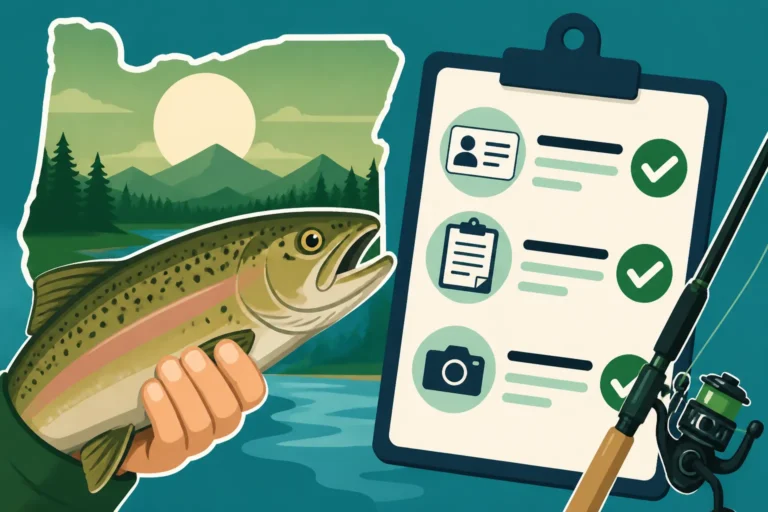
Typically, you'll need to be ready to present or submit copies of:
- Your military ID and current Leave and Earnings Statement (LES): This verifies your active duty status and can show your home of record or state of legal residence.
- An Oregon Driver's License or State ID Card: This is often the primary piece of identification that ties you to Oregon.
- Proof of Oregon voter registration: If you're still registered to vote in Oregon, that's a strong indicator of maintained residency.
- Oregon State Tax Returns: If you've continued to file Oregon state income taxes, this also demonstrates your residency.
- Proof of property ownership or long-term lease in Oregon: While not always required, this can further solidify your claim.
It's vital to have these documents readily available when you go to purchase your license, especially if you're trying to qualify for resident rates. ODFW personnel are diligent about verifying residency, and having everything in order will prevent delays.
Online vs. In-Person Purchase and the Out-of-State Challenge
For active duty military stationed out of state, purchasing your Oregon fishing license online through the ODFW's Electronic Licensing System (ELS) is almost certainly your best bet. It completely removes the practical difficulty of finding an authorized license agent in person when you're thousands of miles away. The online system is generally straightforward, allowing you to select your license type, input your personal information, and pay with a credit card.
Once purchased, you can often print a temporary license immediately, or even display it on your smartphone, which is incredibly convenient. The days of needing a physical paper license immediately are largely gone, and carrying your license electronically is typically accepted by game wardens. This digital flexibility is a huge benefit for those of you who might be planning a short trip back to Oregon and need to get legal quickly before you arrive. You can even check out the details on How to Renew an Oregon Fishing License Online if you're a returning angler.
The Role of the Oregon Department of Fish and Wildlife ODFW
The Oregon Department of Fish and Wildlife is your ultimate resource for clarification on any unique military residency situations. While this guide provides general information, every individual's circumstances can be slightly different. If you have any doubts about your eligibility for resident rates, or if you encounter issues during the online application process, don't hesitate to reach out to ODFW directly.
Their customer service staff are typically very helpful and can provide the most current and accurate information specific to your situation. They can guide you through what documentation you'll need to submit and clarify any nuances in the law that apply to active duty military personnel, including those stationed out of state. It’s always better to get clarification directly from the source rather than risking a violation when you're out on the water.
Types of Licenses and Endorsements to Consider
Once you've sorted out your residency status and the application process, the next step is understanding what kind of license and any necessary endorsements you'll need. Oregon's fisheries are incredibly diverse, and different species or fishing methods require specific add-ons to your basic angling license.
Basic Angling License vs. Combined Angling Tag
The foundational piece for most fishing in Oregon is the Annual Angling License. This covers general fishing for species like trout, bass, panfish, and other common freshwater fish. However, if you're dreaming of battling a powerful salmon or steelhead, or targeting a prehistoric sturgeon, you'll need more than just the basic license.
This is where the Combined Angling Tag comes into play. Think of it as an essential upgrade for serious anadromous and trophy fish pursuits. The Oregon Combined Angling Tag Guide explains it in detail, but essentially, it's required if you plan to fish for salmon, steelhead, sturgeon, or halibut. This tag is often what separates a general fishing trip from a specific pursuit of these iconic Oregon fish. It covers your ability to retain these species, and without it, even if you land one, you'd have to release it (if legal to do so). Many military anglers coming home for a visit are eager to chase salmon or steelhead, so this tag is often a must-have.
Specific Endorsements for Certain Fisheries
Beyond the Combined Angling Tag, Oregon has a couple of additional endorsements that are tied to specific geographical areas or fishing types. Knowing whether you need these depends entirely on where and what you plan to fish.
- Oregon Ocean Endorsement: If your plans include fishing beyond the jaws of the coastal bays, out on the vast Pacific Ocean for species like bottomfish, lingcod, or halibut, then you'll need the Oregon Ocean Endorsement. This applies whether you're on a charter boat out of Newport, Depoe Bay, or going out in your own vessel. It's not required for crabbing or clamming, or for fishing within the bays themselves, but anything "ocean-side" definitely requires it.
- Oregon Columbia River Basin Endorsement: This endorsement is critical for anyone planning to fish salmon or steelhead in the Columbia River Basin, which includes the mainstem Columbia River, its tributaries like the Willamette River, and even some areas of the Snake River. If your focus is on the famous fall Chinook runs near Buoy 10 or the spring Chinook in the Willamette, you'll absolutely need this. Check out the Oregon Columbia River Basin Endorsement guide for more specifics. This is often required in addition to the Combined Angling Tag when targeting these species in that specific area.
Shellfish Licenses
Many military members returning to Oregon also enjoy the bounty of the coast, specifically crabbing and clamming. If this is part of your homecoming plan, you'll need an Oregon Shellfish License. This separate license covers the taking of all shellfish, including Dungeness crab, razor clams, and bay clams. It's a small investment for a potentially huge reward of delicious fresh seafood. Remember, regulations for crabbing and clamming can change frequently due to biotoxin closures, so always check the ODFW website before you head out.
Key Considerations and Tips for Military Anglers
Beyond the licenses themselves, there are a few important things to keep in mind to make your Oregon fishing experience as smooth and enjoyable as possible, especially when you're coordinating from a different state.
Staying Informed on Regulations
Oregon's fishing regulations are dynamic. They can change annually, and sometimes even during the season due to emergency closures, especially for salmon and steelhead. It's crucial, even when stationed far away, to stay on top of the most current rules before you cast a line. The ODFW publishes an annual fishing synopsis, which is your comprehensive guide to bag limits, season dates, open areas, and gear restrictions. You can usually download this as a PDF from their website. Knowing the rules about Oregon Fishing Regulations Explained will save you from potential fines or inadvertently breaking the law. A quick search before your trip will help confirm that nothing has changed drastically since you last checked.
Planning Your Oregon Fishing Trip
For active duty military returning for a visit, maximizing your limited time on the water is paramount. Planning is key. Researching specific fishing spots and what's biting when can make all the difference. For instance, if you're keen on salmon, knowing the Oregon Fishing Season Dates and Limits for Chinook or Coho on the Columbia or coastal rivers will guide your timing. Online resources, fishing forums, and even calling local tackle shops (they love to share tips!) can provide invaluable insights into current conditions and hot spots. Think about what species you want to target and then work backward to find the best time and location.
For example, if you're coming home in the summer, targeting summer steelhead on the Deschutes River might be perfect. If it's fall, the Columbia River for Chinook could be calling your name. Knowing these seasonal patterns will help you plan a truly memorable trip.
Gear Acquisition from Anywhere
Being stationed out of state often means you don't have all your fishing gear readily available. Don't worry, you don't need to haul a bunch of tackle on your flight back to Oregon. You can easily purchase most of what you'll need online. Websites like Amazon, for example, offer a vast selection of fishing rods, reels, lures, and apparel that can be shipped directly to your Oregon destination or picked up when you arrive. This convenience means you can research specific gear for Oregon fisheries—like the right lures for Willamette River spring Chinook or the best flies for trout on the Metolius River—and have them waiting for you. Local sporting goods stores in Oregon are also excellent resources once you're on the ground, but for pre-trip planning, online shopping is a huge advantage.
Oregon Fishing License Summary for Active Duty Military
Here's a quick overview to help active duty military stationed out of state understand their Oregon fishing license requirements:
| Category | Requirement | Important Notes |
|---|---|---|
| Basic Angling License | Required for general freshwater and saltwater fishing (trout, bass, panfish, some bottomfish). | Resident Rate Eligibility: Possible if Oregon is your home of record and you maintain continuous Oregon residency (voter registration, driver's license, tax filings, etc.). Proof required. |
| Combined Angling Tag | Required in addition to the basic angling license if targeting salmon, steelhead, sturgeon, or halibut. | Essential for retaining these iconic species. Check How much does an Oregon combined angling tag cost for details. |
| Ocean Endorsement | Required in addition to basic angling license and Combined Angling Tag (if applicable) for fishing in the Pacific Ocean beyond bay mouths. | Check the Oregon Ocean Endorsement guide. Not needed for crabbing, clamming, or bay fishing. |
| Columbia River Basin Endorsement | Required in addition to basic angling license and Combined Angling Tag (if applicable) for fishing salmon/steelhead in the Columbia River and its tributaries within Oregon. | Mandatory for popular fisheries like the Columbia and Willamette rivers. |
| Shellfish License | Required for crabbing and clamming. | A separate license to enjoy Oregon's coastal bounty. Check regulations for closures before going. |
| Proof of Residency | Active military ID, LES, Oregon driver's license/ID, Oregon voter registration, tax returns, etc. | Crucial for qualifying for resident rates when stationed out of state. Have documents ready for online submission or review. |
| Purchasing Method | Online through ODFW's Electronic Licensing System (ELS) is highly recommended for out-of-state military. | Convenient; allows immediate printing or digital display of your license. Physical license agents also available in Oregon if you're local. Find out Where to Buy an Oregon Fishing License. |
| Staying Informed | Regularly check the ODFW website for the current annual synopsis and emergency regulation updates. | Regulations can change frequently, especially for popular species like salmon and steelhead. Knowing Oregon Fishing Rules for Kids and Seniors is also important if you're bringing family. |
By carefully reviewing your residency status, gathering the necessary documentation, and understanding the various license and endorsement requirements, you can ensure your fishing trip to Oregon is hassle-free and full of tight lines. Thank you for your service, and enjoy your time on Oregon's beautiful waters!
Disclaimer
The information provided in this guide is for general informational purposes only and does not constitute legal advice. Fishing regulations in Oregon are subject to change by the Oregon Department of Fish and Wildlife (ODFW). It is always the angler's responsibility to review the current ODFW fishing regulations and emergency updates before fishing.