How big do mackinaw get at Odell Lake
It's an age-old question for anyone heading to the stunning waters of Odell Lake: just how big do those elusive Mackinaw trout actually get? Many anglers dream of pulling in a true lunker, but it can be hard to gauge what a realistic expectation is, and what kind of gear you'll need to handle the big ones. This guide will dive deep into the world of Odell Lake's Mackinaw, giving you a clear picture of their size potential and what makes this fishery so special.
Understanding Mackinaw Trout in Odell Lake
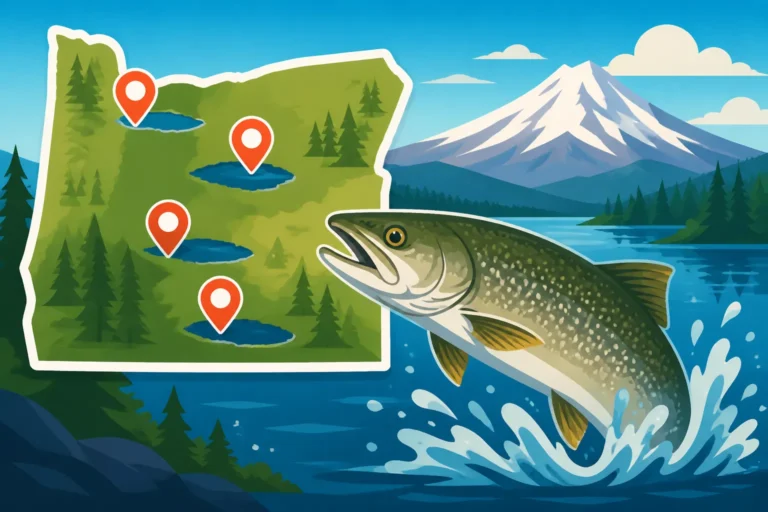
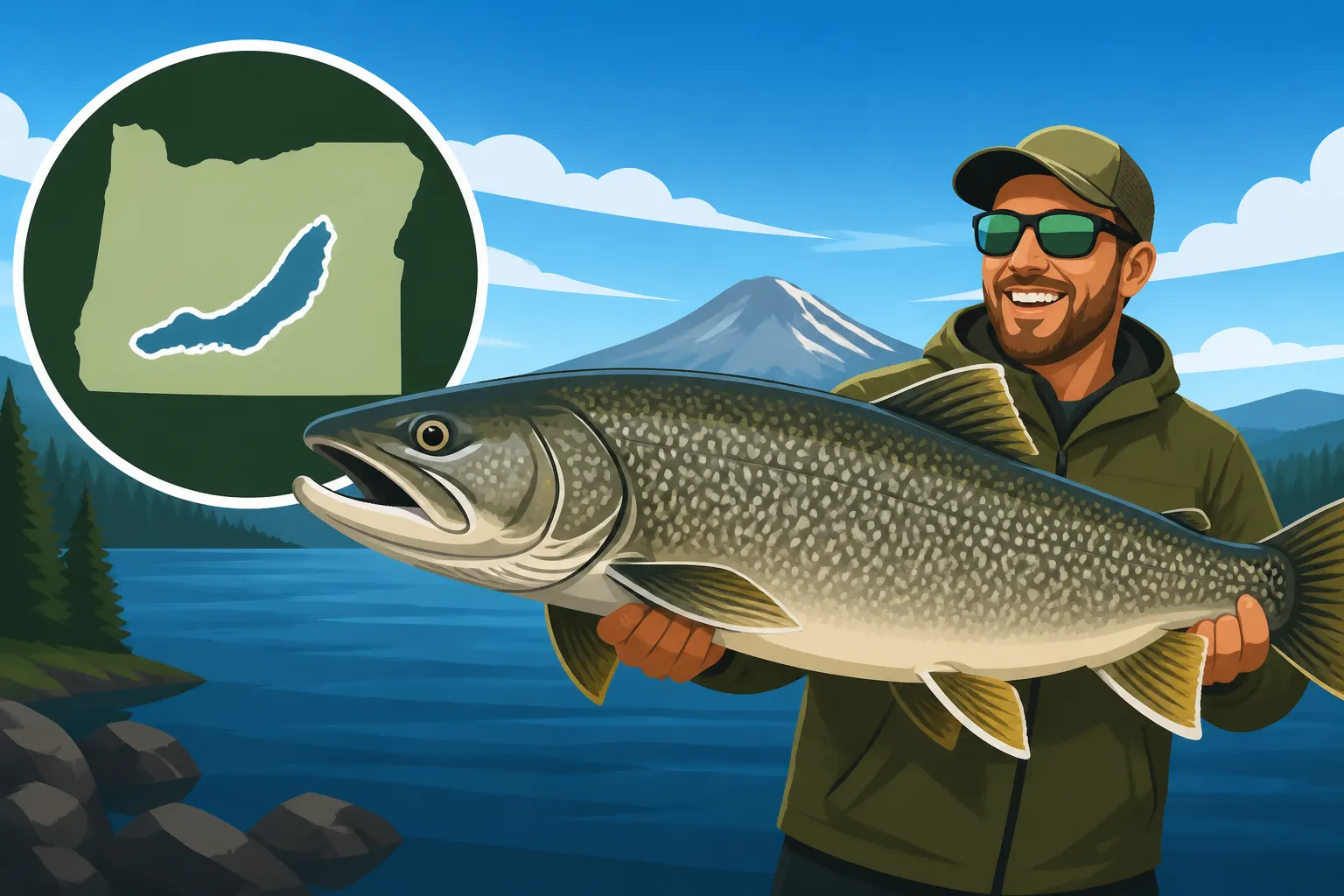
Odell Lake, nestled in the Cascade Mountains of Oregon, isn't just a picturesque spot; it's a cold, deep, and nutrient-rich environment perfectly suited for Mackinaw, also known as Lake Trout. These fish are fascinating creatures, different from your typical rainbow or brook trout, and understanding their habits is key to appreciating their growth potential in this particular lake.
What is a Mackinaw Fish?
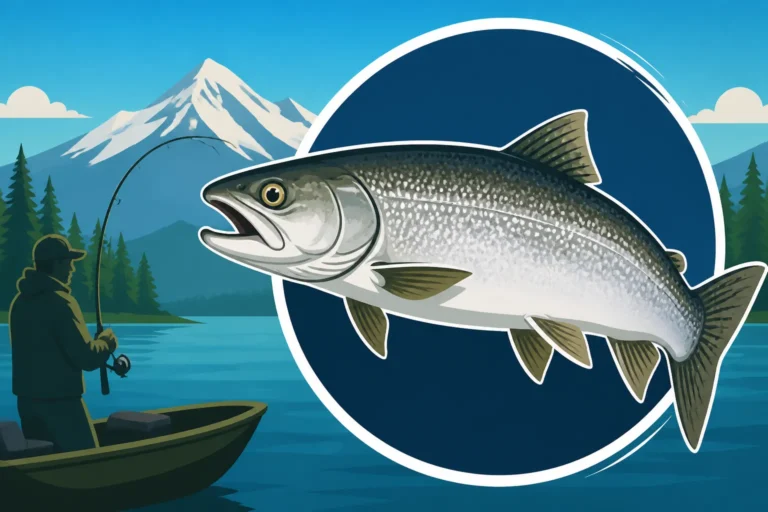
Mackinaw (scientific name Salvelinus namaycush) are not actually native to Oregon. They were introduced to Odell Lake in the 1920s and have since thrived, becoming the dominant predatory fish. They belong to the char family, distinct from true trout, though they share many characteristics. Mackinaw are known for their impressive size, long lifespan, and their preference for deep, cold water, which Odell Lake provides in abundance. They have a dark, mottled appearance, often olive-green to gray with lighter spots, which helps them camouflage in the rocky, deepwater environments they call home. Unlike other trout that might feed extensively on insects, Mackinaw are primarily piscivores, meaning they eat other fish. This diet is a huge factor in their ability to grow to substantial sizes. If you're curious about their general biology, you might want to read more about What is a mackinaw fish.
Why Odell Lake is Prime Mackinaw Habitat
Odell Lake is a big reason why Mackinaw here can reach such impressive dimensions. This lake plunges to depths of over 285 feet, providing a vast expanse of cold, oxygen-rich water that Mackinaw adore, especially as they mature. The lake is also home to abundant forage fish, particularly Kokanee salmon, which serve as the primary food source for growing Mackinaw. Imagine a Mackinaw cruising the depths, ambushing schools of Kokanee—it's like a finely tuned ecosystem designed for their growth. The sheer size of the lake also means there's plenty of territory for these fish, reducing competition and allowing them to expand their domain and find ample food. The combination of deep, cold water and a robust food chain creates the perfect conditions for Mackinaw to not just survive, but to truly thrive and grow large.
How Big Do Mackinaw Get at Odell Lake?
Now for the million-dollar question! The size of Mackinaw caught at Odell Lake can vary quite a bit, but it's safe to say this is one of Oregon's premier lakes for trophy-sized fish. You'll find a spectrum, from smaller, feisty "eaters" to truly colossal specimens that test the limits of your gear and your angling skills.
Average Size vs. Trophy Potential
When you're out on Odell Lake, a typical Mackinaw caught by most anglers might range anywhere from 2 to 8 pounds. These are healthy, respectable fish that put up a good fight and make for excellent table fare. Many anglers consider a fish in this range a fantastic catch, especially if they're targeting them for dinner. However, Odell Lake is truly renowned for its potential to produce much, much larger fish.
A "trophy" Mackinaw at Odell Lake starts around 10 pounds and can easily extend upwards of 20 pounds, sometimes even 30 pounds or more. These are the true giants of the deep, fish that have spent years, even decades, growing fat on the lake's abundant Kokanee population. Catching one of these requires patience, specific techniques, and often a bit of luck. The current state record for Mackinaw in Oregon was caught right here in Odell Lake, a testament to its incredible potential. If you're hoping to break a record or just land a personal best, Odell Lake is definitely the place to be. For more insights into record-setting fish, check out our Oregon Record Fish Guide.
Here's a quick comparison of what you might expect:
| Category | Typical Size Range (pounds) | Length Range (inches) | Age (approx. years) | Angler Experience |
|---|---|---|---|---|
| Common Catch | 2 – 8 | 18 – 26 | 3 – 8 | Beginner to Intermediate |
| Good Catch | 8 – 15 | 26 – 32 | 8 – 15 | Intermediate |
| Trophy Fish | 15 – 30+ | 32 – 40+ | 15 – 25+ | Experienced |
Factors Influencing Mackinaw Growth
Several factors contribute to the impressive size these fish can achieve in Odell Lake.
First, as mentioned, the abundance of prey is paramount. Kokanee salmon are rich in fat and protein, providing the perfect fuel for rapid growth. Imagine a young Mackinaw having an endless buffet of these silvery treats; it's no wonder they bulk up!
Second, the deep, cold water environment is crucial. Mackinaw thrive in cold temperatures, which allows them to maintain a slower metabolism and convert food more efficiently into growth rather than just energy for survival in warmer conditions. The stable, deep water also offers refuge from predators (though adult Mackinaw have few natural predators) and undisturbed growing conditions.
Third, the long lifespan of Mackinaw plays a significant role. These fish can live for 20-30 years or even longer in ideal conditions. With that much time, and a consistent food supply, they simply have the opportunity to grow to immense sizes year after year.
Finally, fishery management practices by the Oregon Department of Fish and Wildlife (ODFW) also contribute. While Mackinaw are an introduced species, their management at Odell Lake aims to balance the ecosystem and sustain a healthy population, which in turn allows some fish to reach trophy status. This delicate balance helps ensure future generations of anglers can also experience the thrill of catching a big one. For detailed information on specific regulations, you should always consult the Oregon Fishing Regulations Explained.
Targeting Trophy Mackinaw at Odell Lake
If your goal is to land one of those true Odell Lake giants, you'll need to adapt your strategy and gear. These aren't your typical panfish, and approaching them with the right mindset and tools is essential.
Essential Gear for Deepwater Mackinaw
Tackling large Mackinaw in deep water requires specialized equipment. Your lightweight trout rod just won't cut it. You'll need:
- Heavy-Duty Rod and Reel: A sturdy baitcasting or conventional reel paired with a medium-heavy to heavy action trolling rod, typically 7-9 feet long. This setup needs to handle heavy weights and powerful fish. Brands like Okuma, Penn, or Shimano are popular choices, and you can find a vast selection on Amazon, often with reviews from other deepwater anglers.
- Strong Line: Many anglers opt for braided line as their main line, often 30-50 lb test, due to its low stretch and incredible strength. A fluorocarbon or monofilament leader of 20-30 lb test is usually tied to the braid for stealth and abrasion resistance.
- Downriggers: These are almost indispensable for deep trolling, allowing you to present your lure at precise depths where Mackinaw are holding. They use a heavy cannonball weight to carry your line down, with a release clip that frees your line once a fish strikes.
- Electronics: A good fish finder (sonar) with GPS is crucial. It helps you locate schools of Kokanee (where the Mackinaw will be), identify structure, and mark depth contours. Many quality units can be found on Amazon.
- Lures: Large spoons (like Luhr Jensen Kwikfish, Yakima Bait FlatFish, or Trophy Stick), dodgers and hootchies, or even live bait (if permitted by current regulations – always check the latest rules!) are common choices. Natural colors mimicking Kokanee are often effective. Look for reputable brands and read reviews to see what other anglers are having success with. You can always browse Amazon for popular and well-reviewed deep-diving lures.
Remember, Mackinaw fishing can be hard on gear, so investing in quality components will save you headaches and heartbreak when that monster finally hits.
Proven Techniques for Lunker Lake Trout
Landing a trophy Mackinaw from Odell Lake generally revolves around deep trolling, but there are nuances to maximize your chances.
- Deep Trolling: This is the most effective method. Use downriggers to get your lures down to depths ranging from 60 to 150 feet, or even deeper, depending on the time of year and where the Kokanee are schooling. Monitor your fish finder constantly to pinpoint fish and bait balls. Experiment with different depths until you find the strike zone. Your trolling speed is also critical – usually a slow, steady pace between 1.5 to 2.5 mph works well. For a deeper dive into methods, consider exploring Trolling Techniques for Oregon Reservoirs.
- Vertical Jigging: While not as common for giant Mackinaw, vertical jigging can be effective if you mark fish on your sonar that are suspended or holding tight to structure. Large, heavy jigs (metal or soft plastic) dropped directly down and worked aggressively can provoke a strike.
- Targeting Structure: Mackinaw often relate to underwater structure such as humps, ledges, and drop-offs, especially areas where these features converge with deep water. These are ambush points where they wait for passing schools of baitfish. Spend time mapping out and fishing these areas.
- Time of Day/Year: While Mackinaw can be caught year-round (when the lake isn't frozen, of course), early morning and late evening often provide the best bite. During the summer, they'll be in the deepest, coldest parts of the lake. In spring and fall, they might venture slightly shallower, especially near spawning areas. Always consult the Oregon Fishing Season Dates and Limits for any specific restrictions.
Remember, fishing for these big boys is a marathon, not a sprint. You might go hours without a bite, but that moment when your rod slams down and a true Odell Lake Mackinaw is on the other end makes all the waiting worthwhile.
Conservation and Management of Odell Lake Mackinaw
As passionate anglers, we all share a responsibility to protect our fisheries. While Mackinaw are an introduced species in Odell Lake, and in some waters, they are even considered invasive due to their impact on native species, at Odell, they have become an established part of the ecosystem and are highly valued by anglers. The Oregon Department of Fish and Wildlife (ODFW) actively manages this fishery to ensure its health and sustainability.
Current Regulations and Bag Limits
Regulations regarding Mackinaw at Odell Lake can change, so it's absolutely vital to always check the latest ODFW sport fishing regulations before you head out. These regulations are designed to manage fish populations, ensure a healthy ecosystem, and provide continued angling opportunities. Typically, there will be specific bag limits for Mackinaw, often with provisions for different size classes. For example, there might be a daily bag limit for smaller fish, and a more restrictive limit or even a slot limit for larger, trophy-sized individuals. These rules help protect the older, larger spawning fish while allowing anglers to harvest some of the more abundant, smaller fish. Always carry a copy of the regulations (either physical or on your phone via the ODFW app), and make sure you understand them. If you ever have doubts, don't hesitate to check How to check current Oregon fishing regulation updates.
Responsible Angling Practices for Large Fish
When you hook into one of Odell Lake's monster Mackinaw, it's an exhilarating experience. However, these large, old fish are important for the fishery's future, even if they are introduced. If you plan to release a trophy fish, responsible angling practices are crucial to ensure its survival.
- Minimize Fight Time: Use appropriate gear that can subdue the fish quickly without exhausting it to the point of no return.
- Handle with Care: Keep the fish in the water as much as possible. If you must bring it aboard for a quick photo, support its body horizontally and avoid touching its gills or eyes. Wet your hands before handling to protect its slime coat.
- Barbless Hooks: Many anglers opt for barbless hooks to make hook removal easier and reduce damage to the fish's mouth, especially if you're practicing catch and release.
- Revival: If a fish seems sluggish before release, hold it gently in the water, facing into the current (if any), until it regains its strength and swims away on its own.
By practicing these methods, we can help ensure that these magnificent Mackinaw continue to thrive in Odell Lake for generations of anglers to enjoy. After all, nothing beats the thrill of a big fish, especially when you know it's swimming away strong to fight another day! For general information on various fishing techniques and safe handling, you can also look into Oregon Fishing Techniques for Beginners.
Remember, whether you're chasing a modest 5-pounder for dinner or dedicating your trip to finding that elusive 20-pound-plus giant, Odell Lake's Mackinaw fishery offers an incredible experience for any angler willing to put in the time and effort. It's truly a gem in Oregon's fishing landscape.
Disclaimer
This article is for general informational purposes only and does not constitute professional advice. Laws, prices and regulations vary by location and change over time. Consult a qualified professional for guidance on your specific situation.